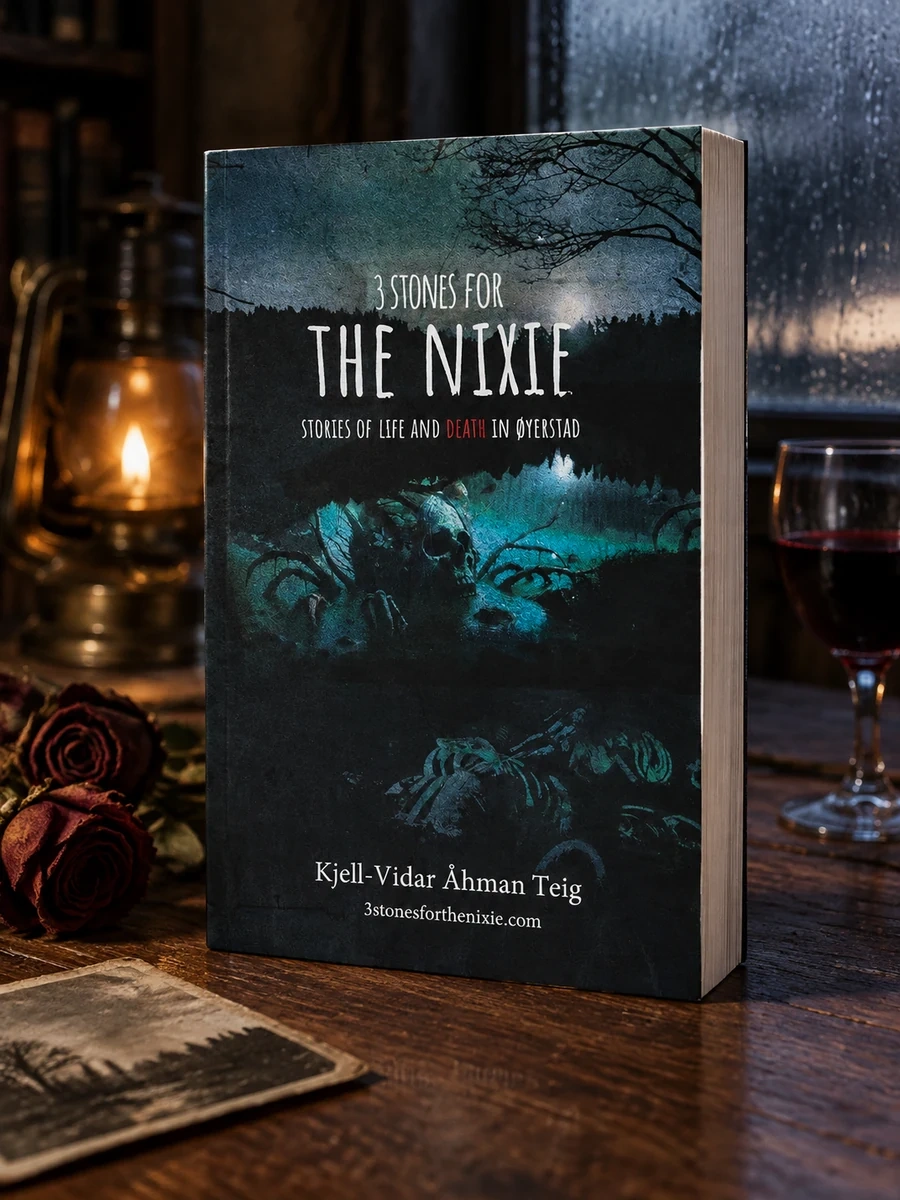
🩸Horror Tradition
Nixie
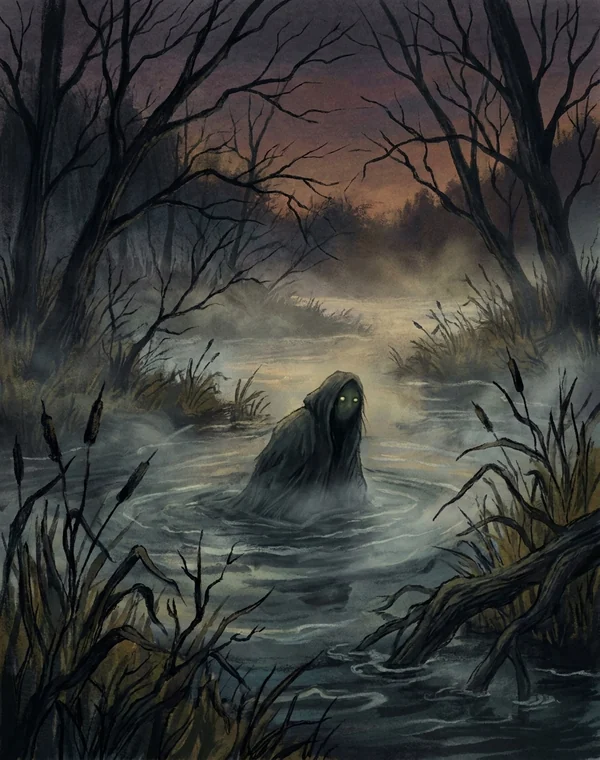
A nixie is a shape-shifting water spirit originating from Germanic and Scandinavian folklore that typically lures unwary travelers into deep rivers and lakes.
Etymology & Origin
Where the word comes from
Derived from the Proto-Germanic water-sprite root nikwsi- or nikuz-, related to Old High German nihhus meaning water monster.
Full Definition
In depth
Origins The nixie, or nixe, has deep roots in Germanic and Scandinavian folklore, evolving from ancient continental Germanic and Norse mythological traditions. Alongside related regional counterparts such as the Anglo-Saxon nicor and the broader European water sprite, these entities populated the folklore of rural communities for centuries. Long before collectors like the Brothers Grimm transcribed these oral traditions into print during the nineteenth century, stories of water spirits served as cautionary folklore for farming and fishing villages across Northern and Central Europe.
What It Is Said to Do In traditional folklore, a nixie is said to appear in various guises, most frequently taking the form of a handsome human youth, a beautiful maiden, or an animal such as a horse or fish in order to deceive mortals. They are renowned for their enchanting musical abilities, often playing stringed instruments or singing sweet melodies from riverbanks to lure unwary victims into treacherous waters. To protect themselves, superstitious villagers historically relied on throwing steel objects into the water, invoking Christian prayers, or simply avoiding solitary lakes and fast-flowing rivers after dark.
In Horror Fiction Horror and dark fantasy writers frequently deploy the nixie to evoke the primal terror of drowning, isolation, and the deceptive allure of the unknown depths. Rather than acting as mindless beasts, literary nixies are often depicted as predatory intellects that exploit human loneliness, grief, or curiosity. Authors use these spirits to represent the indifferent, swallowing cruelty of nature, where quiet waters hide malice. Notable depictions across speculative fiction draw heavily on this folklore to explore themes of environmental dread and the vulnerability of human boundaries when facing ancient, inhuman appetites.
Why It Still Frightens The nixie still frightens because it weaponizes our innate attraction to water, transforming a serene natural landscape into a quiet, inescapable trap.
Connected Concepts
Related horror terms
Further Study