🩸Horror Tradition
Draugr
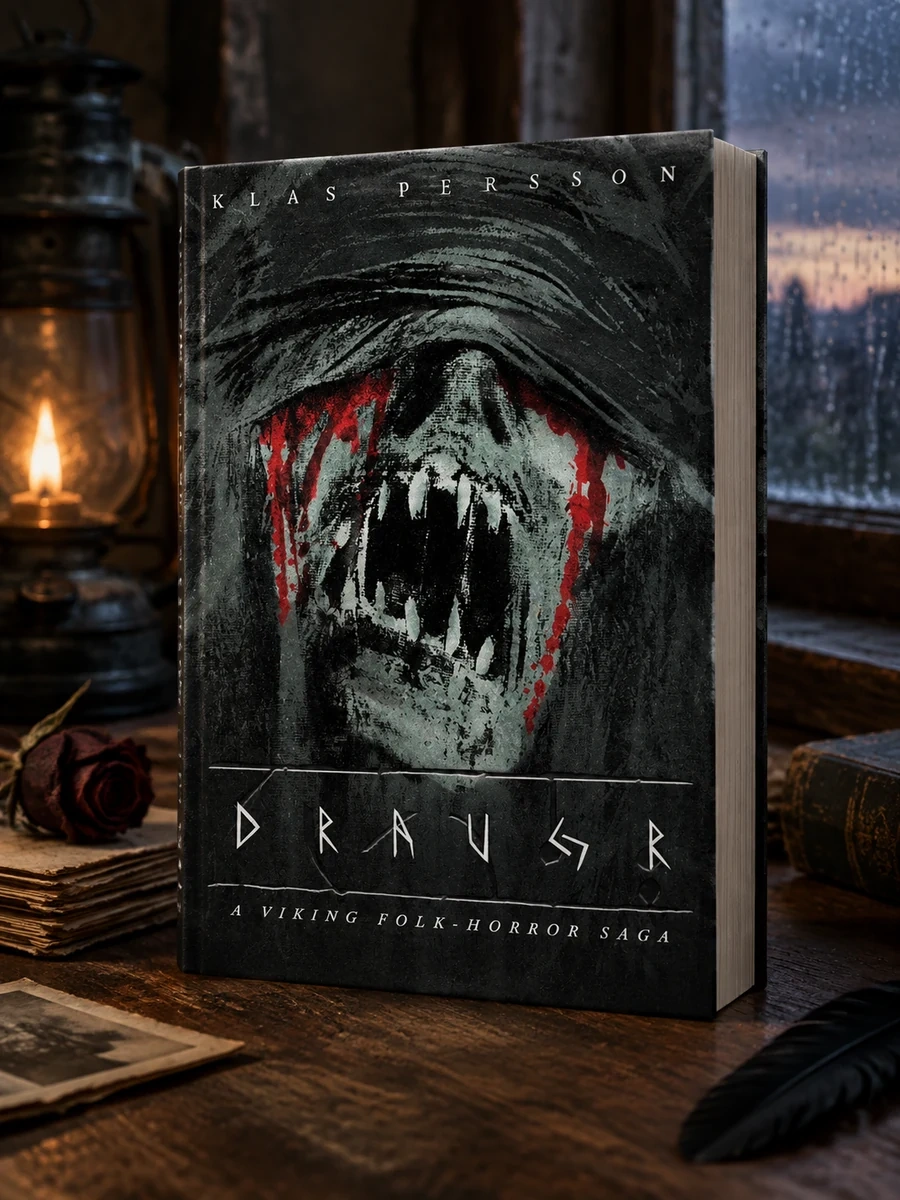
The draugr is an undead creature originating from Norse mythology and Scandinavian folklore, known for guarding its grave hoard and tormenting the living.
Etymology & Origin
Where the word comes from
Derived from the Old Norse word draugr, meaning a ghost or an apparition of an undead person.
Full Definition
In depth
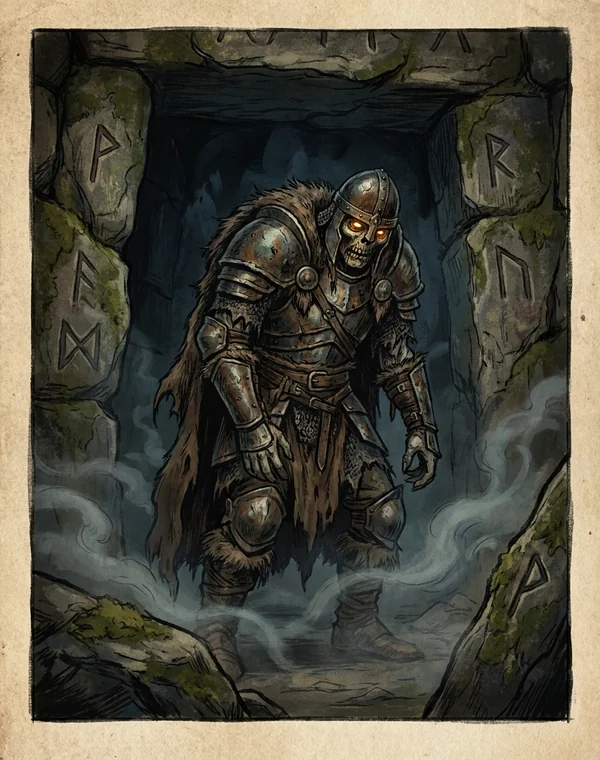
Origins The figure of the draugr has deep roots in Norse mythology and medieval Icelandic and Scandinavian sagas, dating back over a thousand years to the Viking Age and earlier oral traditions. In Old Norse culture, these entities were not mere ghosts, but physical corpses that reanimated within their burial mounds. Belief in the draugr was intertwined with ancient burial practices, where chieftains and wealthy warriors were buried alongside their treasures, weapons, and sometimes even their horses or slaves. The fear of the dead returning to protect their worldly possessions or to exact vengeance upon the living was a prominent feature of pre-Christian Scandinavian cosmology, persisting well into the Christian era through folklore and regional ghost stories recorded in sagas such as Eyrbyggja Saga and Grettis Saga.
What It Is Said to Do According to traditional folklore, a draugr possesses immense physical strength, the ability to increase its body size at will, and superhuman agility. They are typically described as appearing swollen, dark, and bruised, often retaining the bloated, decaying appearance of a corpse that has lingered in a damp grave. Some accounts note that they emit a foul stench of decay and can cast spells or shape-shift into animals like cats or seals. To protect themselves from a restless corpse, the living were said to take drastic measures, such as placing a heavy stone on the grave, piercing the dead person's heart with a stake, or cutting off the head and placing it at the buttocks to prevent the creature from walking. Heroes in the sagas often had to wrestle the draugr inside its own burial mound and decapitate it to put it to rest permanently.
In Horror Fiction In modern horror fiction, writers utilize the draugr to tap into the primal dread of the unburied dead and the claustrophobia of ancient, frozen tombs. Unlike fast-paced cinematic zombies, literary draugrs are typically portrayed as ancient, intelligent, and bound to specific geographical locations or cursed treasures, evoking a sense of inescapable history and inevitable doom. They bridge the gap between ghost stories and visceral creature features, representing the intrusion of a hostile, prehistoric past into the modern world. Authors have integrated these chilling entities into dark fantasy and horror narratives to explore themes of greed, sacrilege, and the consequences of disturbing the sleep of the dead.
Why It Still Frightens The draugr endures as a terrifying icon because it embodies the ultimate violation of the boundary between life and death, turning the finality of the grave into a trap.
Connected Concepts
Related horror terms
Further Study