🩸Horror Tradition
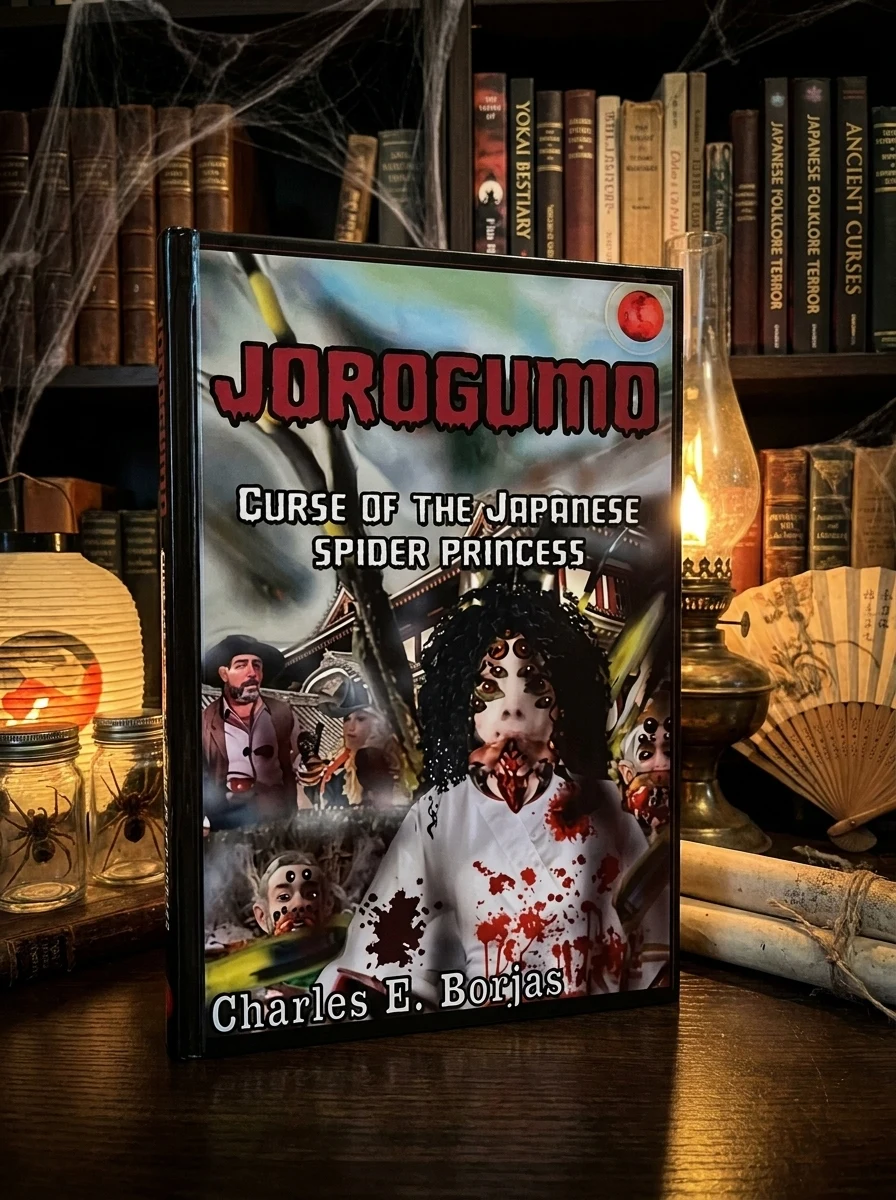
Jorogumo
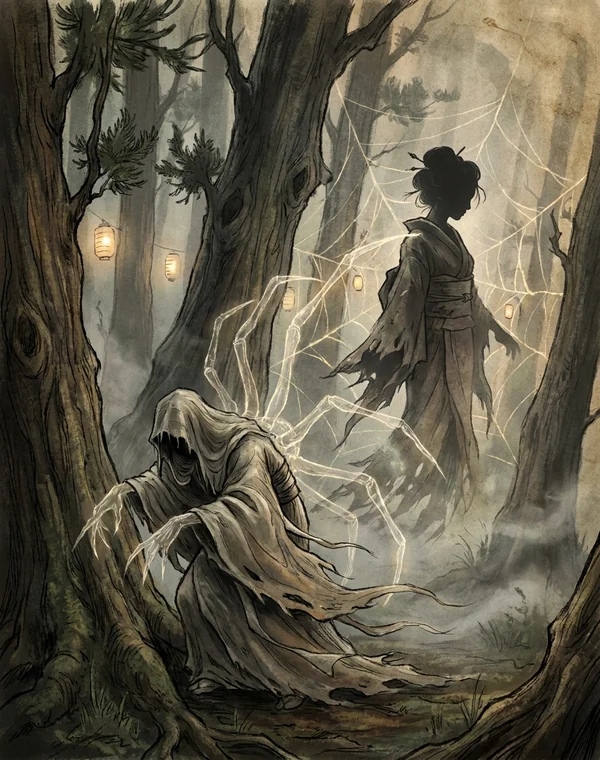
The jorogumo is a shape-shifting spider yokai originating from traditional Japanese folklore that beguiles unsuspecting travelers before consuming them.
Etymology & Origin
Where the word comes from
Derived from Japanese words meaning binding bride or whore spider, referencing its deceptive human disguise and spider nature.
Full Definition
In depth
Origins The jorogumo traces its roots deep into Japanese folklore and regional mythology, where it emerged centuries ago during the Edo period and earlier periods of oral storytelling. Translated literally as binding or entangling bride, the legend belongs to a rich tradition of yokaishifting creatures, specifically yatsude or spider spirits that have lived long enough to attain supernatural powers and malice. Japanese folklore is populated by animal spirits capable of human transformation, and the spider occupies a particularly sinister niche due to its predatory nature, silent movement, and web-weaving habits. These tales were passed down through generations in rural mountain communities, serving as cautionary warnings against venturing alone into deep forests or remote waterfalls where these deceitful entities were said to lurk.
What It Is Said to Do According to traditional accounts, the jorogumo possesses the ability to transform into a breathtakingly beautiful woman, frequently appearing as a seductive bride holding an infant made of spider eggs or an instrument such as a biwa. It lures lonely travelers, young samurai, or unwary men into secluded homes or abandoned inns, where it plays music, serves wine, and spins invisible, sticky silken threads around its victim. Once the prey is thoroughly trapped and immobilized, the true monstrous form of the creature is revealed: a gigantic spider with human-like cunning that feeds on human flesh and blood. To protect themselves, individuals in folklore relied on alertness, protective talismans, and avoiding mysterious strangers encountered in deep mountain passes or isolated shrines.
In Horror Fiction In modern horror literature and speculative fiction, writers utilize the jorogumo to explore themes of entrapment, deception, and the terrifying loss of bodily autonomy. The duality of the creature allows storytellers to probe the psychological horror of misplaced trust and the seductive nature of danger. While explicit landmark novels entirely centered on the creature are rare in Western markets, the figure frequently appears in contemporary dark fantasy and Japanese horror anthologies that modernize traditional mythos for modern audiences, evoking deep-seated arachnophobia blended with uncanny folklore.
Why It Still Frightens This legendary entity endures because it preys upon universal primal fears: the horror of insidious entrapment, the revulsion of venomous arachnids, and the unsettling thought that safety and beauty can instantly fracture into a monstrous trap.
Connected Concepts
Related horror terms
Further Study