🩸Horror Tradition
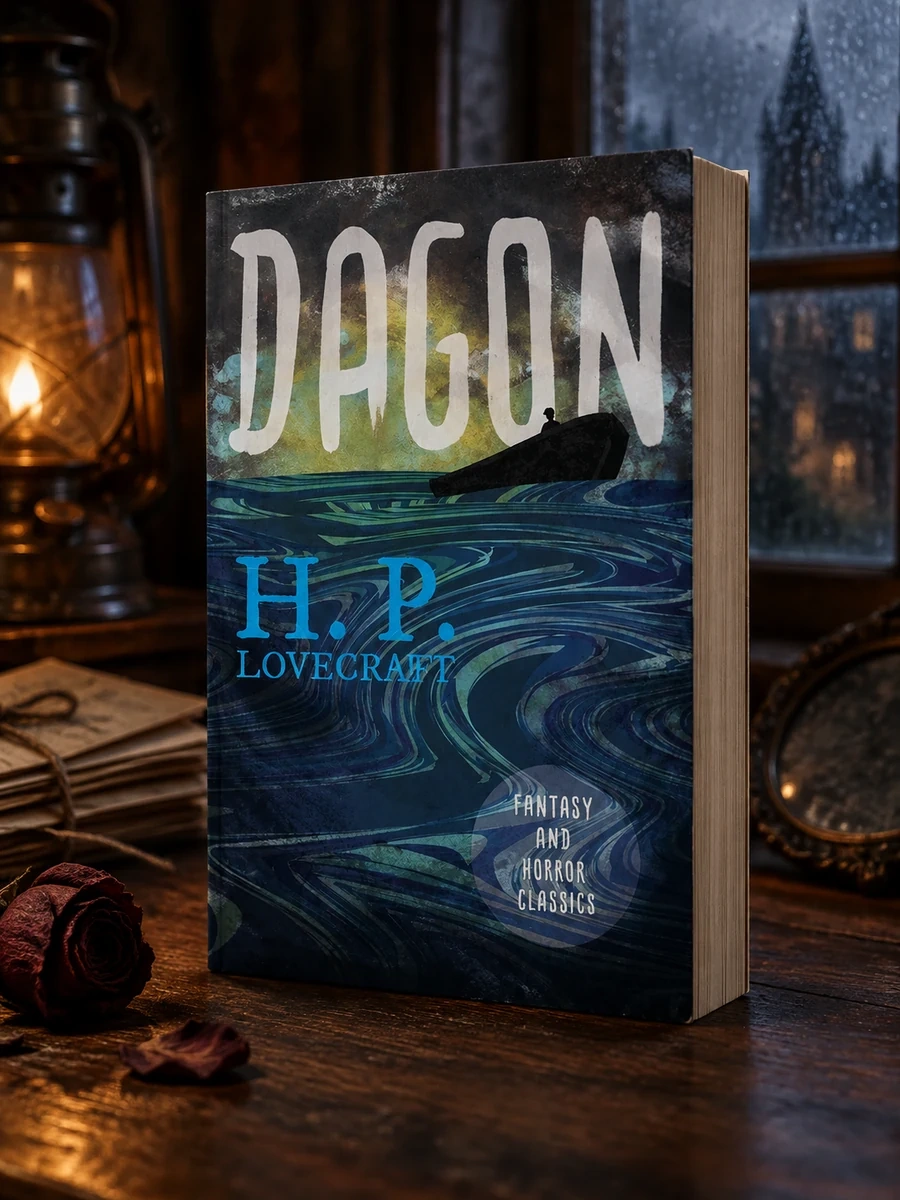
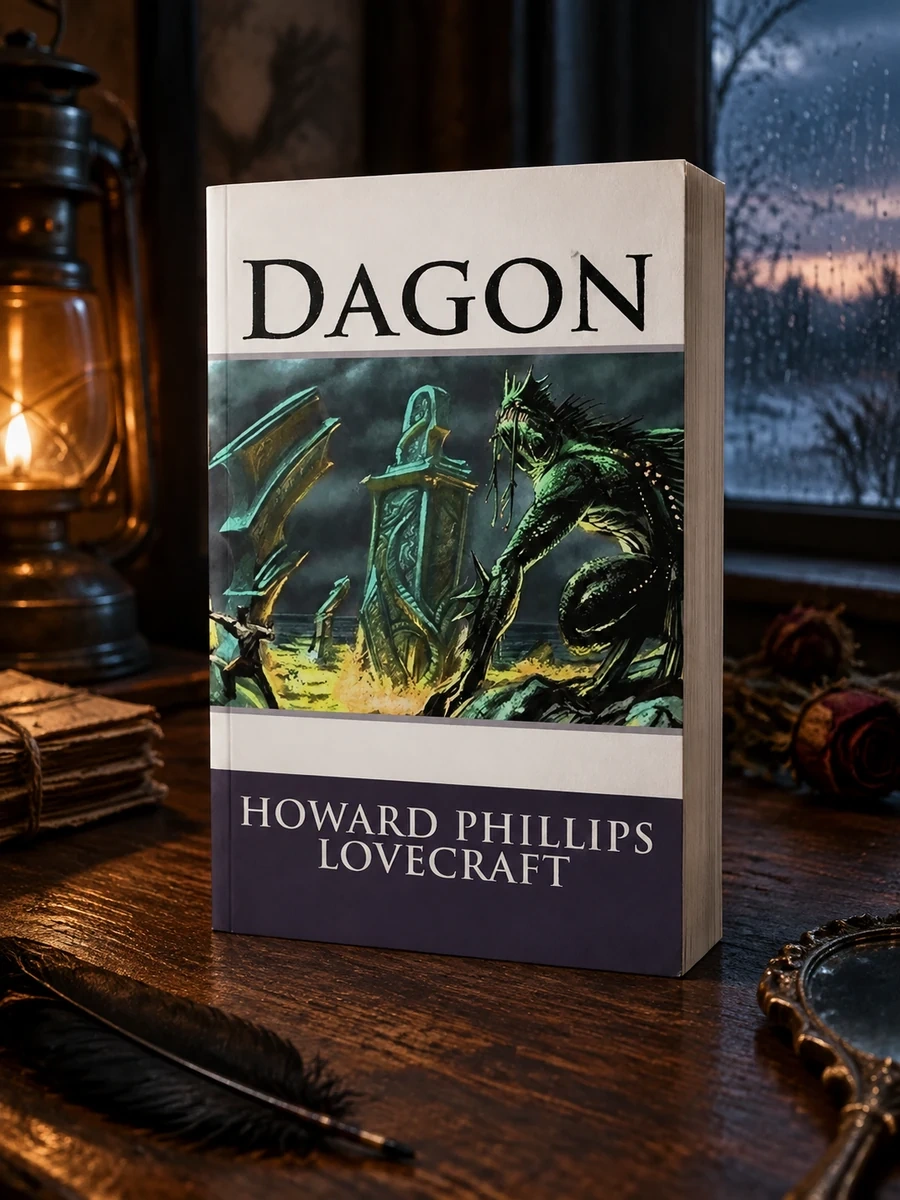
Dagon
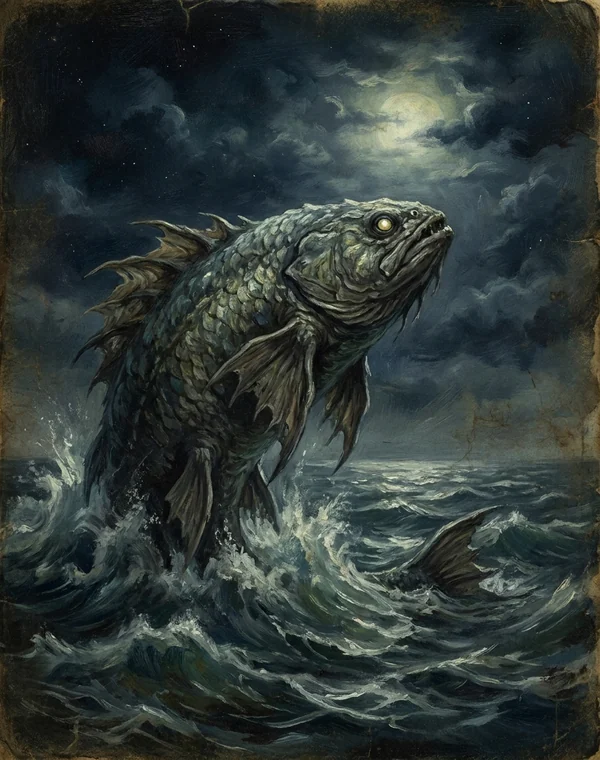
Dagon is an ancient Philistine agricultural and sea deity who was later reimagined in modern weird fiction as a monstrous, giant aquatic entity presiding over abyssal cults.
Etymology & Origin
Where the word comes from
Derived from ancient Semitic roots, likely connected to the words for grain and fish.
Full Definition
In depth
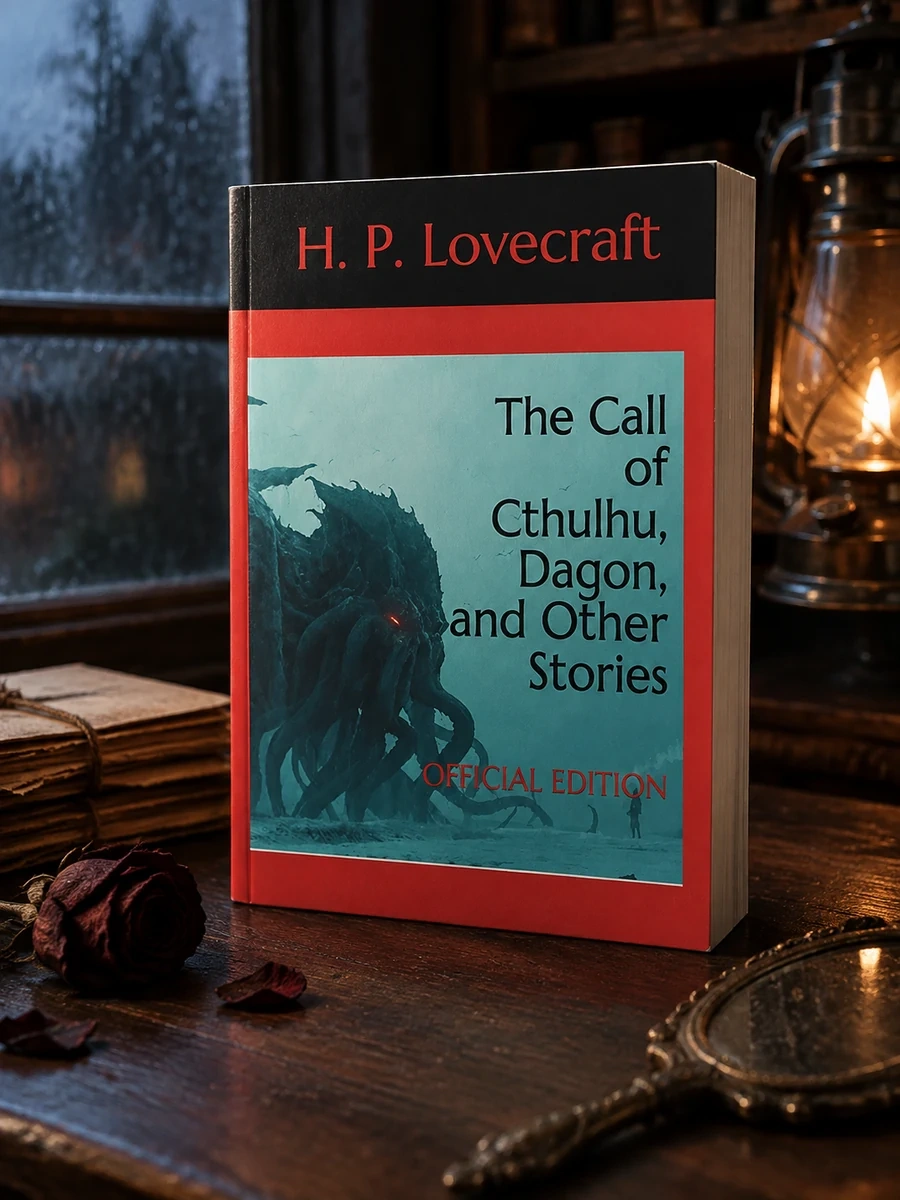
Origins Dagon originates as an ancient Semitic deity worshipped across the ancient Near East by cultures including the Philistines and Amorites, appearing in historical records and biblical texts dating back to the late third millennium BCE. Originally associated with fertility, grain, and agriculture, the god's name etymologically links to words for grain or fish in various Semitic languages. Over centuries of cultural evolution and literary translation, the deity's agrarian roots were overshadowed by maritime associations, eventually inspiring H. P. Lovecraft to adapt the name for his seminal 1917 short story of the same name, transforming an ancient Near Eastern god into a primordial cosmic horror.
What It Is Said to Do In folklore and myth, the original deity was petitioned by ancient agricultural societies for bountiful harvests and agrarian prosperity. In its modern literary incarnation, Dagon is depicted as a colossal, fish-like monstrosity ruling over vast underwater abysses and commanding hordes of amphibious humanoids known as the Deep Ones. It is said to demand horrific human sacrifices and blasphemous interspecies hybridisation in exchange for boundless ocean wealth and eternal life beneath the waves. Protection against such cosmic entities is depicted in fiction as utterly futile, though characters often attempt to stave off madness through isolation, desperate prayer, or total avoidance of the sea.
In Horror Fiction Horror writers employ Dagon to evoke the crushing, claustrophobic dread of the deep ocean and the terrifying insignificance of humanity before ancient, indifferent cosmic powers. The figure serves as a cornerstone for Lovecraftian horror, representing ancestral taint, biological degeneration, and the creeping realization that monstrous civilizations thrive just beneath the surface of modern reality. Landmark works exploring this theme include H. P. Lovecraft's foundational short story "Dagon" and his subsequent masterpiece "The Shadow Over Innsmouth," which details the slow, horrifying descent of a coastal town into aquatic worship.
Why It Still Frightens Dagon taps into our primal, ancestral fear of the dark, fathomless ocean and the unknowable horrors that lurk just beyond the edge of human comprehension.
Connected Concepts
Related horror terms
Voices
Authors working in this mode
Further Study