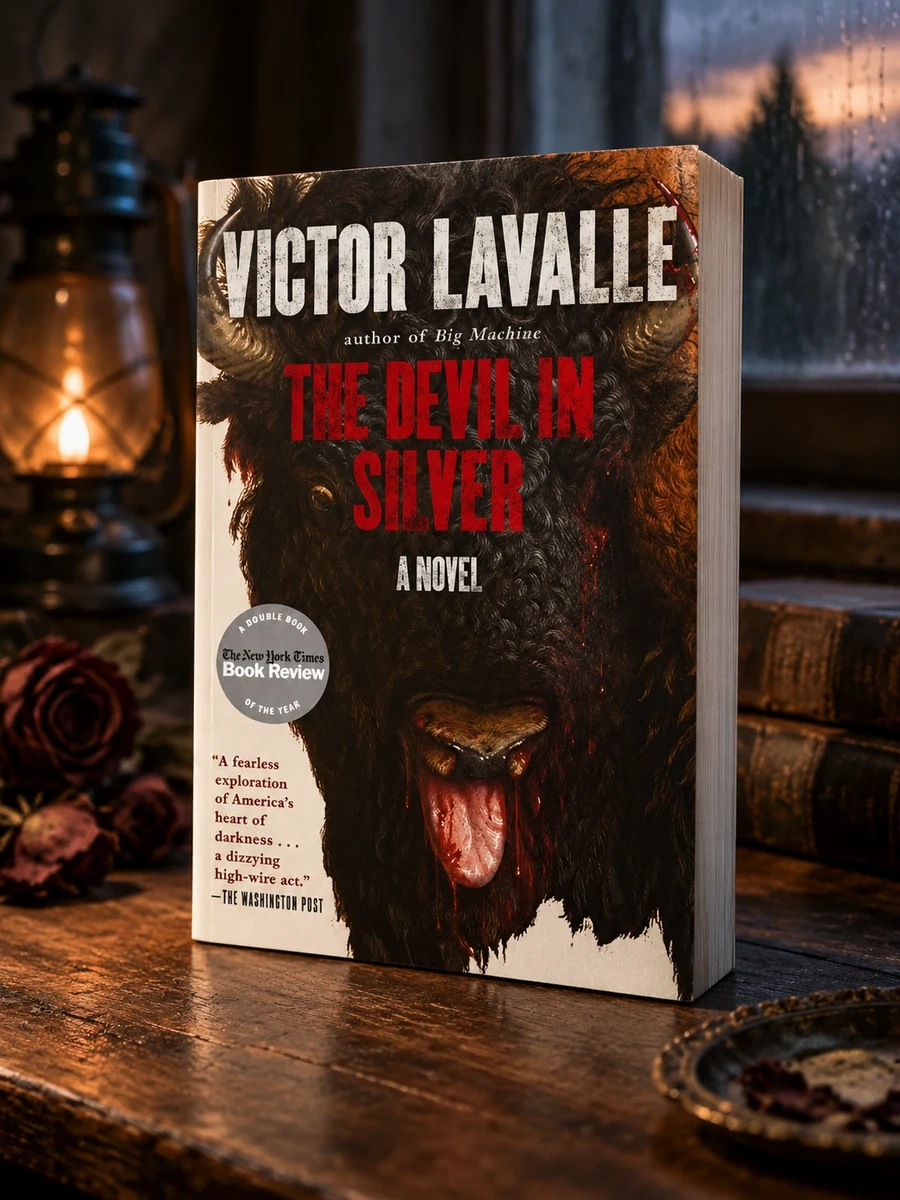

The Devil in Silver
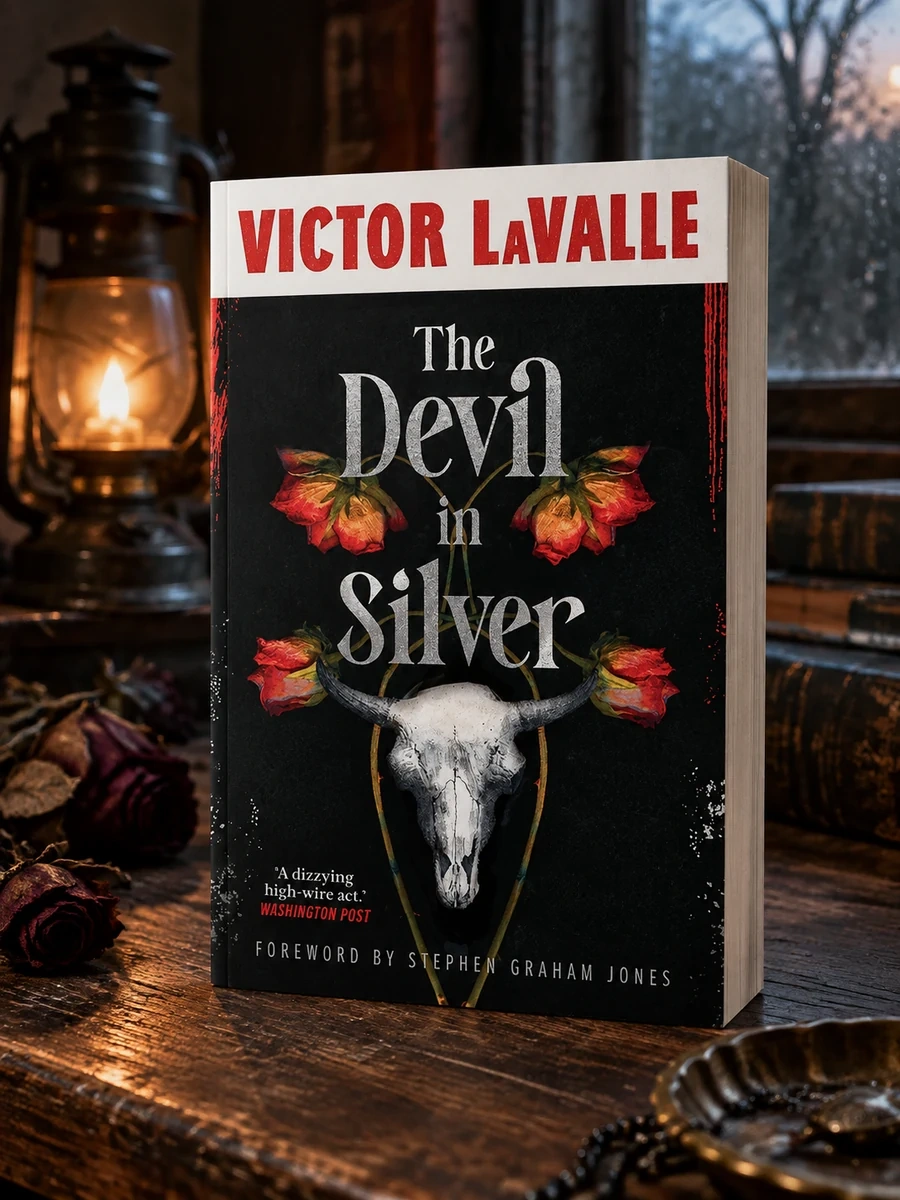
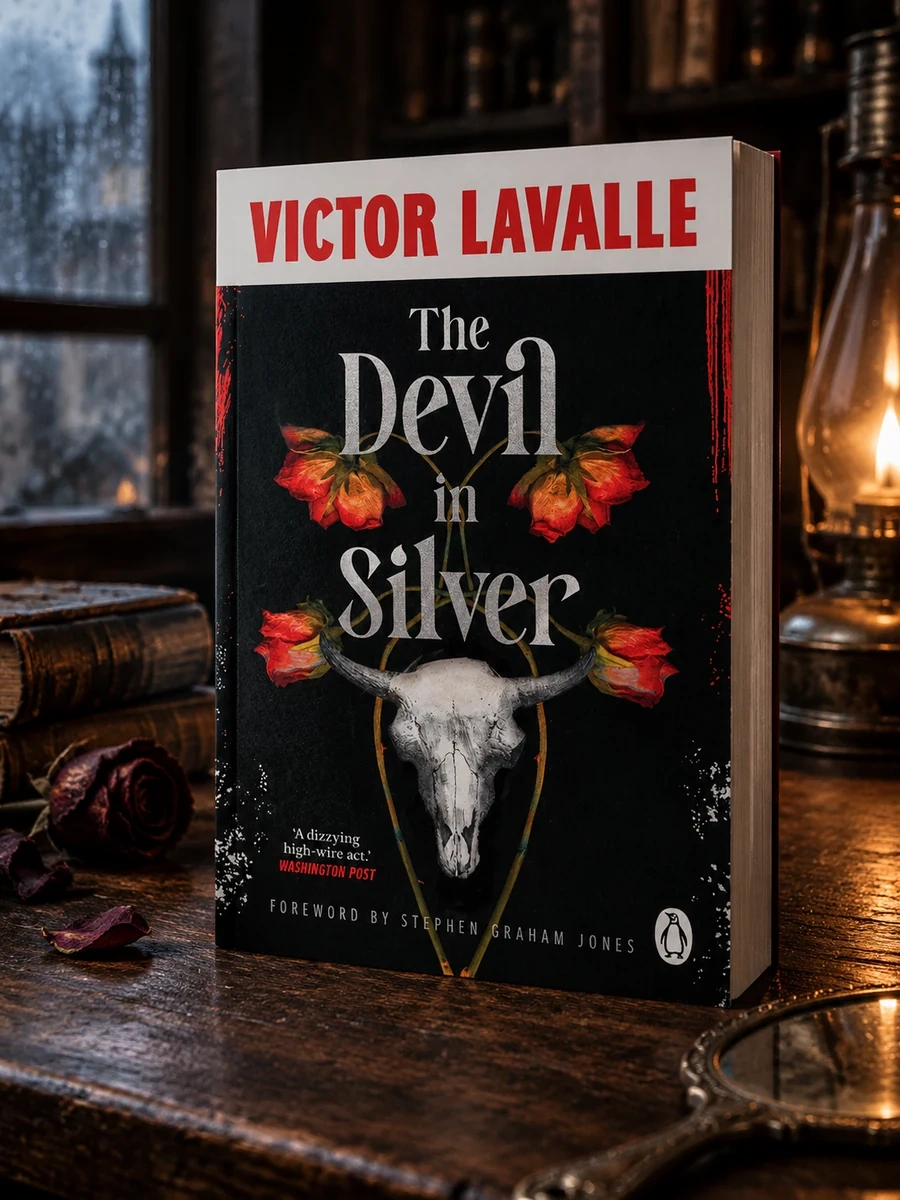
A psychiatric patient plots to kill a bison-headed devil in Queens.
Pepper enters New Hyde Hospital and faces a creature that staff dismisses as delusion but patients confirm is real. He organizes a plan with three other inmates to destroy the devil roaming at night. The plot explores how shared trauma creates bonds among those deemed insane by society. Lavalle uses this premise to examine the nature of evil and the strength found in community. The narrative balances terrifying encounters with moments of dark humor and genuine affection between characters. It asks if external monsters can be killed or if they are merely reflections of internal pain.
Published in 2013 by Random House Publishing Group, this novel sits within the tradition of American supernatural fiction. It draws on gothic horror tropes while addressing modern mental health stigma. The story is set in Queens, New York, grounding mythical elements in a recognizable urban landscape.


📝 Description: The Devil in Silver
💎 Our verdict on The Devil in Silver
📖 Why choose it
Why this book is worth reading
Readers who appreciate horror that prioritizes emotional depth over visceral gore will find this narrative deeply rewarding. It offers a unique exploration of how shared trauma fosters genuine connection among marginalized individuals, transforming fear into solidarity. Those interested in the intersection of mental health and mythical threats will engage with its complex characters and dark humor. The book challenges readers to consider whether external monsters are real or reflections of internal pain, providing a suspenseful yet affectionate look at courage and friendship in the face of perceived insanity.
⭐ Reader reviews
Reader rating
Lavalle crafts a suspenseful literary horror that balances terrifying encounters with moments of genuine affection and dark comedy. The narrative effectively uses the bison-headed devil as an allegory for institutional neglect and internal struggle, creating a rich tapestry of fear and hope. It suits readers who enjoy character-driven plots grounded in supernatural fiction within institutional settings. While those seeking detached fantasy or pure gore may find it less engaging, fans of stories where mental health intersects with mythical threats will appreciate its emotional core and critical acclaim as a standout work of the year.