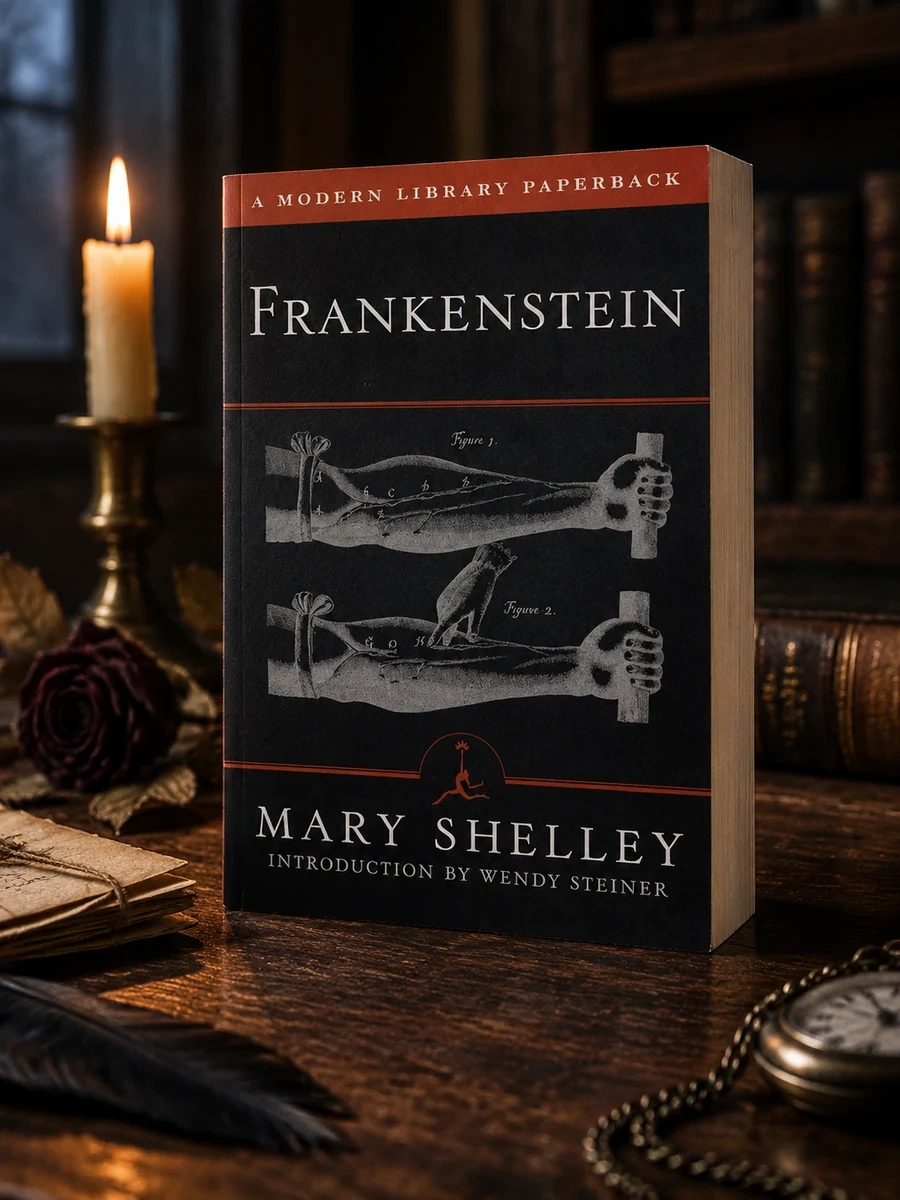


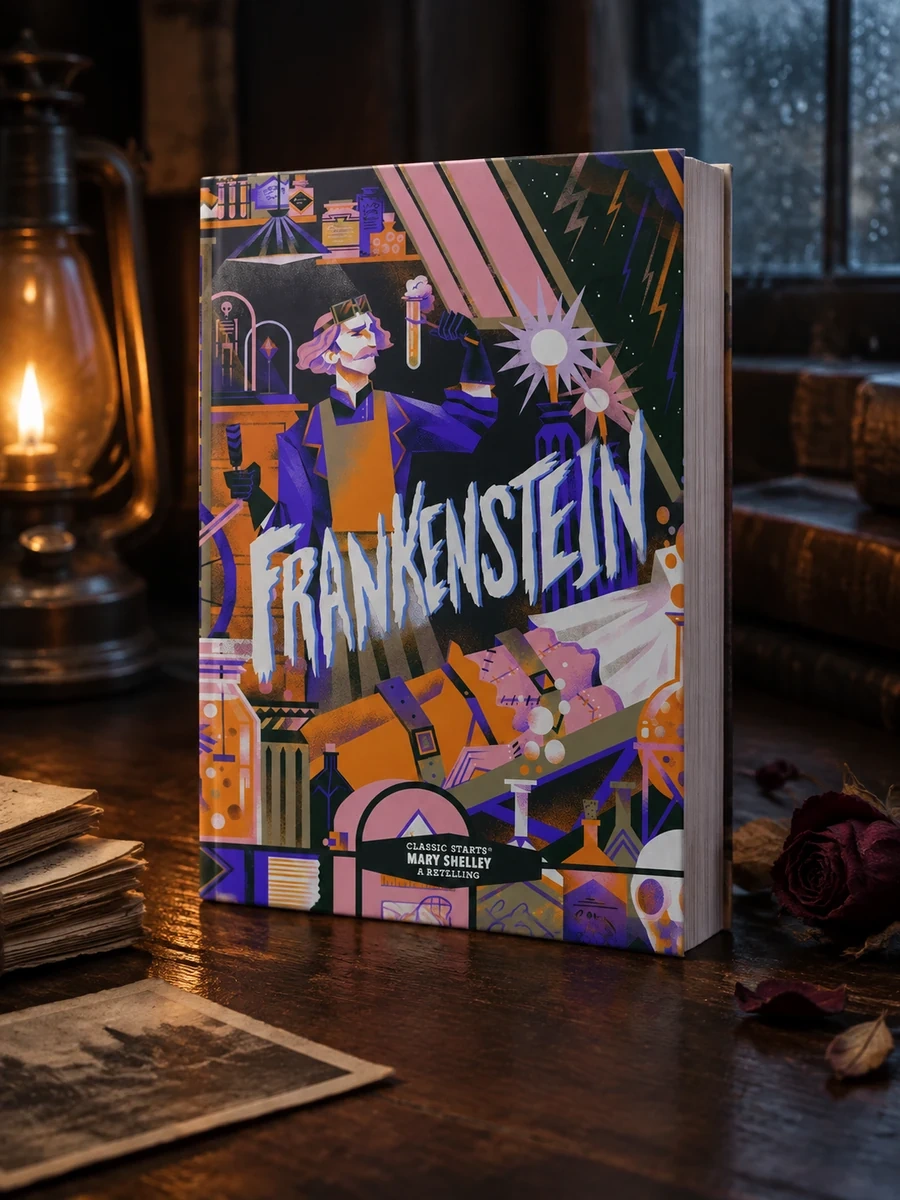
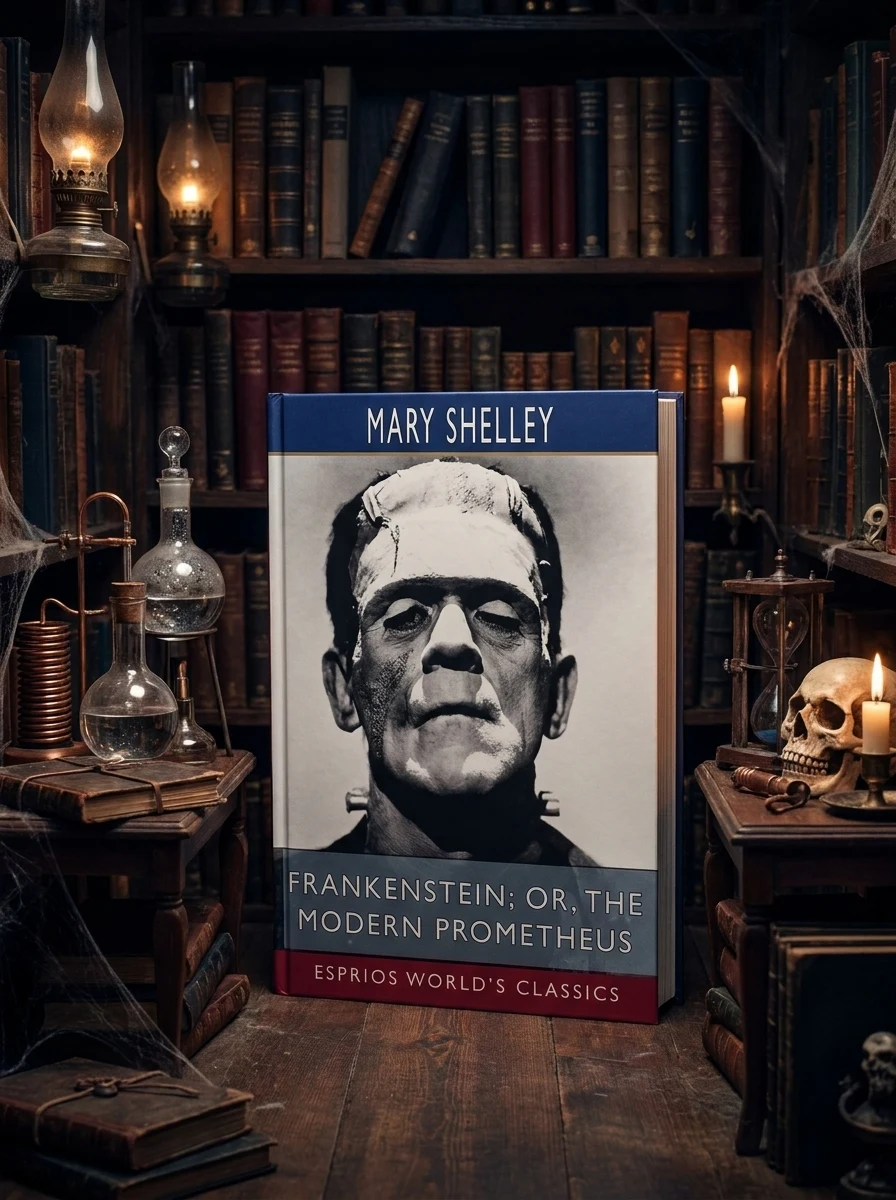
Frankenstein: Or, The Modern Prometheus
A Gothic novel about a scientist who creates life and faces its consequences.
This text presents Mary Shelley’s original vision of Victor Frankenstein and his creature. It emerged from conversations in the Swiss Alps with literary figures like Lord Byron. The narrative focuses on the moral implications of scientific discovery. It questions whether progress justifies the cost to human connection. The book blends Romantic sensibilities with early speculative fiction elements. It avoids simple villainy, instead presenting a nuanced tragedy. The structure relies on Victor’s personal testimony rather than omniscient narration. This approach creates intimacy and suspense. The story remains relevant for its critique of unchecked ambition.
The novel was published in 1818 and quickly became a bestseller. It is recognized as a masterpiece of suspense and a key work in Gothic horror. PBS named it one of America's best-loved novels in The Great American Read.


📝 Description: Frankenstein: Or, The Modern Prometheus
💎 Our verdict on Frankenstein: Or, The Modern Prometheus
📖 Why choose it
Why this book is worth reading
This book is ideal for readers who appreciate suspenseful tales intertwined with deep philosophical questions about creation and responsibility. It appeals to those interested in the moral implications of scientific discovery and the dangers of unchecked ambition. The narrative offers a nuanced tragedy rather than simple villainy, making it suitable for audiences seeking complexity over lighthearted adventure. Readers will gain from its exploration of isolation and the limits of human understanding. It serves as a powerful examination of the creator’s duty to their creation, challenging assumptions about life and death. Those who enjoy psychological depth and early speculative fiction elements will find this original source compelling and relevant for its critique of progress.
⭐ Reader reviews
Reader rating
Shelley’s work excels in presenting a dark parable about scientific ambition through Victor’s intimate personal testimony. The structure relies on this close perspective to build suspense and moral complexity, avoiding simple villainy. It successfully blends Romantic sensibilities with early speculative fiction, creating a nuanced tragedy that questions whether progress justifies the cost to human connection. This approach makes the text highly relevant for its critique of unchecked ambition and the corrupting influence of technology. The book is best suited for readers interested in philosophical inquiries and suspenseful tales. Those seeking lighthearted adventure may find the tone too heavy, but enthusiasts of Gothic horror and psychological depth will appreciate its powerful exploration of responsibility and isolation.
📖 Read on the blog
📖 From the series “Modern Library Classics”



✍️ More books by this author Mary Shelley

🏛 Books from this publisher Random House Publishing Group

You might also like
See more →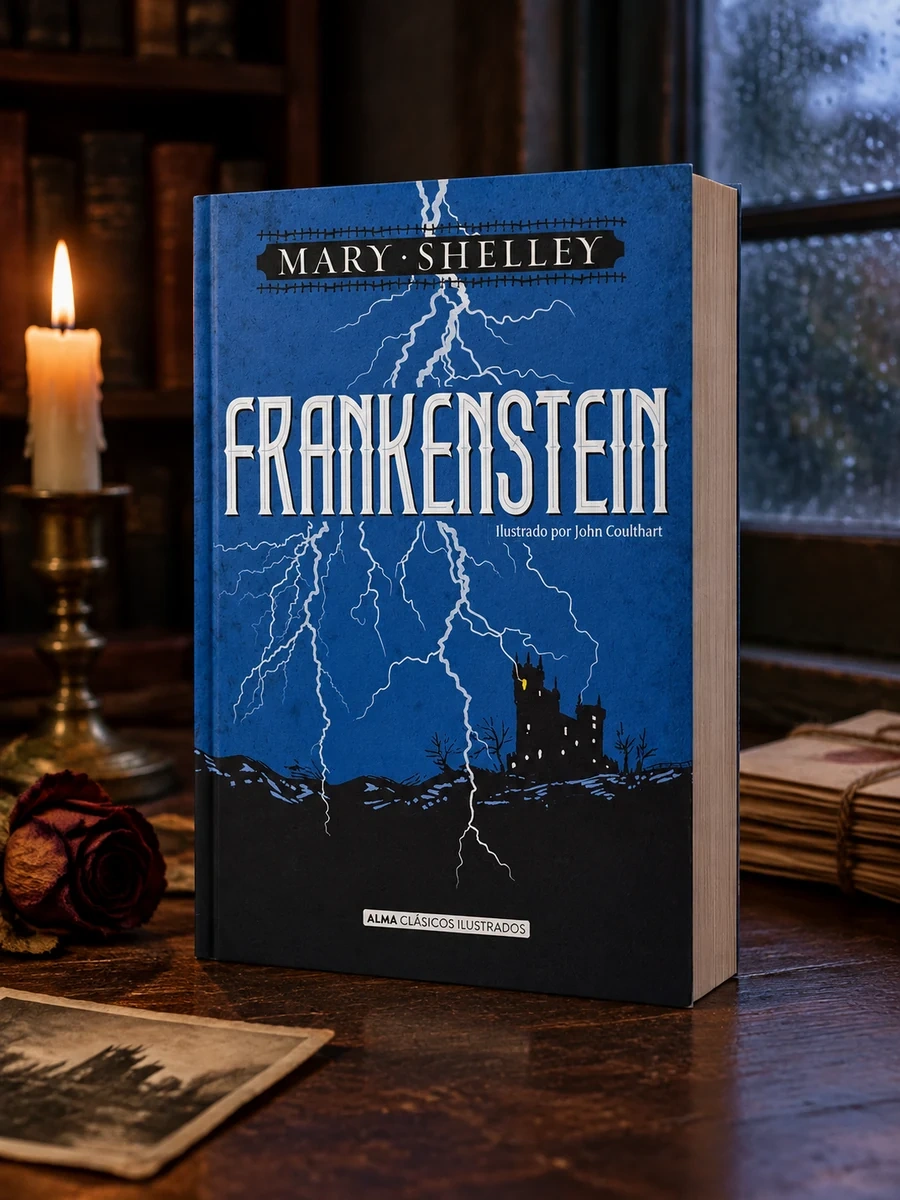
Have a question about this item?
Ask about the edition, condition, delivery or anything else — we reply by email or phone, usually within a day.
