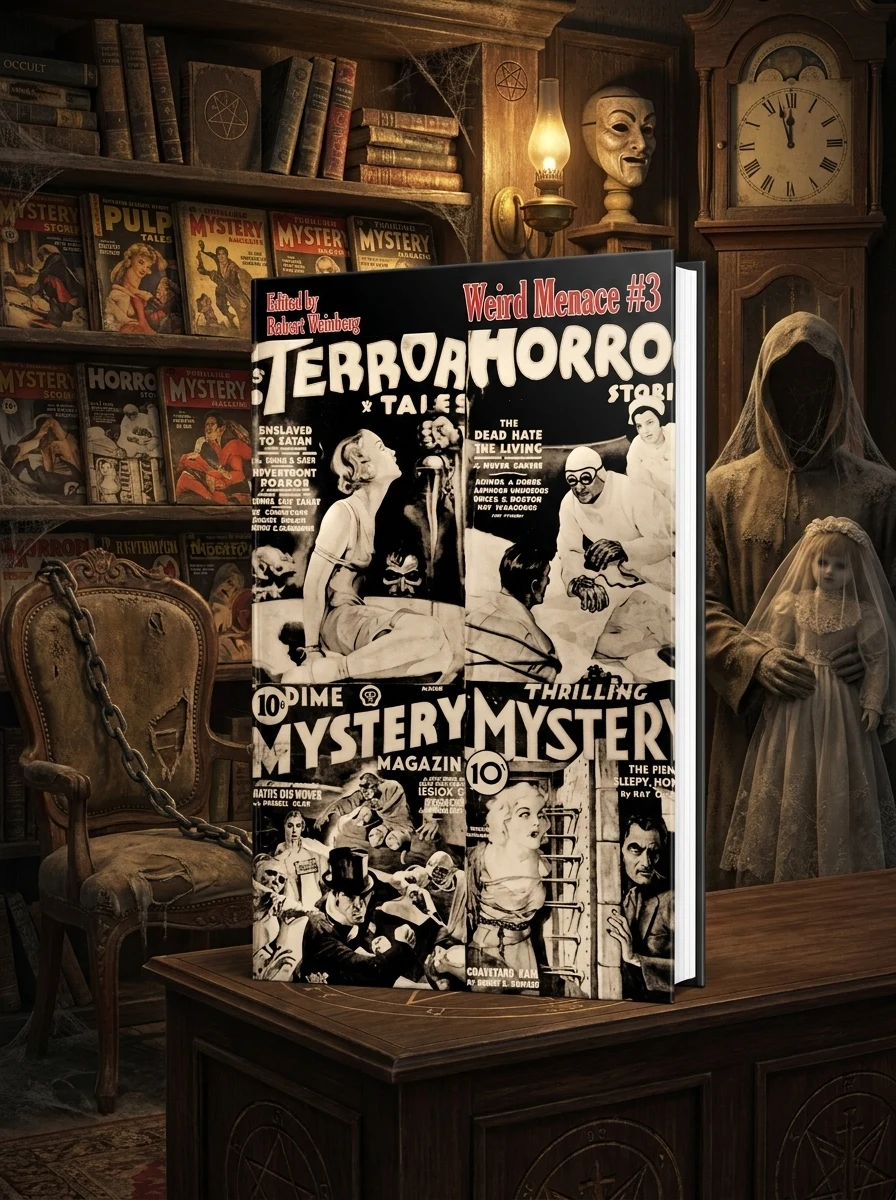
Weird Menace # 3: The Chair Where Terror SAT
A collection of rare weird menace pulp stories compiled by Robert Weinberg.
Weinberg curates four specific tales from the weird menace pulp era, including two by Arthur J. Burks. The book preserves the original text of stories like Brides of the Dust Demon and Satan Calls His Children. It offers a direct look at the genre's conventions without modern interpretation. Fans of vintage horror will find value in these rare reprints.
This volume was published by Wildside Press on November thirtieth, two thousand and eleven. It reprints material from the weird menace pulp tradition, a specific period of American horror publishing known for its sensationalist style and supernatural themes.


📝 Description: Weird Menace # 3: The Chair Where Terror SAT
💎 Our verdict on Weird Menace # 3: The Chair Where Terror SAT
📖 Why choose it
Why this book is worth reading
Collectors and enthusiasts of vintage horror will find significant value in this curated collection, which gathers rare reprints that define the weird menace genre. The book appeals to those who appreciate the specific tropes and archaic pacing of early twentieth-century fiction, providing a genuine glimpse into pulp traditions. By including multiple tales by Arthur J. Burks alongside works by Paul Ernst and Arthur Leo Zagat, it highlights the stylistic unity of the period. This volume is ideal for readers seeking authentic pulp thrills rather than modern literary analysis or psychological depth. It preserves the original text faithfully, allowing new audiences to experience these narratives exactly as they were intended, without contemporary commentary altering the historical context.
⭐ Reader reviews
Reader rating
Robert Weinberg’s compilation delivers a faithful representation of the weird menace pulps, prioritizing the preservation of original texts over modern adaptation. The inclusion of Arthur J. Burks’ titular story alongside contributions from Paul Ernst and Arthur Leo Zagat offers a cohesive look at the genre’s defining characteristics. While the pacing and style may feel archaic to those accustomed to contemporary psychological horror or literary fiction, this is precisely its strength for niche audiences. The book succeeds as a direct archive, avoiding unnecessary rewriting of history while highlighting stylistic similarities among authors. It is best suited for collectors and fans who value the raw, unfiltered nature of early horror publications and wish to explore these rare works in their authentic form.
📖 Read on the blog
✍️ More books by this author Robert Weinberg


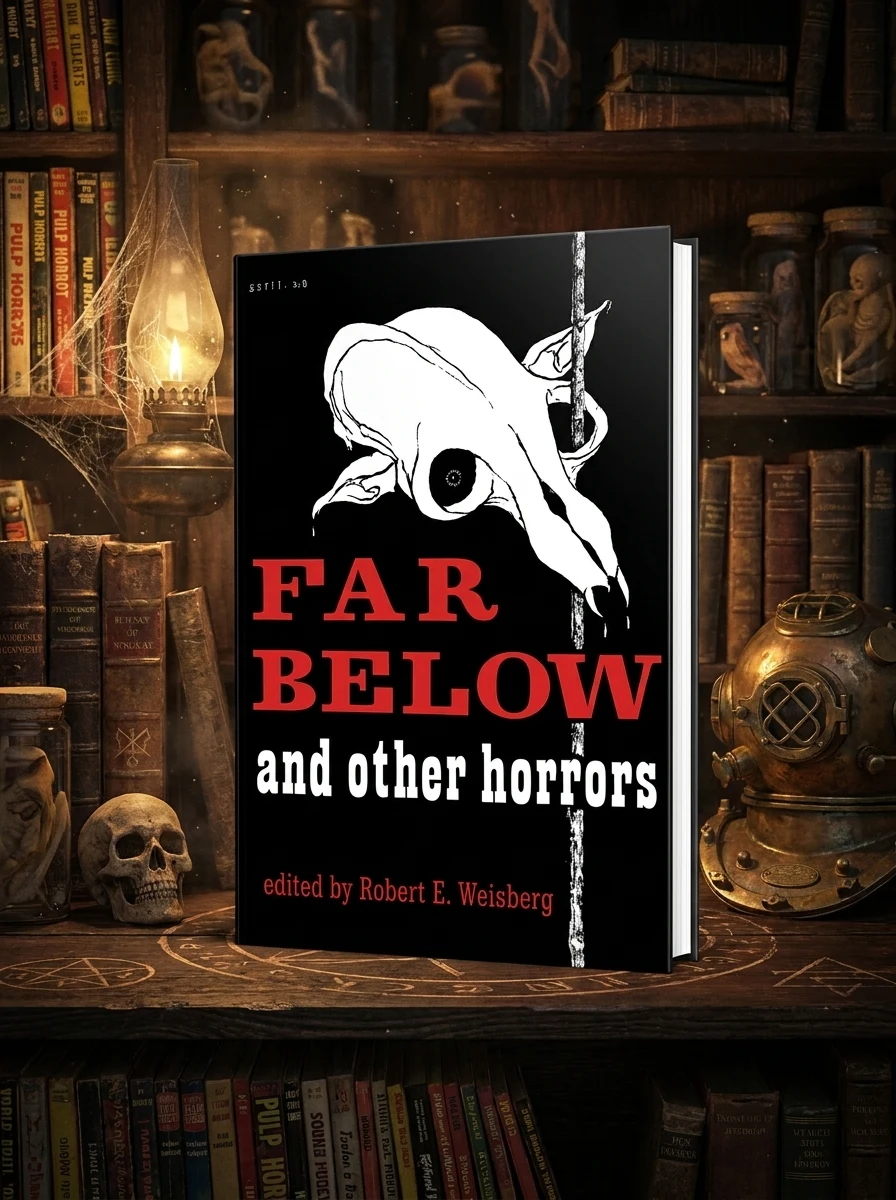
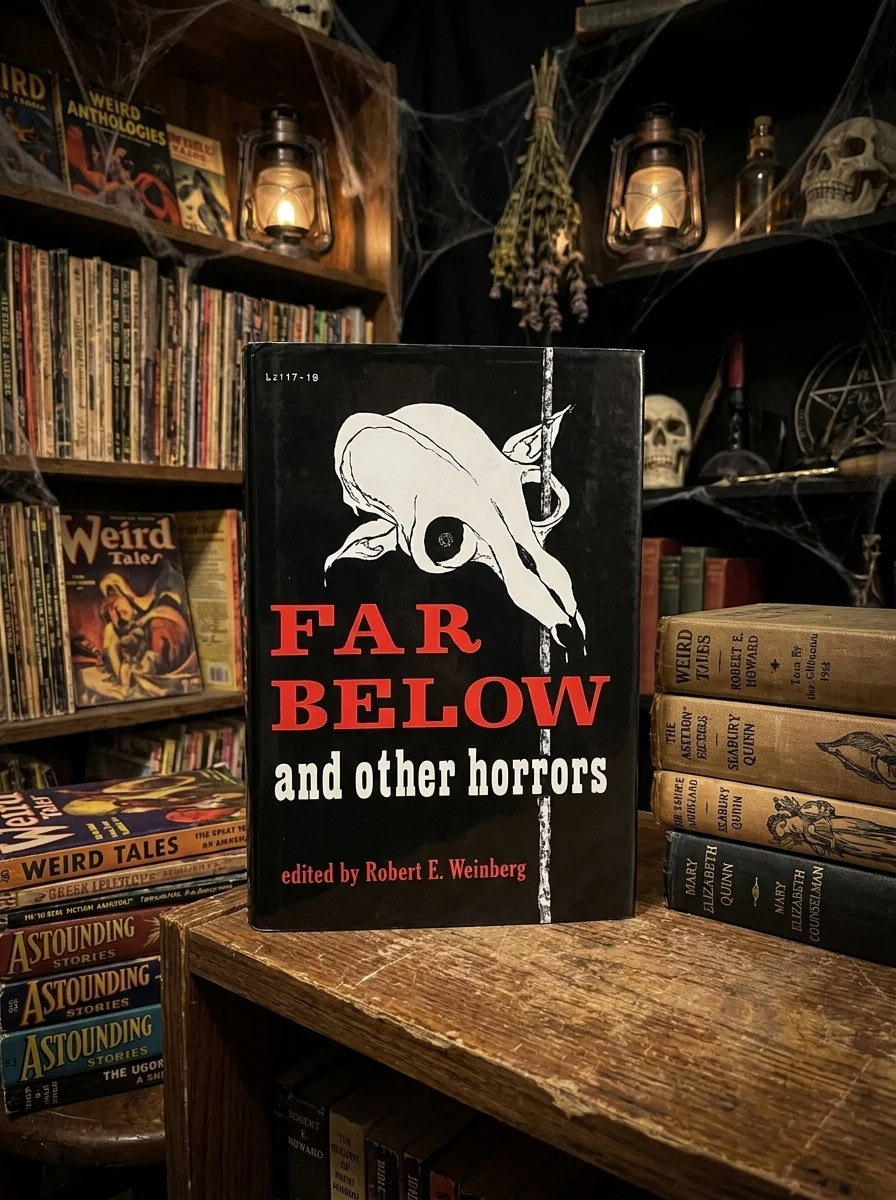
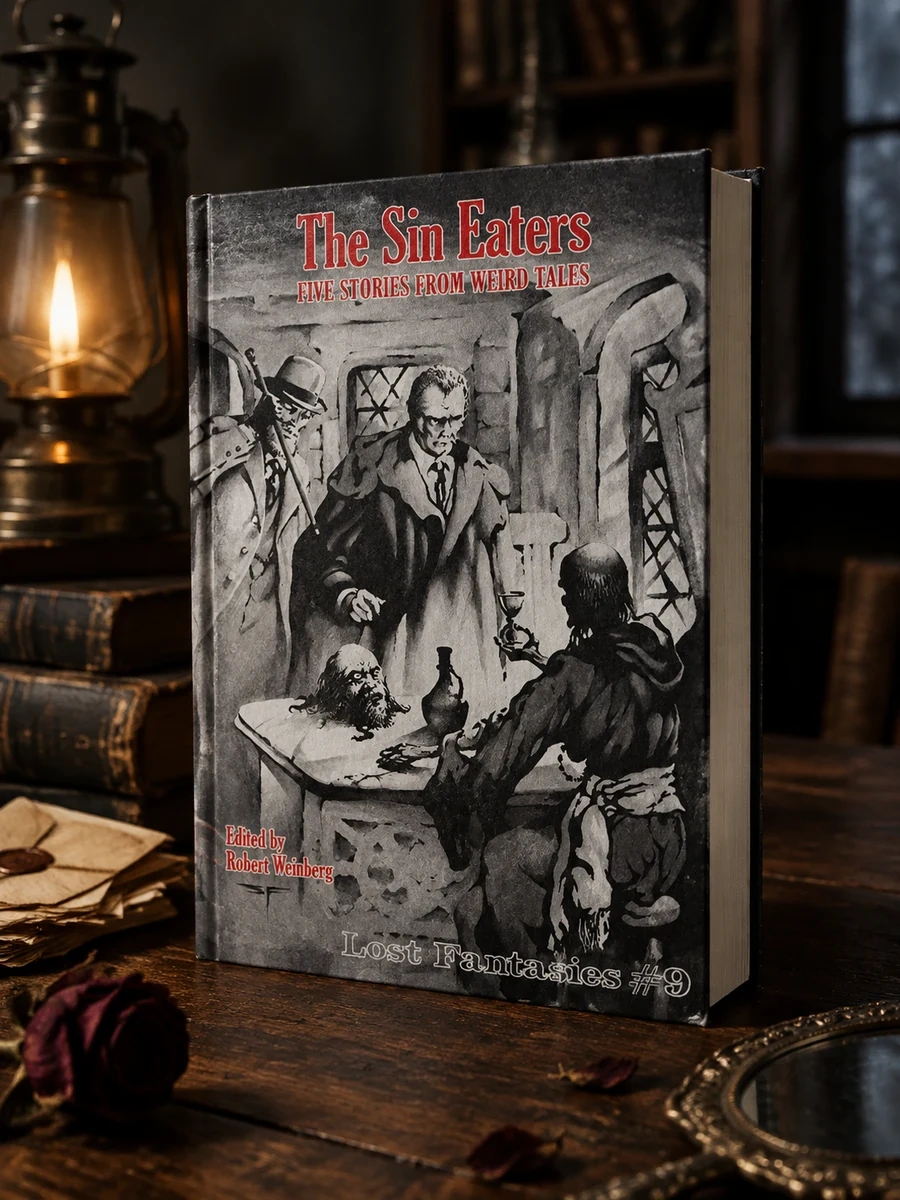
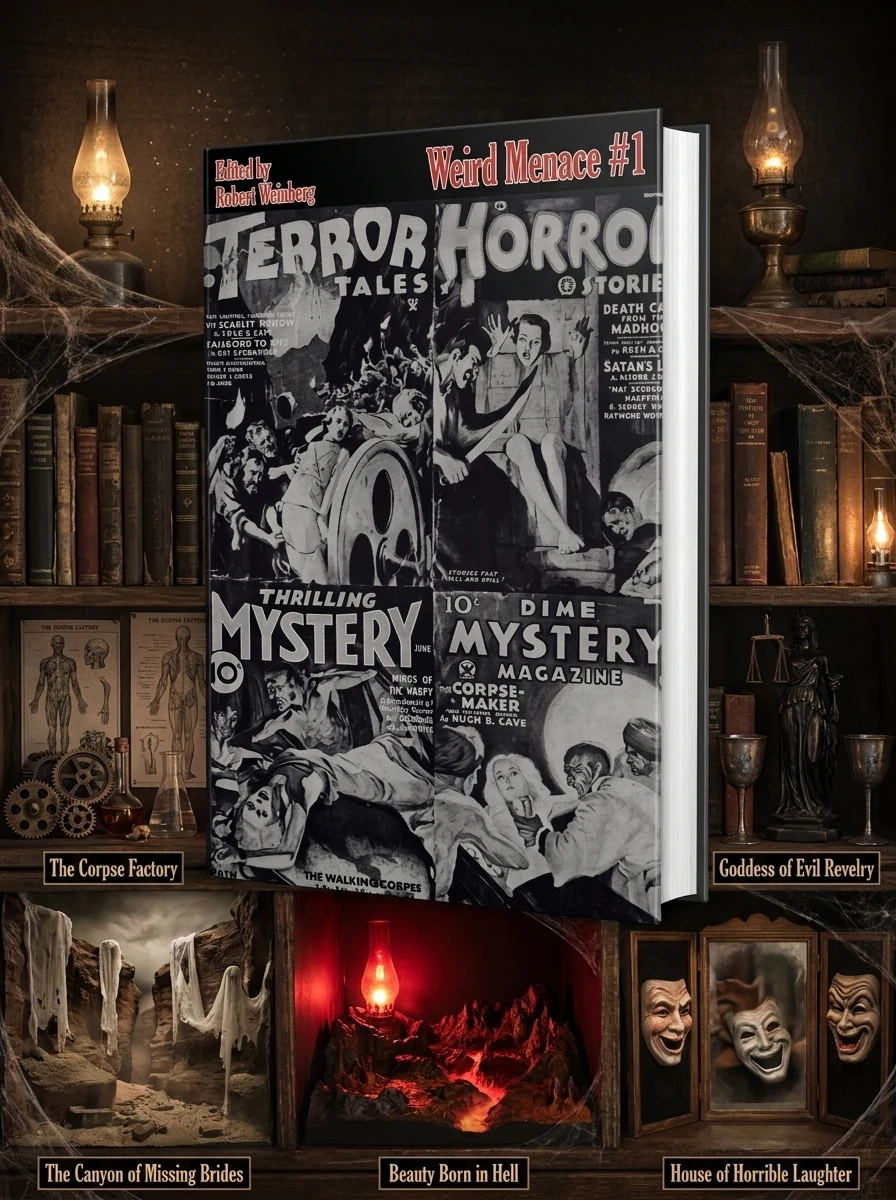
🏛 Books from this publisher Wildside Press

You might also like
See more →


Have a question about this item?
Ask about the edition, condition, delivery or anything else — we reply by email or phone, usually within a day.
