
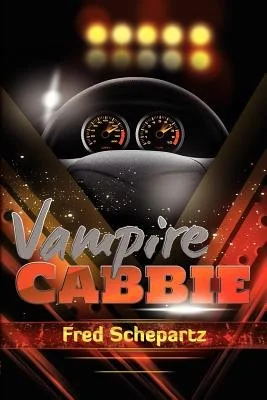
Vampire Cabbie
A fallen vampire drives a cab in Wisconsin to survive financial ruin.
Al Farkus transitions from fabulously wealthy vampire to desperate cab driver after the 1987 crash ruins his finances. He moves to Madison, Wisconsin, expecting a university lab job that never materializes. Forced to apply for work at a cooperative cab company, he faces the humiliation of interviews and subordinate status. The plot revolves around his nightly shifts dealing with difficult passengers and violent individuals. Schepartz uses this premise to explore themes of class disparity and the loss of aristocratic privilege. The narrative avoids traditional vampire hunting tropes, focusing instead on the bureaucratic and social challenges of gig economy work from a supernatural perspective. This approach offers a fresh take on the genre by grounding magical beings in economic reality.
The story is set in Madison, Wisconsin, reflecting early 2010s anxieties about economic instability and the gig economy. It draws on the tradition of urban fantasy by placing supernatural creatures in modern American cities, contrasting their ancient nature with contemporary bureaucratic struggles.


📝 Description: Vampire Cabbie
💎 Our verdict on Vampire Cabbie
📖 Why choose it
Why this book is worth reading
Readers who appreciate darkly comedic urban fantasy will find this book highly engaging due to its unique premise of a fallen aristocrat navigating the humiliation of subordinate status. It offers a refreshing departure from traditional vampire hunting tropes, focusing instead on bureaucratic challenges and class disparity. Those who enjoy character-driven humor over serious gothic atmospheres will benefit from the absurdity of Al’s situation. The narrative provides a fresh perspective on economic reality through a supernatural lens, making it ideal for fans of workplace satire mixed with mild horror elements who seek entertainment rather than complex mythological lore.
⭐ Reader reviews
Reader rating
Schepartz delivers a witty exploration of lost privilege through the eyes of Al Farkus, a vampire forced into cab work after financial ruin. The strength lies in its avoidance of standard genre clichés, replacing them with the visceral stress of interviews and difficult passengers. This approach highlights the absurdity of modern employment, offering sharp social commentary wrapped in supernatural fiction. It suits readers seeking light horror and satire rather than deep dread. While it lacks traditional gothic weight, its focus on dignity and economic struggle creates a compelling, humorous narrative that redefines what a vampire story can be.
You might also like
See more →






Have a question about this item?
Ask about the edition, condition, delivery or anything else — we reply by email or phone, usually within a day.
