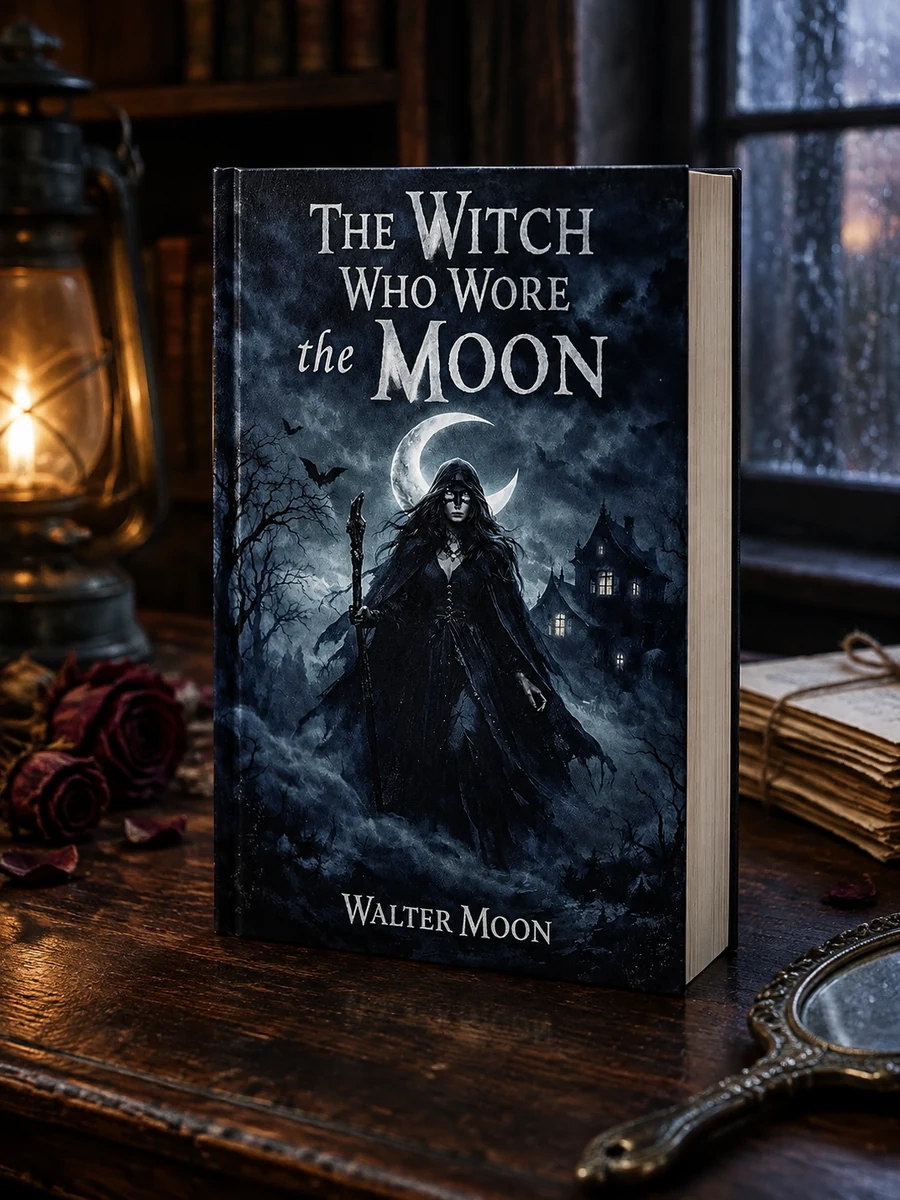
The Witch Who Wore the Moon
A woman inherits a cursed locket that forces her to act as her malevolent ancestor.
The narrative centers on Mariya’s struggle against Elara Vestia, who uses a silver moon-shaped locket to control Mariya’s physical actions. This possession occurs in Blackwater Bay, where the community’s fear turns to aggression. The plot hinges on the conflict between Mariya’s will and the ancestor’s brutal rituals. Moon explores the theme of ancestral guilt through the lens of supernatural coercion. The story does not offer easy escapes from the past. It presents a grim view of how history can consume the present. The resolution requires a sacrifice that threatens Mariya’s very existence.
This work sits within the tradition of American gothic fiction, specifically focusing on coastal isolation and folk horror elements. It draws on the trope of the cursed inheritance found in late 20th-century supernatural thrillers. The setting of Blackwater Bay reflects classic isolated community dynamics where fear drives collective action.


📝 Description: The Witch Who Wore the Moon
💎 Our verdict on The Witch Who Wore the Moon
📖 Why choose it
Why this book is worth reading
Readers who enjoy psychological horror and tales of dark lineage will find this compelling. The narrative offers a grim view of how history can consume the present, exploring the loss of bodily autonomy through supernatural coercion. Those interested in the weight of familial curses and the tension between individual will and ancestral duty will appreciate the intense conflict. However, the story does not offer easy escapes from the past, presenting an ambiguous ending that may unsettle those seeking lighthearted adventure or clear resolutions. It is best suited for audiences willing to engage with complex themes of ancestral guilt and survival against malevolent forces.
⭐ Reader reviews
Reader rating
Walter Moon crafts a tense narrative focusing on the terrifying loss of bodily autonomy in Blackwater Bay. The story effectively examines how isolation amplifies community paranoia, turning suspicion into violent hatred as Mariya struggles against her ancestor Elara Vestia. The plot hinges on the conflict between will and brutal rituals, creating a gripping atmosphere of dread. Moon explores ancestral guilt through supernatural coercion without offering easy resolutions. Readers who appreciate gothic traditions of inherited sin will find this compelling. However, those seeking lighthearted adventure may feel unsettled by the ambiguous ending. It is a strong choice for fans of dark fantasy and true psychological horror who enjoy grim, unresolved tales.
📖 Read on the blog
✍️ More books by this author Walter Moon
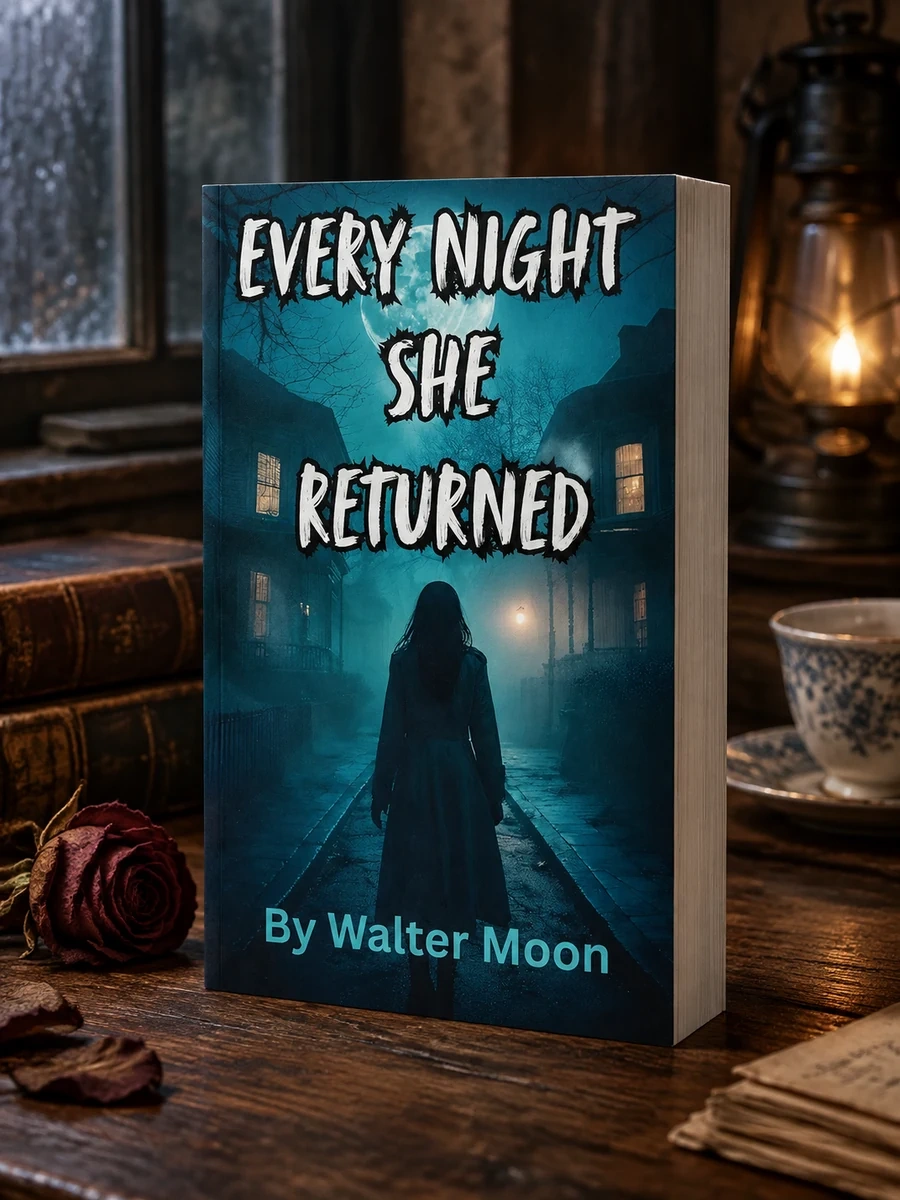


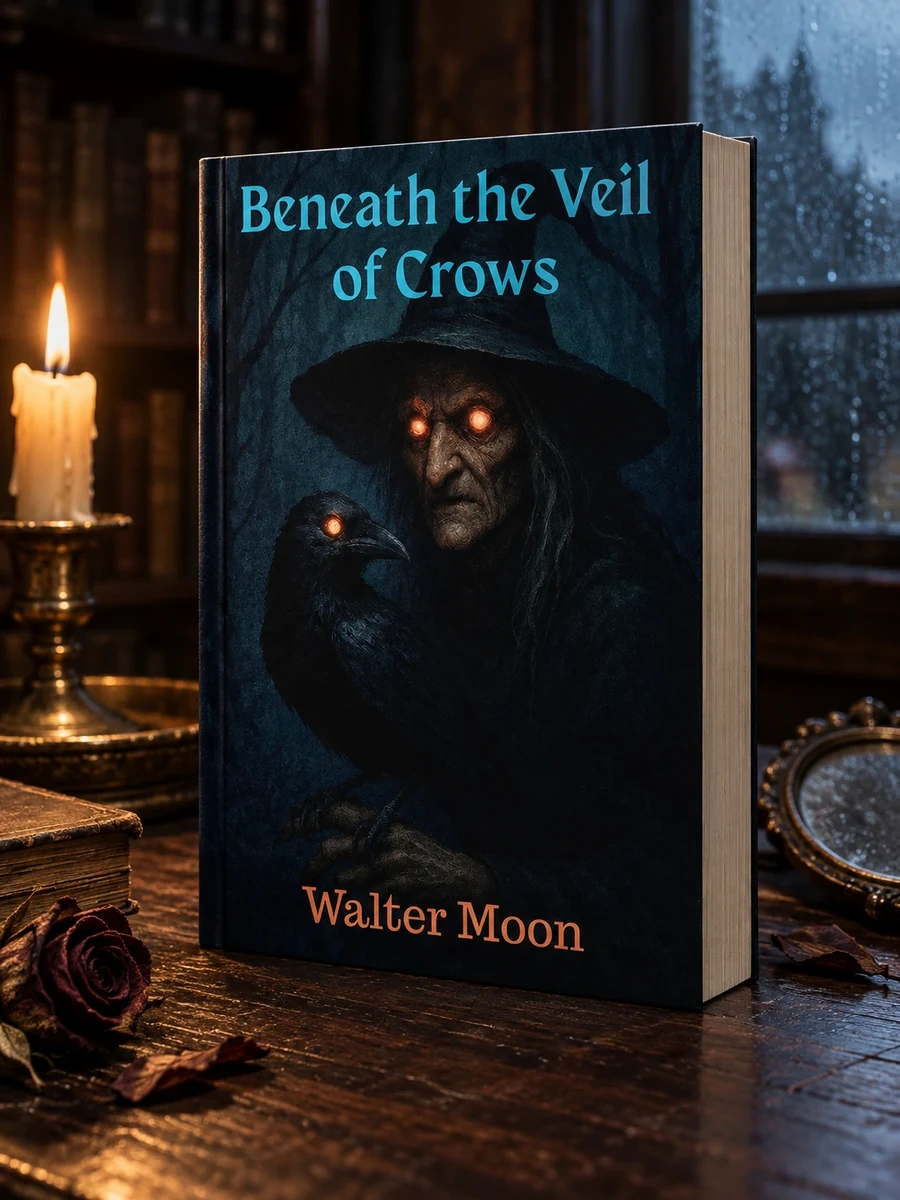
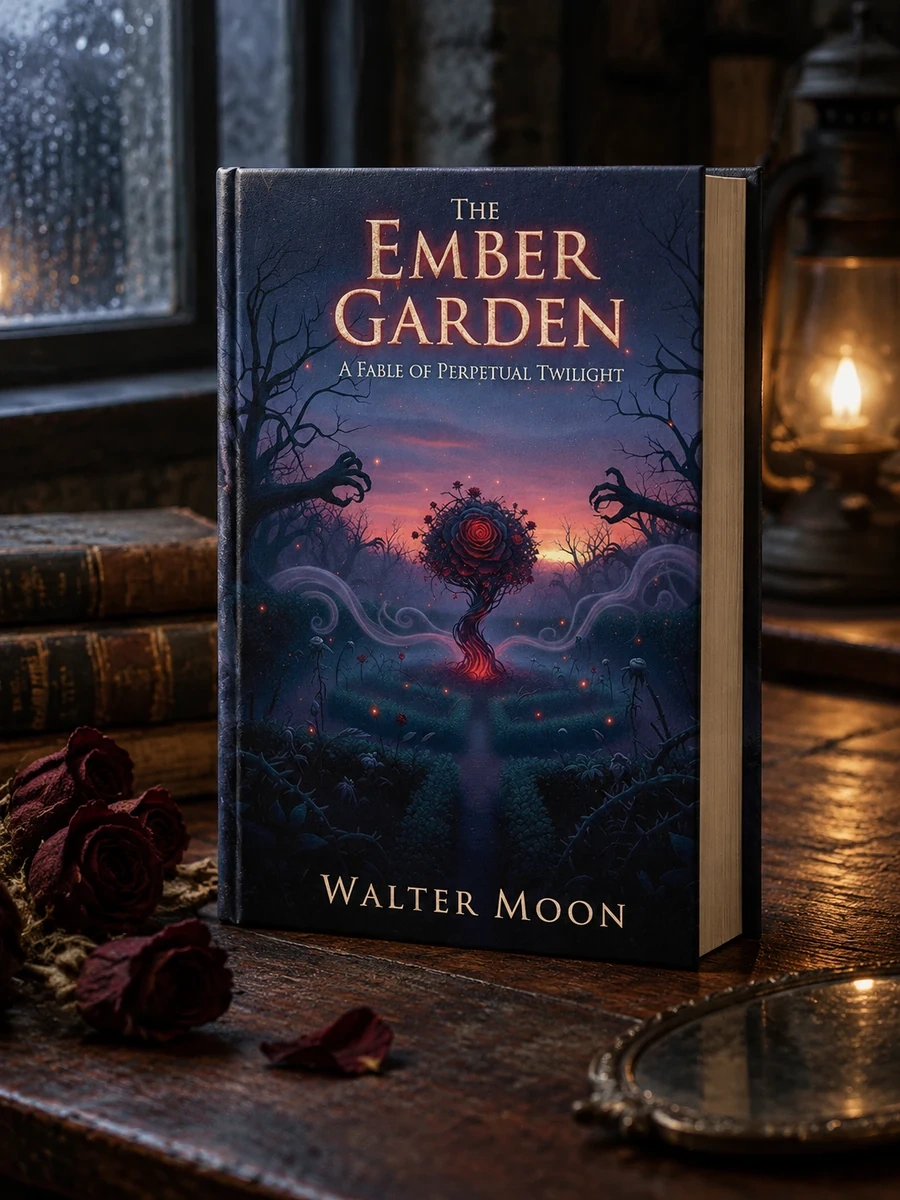
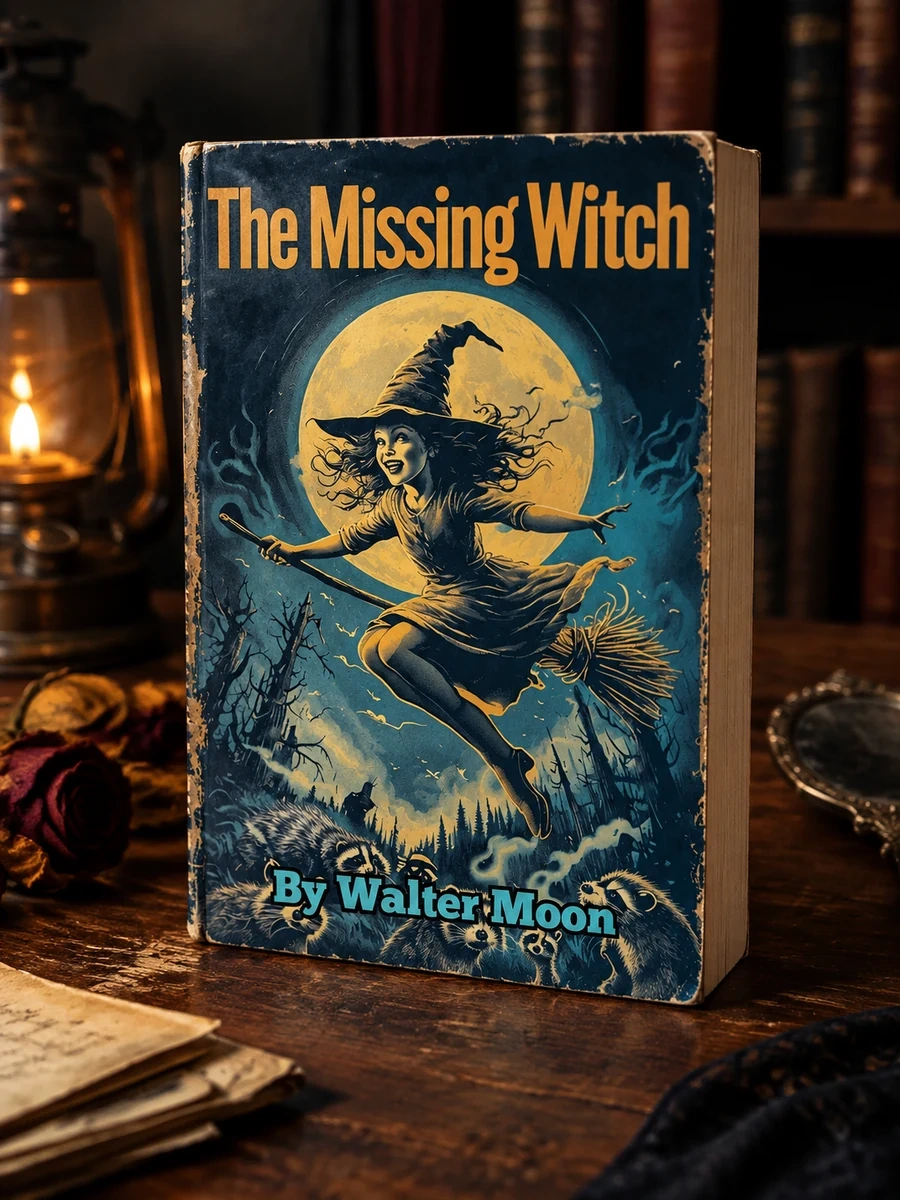

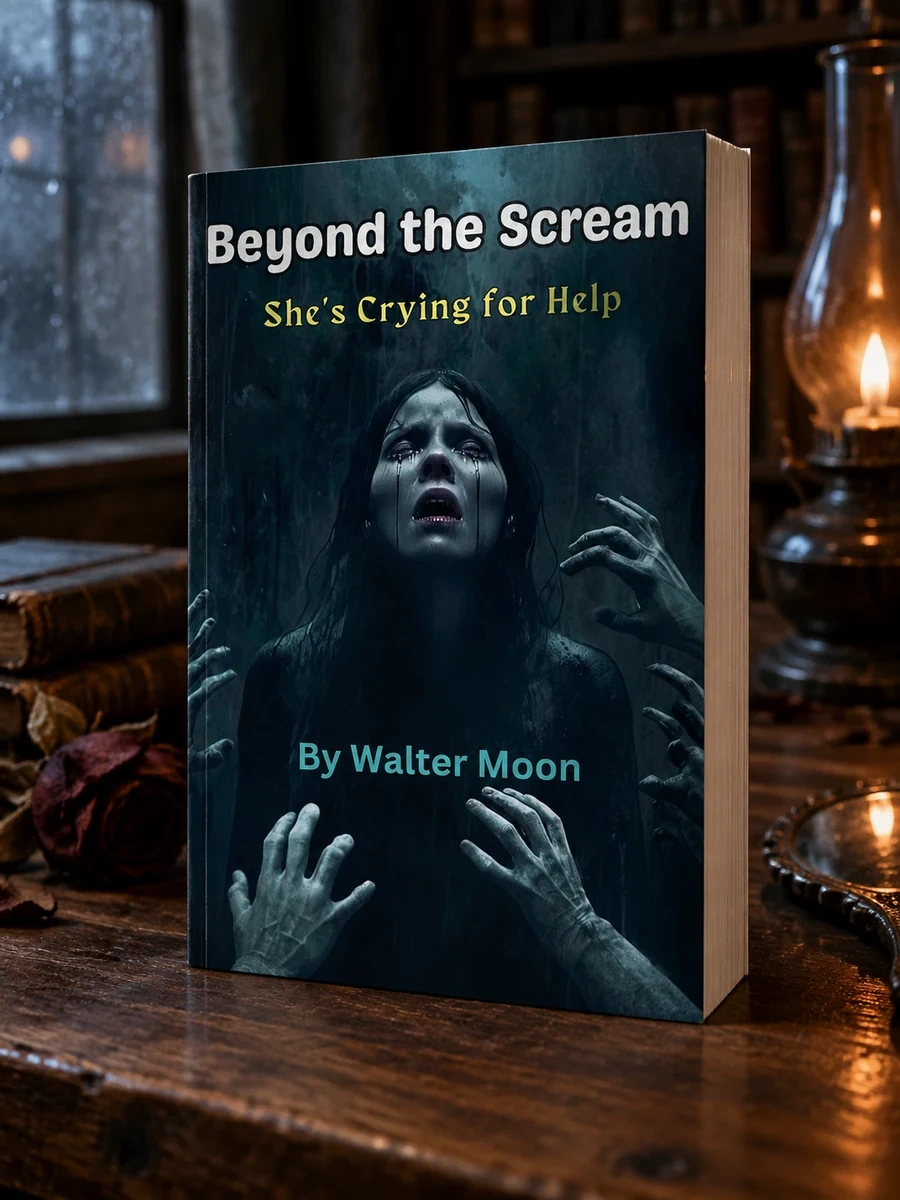
🏛 Books from this publisher Walter Moon
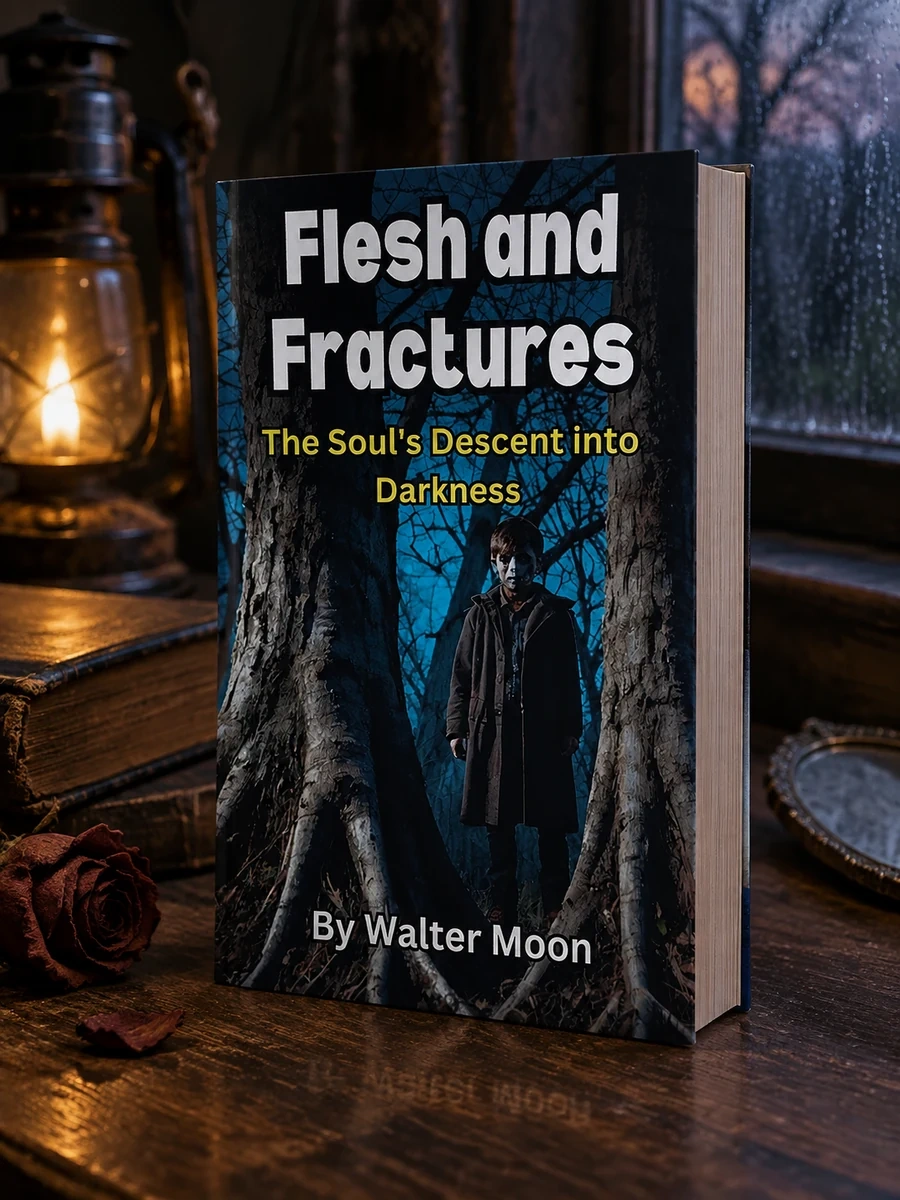
You might also like
See more →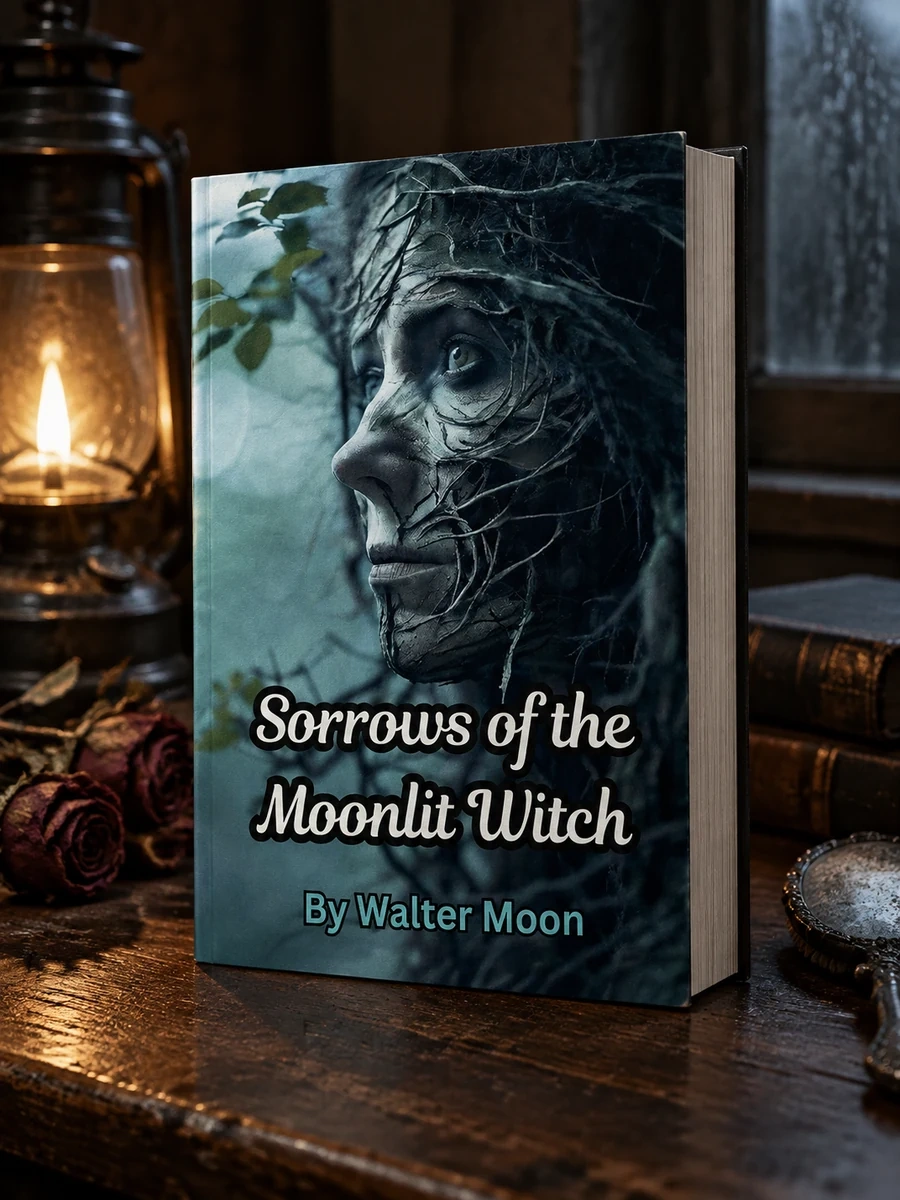


Have a question about this item?
Ask about the edition, condition, delivery or anything else — we reply by email or phone, usually within a day.
