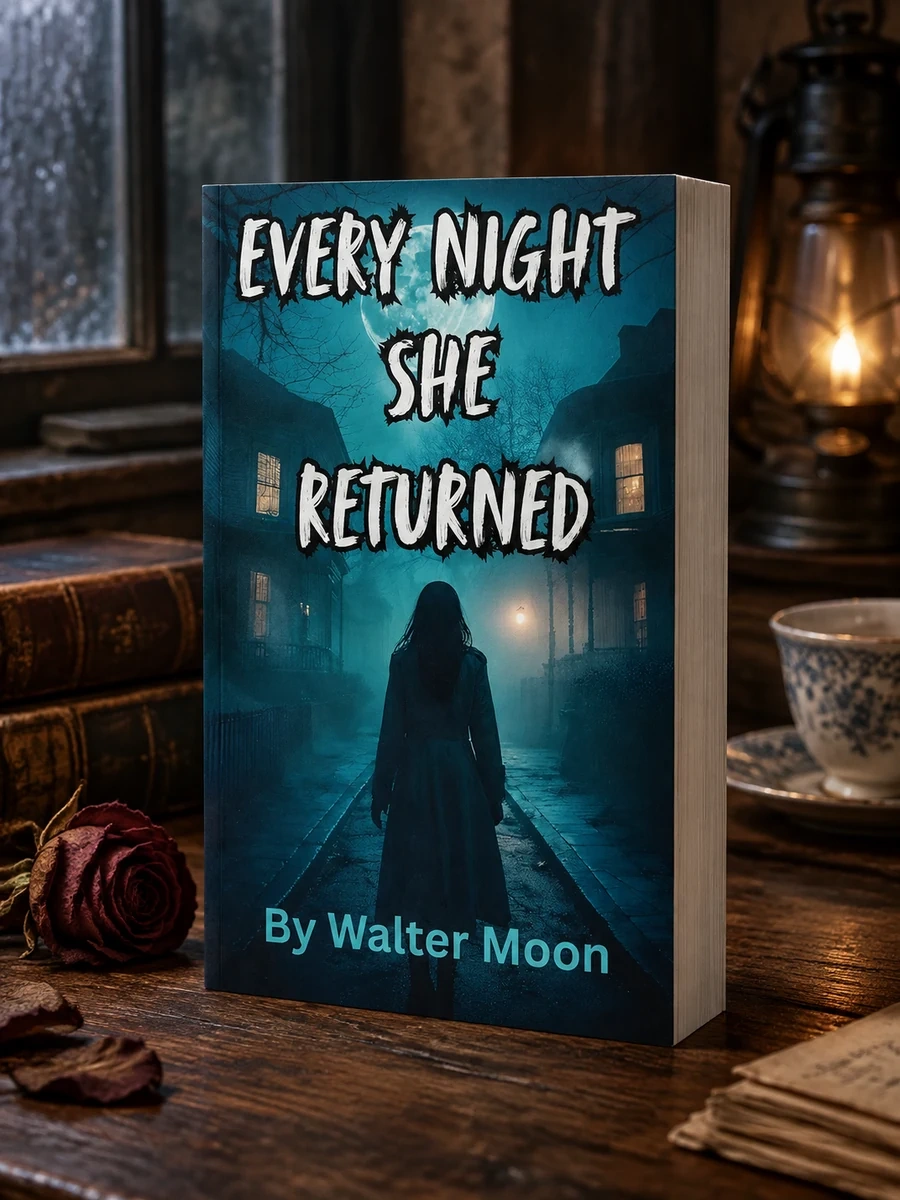
Every Night She Returned
A cartographer battles his drowned fiancée's nightly returns in this gothic thriller.
Moon utilizes the perspective of a professional mapper to ground the supernatural elements in reality. Gideon Cross uses his skills to analyze the impossible occurrences at his lighthouse. The plot progresses through his investigation of altered charts and hidden photographs. These artifacts point toward a conspiracy that blurs the line between mental illness and external threat. The tension builds as the boundary between day and night dissolves for the protagonist. He faces pressure from both a security chief and a neurologist while trying to understand Mara's return. The story does not offer easy answers but rather focuses on the psychological toll of loss.
This work sits within the American gothic tradition, specifically the subgenre of maritime horror. It draws on the period's fascination with the unknown depths of the Atlantic Ocean. The setting of an isolated cliffside lighthouse reinforces themes of confinement and isolation common in supernatural fiction.


📝 Description: Every Night She Returned
💎 Our verdict on Every Night She Returned
📖 Why choose it
Why this book is worth reading
Readers seeking a cerebral, atmospheric experience will find this book rewarding for its unique premise that grounds the supernatural in professional rigor. Gideon Cross’s use of cartography and data to analyze impossible events offers a fresh perspective on grief and loss. The narrative appeals to those who appreciate slow-burn tension over immediate action, focusing on the psychological toll of isolation and guilt. It is ideal for audiences who enjoy stories where the boundary between mental illness and external threat remains deliberately blurred. The cold, hard collision of scientific method with cosmic horror creates a distinct intellectual engagement, making it suitable for readers who prefer their horror rooted in reality’s fragile edges rather than monstrous spectacle.
⭐ Reader reviews
Reader rating
Moon delivers a compelling study of grief through the lens of maritime cartography, creating a claustrophobic atmosphere that suffocates the protagonist. The narrative excels in its use of professional detail to anchor supernatural elements, providing a unique texture to the horror. By focusing on altered charts and hidden photographs, the story builds tension through investigation rather than jump scares. This approach suits readers who enjoy high-concept psychological thrillers where the mind is the primary battlefield. The slow burn may frustrate those seeking fast-paced action or traditional monsters, but it rewards patience with a deep exploration of loss. The ambiguity regarding mental health versus conspiracy adds layers of complexity, ensuring the horror lingers long after the final page.
📖 Read on the blog
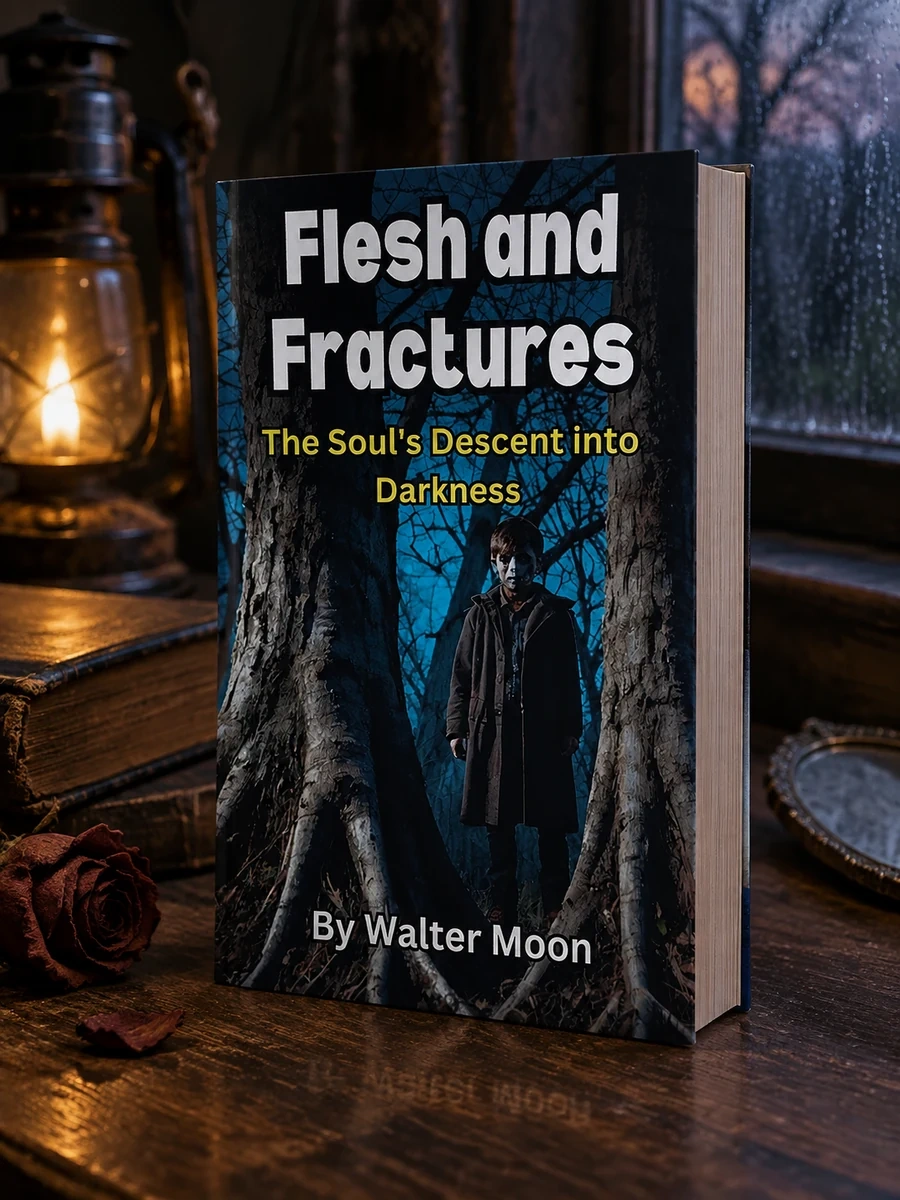
✍️ More books by this author Walter Moon






🏛 Books from this publisher Walter Moon
You might also like
See more →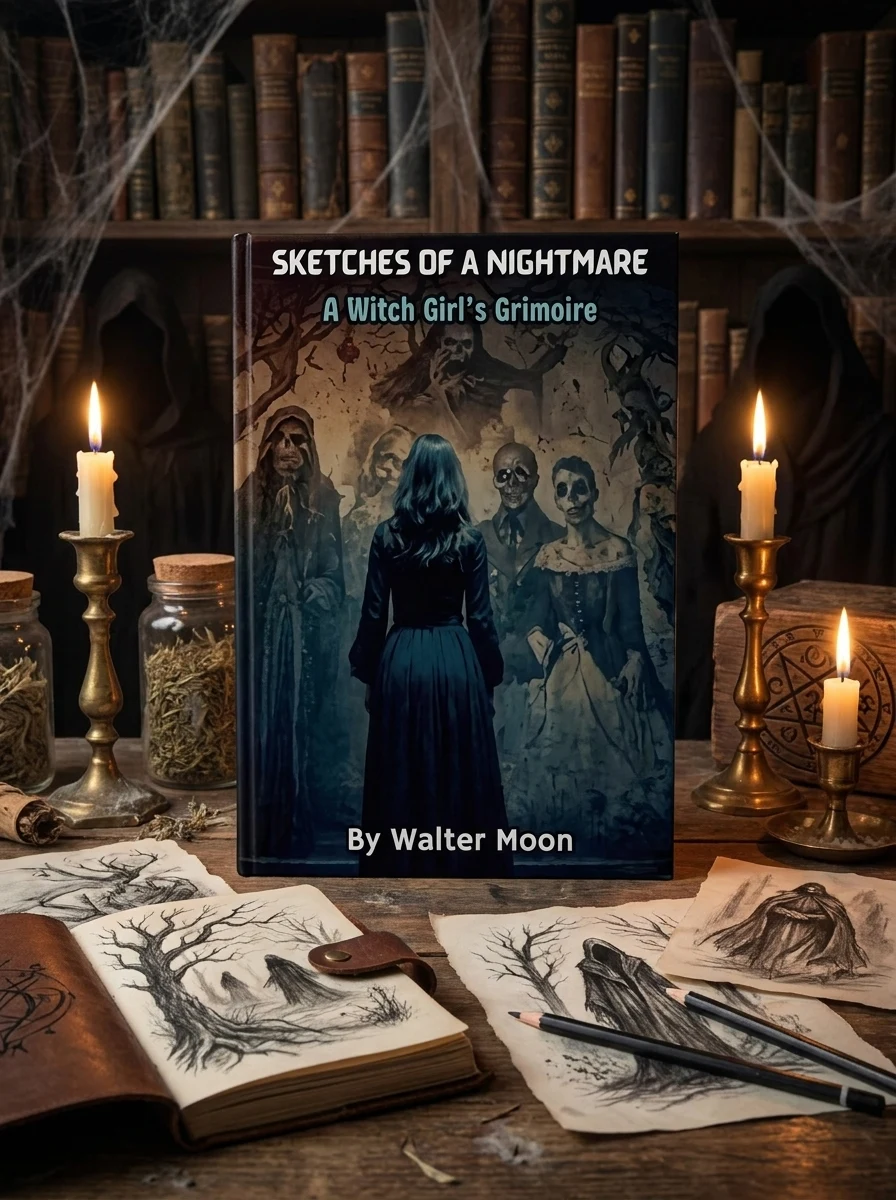



Have a question about this item?
Ask about the edition, condition, delivery or anything else — we reply by email or phone, usually within a day.
