The horror genre is often defined by its monsters: vampires, demons, restless spirits, and ancient cosmic entities. But true, paralyzing fear rarely requires the supernatural. Sometimes, all it takes is a charismatic stranger, a quiet farming town, and the slow, insidious erosion of personal boundaries. If you are looking for a definitive The Auctioneer Valancourt 20th Century Classics review, you are likely already intrigued by the reputation of Joan Samson's solitary novel. Published in 1975, just months before the author's tragic death from brain cancer, this book is a masterwork of creeping dread.
For decades, this novel lingered out of print, a whispered recommendation among hardcore horror collectors. Copies were scarce, changing hands for exorbitant prices at used bookstores. Thanks to Valancourt Books, a publisher dedicated to resurrecting lost literary gems, modern readers can finally experience this quiet nightmare in a high-quality physical edition. The story of Harlowe, New Hampshire, and the devastation wrought by a man named Perly Dunsmore is more relevant now than ever before. Let us explore exactly why this specific edition deserves a permanent spot on your physical shelf, followed by several more psychological horror novels that capture a similar sense of inescapable doom.
The Masterpiece Under Review
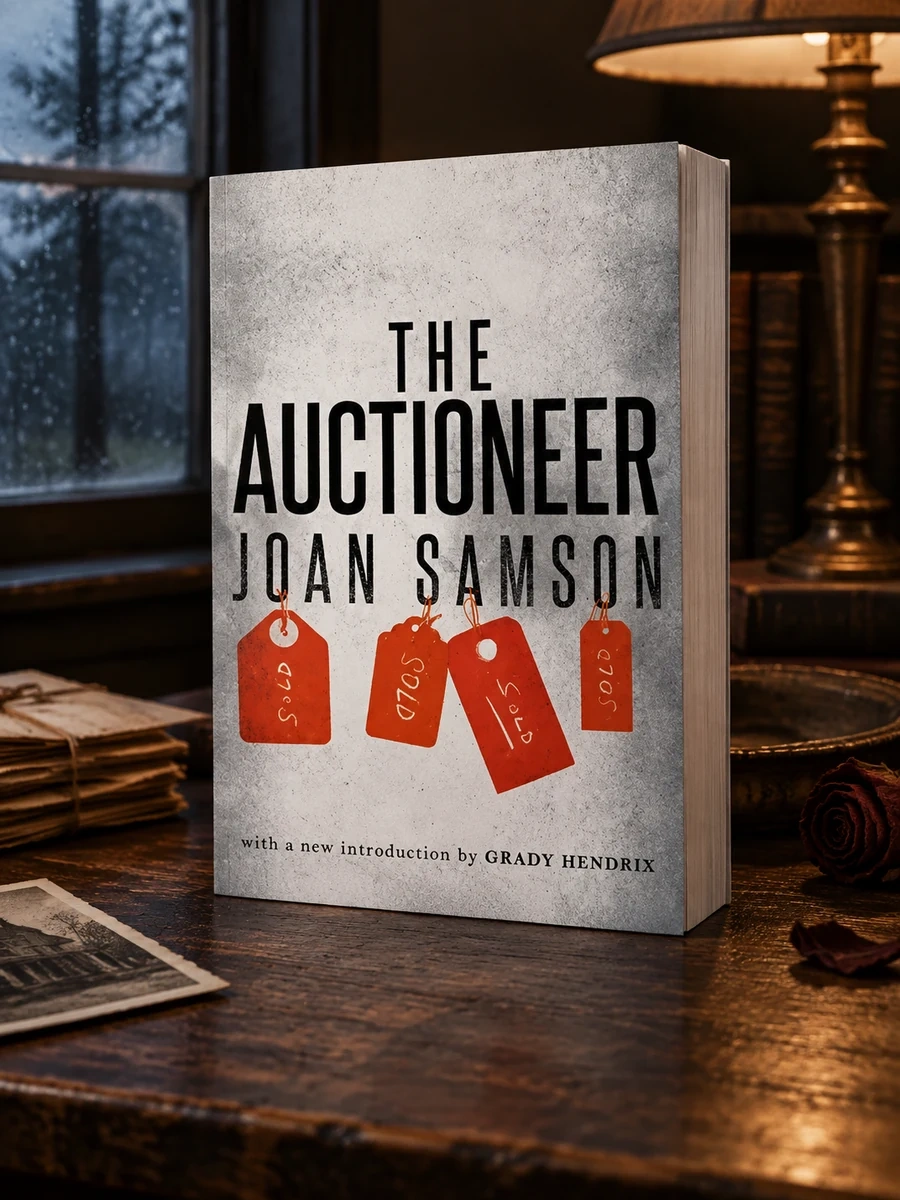
1. The Auctioneer (Valancourt 20th Century Classics) — Joan Samson
In The Auctioneer (Valancourt 20th Century Classics), we meet John Moore, a simple, hardworking farmer who lives on the same New Hampshire land his family has worked for generations. The town of Harlowe is isolated, set in its ways, and perfectly content in its quiet stagnation. Enter Perly Dunsmore, a charming, fast-talking auctioneer who moves to town and suggests holding a few local auctions to raise money for the police force. It begins innocuously enough. Residents donate junk from their attics and barns. But Perly is incredibly persuasive, and the police force slowly grows, becoming an intimidating, omnipresent force in the small town.
What makes Samson's writing so terrifying is the pacing. The horror does not announce itself with a jump scare; it tightens around the characters like a snare. Soon, Perly is not asking for attic junk. He is demanding family heirlooms, tractors, livestock, and eventually, the very land the townspeople live on. The residents comply, convincing themselves that they are doing it for the good of the community, or out of a desperate hope that if they just give a little more, Perly will finally be satisfied. He never is.
This novel is a brilliant, agonizing allegory for fascism, conformity, and the fragility of neighborly bonds. The tension is agonizingly drawn out. You will find yourself yelling at the pages, begging John Moore to fight back, to say no, to pick up a rifle and defend his home. But Samson expertly illustrates how ordinary, decent people can be boiled alive like frogs in a pot, paralyzed by social pressure and the fear of stepping out of line.
This Valancourt Books edition is an essential pickup for physical media collectors. Priced reasonably under $50, it features an insightful introduction by horror author Grady Hendrix, who provides vital historical context for Samson's life and the tragedy of her abbreviated career. The physical book itself is beautifully bound, boasting stark, evocative cover art that perfectly captures the desolate, autumnal dread of the story. Owning the Valancourt edition is not just about reading a great story; it is about preserving a vital piece of 20th-century horror history that was almost swallowed by time.
8 More Psychological Horror Novels to Read Next
If the creeping, claustrophobic dread of Harlowe left you hungry for more stories about isolated communities, psychological unraveling, and ordinary people facing impossible situations, the following books will easily satisfy that craving. They all explore the dark, unpredictable nature of the human mind under extreme duress.
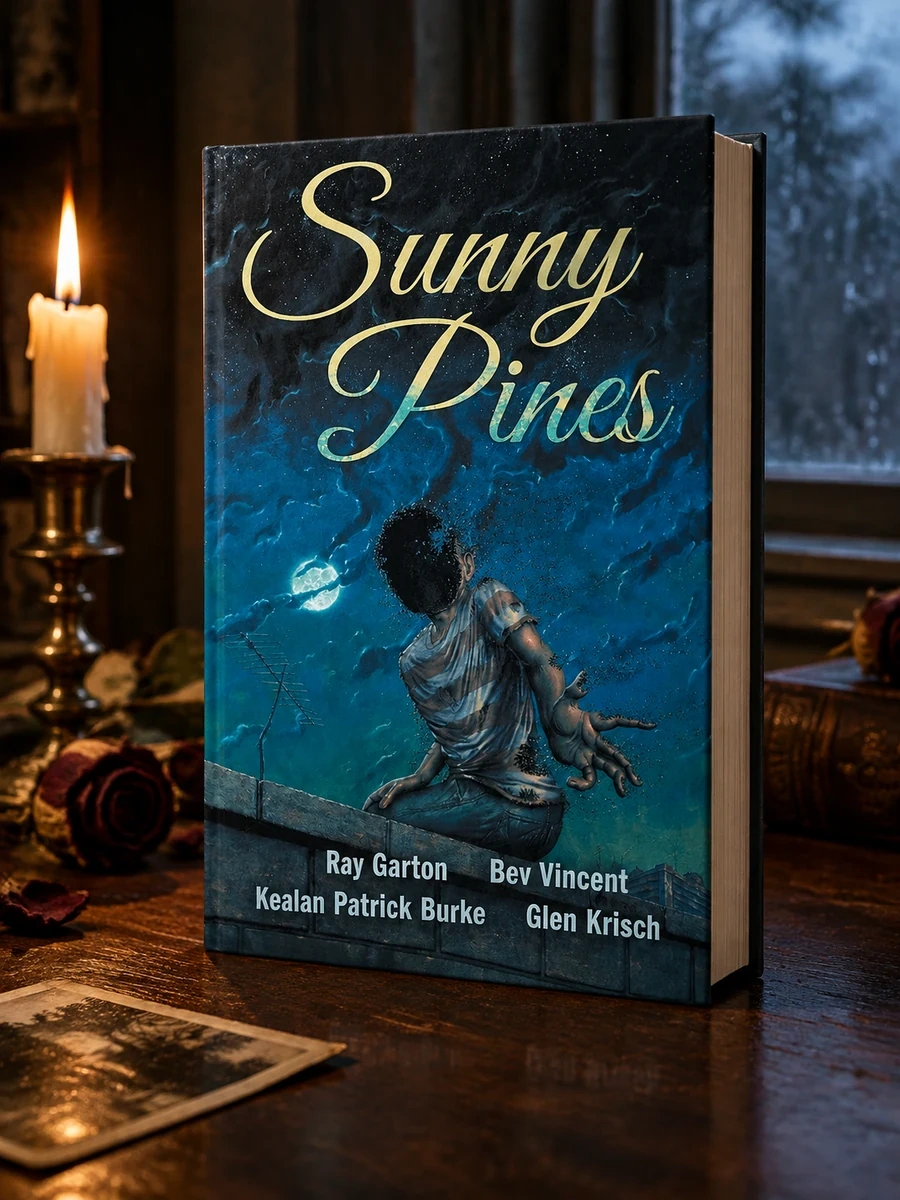
2. Sunny Pines — Kealan Patrick Burke
If you loved the insular, suffocating atmosphere of a town turning a blind eye to its own destruction, Sunny Pines is a mandatory read. Kealan Patrick Burke is a modern master of the quiet, melancholic horror story. Here, he constructs a community that feels idyllic on the surface but hides a rotten, decaying core.
Like the residents of Harlowe, the people in this novel are trapped by their circumstances and their secrets. Burke excels at writing deeply flawed, painfully human characters who realize too late that the sanctuary they sought is actually a cage. The dread builds slowly, focusing heavily on character psychology rather than immediate violence. It is a fantastic palate cleanser that maintains the small-town paranoia you want, available for well under $20.
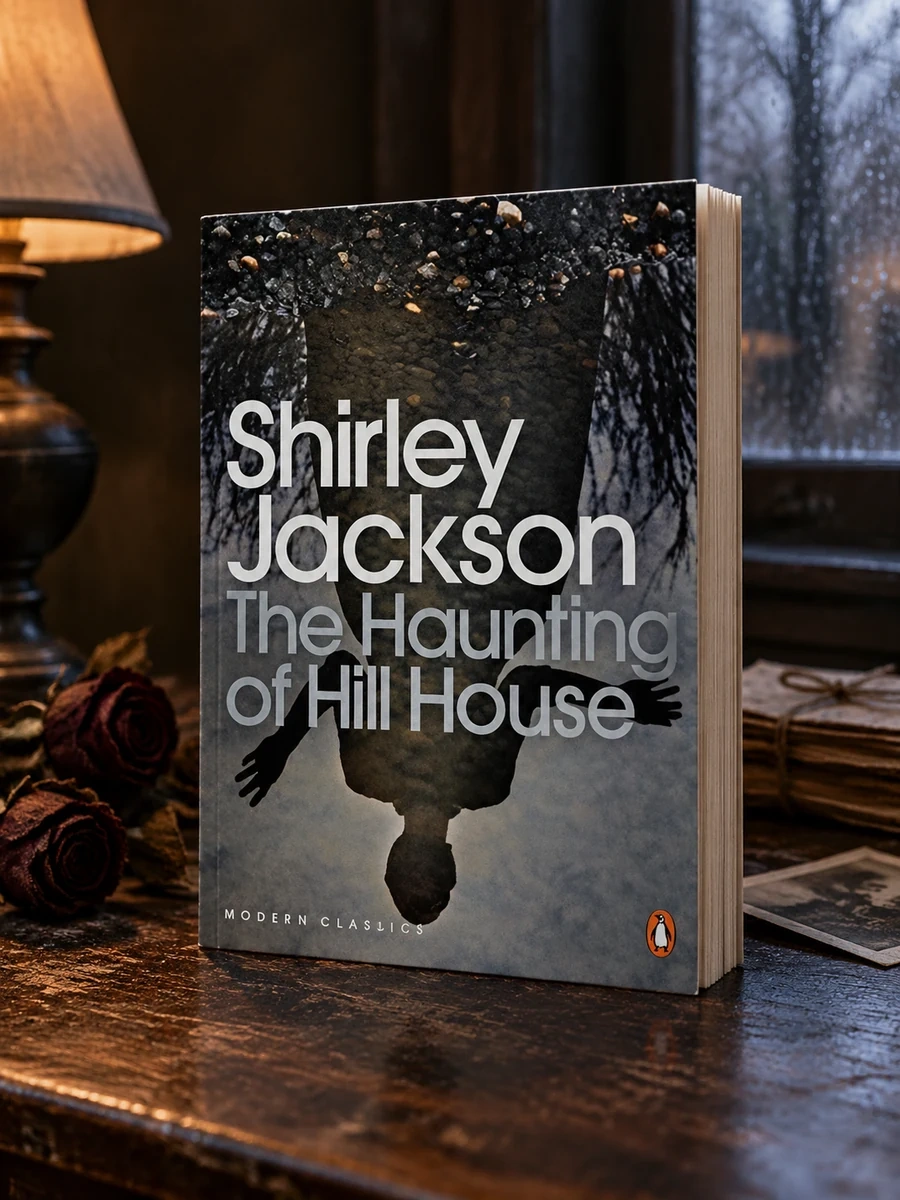
3. The Haunting of Hill House — Shirley Jackson
While Joan Samson focused on the horror of community, Shirley Jackson perfected the horror of isolation in The Haunting of Hill House. Though this is famously a haunted house novel, the true terror lies in the psychological disintegration of its protagonist, Eleanor Vance. Much like John Moore, Eleanor is a victim of manipulation, though her tormentor is a sentient, malevolent building rather than a silver-tongued auctioneer.
Jackson's prose is meticulously crafted, creating an atmosphere so thick with anxiety you can practically choke on it. The horror is entirely ambiguous—are the manifestations real, or are we simply witnessing a fragile mind cracking under the weight of lifelong trauma and gaslighting? It remains one of the finest psychological thrillers ever committed to paper, proving that the most terrifying monsters are often the ones hiding in our own peripheral vision.
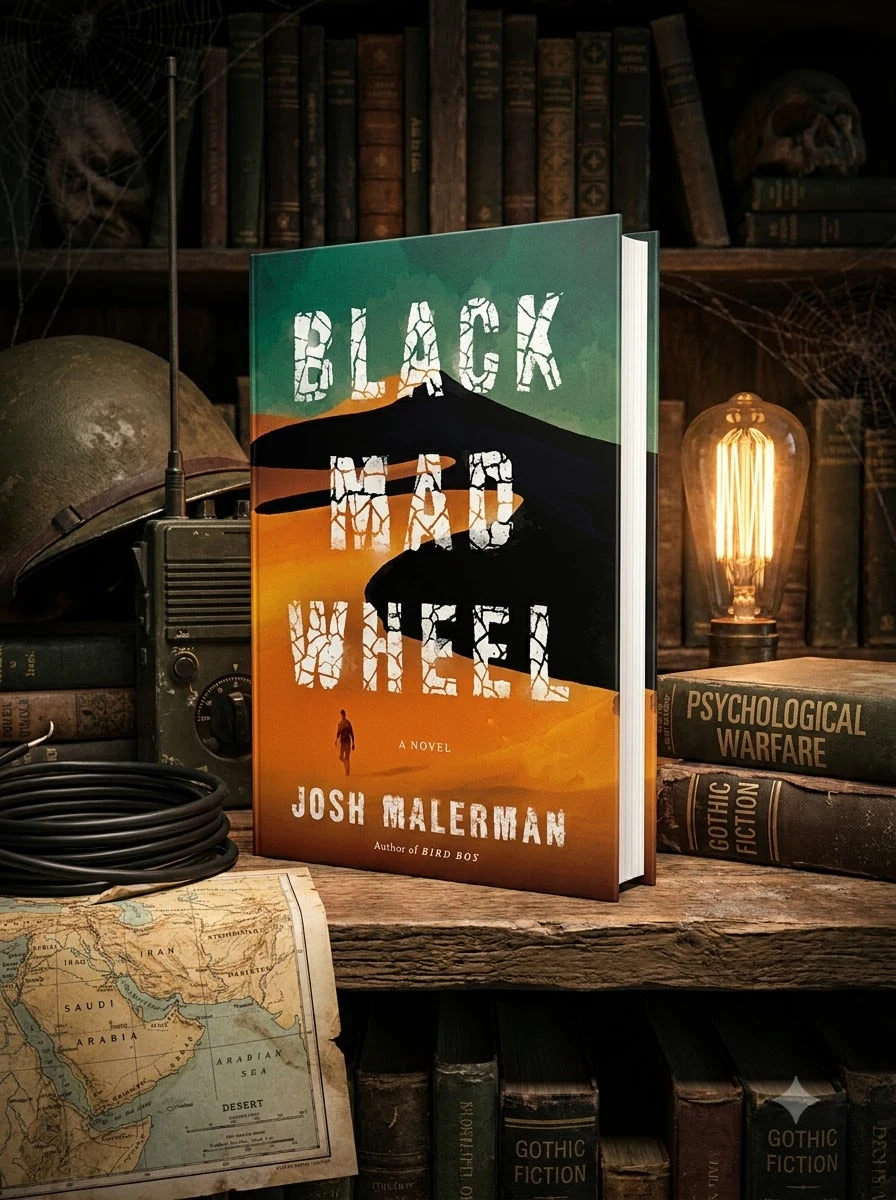
4. Black Mad Wheel — Josh Malerman
For those who appreciated the paranoia and the inescapable pressure applied by authority figures in Samson's work, Black Mad Wheel offers a distinctly different, yet equally oppressive, flavor of dread. Josh Malerman sends a rock band, recently recruited by the US military, into the African desert to track down the source of a mysterious, debilitating sound.
The horror here is sensory and psychological. Malerman isolates his characters in an unforgiving landscape, stripping away their defenses and forcing them to confront an invisible, incomprehensible threat. The pacing is relentless, and the themes of coercion, government overreach, and the surrender of autonomy echo the very best elements of 1970s paranoia thrillers. It is a wildly original concept that relies entirely on tension and atmosphere rather than gore.
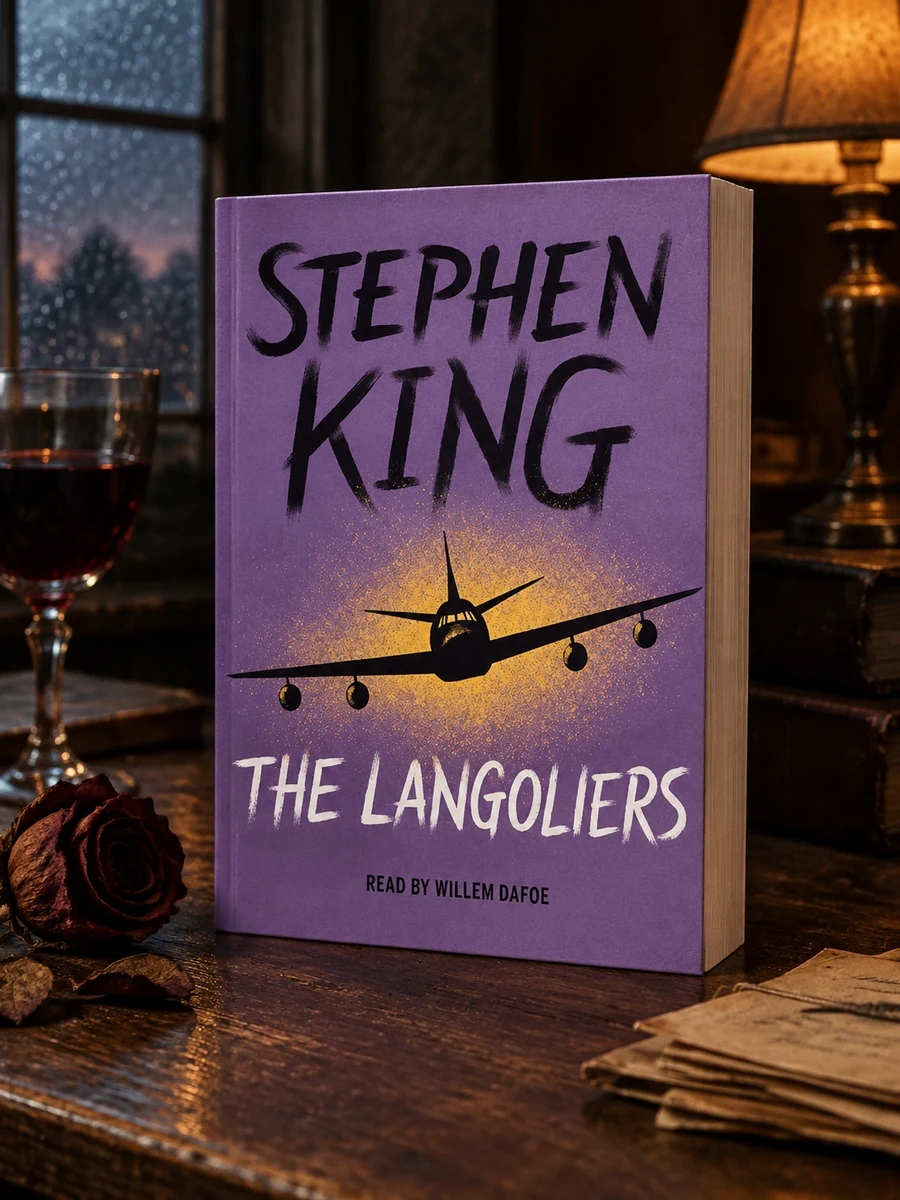
5. The Langoliers — Stephen King
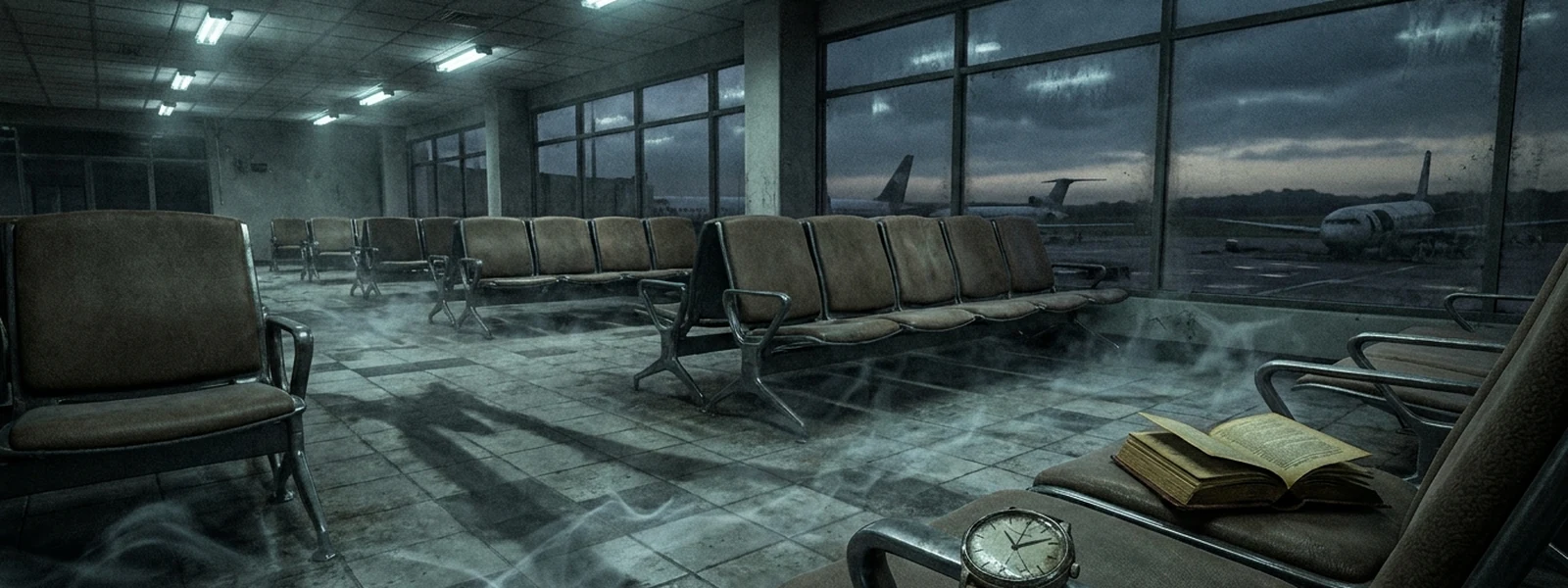
When discussing ordinary people stripped of their reality and forced to make impossible choices, we cannot ignore The Langoliers. Stephen King traps a handful of passengers on a red-eye flight that lands in an empty, decaying version of reality. The immediate threat is not a monster, but the creeping realization that the rules of physics and time no longer apply.
The brilliance of this novella lies in its group dynamics. As the situation grows increasingly dire, the passengers must manage their own clashing personalities, much like the townspeople of Harlowe trying to rationalize Perly's demands. One passenger in particular, a stressed-out executive named Craig Toomey, begins a psychological descent that is as thrilling to read as it is horrifying. It is a masterclass in escalating tension within a confined space.
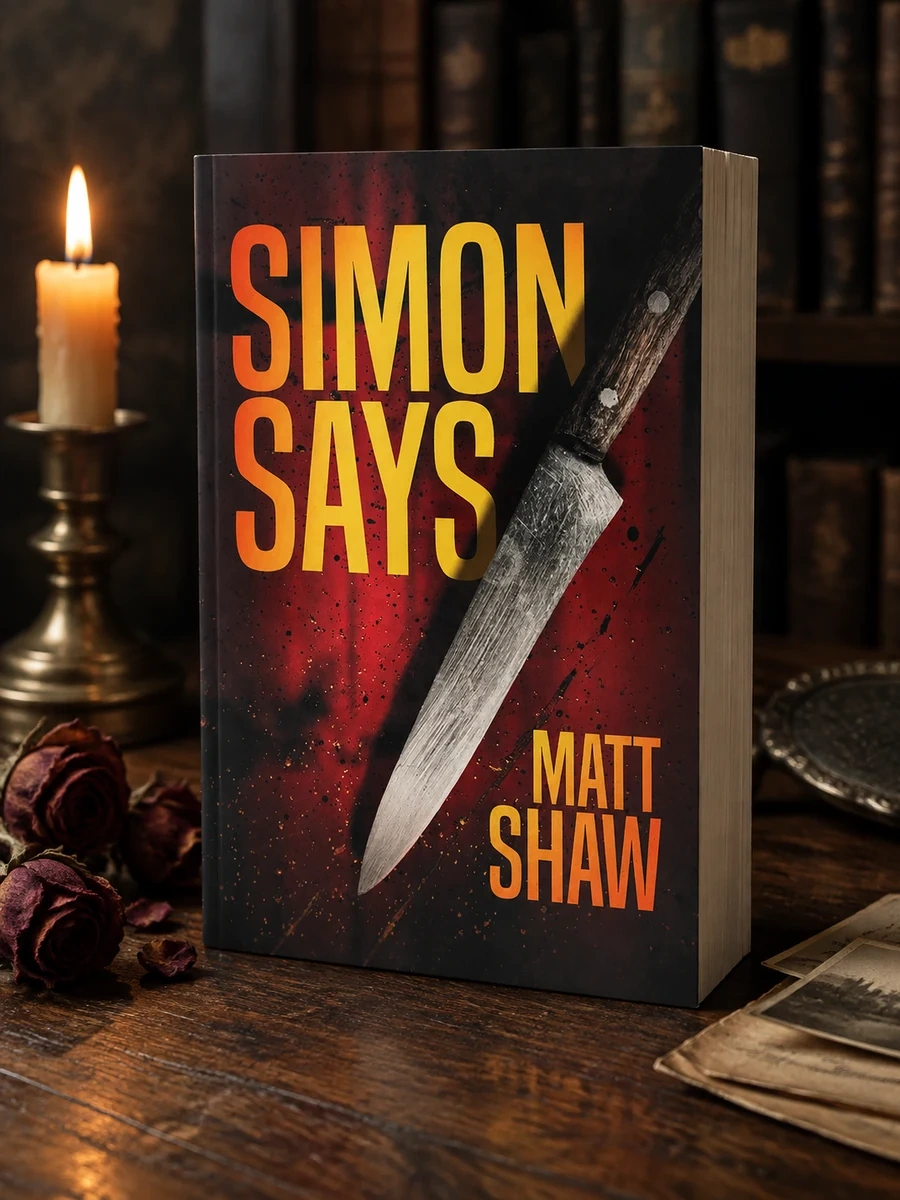
6. Simon Says: A Psychological Horror — Matt Shaw
Readers searching for an unyielding, intense psychological descent will find it in Simon Says: A Psychological Horror. Matt Shaw has built a reputation for crafting stories that test the limits of what a protagonist can endure. In this chilling narrative, the boundaries of reality and sanity are constantly questioned, leaving the reader just as off-balance as the characters.
Priced at just $12, this compact novel hits incredibly hard. The psychological manipulation mirrors the insidious tactics seen in Samson’s Harlowe, but Shaw turns the dial up significantly on the visceral panic. It is a stark reminder of how easily control can be ripped away from ordinary people when they are placed in extraordinary, impossible scenarios.
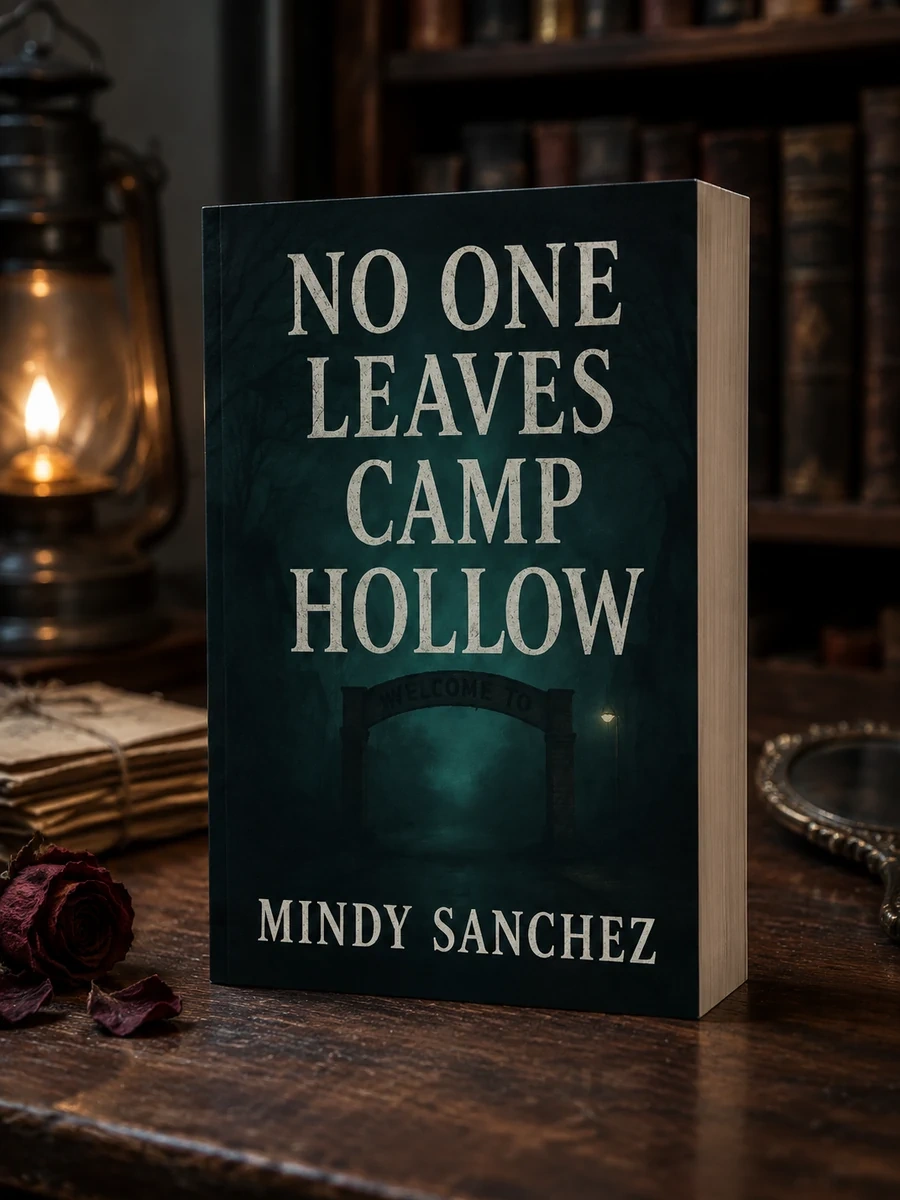
7. No One Leaves Camp Hollow — Mindy Sanchez
Isolation is a recurring theme in top-tier psychological horror, and No One Leaves Camp Hollow exploits this fear perfectly. Mindy Sanchez crafts a deeply unsettling environment where characters are cut off from the outside world and forced to rely on instincts that have long been suppressed by modern society.
The novel meticulously explores group hysteria and the breakdown of trust. When a community is sequestered, the smallest perceived slight can spiral into violent paranoia. Sanchez keeps the tension taut, refusing to give the reader an easy way out, ensuring the dread lingers long after the final page is turned.
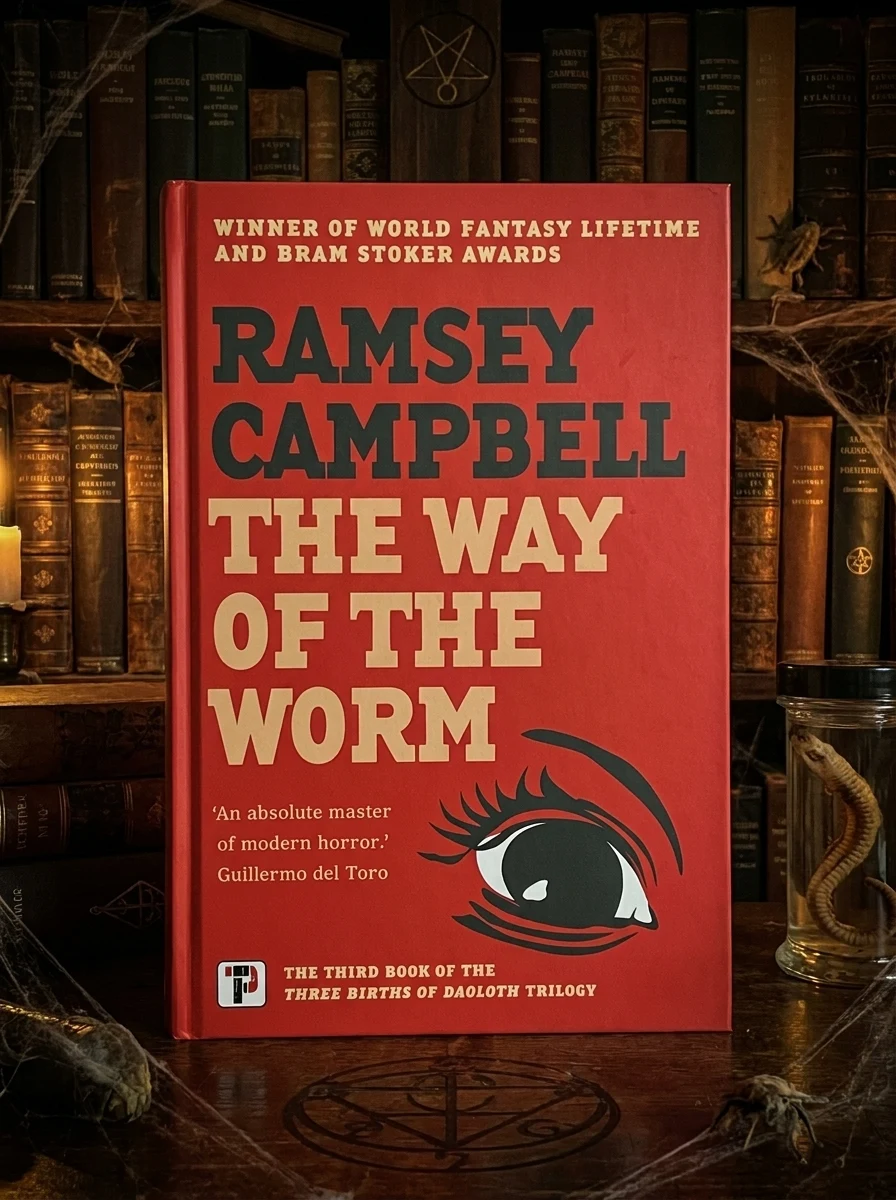
8. The Way of the Worm — Ramsey Campbell
As a seasoned veteran of British horror, Ramsey Campbell delivers a profound exploration of existential dread in The Way of the Worm. Campbell’s work often features protagonists who slowly realize the world they inhabit is fundamentally alien and hostile, making it a perfect recommendation for fans of creeping, non-gory horror.
This particular novel weaves psychological tension with cosmic implications, showing how external manipulation can completely rewire a person's perception of truth. The slow-burn approach requires patience, but the payoff is an intensely disturbing climax that cements Campbell's status as a master of the genre.
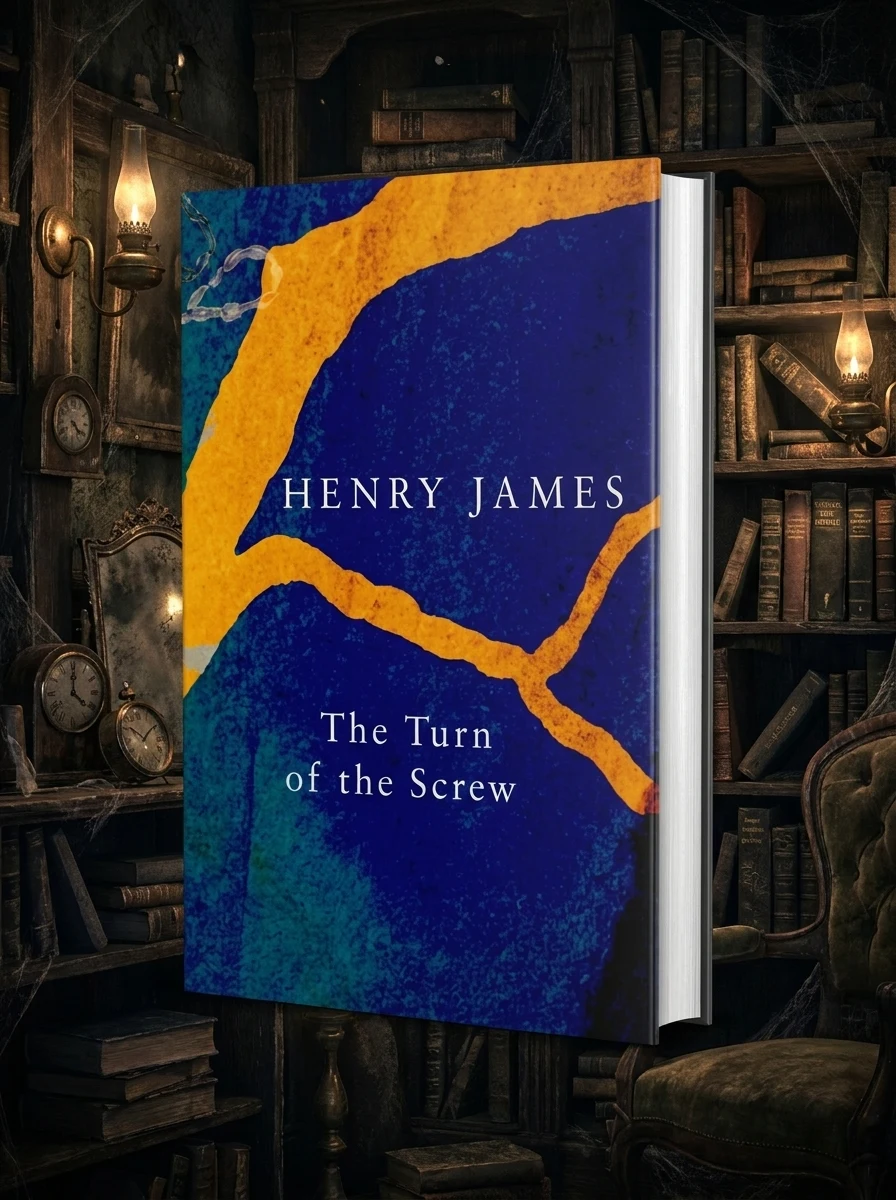
9. The Turn of the Screw — Henry James
Finally, no exploration of psychological terror is complete without acknowledging one of the foundational texts of the genre, The Turn of the Screw. Henry James wrote a story that has divided readers and scholars for over a century: is the governess truly experiencing a haunting, or is she projecting her own repressed anxieties onto the innocent children in her care?
The ambiguity is precisely what makes the story so effective. Like the townspeople in Harlowe who rationalize their subjugation, the governess rationalizes her extreme actions as necessary protections. It is a brilliant study of an unreliable narrator and the terrifying consequences of unchecked paranoia.
Choosing Your Next Psychological Thriller
Selecting the right psychological thriller often comes down to identifying the specific flavor of dread that keeps you awake at night. If your fear stems from a loss of personal autonomy and the terrifying power of groupthink, small-town horror like Joan Samson's masterpiece is the perfect fit. The terror is rooted in reality, making the betrayal of neighbors and friends feel disturbingly plausible.
On the other hand, if you prefer your horror to focus on the fragility of the individual mind, isolation narratives are the way to go. Books that trap characters in haunted houses or remote environments force the protagonist to confront their own unreliability. When choosing, consider whether you want a story where society is the villain, or one where the protagonist's own brain is the true source of danger. Either way, prioritizing physical editions from independent publishers ensures these vital, terrifying stories remain preserved on our shelves for decades to come.