True terror rarely starts with a jump scare. It begins quietly. A shadow stretching just a fraction of an inch too far. A conversation remembered differently by two people who were both in the room. The creeping, suffocating suspicion that the person looking back at you in the mirror might be a stranger. This is the playground of psychological horror novels, a subgenre built on the terrifying premise that the human mind is the most haunted house of all.
While traditional horror relies on external threats—slashers, monsters, natural disasters—psychological horror turns inward. It weaponizes grief, trauma, paranoia, and isolation. As readers, we are forced to sit behind the eyes of protagonists who are losing their grip on reality. We cannot trust what they see, we cannot trust what they hear, and by the final page, we often cannot trust ourselves.
At Horror Reads, we spend a lot of time thinking about what actually scares people. Guts and gore have their place, but the books that keep our staff awake at 3:00 AM are the ones that plant a seed of doubt about the stability of the world. We have put together a reading list of twelve outstanding books that masterfully execute this brand of unease. From foundational classics that built the tropes to modern, indie-published nightmares that tear those tropes apart, these are the stories that will linger long after you close the cover.
The Foundations of Fractured Minds
Before we look at the modern landscape of domestic dread, we have to acknowledge the architects of the unreliable narrator. These foundational texts proved that you do not need a lot of blood to freeze a reader's veins. They remain essential reading for anyone trying to understand how subtle manipulation creates lasting fear.
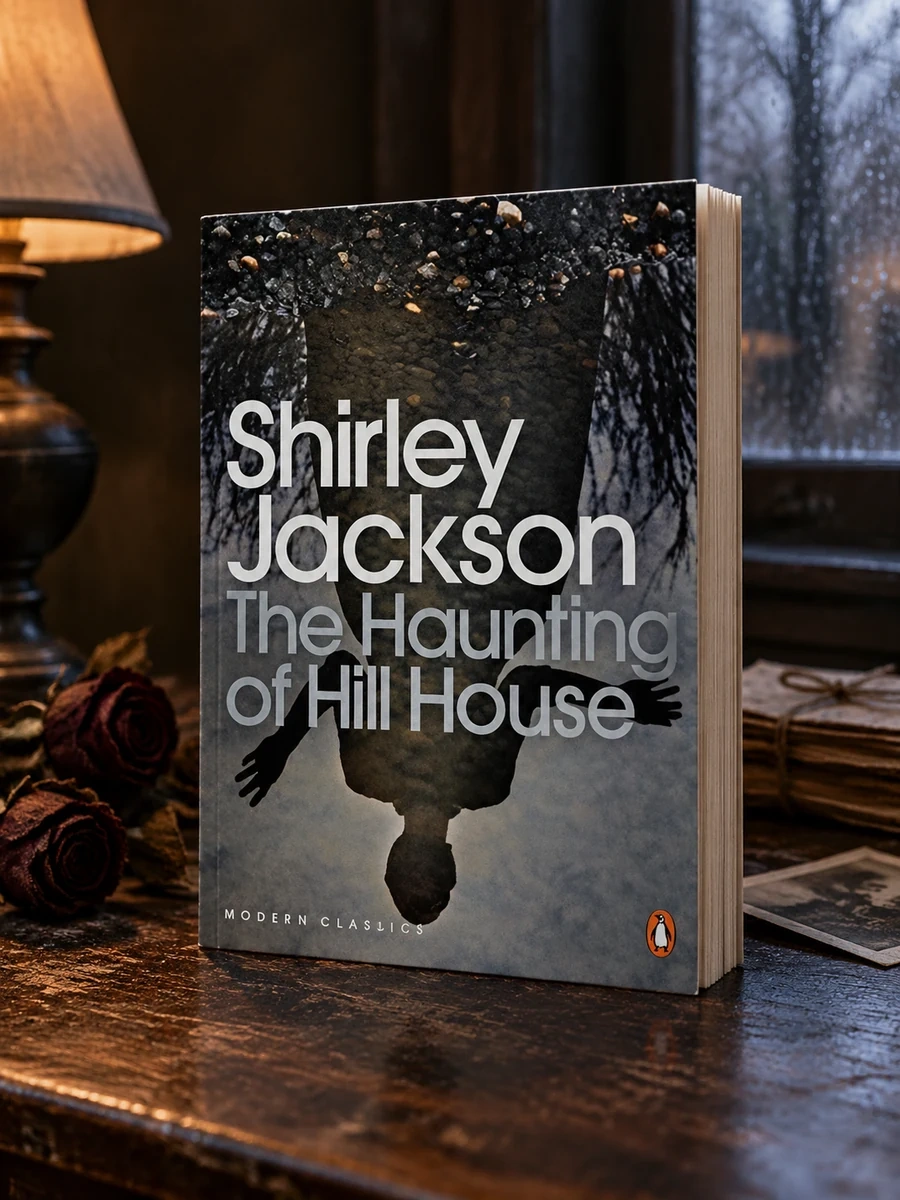
1. The Haunting of Hill House — Shirley Jackson
No conversation about psychological horror is complete without The Haunting of Hill House. Shirley Jackson essentially wrote the blueprint for the haunted house narrative, but the true genius of the book lies in how she treats the protagonist, Eleanor Vance. Eleanor is a fragile, deeply isolated woman looking to belong, and the house preys directly on her psychological vulnerabilities. Is the house genuinely possessed by supernatural forces, or are we witnessing the tragic, real-time collapse of a woman's sanity? Jackson refuses to give a simple answer, leaving readers suspended in a state of beautiful, agonizing ambiguity. This is a masterclass in atmospheric dread, perfect for readers who prefer slow-burning tension over cheap thrills. Available for just over $20, it is a mandatory addition to your shelf.
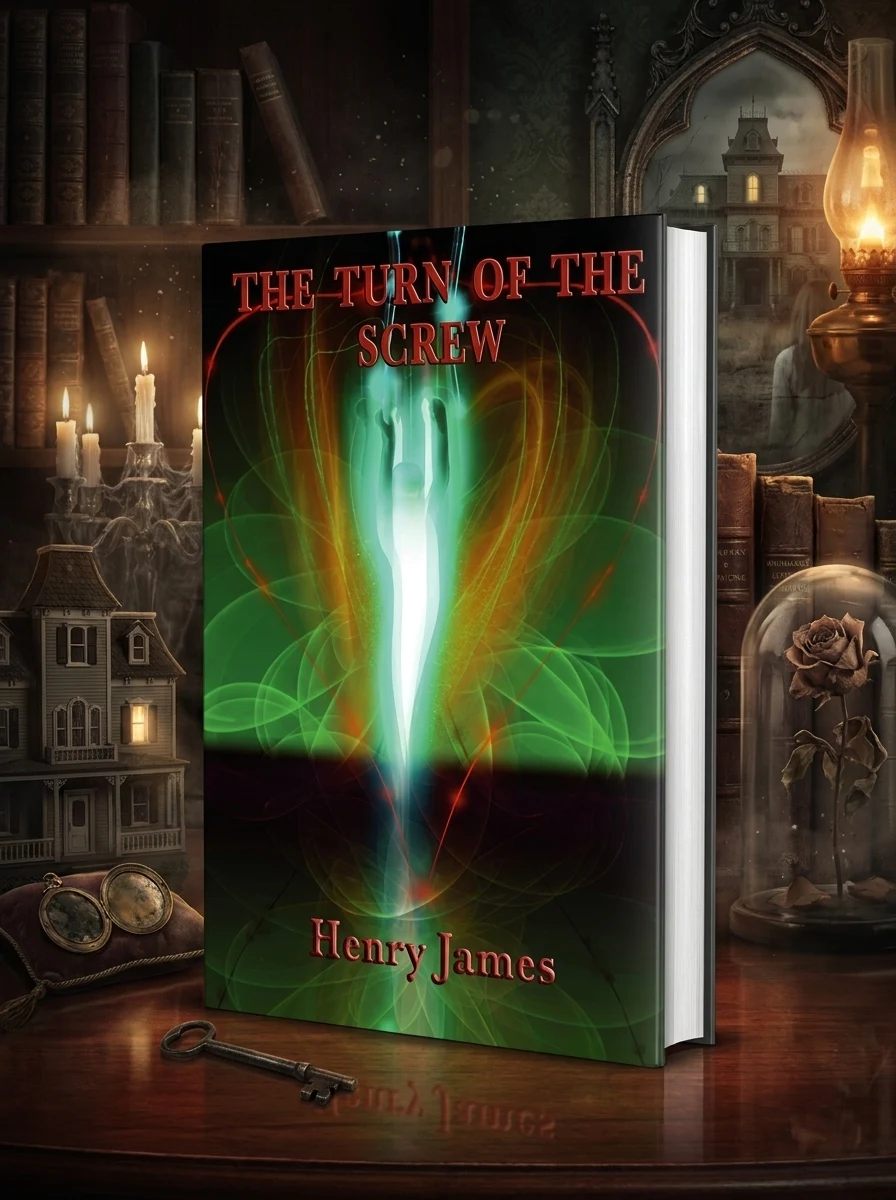
2. The Turn of the Screw: A Classic Psychological Ghost Story — Henry James
Written in the late 19th century, The Turn of the Screw: A Classic Psychological Ghost Story remains one of the most fiercely debated pieces of horror fiction ever published. A young governess is hired to care for two children at a remote country estate. Soon, she begins seeing figures pacing the grounds and staring through the windows. The terror comes entirely from the narrative framing. The governess is recounting the story, and her intense, obsessive, and increasingly paranoid voice makes us question everything she reports. Are the ghosts of former employees corrupting the children, or is the governess projecting her own severe repression and hysteria onto her innocent charges? Henry James forces the reader to act as judge and jury, making the reading experience incredibly active and deeply unsettling.
Isolation, Paranoia, and The Horror of Connection
Nothing breaks the human spirit faster than extreme isolation. Whether that isolation is physical—being trapped in a remote location—or emotional, the mind will eventually start playing tricks to fill the silence. The next group of books explores what happens when characters are cut off from the grounding influence of society.
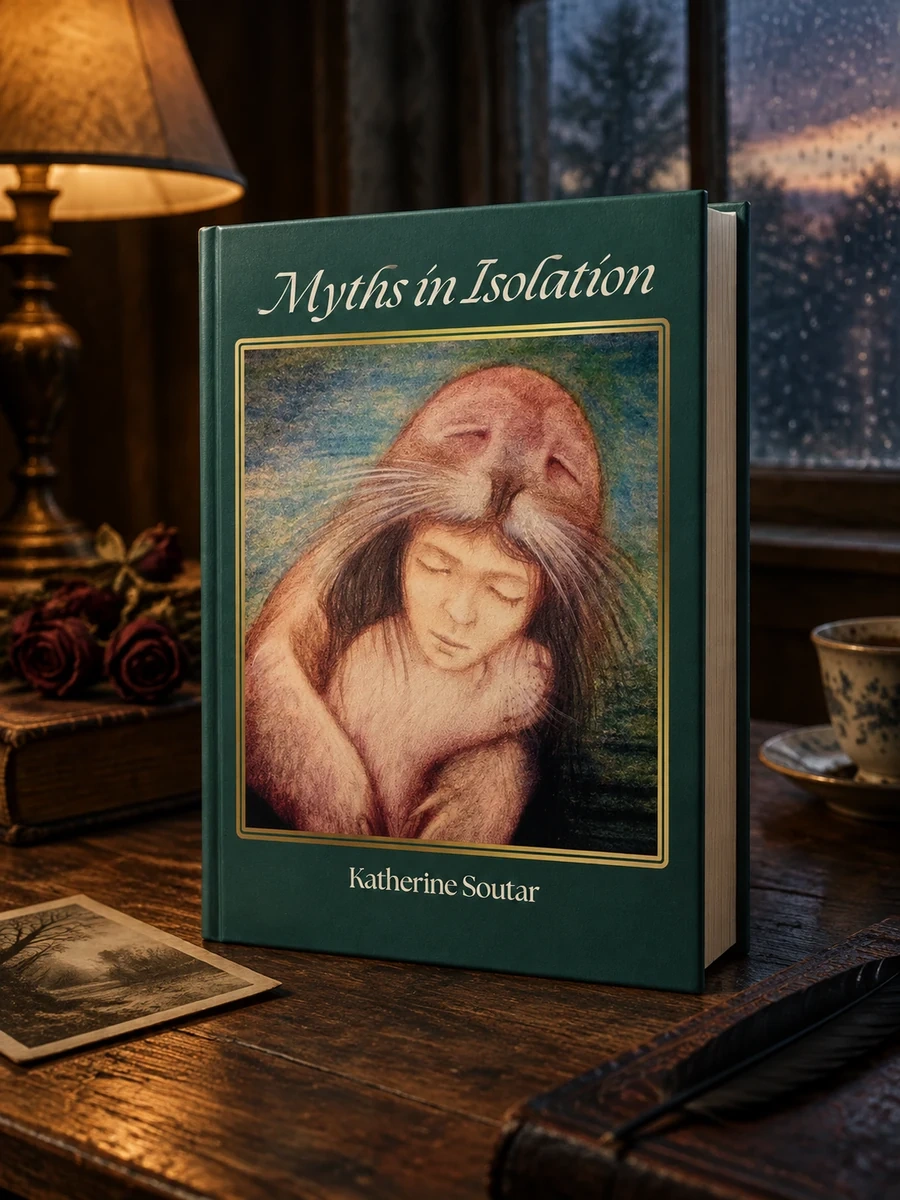
3. Myths in Isolation — Katherine Soutar
Priced around $30, Myths in Isolation is an absolute powerhouse of modern psychological terror. Katherine Soutar traps her characters not just in physical remoteness, but inside the suffocating weight of local legends. When a person is left alone with only folklore for company, the lines between myth and reality begin to blur. Soutar writes with an oppressive, heavy atmosphere. You can practically feel the damp chill of the setting seeping through the pages. The horror here is largely internal, focusing on how isolation strips away the protective layers of our civilized selves, leaving only raw, ancient fears behind. It is an excellent pick for fans of folk horror who want a deep, character-driven experience.
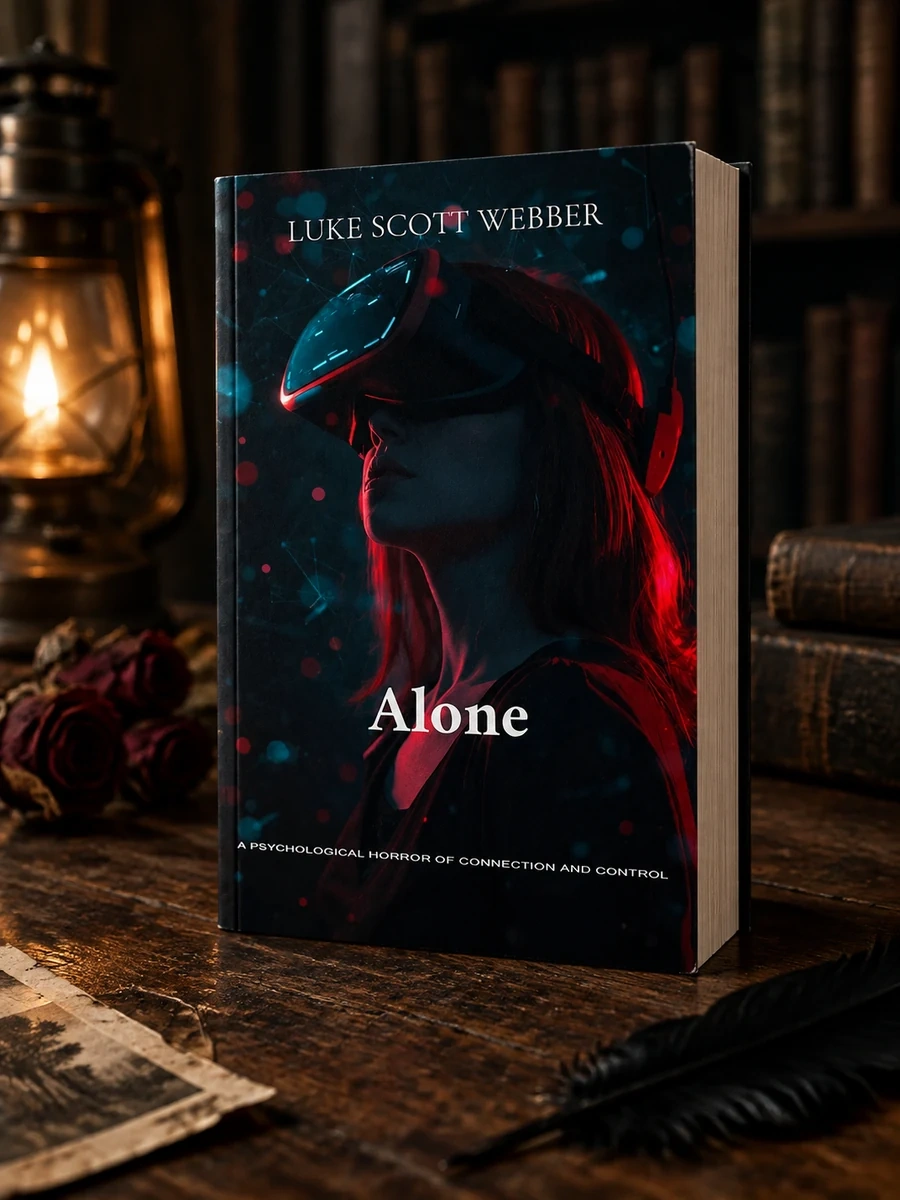
4. Alone: A Psychological Horror of Connection and Control — Luke Scott Webber
Luke Scott Webber delivers a brilliant, nerve-shredding experience with Alone: A Psychological Horror of Connection and Control. Despite the title, the true horror of this book comes from the toxic, suffocating nature of a specific relationship. It asks a terrifying question: what if the person keeping you isolated is doing it under the guise of protecting you? Webber meticulously details the mechanics of gaslighting and psychological manipulation. As the protagonist's world shrinks, so does the reader's comfort zone. The pacing is relentless, mimicking the feeling of walls closing in. Coming in well under $15, this affordable paperback is a devastating look at how easily control can masquerade as care.
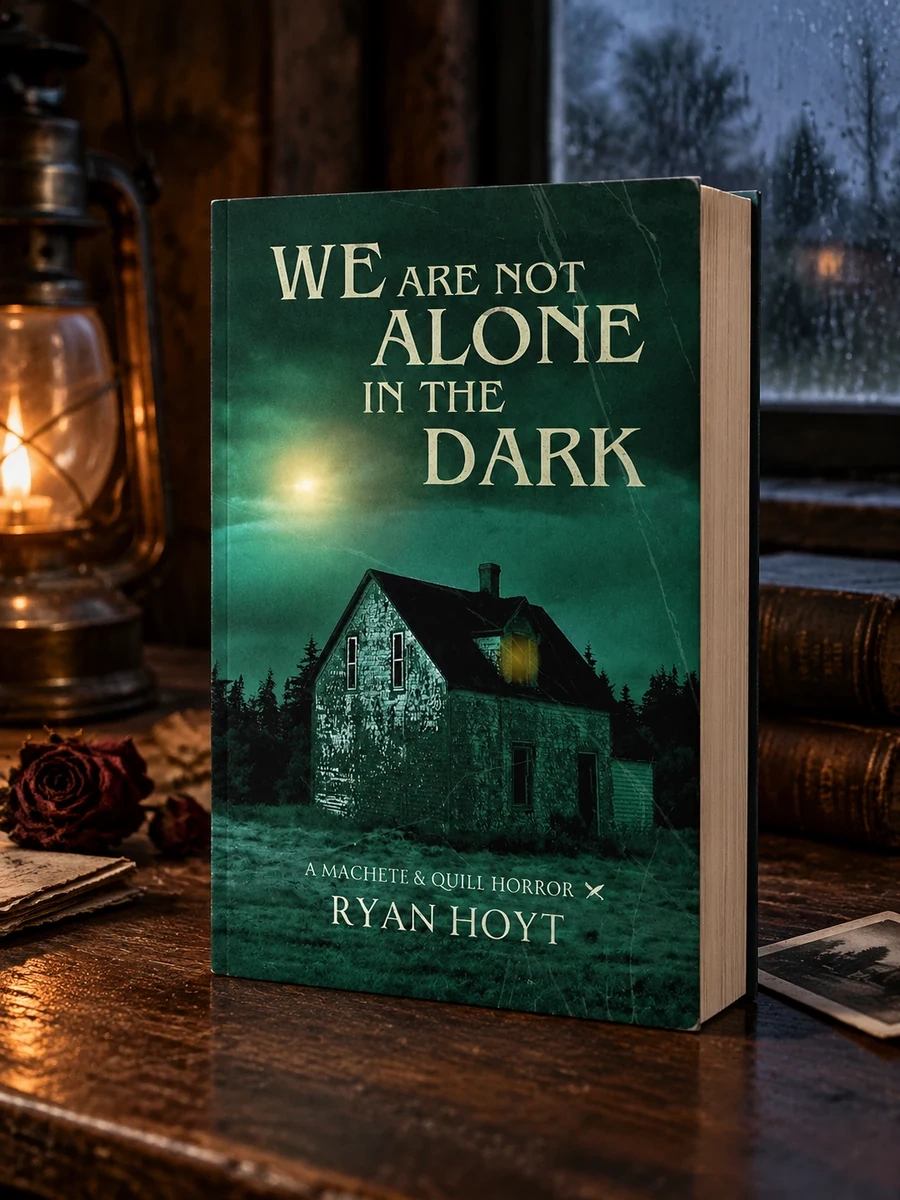
5. We Are Not Alone in the Dark — Ryan Hoyt
Sometimes the dark isn't empty, but the things hiding in it only exist for you. In We Are Not Alone in the Dark, Ryan Hoyt crafts a paranoid fever dream of a novel. The narrative plays constantly with the fear of the unseen and the unsaid. Hoyt is exceptionally good at describing the physiological responses to fear—the racing heart, the cold sweat, the frantic rationalizations of a mind trying to explain away the impossible. The tension is ratcheted up slowly, chapter by chapter, until you find yourself double-checking the locks on your own doors. It is a fantastic choice for readers who love that specific, primal fear of things that go bump in the night, viewed through a heavily distorted psychological lens.
Reality-Bending and Corporate Dread
Psychological horror thrives when it attacks our most basic assumptions about how the world functions. When gravity fails, when time loops, or when the mundane environments of our daily lives turn actively hostile, the resulting vertigo is terrifying. These next selections twist reality until it snaps.
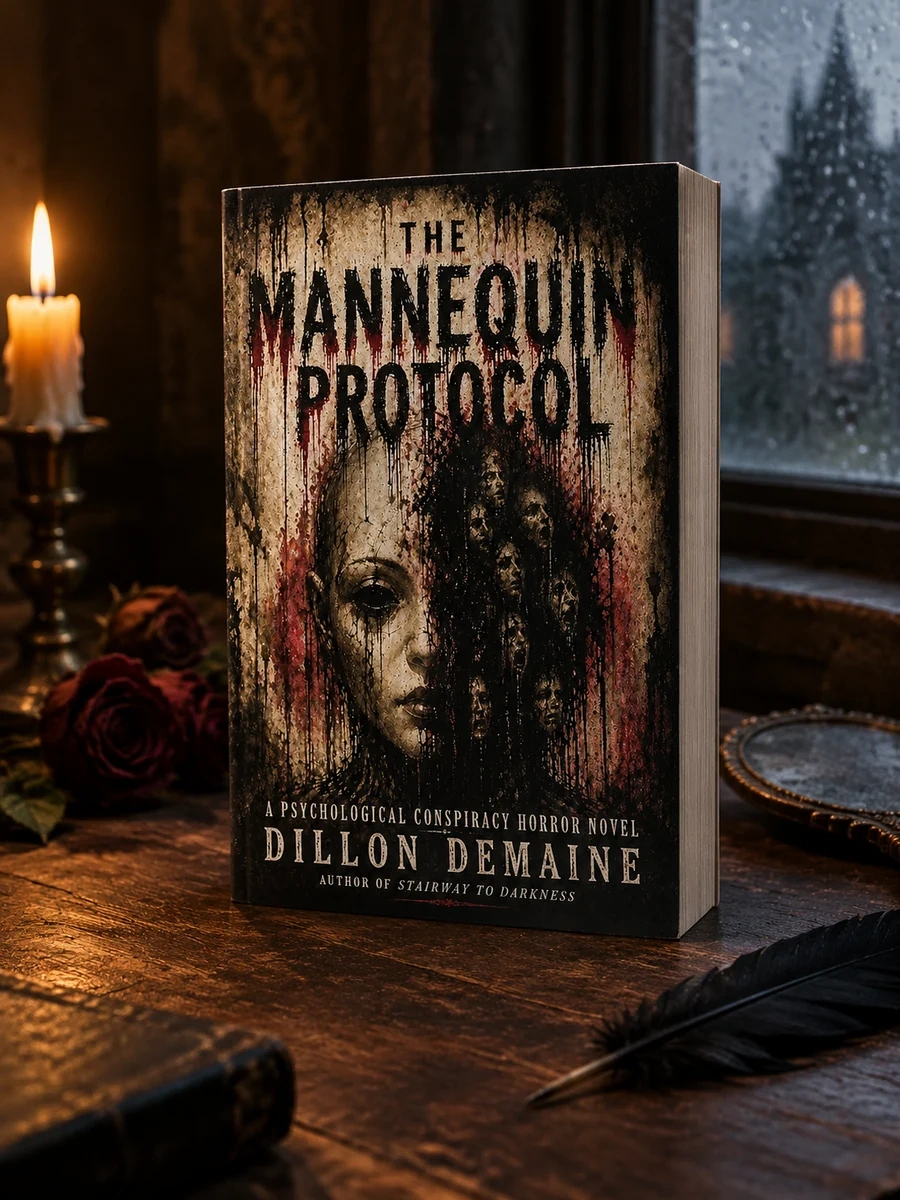
6. The Mannequin Protocol: A Psychological Conspiracy Horror Novel — Dillon Demaine
If you enjoy a heavy dose of conspiracy mixed with your chills, The Mannequin Protocol: A Psychological Conspiracy Horror Novel by Dillon Demaine will keep you guessing until the final page. Demaine builds a world where identity is fluid and institutions are inherently sinister. The protagonist's descent into paranoia is so well-documented that you will find yourself buying into the conspiracy theories right alongside them. It is a brilliant commentary on the loss of individuality and the terror of bureaucratic facelessness. The horror here is existential—the fear that you are merely a cog in a machine that actively hates you. It is a mind-bending, reality-warping read that demands your full attention.
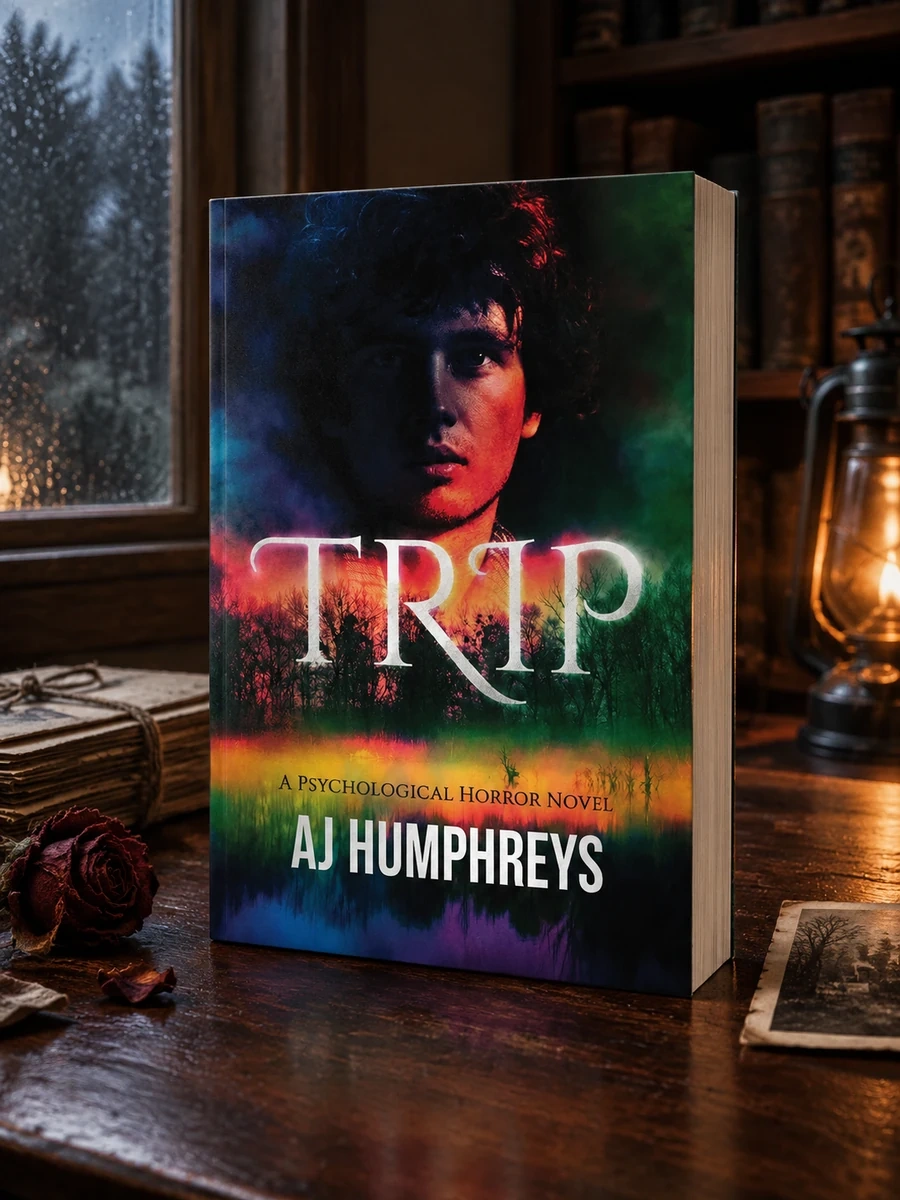
7. Trip: A Psychological Horror Novel — Aj Humphreys
Aj Humphreys takes the concept of a bad trip to devastating extremes in Trip: A Psychological Horror Novel. Hallucinations are a common trope in this genre, but Humphreys uses them not just for visual scares, but to excavate the protagonist's deepest, most repressed guilt. The narrative structure itself feels unstable, shifting perspectives and timelines in a way that perfectly mimics an altered state of consciousness. You are never entirely sure what is actually happening in the physical world versus what is a chemical manifestation of trauma. Priced around $20, it is a visceral, psychedelic nightmare that will appeal heavily to fans of surrealist horror.
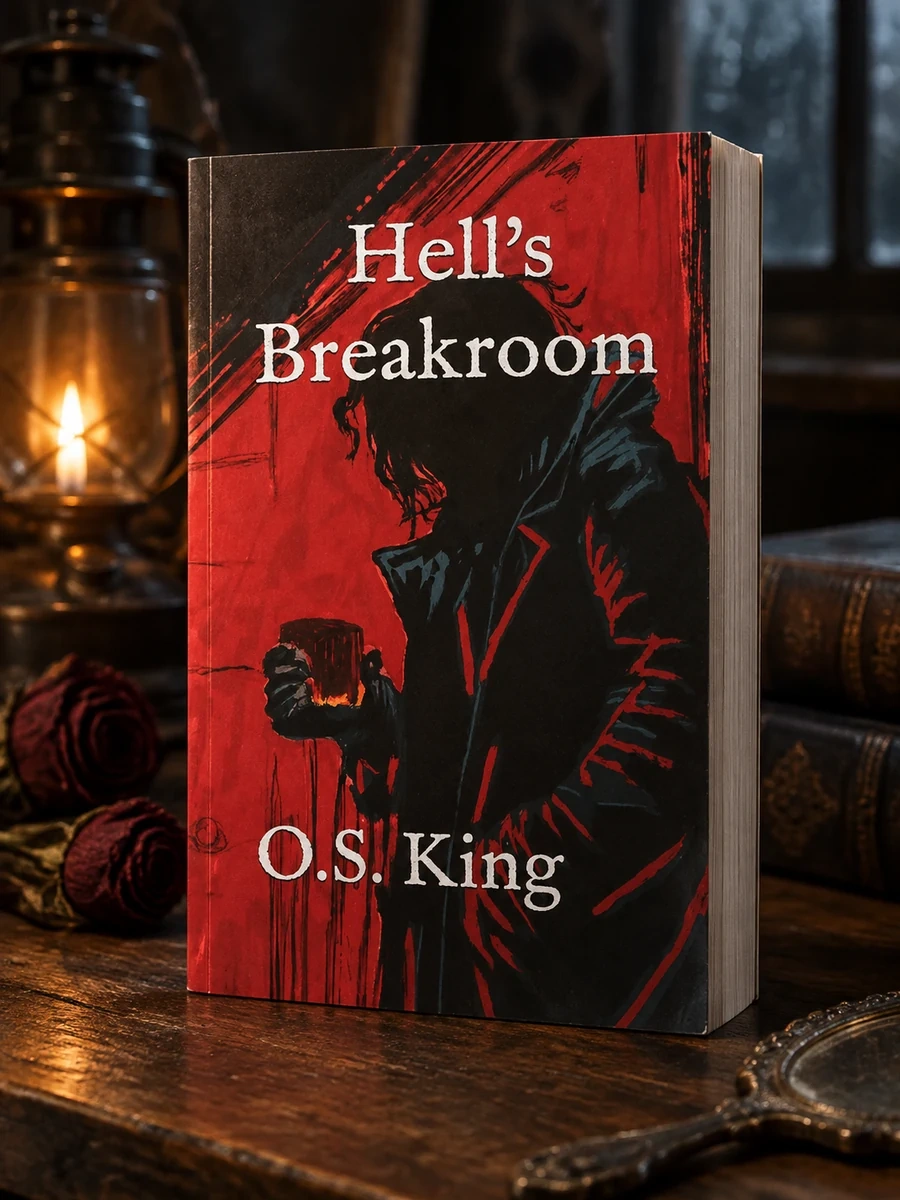
8. Hell's Breakroom — O S King
Corporate spaces are already inherently draining, but O S King turns the office environment into a literal purgatory in Hell's Breakroom. This is workplace horror at its finest, blending the mundane absurdities of office politics with soul-crushing psychological terror. The dread here is incredibly relatable; it is the fear of being trapped in a dead-end job, amplified to demonic proportions. King's prose is sharp, cynical, and deeply unsettling, capturing the creeping madness of fluorescent lights, passive-aggressive emails, and the feeling that you are slowly losing your mind between 9 and 5. It is a fast, highly effective read for anyone who has ever felt like their job was slowly eating them alive.
Domestic Dread and Visceral Unease
The final grouping focuses on the horror of the intimate. It is one thing to be stalked by a stranger; it is far worse when the threat comes from your own body, your own home, or your closest loved ones.
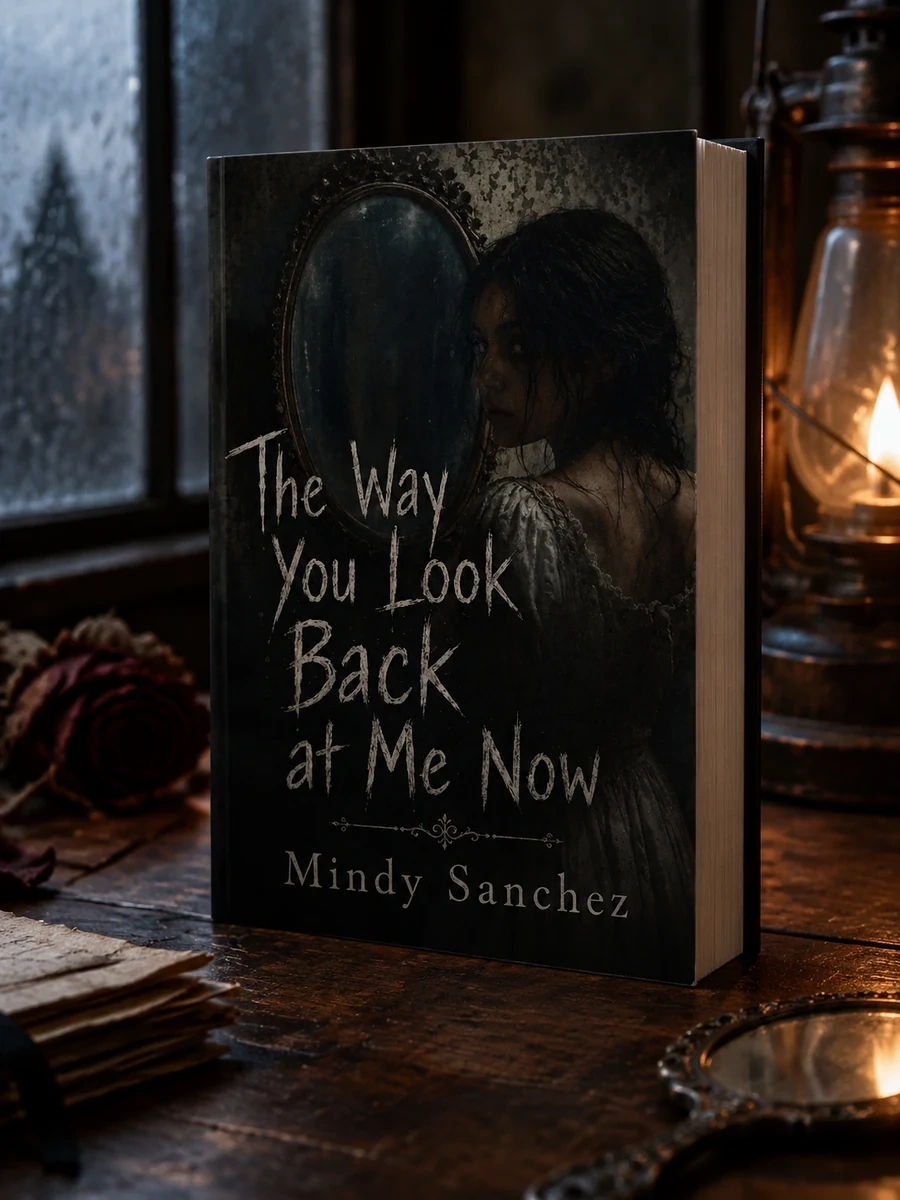
9. The Way You Look Back at Me Now — Mindy Sanchez
Mindy Sanchez writes with a surgical precision in The Way You Look Back at Me Now, a novel that dissects the slow, terrifying decay of a marriage. The domestic dread here is thick enough to cut with a knife. Every conversation feels like a trap; every shared memory is subject to revision. Sanchez excels at micro-aggressions that escalate into full-blown psychological warfare. The horror is quiet, intimate, and profoundly sad. It asks what happens when the person you trust most in the world becomes the person you fear the most. This is a must-read for fans of domestic thrillers who want something with a much darker, sharper edge.
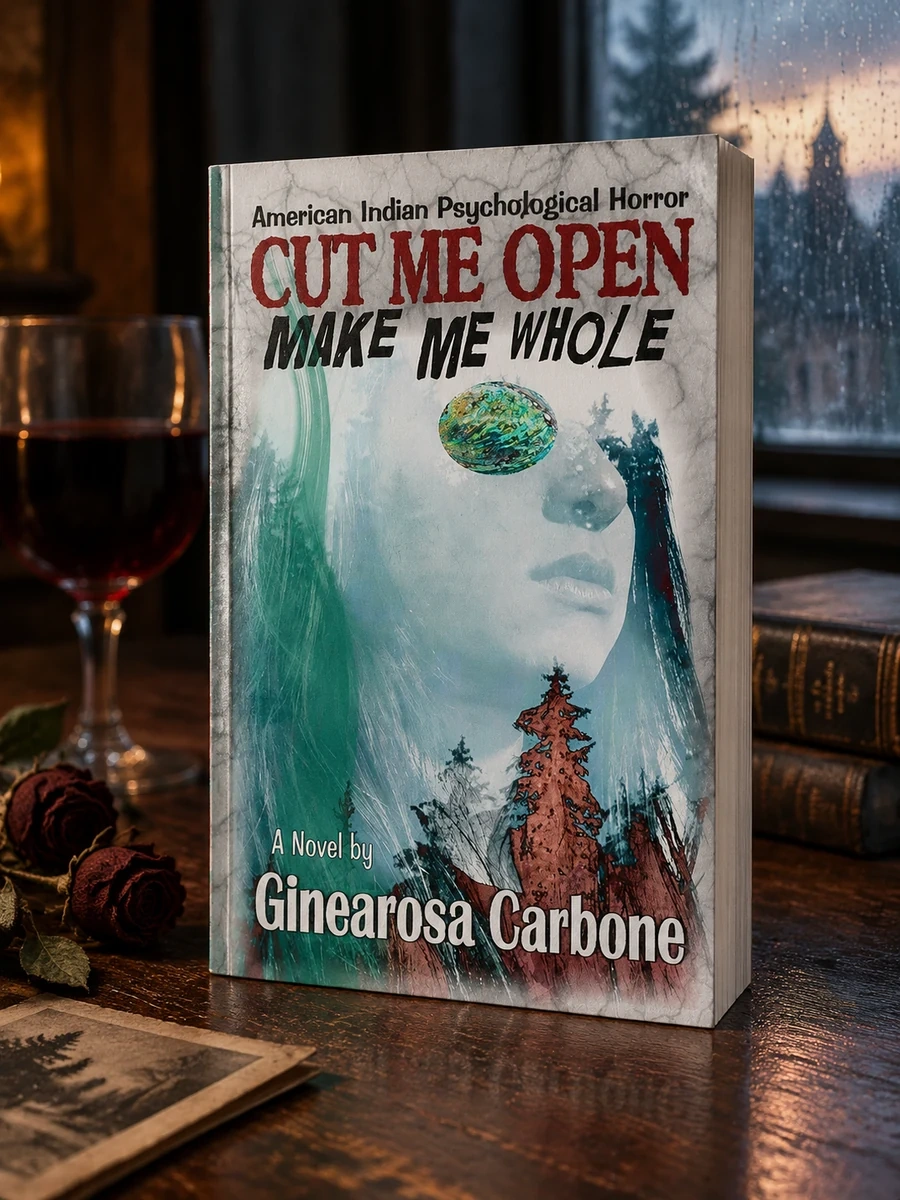
10. Cut Me Open, Make Me Whole — Ginearosa Carbone
For readers who appreciate a blend of psychological torment and visceral body horror, Cut Me Open, Make Me Whole by Ginearosa Carbone is an absolute revelation. Carbone explores the mind-body connection in deeply disturbing ways, asking how physical transformation or degradation affects our core identity. The protagonist's obsession with perfection and physical autonomy spirals into a nightmare of self-mutilation and delusion. The prose is beautiful but sickening, forcing you to confront the fragility of human flesh alongside the fragility of the human mind. At roughly $25, this is a premium, hard-hitting novel that requires a strong stomach and a strong constitution.
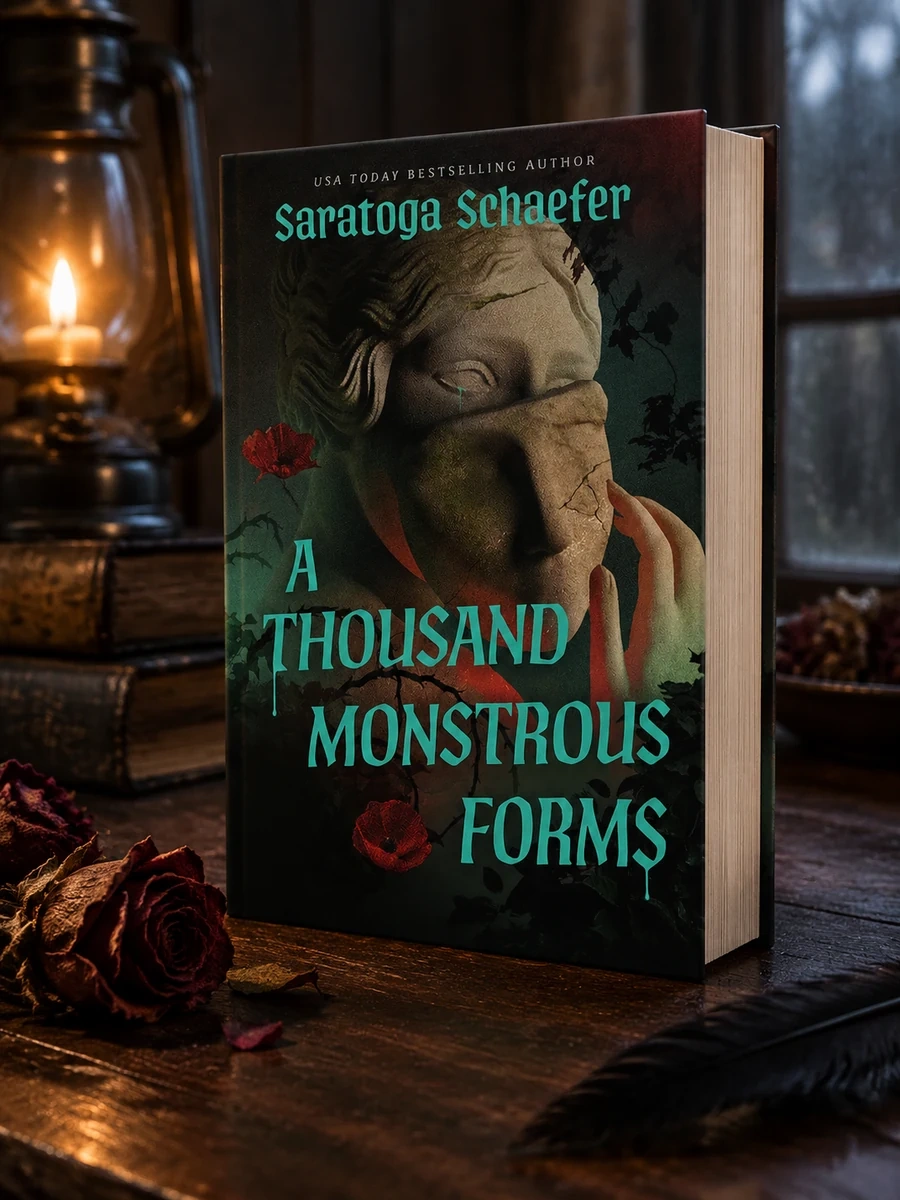
11. A Thousand Monstrous Forms — Saratoga Schaefer
Saratoga Schaefer brings a unique, highly literary voice to the genre with A Thousand Monstrous Forms. This novel deals heavily with the inheritance of trauma and the way mental illness can feel like a family curse. The protagonist is haunted by the mistakes of their ancestors, creating a narrative that feels both incredibly expansive and intensely claustrophobic. Schaefer uses the motif of shifting shapes and forms to represent the instability of memory and truth. It is a slow, methodical breakdown of a character's reality, written in prose that reads like dark poetry. Fans of gothic psychological horror will find a lot to love in these pages.
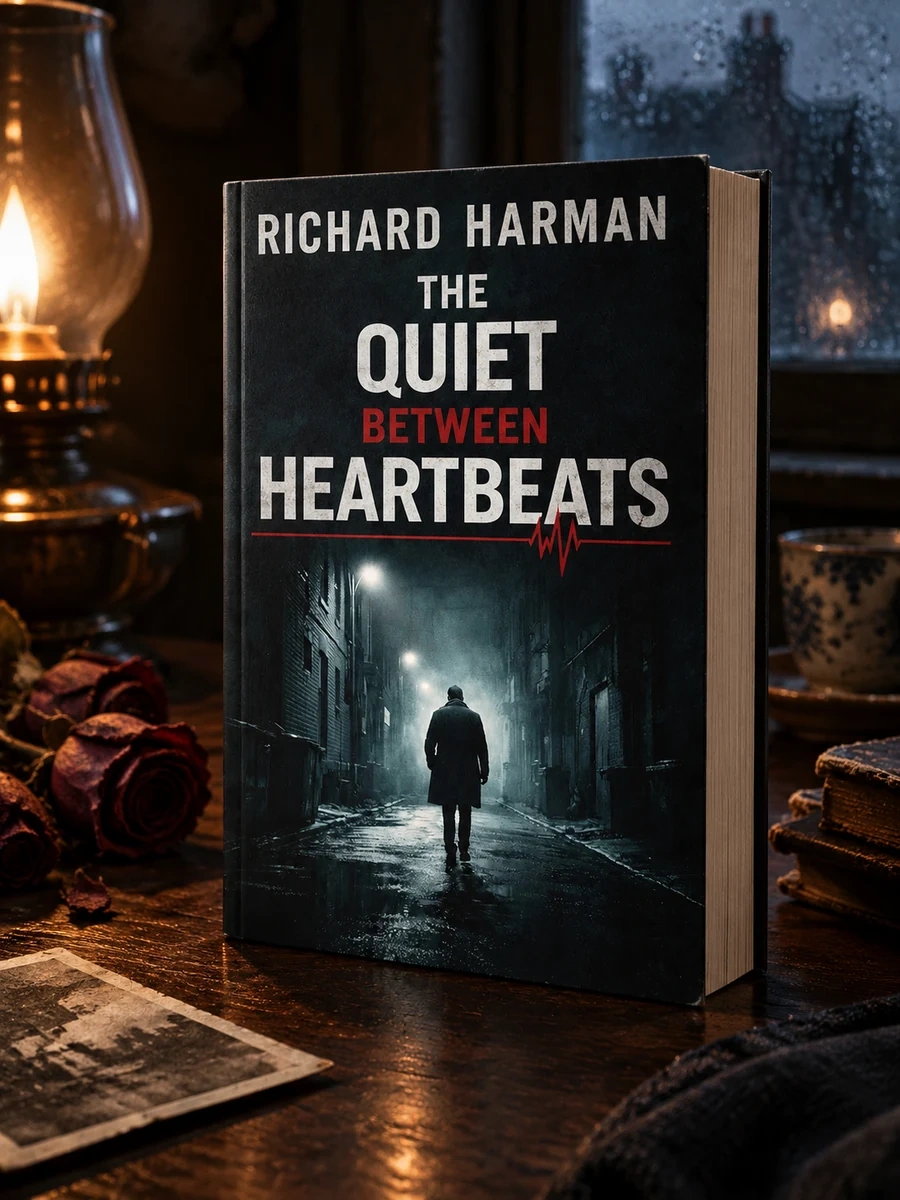
12. The Quiet Between Heartbeats — Richard Harman
Closing out our list is Richard Harman's The Quiet Between Heartbeats, an incredibly affordable hidden gem that punches far above its weight. Harman focuses on the terrifying nature of silence. When the noise of the world is stripped away, what thoughts come rushing in to fill the void? The tension in this book is almost unbearable, constructed out of pauses, hesitations, and the things characters refuse to say out loud. It is a masterclass in subtlety and restraint, proving that you do not need grand, sweeping supernatural events to thoroughly terrify a reader. The quiet moments are often the deadliest.
How to Choose Your Next Nightmare
Selecting a psychological horror novel is a highly personal decision because what deeply frightens one reader might leave another completely cold. When browsing the shelves, consider what type of fear resonates with you. If you are terrified by the idea of losing control over your own choices, lean toward books dealing with gaslighting and domestic manipulation, like Luke Scott Webber or Mindy Sanchez. If the vast, uncaring nature of reality keeps you up at night, authors like Dillon Demaine or Shirley Jackson will provide that existential dread.
Pay attention to the narrative framing. Books written from a close first-person perspective often maximize the "unreliable narrator" effect, forcing you to experience the descent into madness right alongside the main character. Third-person narratives, on the other hand, can create a chilling, clinical distance, allowing you to watch the disaster unfold from a helpless vantage point. Whichever path you choose, read with the lights on, and remember to trust your own instincts—even if the characters cannot trust theirs.