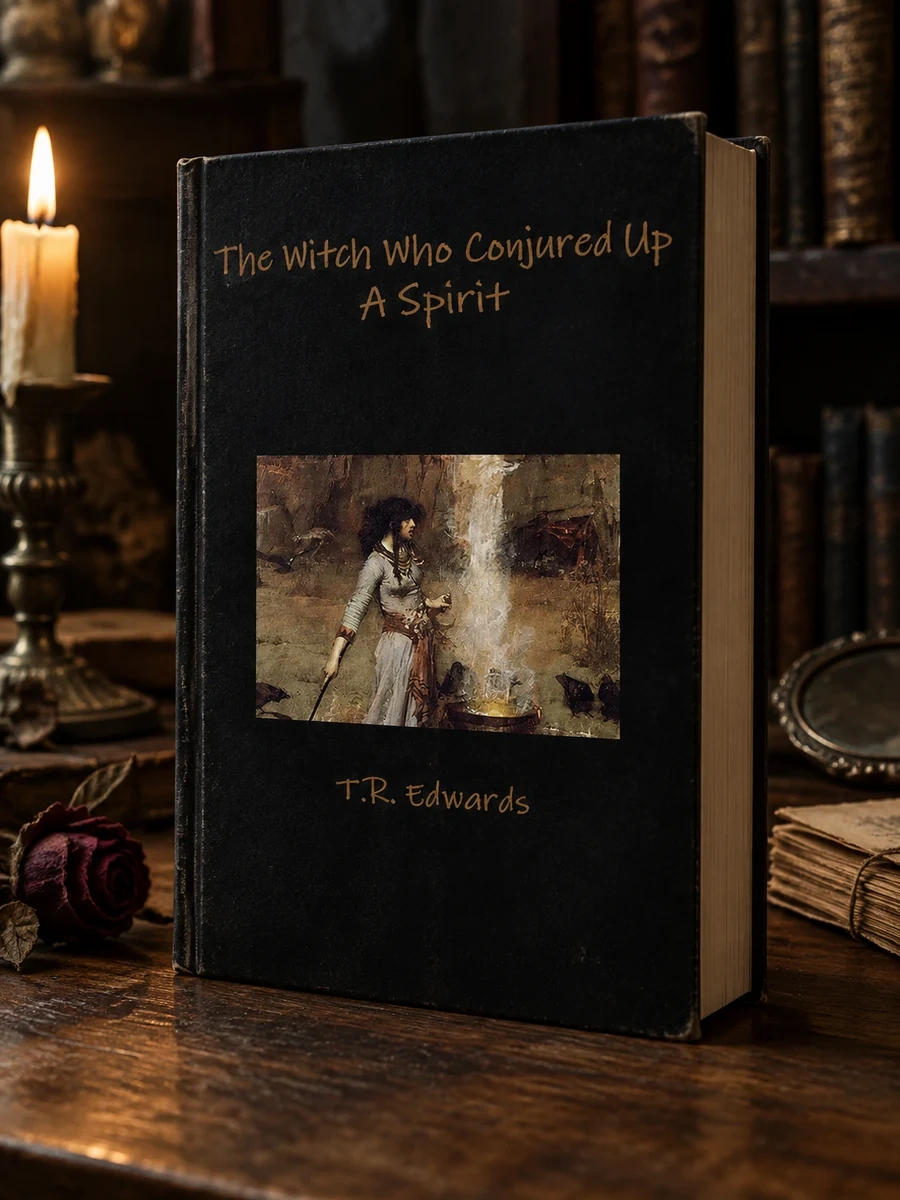
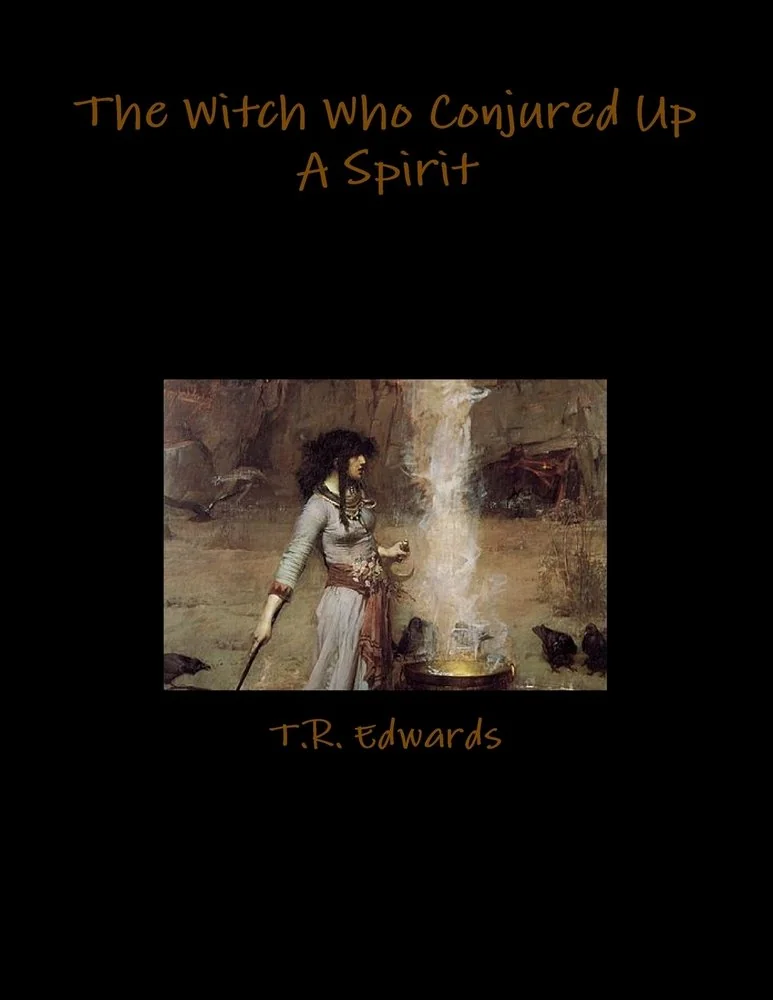
The Witch Who Conjured Up A Spirit
A study of witchcraft traditions from biblical times to folk magic by T R Edwards.
Edwards organizes his work around the definition of a witch as someone who casts spells. He breaks down the components of these spells, noting they can be words, verses, or actions. The text highlights two main methods: using images for binding or immolation, and using speculas for divination. The Witch of Endor is central to this analysis, providing a concrete link between biblical scripture and magical theory. Edwards then expands the scope to include diverse traditions such as Voodoo and Roots Working. This approach allows him to connect ancient practices with later folk customs. The book does not offer personal anecdotes but rather categorizes these elements for clarity. Readers looking for a systematic explanation of how these traditions intersect will find value here.
The work draws on biblical sources, specifically the book of Samuel, to anchor its discussion of witchcraft. It then bridges these ancient references with later folk traditions like Hoodoo and Roots Working. This creates a lineage from scriptural accounts to broader supernatural practices without relying on modern academic frameworks.


📝 Description: The Witch Who Conjured Up A Spirit
💎 Our verdict on The Witch Who Conjured Up A Spirit
📖 Why choose it
Why this book is worth reading
Readers seeking a systematic explanation of how historical magical traditions intersect will find value in this text. Edwards categorizes the mechanics of spellcasting, focusing on verbal formulas, ritual movements, and the use of reflective surfaces for divination. It is ideal for those interested in the specific cultural contexts of Hoodoo, Voodoo, and Roots Working, rather than fictional narratives. By grounding these practices in biblical accounts like the Witch of Endor, the book offers a clear overview of how ancient definitions persist in later customs. It serves as a reference for understanding the theoretical underpinnings of conjuring spirits and binding spells, appealing to scholars and enthusiasts who prefer structured analysis over personal anecdote or fantasy tropes.
⭐ Reader reviews
Reader rating
Edwards provides a disciplined examination of witchcraft, defining it through the lens of spellcasting mechanics rather than mythical embellishment. The text excels in connecting biblical references, particularly the Witch of Endor, with diverse folk traditions such as Voodoo and Hoodoo. By detailing methods like image binding and mirror divination, Edwards offers clarity on how these arts were historically defined and practiced. This structured approach suits readers interested in the mechanics of historical spellcasting and specific cultural traditions. However, those expecting modern fantasy tropes or fictional narratives may find the focus on definition too rigid. The work is best appreciated as a scholarly overview of supernatural engagement, providing a coherent framework for understanding the intersection of ancient scripture and later magical customs without relying on sensationalism.
📖 Read on the blog
🏛 Books from this publisher Lulu.com




You might also like
See more →



Have a question about this item?
Ask about the edition, condition, delivery or anything else — we reply by email or phone, usually within a day.
