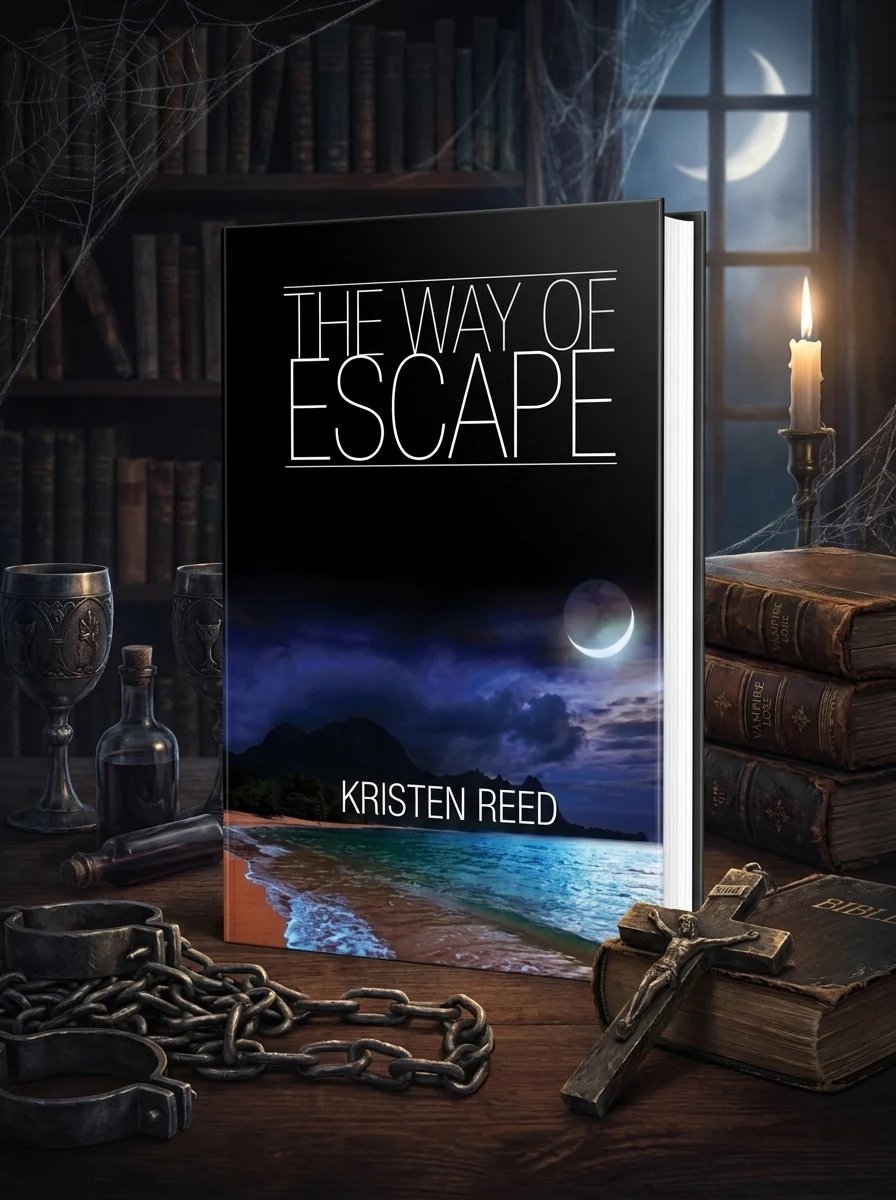
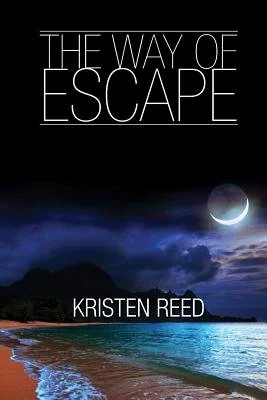
The Way of Escape
A dhampir chooses between slavery, freedom, and her soul in this supernatural tale.
Clara Robinson discovers she is a dhampir when a coven leader presents her with two paths. She can remain mortal and serve as a slave or become a vampire to secure her liberty. A visiting vampire complicates this dynamic by offering a third option. He claims that if Clara gives up her humanity, she can free all the enslaved humans. This revelation forces Clara to confront her deepest beliefs about faith and sacrifice. The narrative explores the weight of eternal consequences versus immediate relief for others. Reed uses this premise to question whether saving lives justifies losing one's soul. The story remains tightly focused on Clara's internal struggle and the external pressures exerted by the vampire coven.
This work sits within the contemporary horror genre, published in 2016. It draws on established vampire mythology and dhampir lore. The narrative reflects modern supernatural fiction trends that focus on moral complexity rather than simple good versus evil dynamics.


📝 Description: The Way of Escape
💎 Our verdict on The Way of Escape
📖 Why choose it
Why this book is worth reading
Readers who enjoy ethical ambiguity and supernatural politics will find this narrative compelling. It appeals to those interested in stories where characters must make difficult sacrifices for the greater good. The book suits fans of gothic horror with a focus on spiritual consequence rather than action. Those seeking lighthearted romance or purely action-driven plots may find the tone too heavy. However, individuals familiar with dhampir mythology will appreciate the tight focus on internal struggle. It offers a thought-provoking examination of faith and identity under pressure from external supernatural forces.
⭐ Reader reviews
Reader rating
Kristen Reed structures this tale around an impossible choice, forcing the protagonist to question her faith and identity. The narrative draws effectively on vampire lore to examine the tension between personal liberty and spiritual consequence. Reed uses the premise to question whether saving lives justifies losing one's soul. The story remains tightly focused on Clara's internal struggle against external coven pressures. It is well-suited for readers who enjoy gothic horror with a focus on ethical ambiguity. The work successfully highlights the weight of eternal consequences versus immediate relief for others, offering a dense, atmospheric experience for those willing to engage with heavy moral dilemmas.
📖 Read on the blog
🏛 Books from this publisher Createspace Independent Publishing Platform




You might also like
See more →


Have a question about this item?
Ask about the edition, condition, delivery or anything else — we reply by email or phone, usually within a day.
