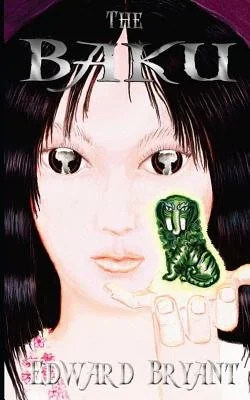
The Baku: Tales of the Nuclear Age
A collection of horror stories haunting the legacy of nuclear power and war.
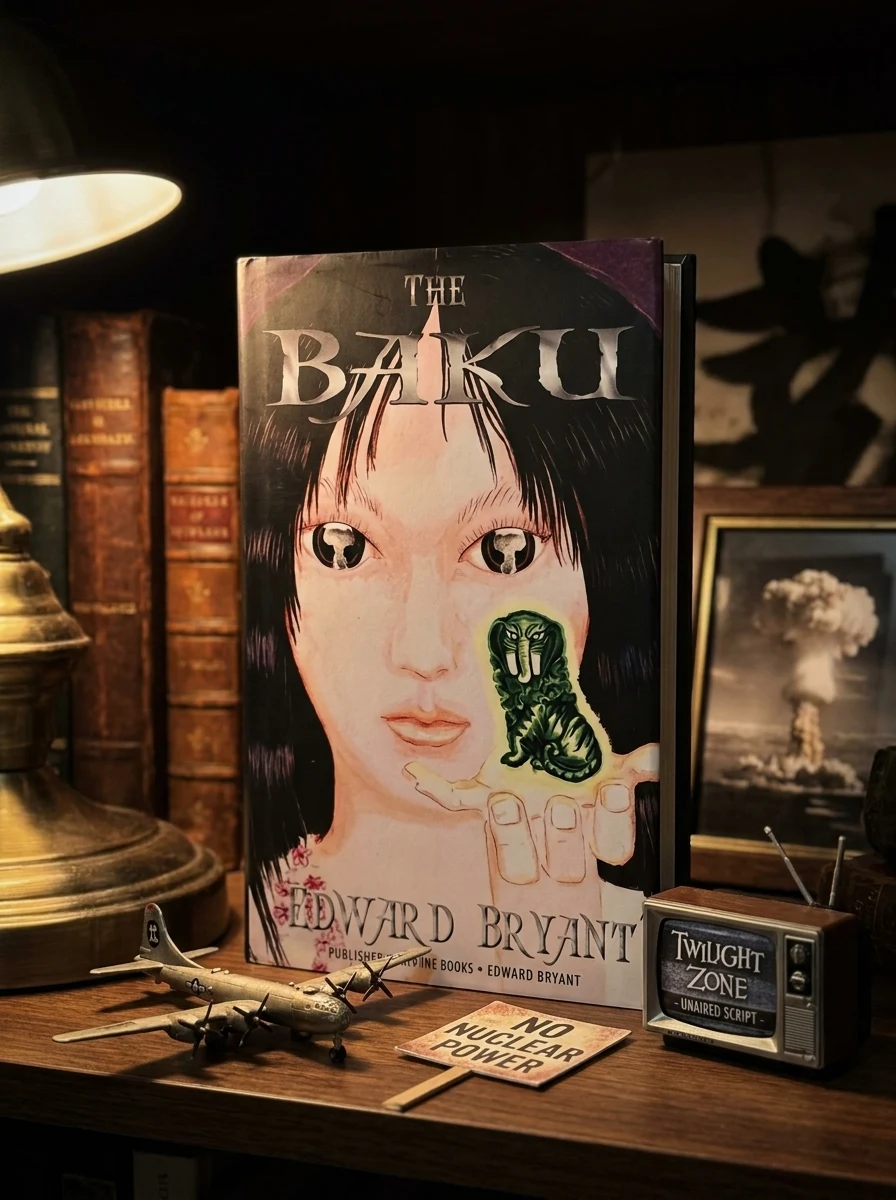
This volume compiles narratives that explore the psychological toll of the atomic age. Bryant focuses on Maxwell, a man whose professional success is undermined by spectral visits from Nagasaki victims. The inclusion of an unproduced Twilight Zone teleplay adds a layer of unrealized potential to the text. The stories do not shy away from the grim realities of industrial expansion and its human cost. Readers will find a narrative structure that prioritizes atmospheric dread over plot resolution. The book serves as a direct support for the author during his financial difficulties, making each purchase a dual act of literary engagement and personal aid.
Edward Bryant was a multi-Nebula Award-winning author who wrote over one hundred short stories and collaborated with Harlan Ellison on PHOENIX WITHOUT ASHES. This 2014 edition highlights his work in the horror genre, specifically addressing the cultural fears surrounding nuclear technology and the lingering ghosts of World War II.


📝 Description: The Baku: Tales of the Nuclear Age
💎 Our verdict on The Baku: Tales of the Nuclear Age
📖 Why choose it
Why this book is worth reading
Readers drawn to atmospheric dread and the intersection of gothic horror with industrial critique will find this volume compelling. It offers a unique exploration of psychological tolls rather than straightforward adventure. The narrative prioritizes haunting imagery over plot resolution, appealing to those interested in the grim realities of human cost amidst societal fear. Furthermore, purchasing this work provides direct support to the author during his financial difficulties, making each engagement a dual act of literary appreciation and personal aid for Bryant.
⭐ Reader reviews
Reader rating
Edward Bryant delivers a potent blend of supernatural terror and societal critique through Maxwell’s fractured psyche. The text excels in weaving historical guilt with present political tension, creating an unrelenting sense of unease. By including an unproduced teleplay, the volume adds depth to its unrealized potential. It suits readers who appreciate psychological horror over clear moral binaries. The focus on atmospheric dread ensures a lingering impact, though those seeking easy resolutions may find it unsatisfying. This is a work of significant emotional weight for fans of mid-century anxiety.