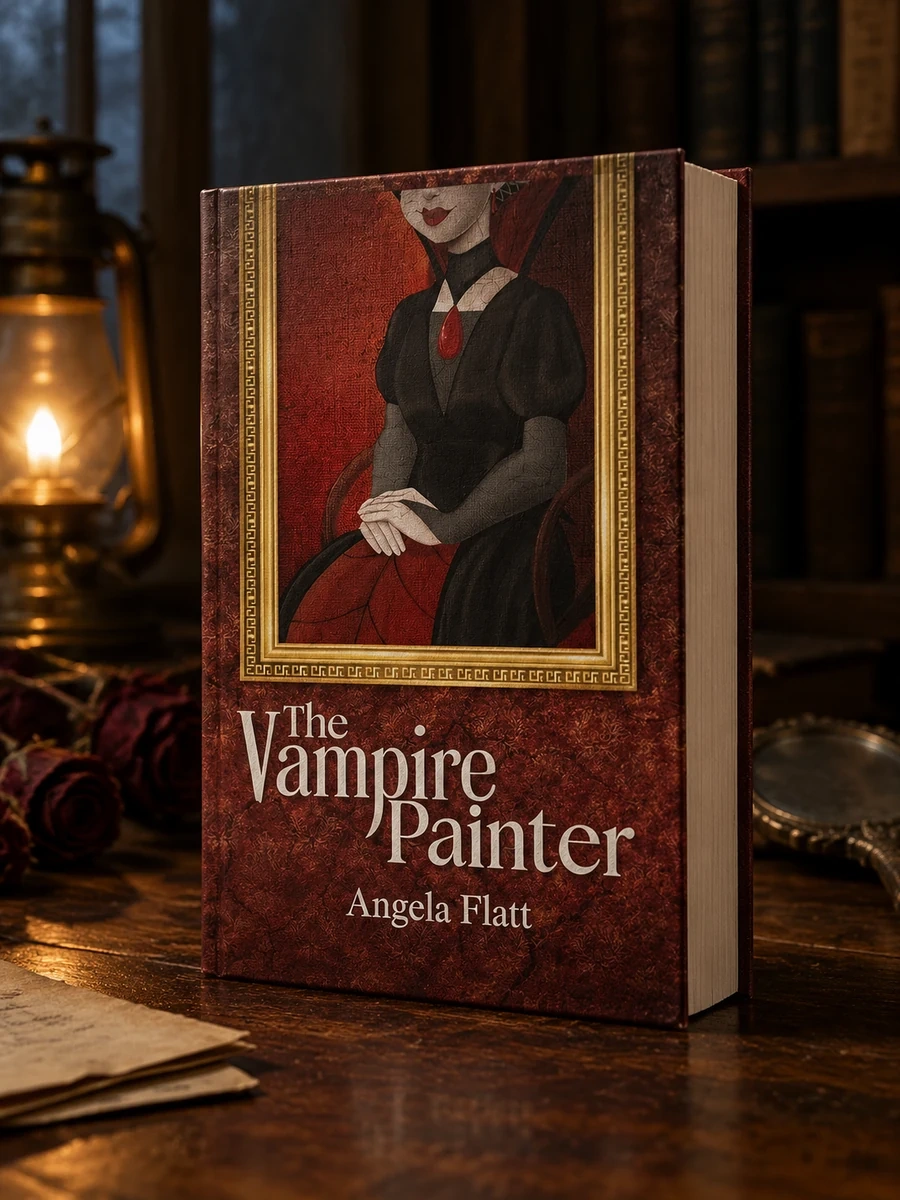
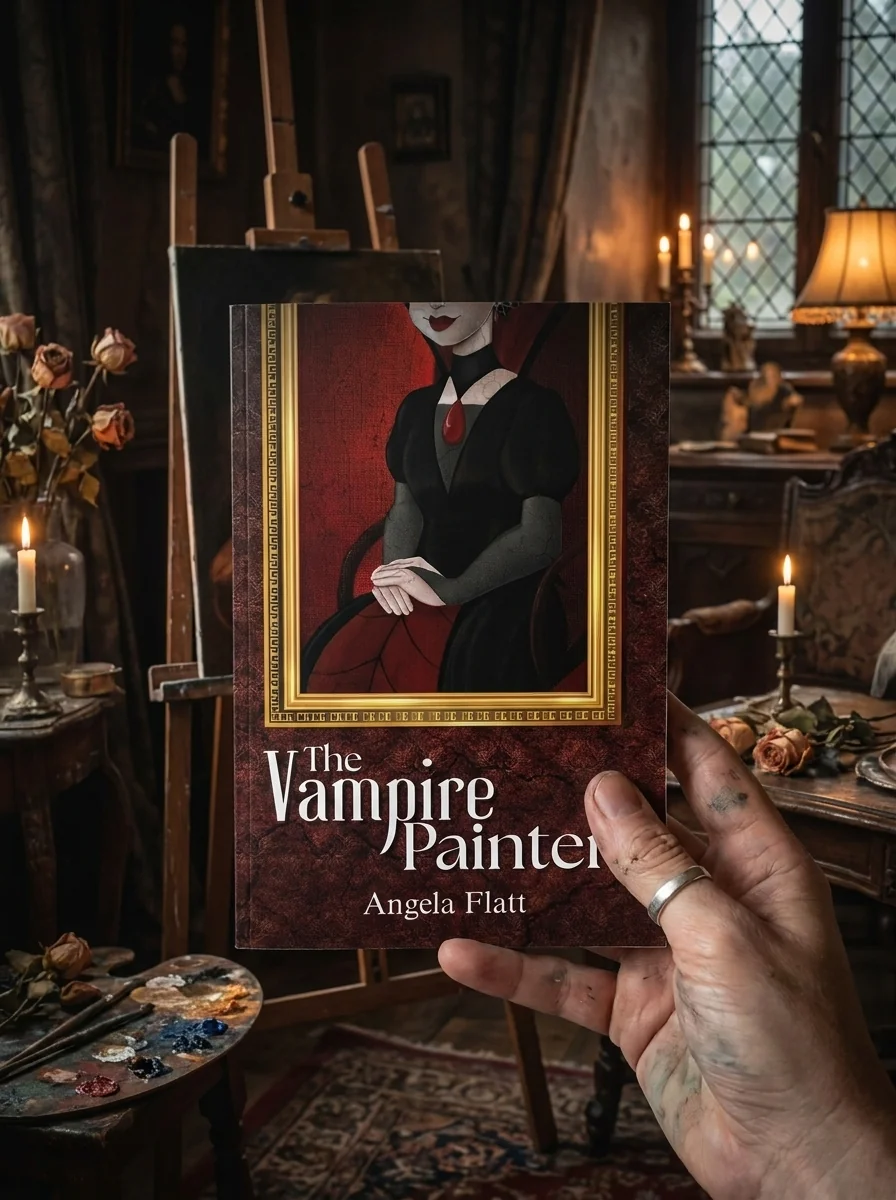
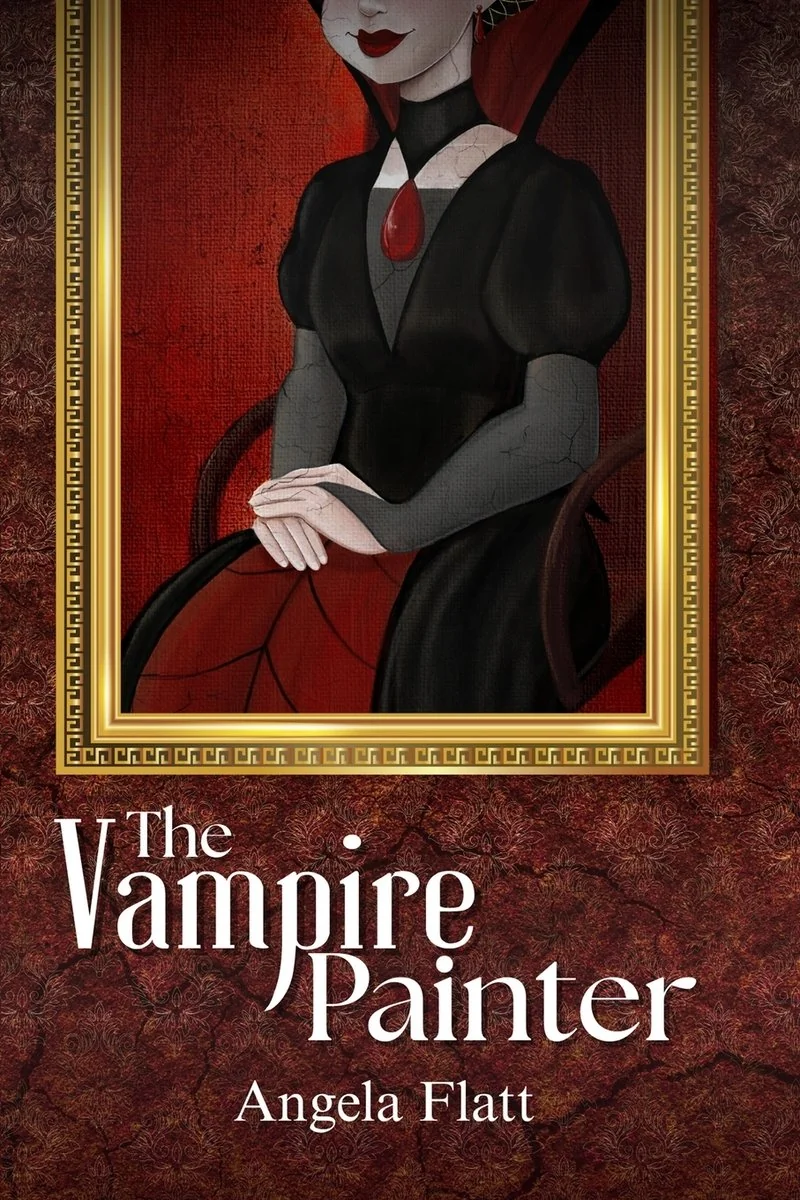
The Vampire Painter
A vampire countess demands a portrait that captures her soul, threatening any artist who fails.
The novel follows Venus Faucher as she navigates the perilous world of high society patronage. Her employer is Countess Luchia de Sarracenia, whose vanity is matched only by her vampiric nature. Previous artists have suffered for their inability to depict the Countess accurately. Venus hopes this role will provide stability for her career. Instead, she finds herself trapped in a cycle of fear and obligation. The story details the psychological toll of serving a creature who views humans as disposable tools. It highlights the tension between creative integrity and survival. The narrative structure moves from professional hope to personal dread as the true cost of the patronage becomes clear.
This 2025 release by Animatia Train engages with gothic fiction traditions. It reimagines vampire mythology through the lens of artistic creation and gender dynamics in a historical setting.


📝 Description: The Vampire Painter
💎 Our verdict on The Vampire Painter
📖 Why choose it
Why this book is worth reading
Readers who enjoy psychological horror and gothic atmospheres will find significant value in this exploration of power dynamics between creator and patron. The book appeals to those fascinated by the intersection of art and survival, offering a tense look at how creative integrity is tested under extreme duress. Fans of vampire fiction that moves beyond simple romance or action into darker, more introspective territories will appreciate the focus on the psychological toll of serving a predatory entity. It is particularly suitable for audiences who prefer narrative tension derived from character relationships and internal struggle rather than external gore or historical exposition.
⭐ Reader reviews
Reader rating
Flatt delivers a compelling study of fear and obligation, effectively using the vampire archetype to examine the vulnerability of the artist. The narrative excels in building dread through the protagonist’s gradual realization of her precarious position within high society patronage. By focusing on Venus Faucher’s psychological journey rather than just supernatural spectacle, the author creates a tense, claustrophobic atmosphere that resonates with gothic traditions. The work is best suited for readers who appreciate slow-burn horror and complex power dynamics. It avoids historical pedantry in favor of mood, making it an ideal choice for those seeking atmospheric depth and a critical look at artistic ambition within a lethal context.
You might also like
See more →





Have a question about this item?
Ask about the edition, condition, delivery or anything else — we reply by email or phone, usually within a day.
