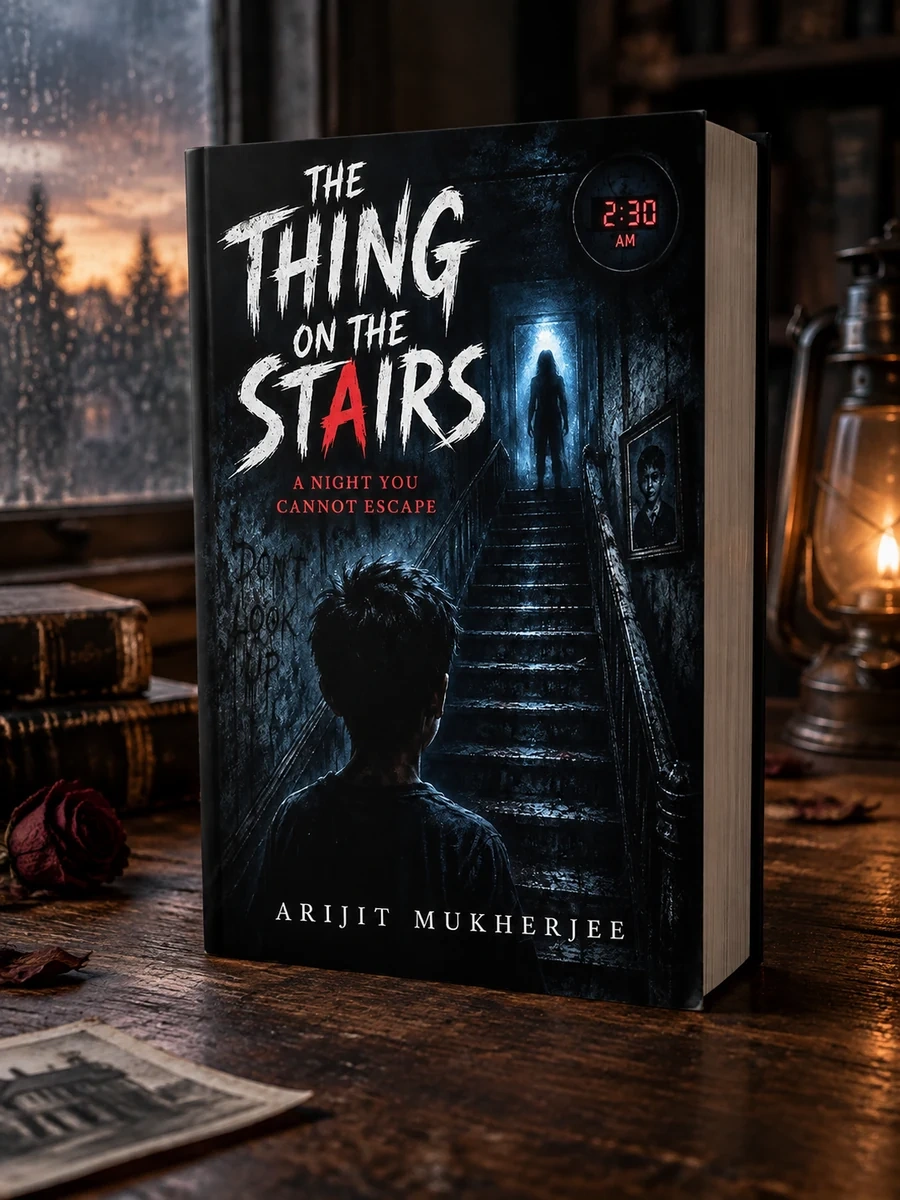
The Thing on the Stairs: A Night You Cannot Escape
A psychological horror about memory, guilt, and a haunted house that never forgets.
Mukherjee crafts a narrative where the setting is as menacing as any monster. The protagonist’s decision to stop and look at the staircase triggers a chain of events he cannot control. The story examines how guilt can manifest in physical spaces. It uses the trope of the unforgetting house to externalize internal trauma. The text avoids traditional jump scares, relying instead on the dread of anticipation. Ritam’s experience is isolated and personal, emphasizing his vulnerability. The narrative structure supports this focus by keeping the scope tight around the staircase incident. Readers will find the atmosphere thick with unease rather than gore. The book does not provide easy answers about the entity’s nature. It leaves the reader with a lingering sense of dread. This approach aligns with classic supernatural fiction that prioritizes mood over plot twists.
This work sits within the tradition of American and British gothic horror, focusing on domestic spaces as sites of terror. It draws on supernatural fiction tropes where houses retain memories of past events. The narrative style reflects contemporary psychological horror that emphasizes internal dread over external monsters.


📝 Description: The Thing on the Stairs: A Night You Cannot Escape
💎 Our verdict on The Thing on the Stairs: A Night You Cannot Escape
📖 Why choose it
Why this book is worth reading
Readers who crave atmospheric tension and psychological depth will find this book rewarding. It appeals to those interested in how guilt manifests physically within haunted architecture. Fans of slow-burn horror that avoids cheap jump scares will appreciate the focus on anticipation and unease. The narrative offers a compact, intense experience for enthusiasts of mood-driven supernatural tales. It is ideal for individuals who prefer exploring the weight of past sins through isolation and vulnerability rather than action.
⭐ Reader reviews
Reader rating
Mukherjee successfully crafts a chilling portrait of memory and guilt through the lens of a haunting staircase. The book excels in building thick unease, treating the house as a character that refuses to forget. By focusing on Ritam’s isolated psychological unraveling, the narrative achieves a potent sense of dread without relying on gore or fast-paced adventure. It suits readers who enjoy classic supernatural fiction where mood outweighs plot twists. While it lacks clear resolutions for some, this ambiguity enhances the lingering terror. The tight scope around a singular terrifying moment creates an immersive, vulnerable experience that lingers long after reading.
📖 Read on the blog
📖 From the series “The Forbidden Places”
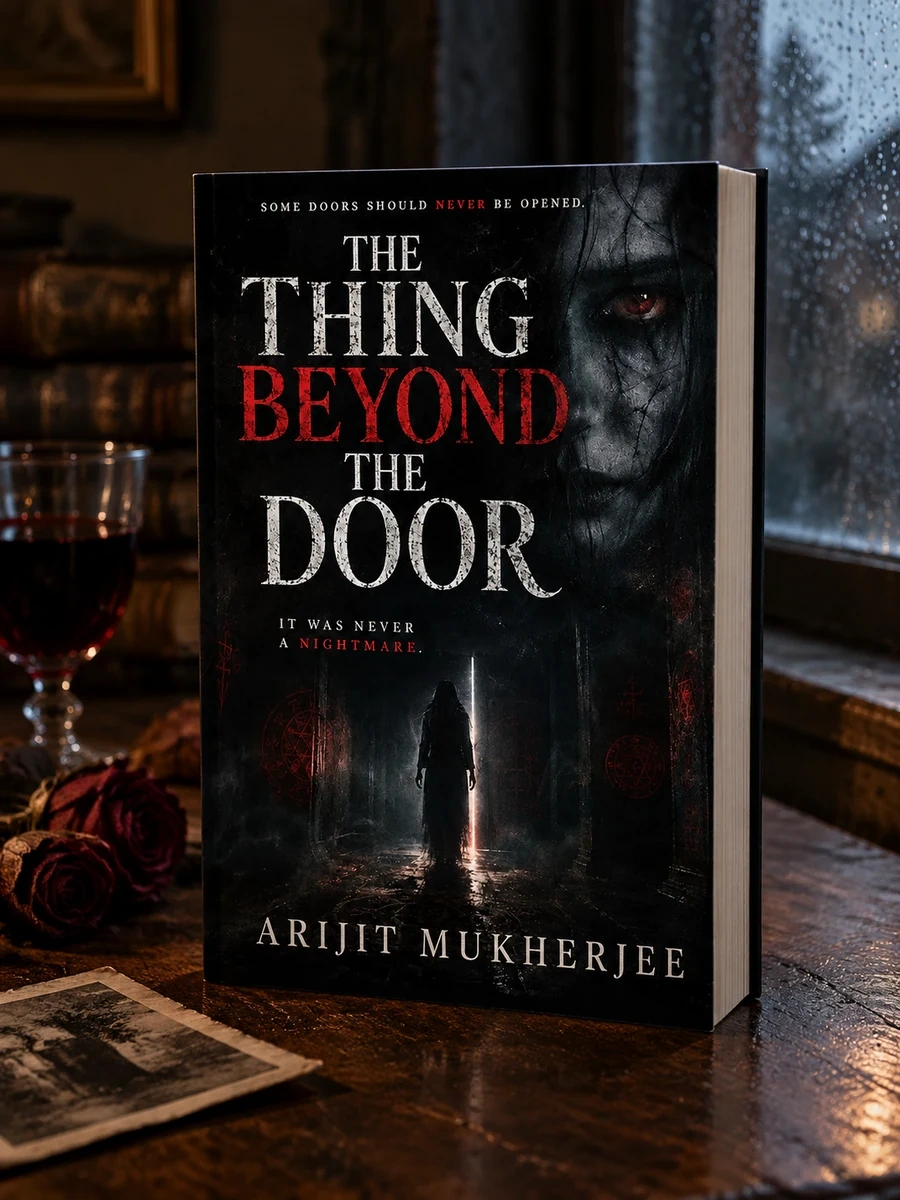



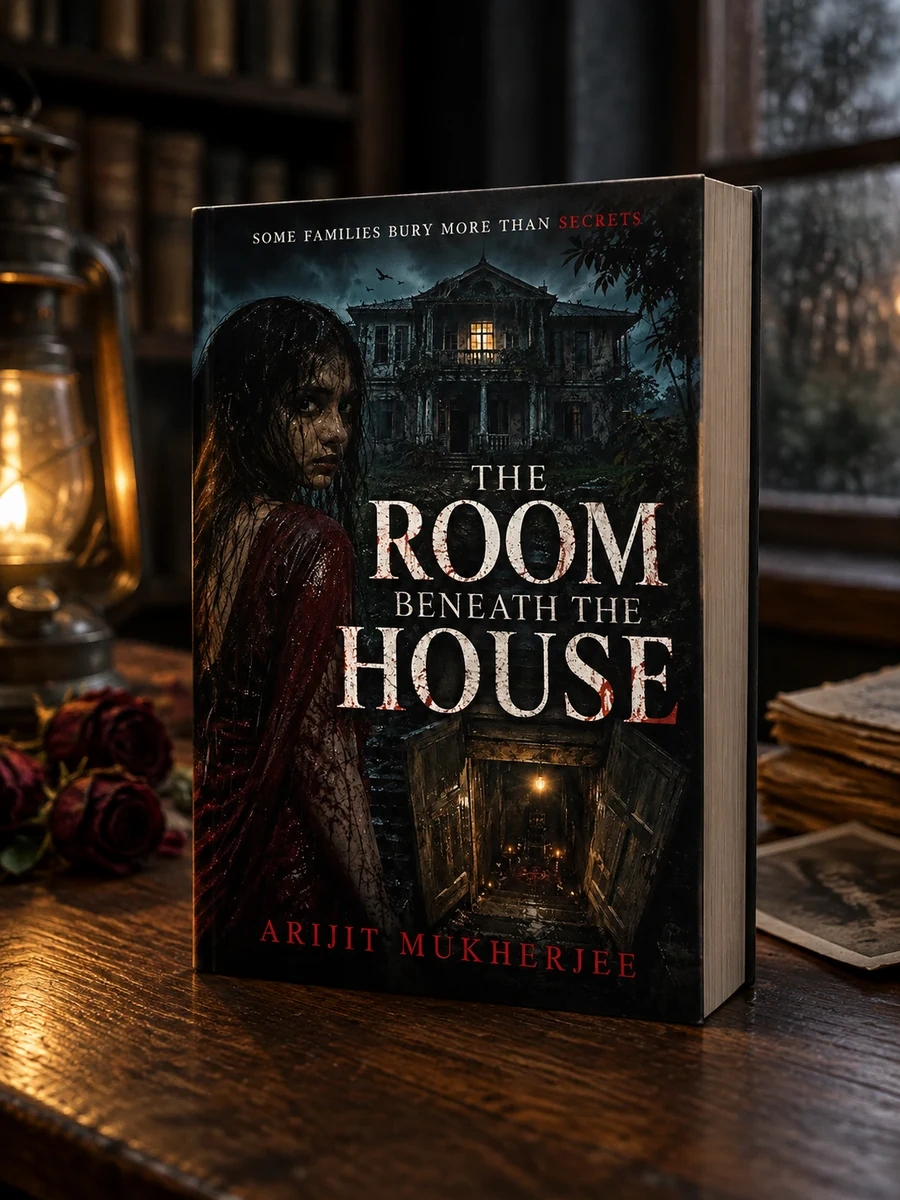
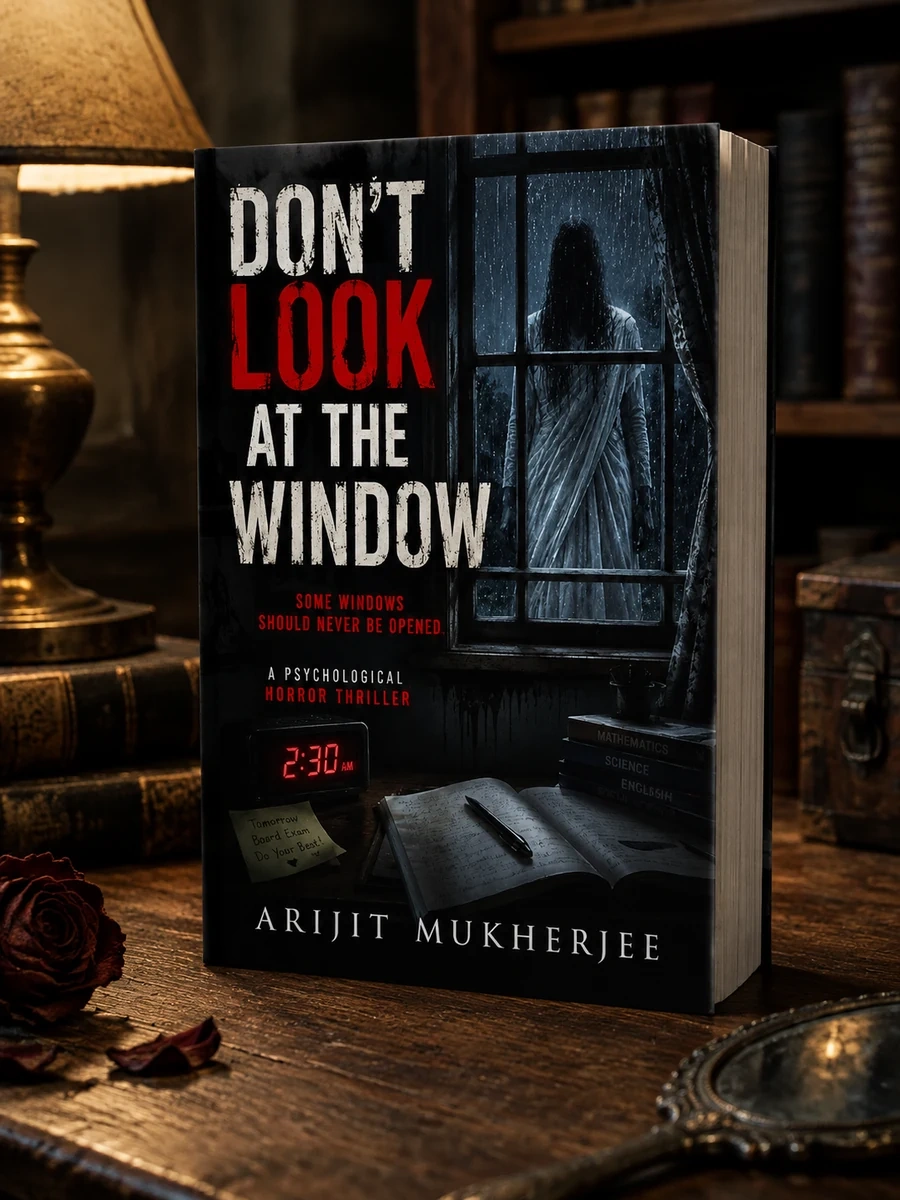
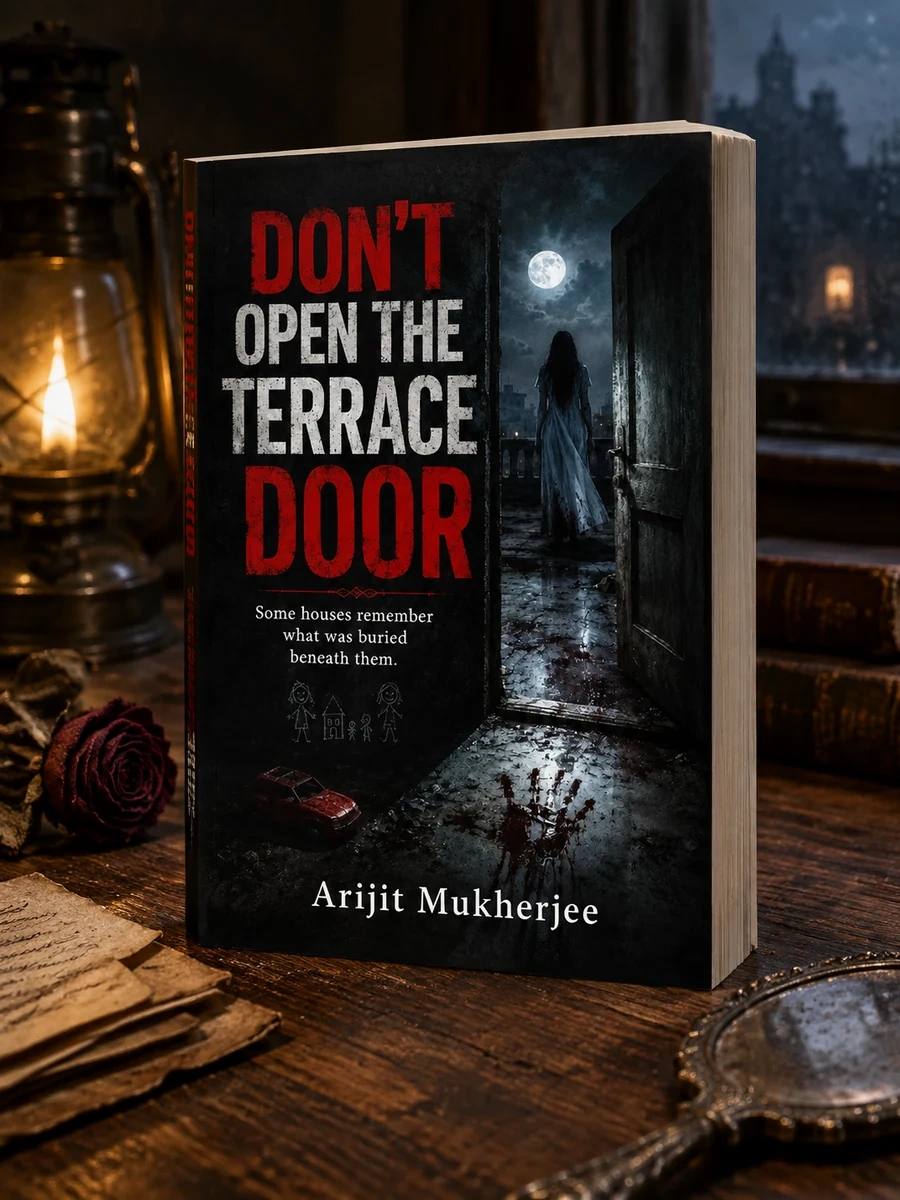

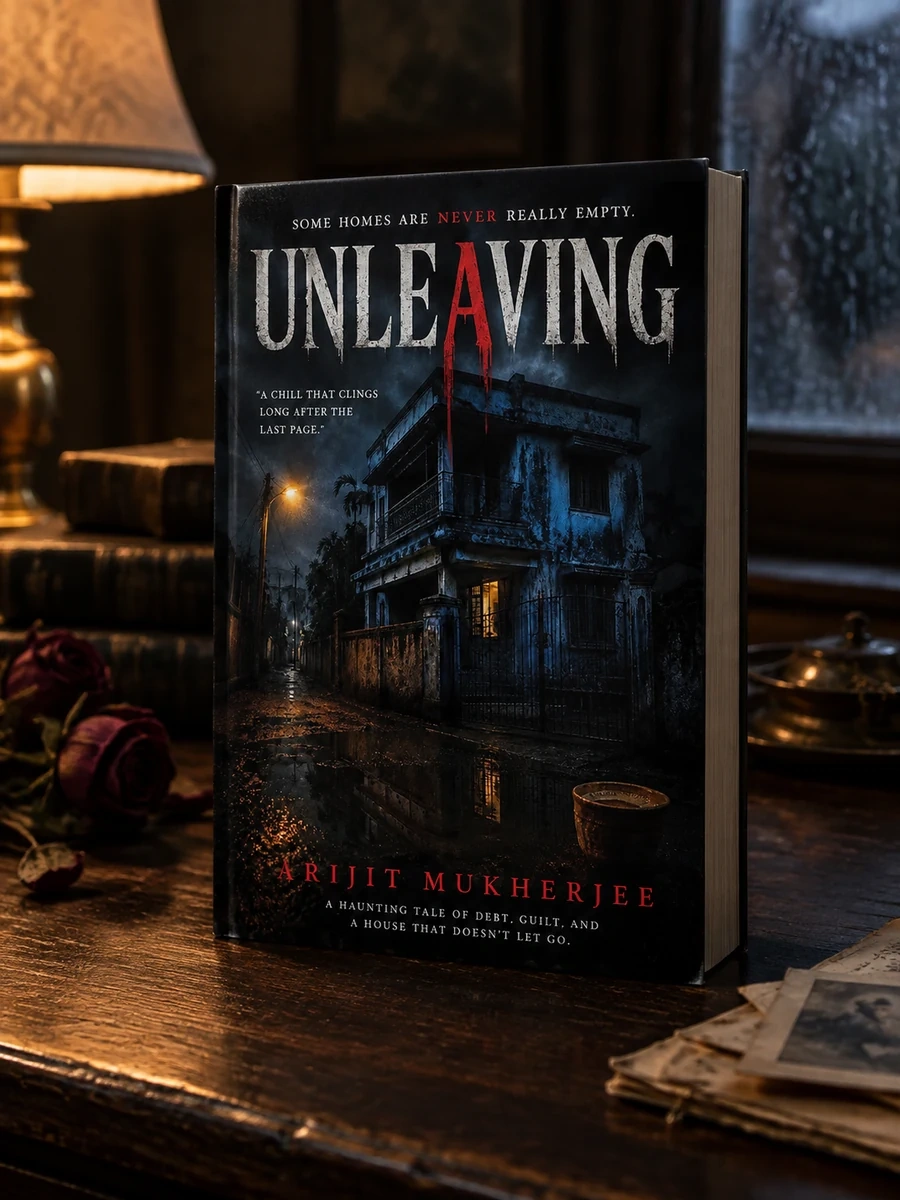
✍️ More books by this author Arijit Mukherjee



🏛 Books from this publisher Independently Published






You might also like
See more →




Have a question about this item?
Ask about the edition, condition, delivery or anything else — we reply by email or phone, usually within a day.
