

Don't Open the Terrace Door: Some Houses Remember What Was Buried Beneath Them
A psychological horror tale about a man alone in a house that remembers him.
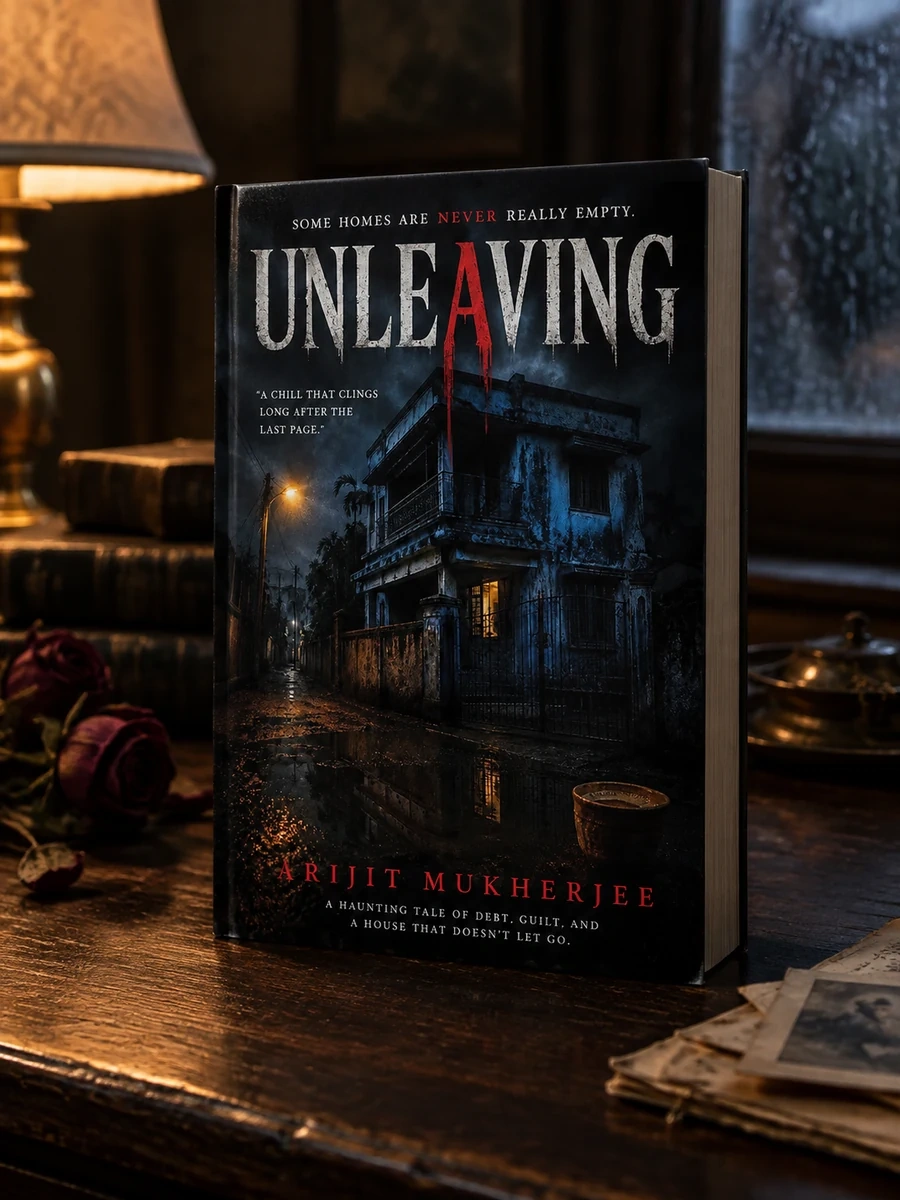
The narrative follows Subha during his solitary stay at the old family estate. He experiences supernatural events starting with footsteps on the terrace and a crying woman’s voice. These phenomena lead to the revelation of secrets hidden for two decades. The story emphasizes the emotional toll of these discoveries and the terrifying realization that an entity on the terrace is aware of his presence. It is a study in isolation and the weight of family history.
The book sits within the American market for independent horror fiction, published in 2026. It draws on the tradition of psychological horror where domestic spaces become sites of supernatural dread. The narrative focuses on universal fears of isolation and the past resurfacing, appealing to readers who prefer atmospheric tension over graphic violence.


📝 Description: Don't Open the Terrace Door: Some Houses Remember What Was Buried Beneath Them
💎 Our verdict on Don't Open the Terrace Door: Some Houses Remember What Was Buried Beneath Them
📖 Why choose it
Why this book is worth reading
Readers seeking atmospheric psychological horror rather than visceral gore will find this narrative compelling. It appeals to those interested in the emotional toll of uncovering long-buried family secrets and the weight of history. The story is ideal for audiences who enjoy suspense driven by the fear of the unknown and isolation. Those who appreciate slow-building dread and shocking twists rooted in human trauma will gain satisfaction from its exploration of a house that remembers its past. It suits individuals who prefer emotional resonance over action, offering a chilling study of how hidden truths can manifest as terrifying supernatural phenomena within the confines of a family estate.
⭐ Reader reviews
Reader rating
Mukherjee delivers a chilling tale where the setting itself becomes an antagonist, embodying decades of silence and trauma. The narrative effectively builds tension through auditory cues like footsteps and weeping, creating a palpable sense of isolation. By focusing on Subha’s gradual realization that an entity remembers him, the book leverages psychological horror to explore themes of guilt and history. It avoids complex structures in favor of mounting dread, making it accessible yet deeply unsettling. The emphasis on emotional weight ensures the horror lingers beyond the final page. This work is best suited for fans of gothic atmosphere and those who enjoy mysteries where the true terror lies in the revelation of buried family sins rather than external monsters.
📖 Read on the blog
📖 From the series “The Forbidden Places”
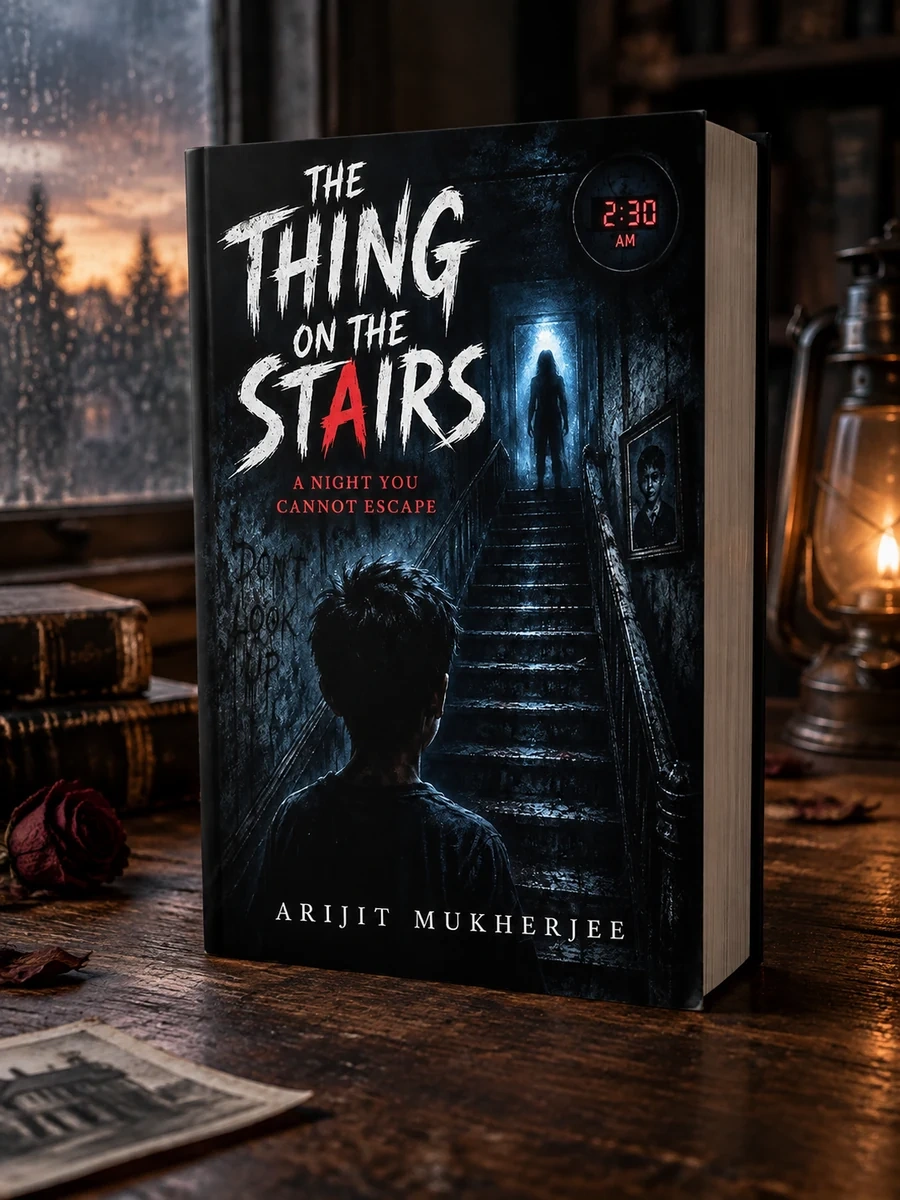


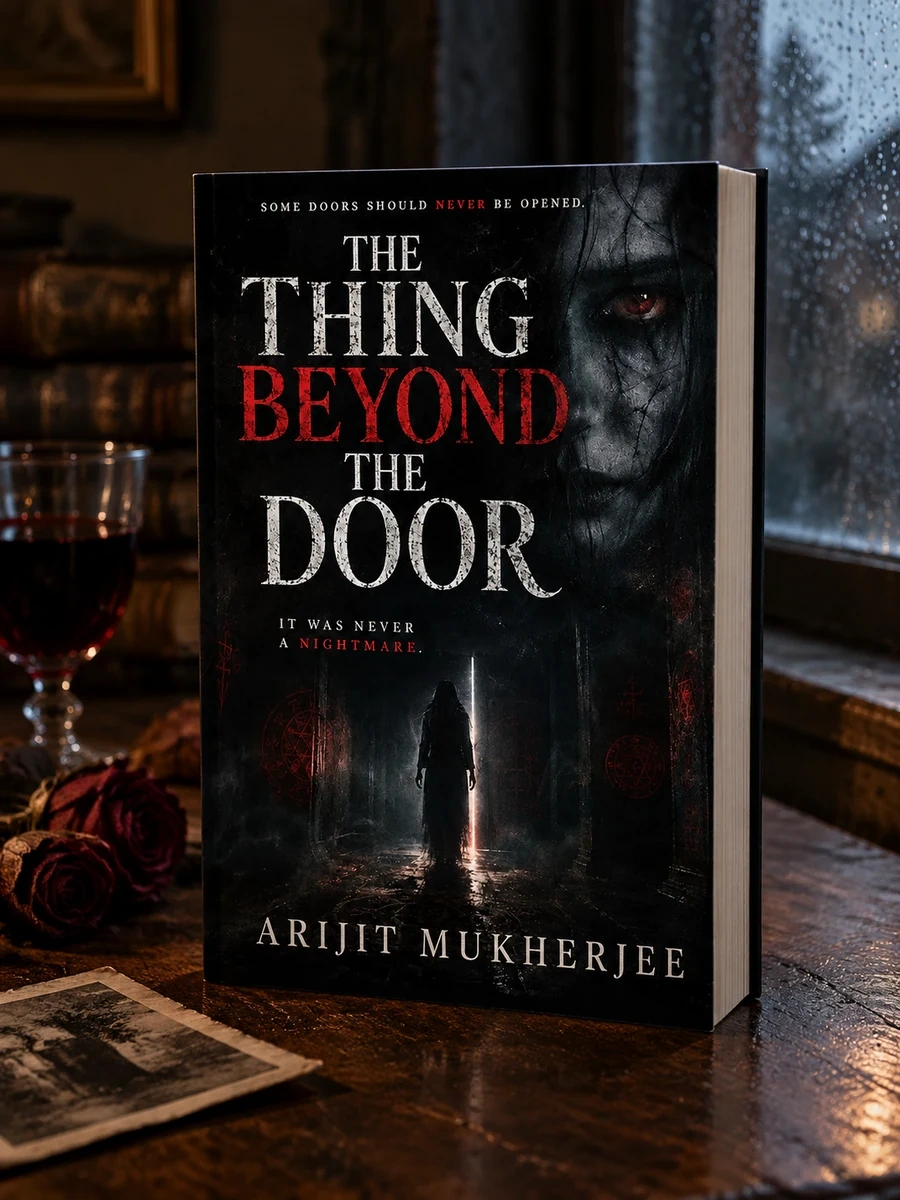

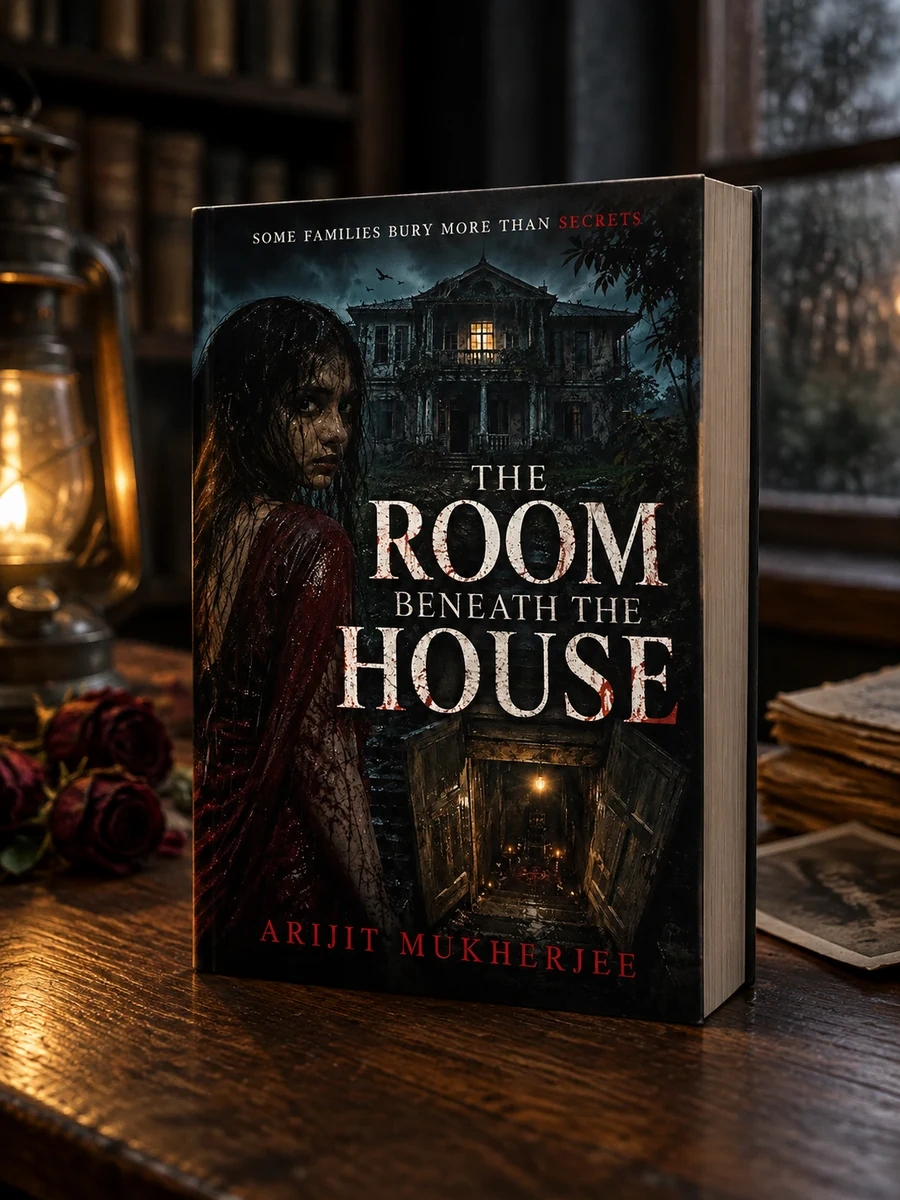
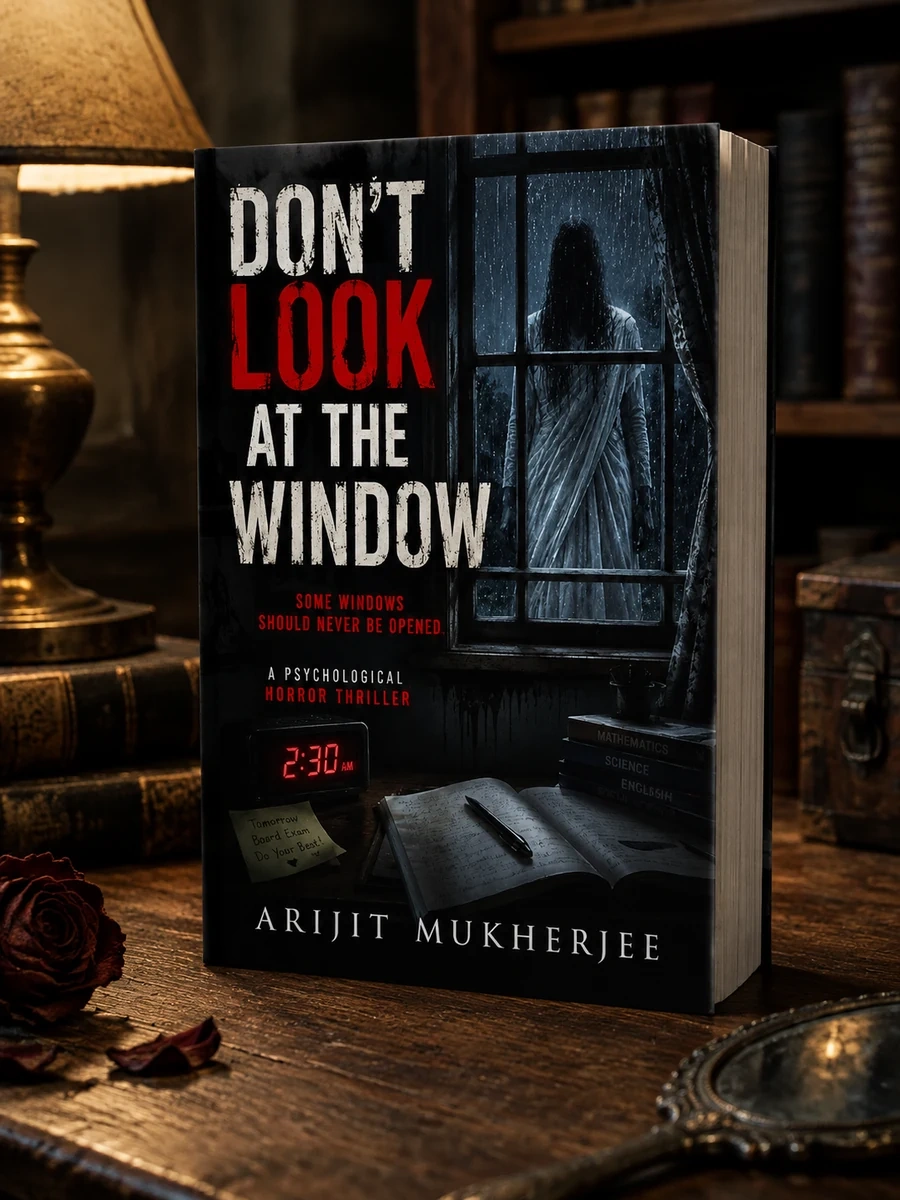

✍️ More books by this author Arijit Mukherjee



🏛 Books from this publisher Independently Published






You might also like
See more →



Have a question about this item?
Ask about the edition, condition, delivery or anything else — we reply by email or phone, usually within a day.
