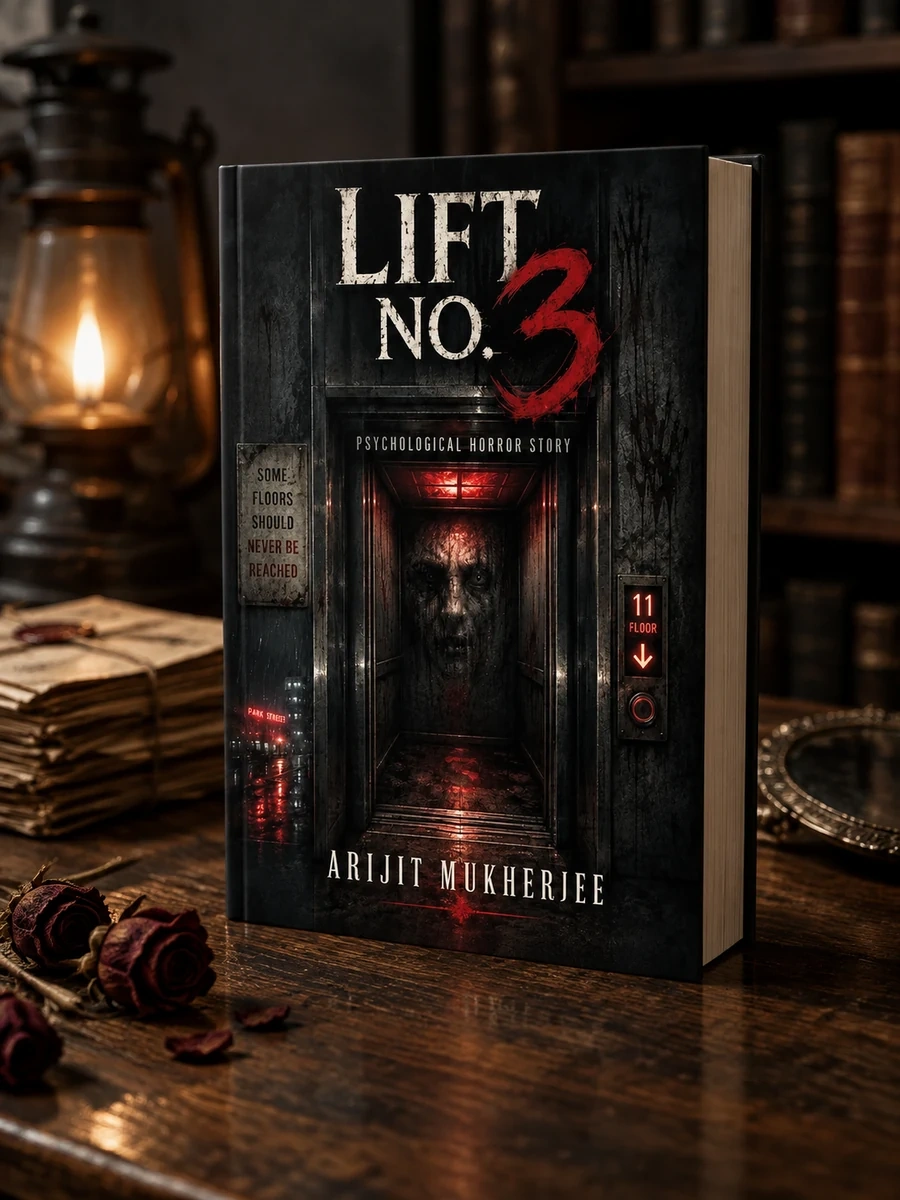
Lift No. 3: Psychological Horror Story
A chilling tale of office isolation and supernatural dread in a haunted elevator.
The narrative begins with Rajiv stepping into Lift No. 3 late at night. By morning, the elevator is sealed without explanation. Colleagues avoid the third lift after sunset due to strange occurrences. Reports include knocking sounds and glimpses of figures under red light. The story focuses on the psychological impact of these events on the staff. It highlights how silence becomes oppressive and shadows feel threatening. The plot does not offer easy answers or clear villains. Instead, it builds tension through the characters' growing paranoia and isolation. The setting remains confined to the office environment, making the horror feel immediate and inescapable for those trapped within its walls.
This story sits within the tradition of psychological horror that emphasizes atmosphere over gore. It draws on gothic elements of haunted spaces and unseen threats. The narrative reflects modern anxieties about workplace environments and the loss of control. It does not reference specific historical periods but focuses on contemporary office life.


📝 Description: Lift No. 3: Psychological Horror Story
💎 Our verdict on Lift No. 3: Psychological Horror Story
📖 Why choose it
Why this book is worth reading
Readers who prefer atmospheric tension over graphic violence will find this narrative compelling. It offers a study in paranoia and the psychological weight of silence, making it ideal for those interested in how mundane settings can become terrifying. The book appeals to fans of slow-burn horror where the fear stems from the unknown rather than explicit monsters. It is suitable for individuals who enjoy exploring themes of isolation and the breakdown of rationality within confined spaces. By focusing on suggestion and mood, it provides a chilling experience for those who appreciate psychological suspense and the uncanny in everyday life.
⭐ Reader reviews
Reader rating
Mukherjee delivers a masterclass in subtle terror, utilizing the oppressive atmosphere of an office building to evoke deep-seated dread. The narrative excels in its portrayal of creeping paranoia, where shadows feel threatening and silence becomes palpable. By avoiding clear villains or easy answers, the story forces readers to sit with their own unease. It suits those who appreciate gothic traditions adapted to modern settings and psychological horror that prioritizes mood over action. The confined setting enhances the immediacy of the fear, making it a strong choice for enthusiasts of atmospheric suspense and stories about the fragility of sanity.
📖 Read on the blog
📖 From the series “The Forbidden Places”
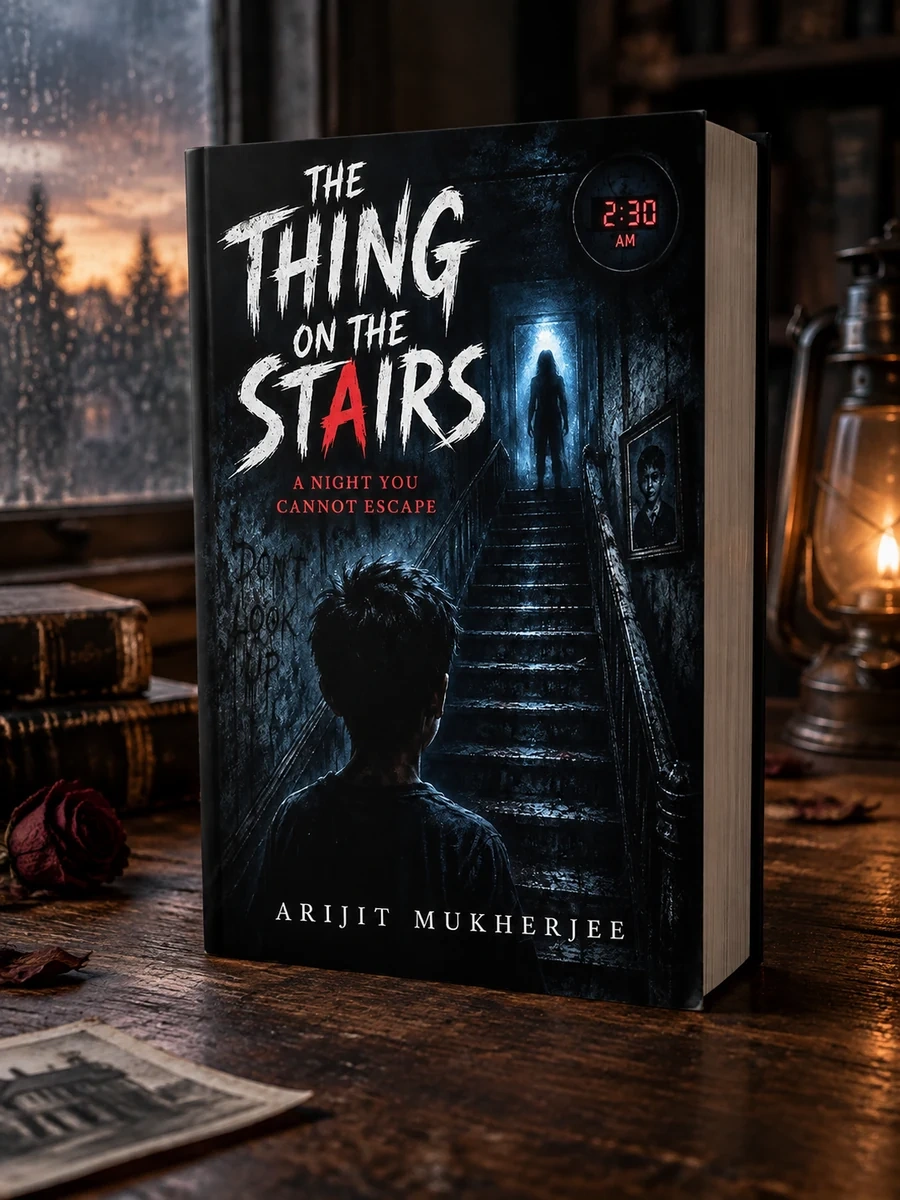


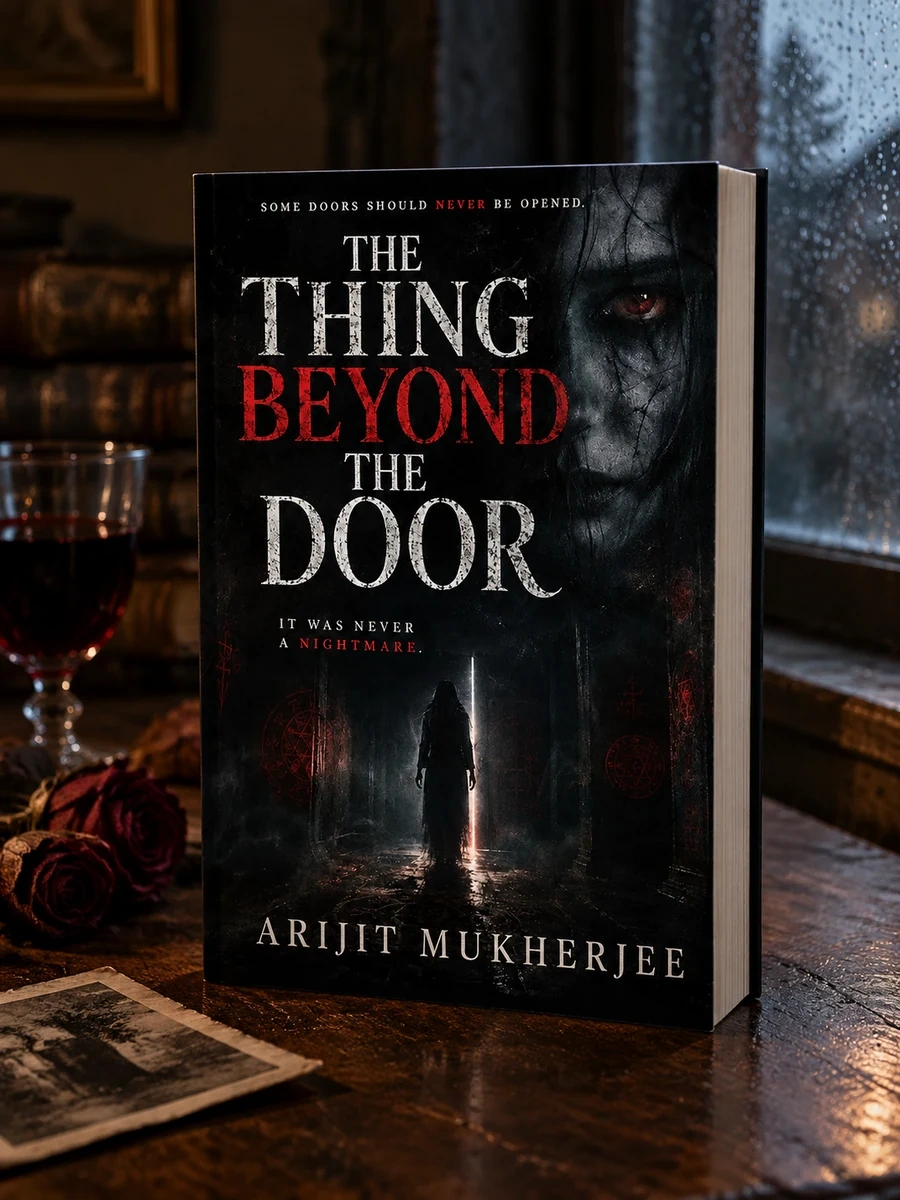

✍️ More books by this author Arijit Mukherjee



🏛 Books from this publisher Independently Published






You might also like
See more →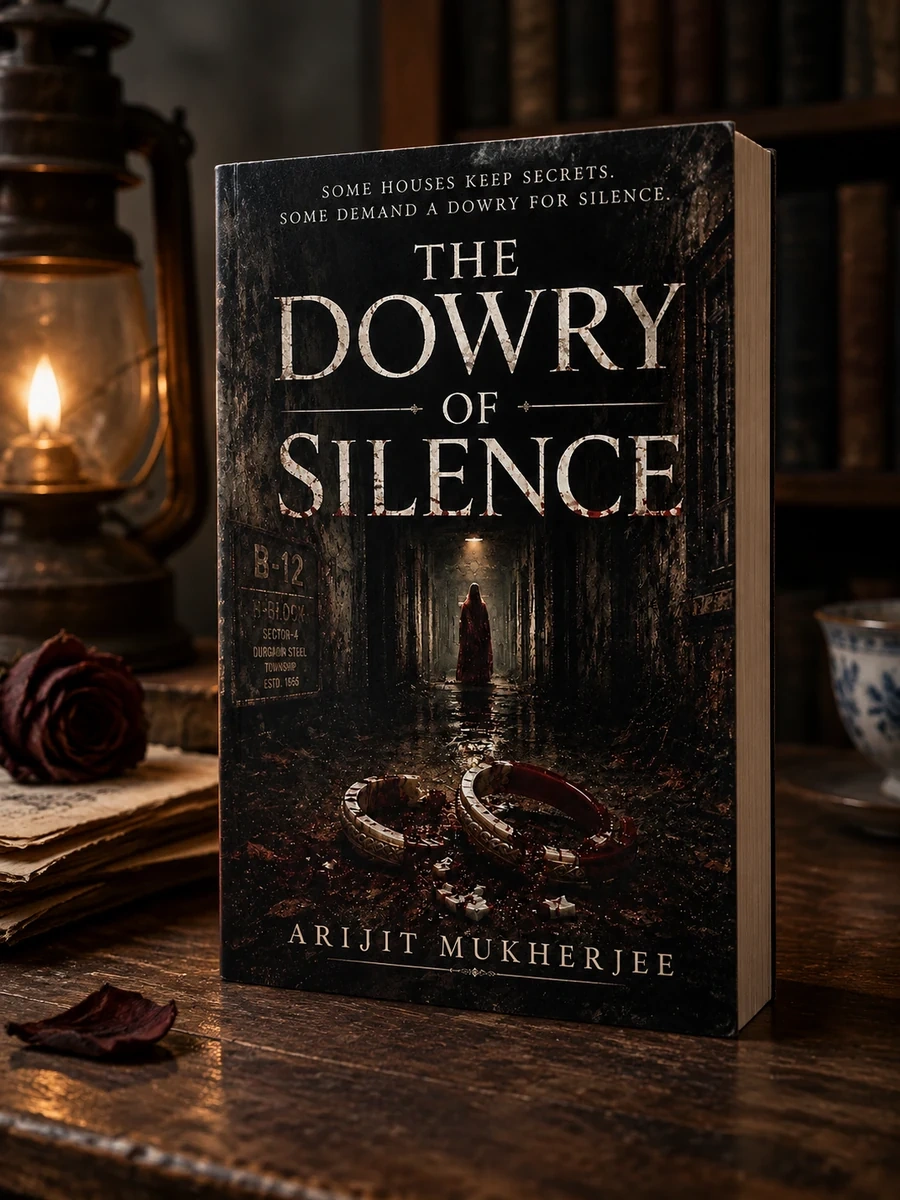



Have a question about this item?
Ask about the edition, condition, delivery or anything else — we reply by email or phone, usually within a day.
