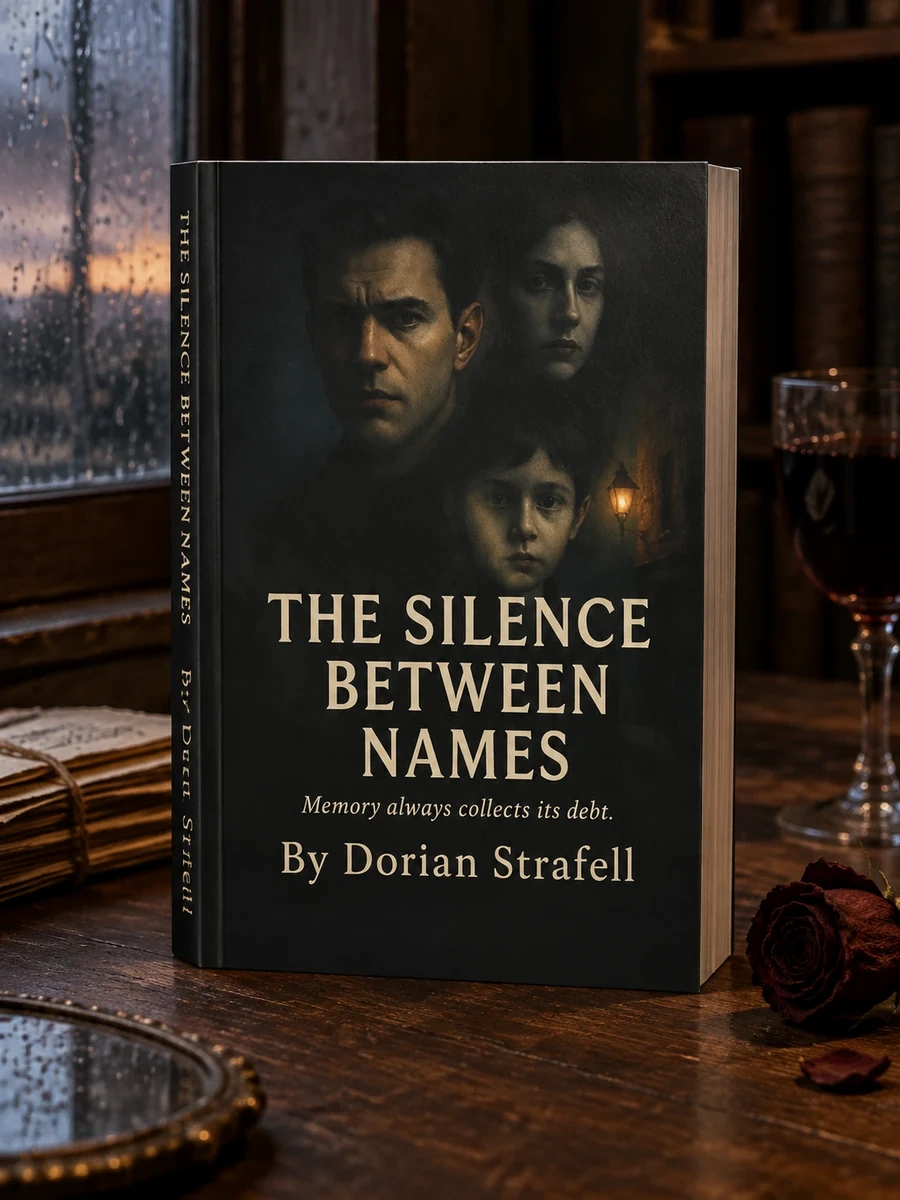
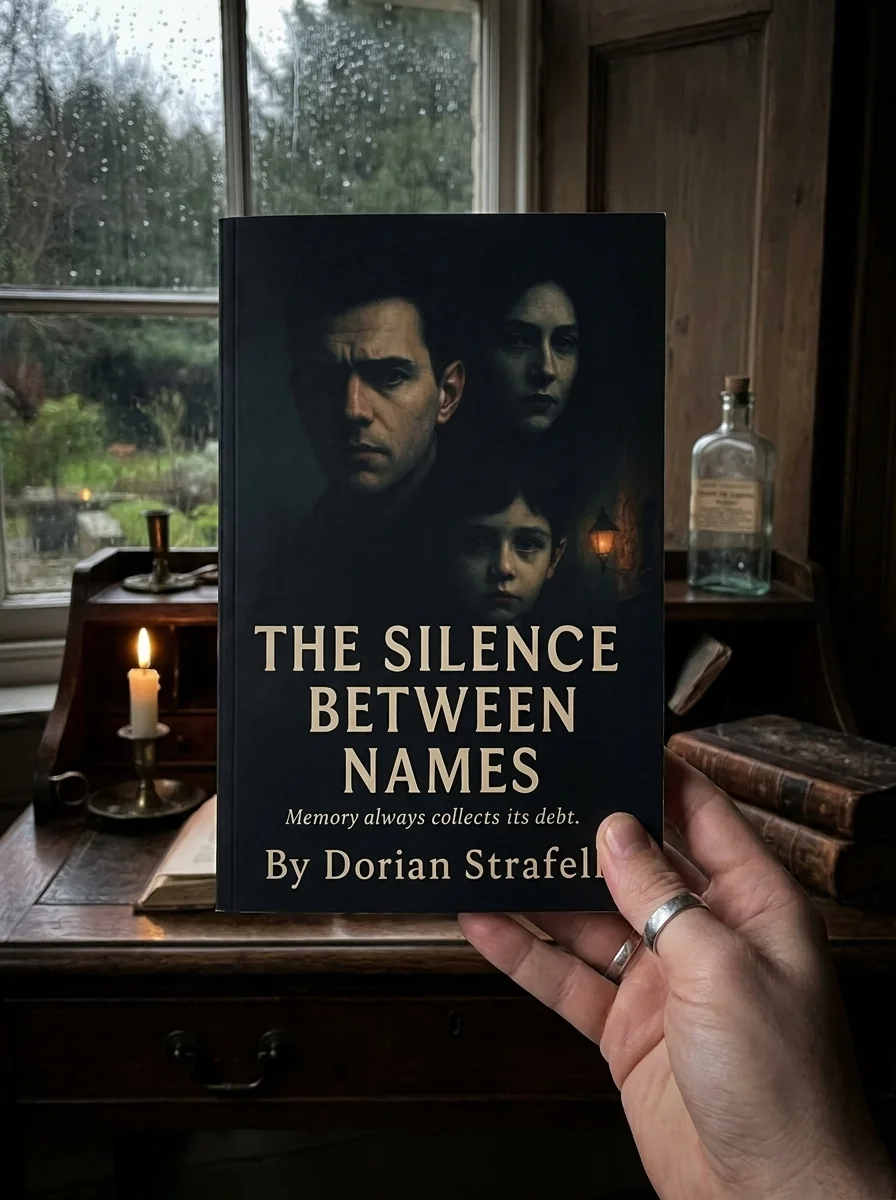
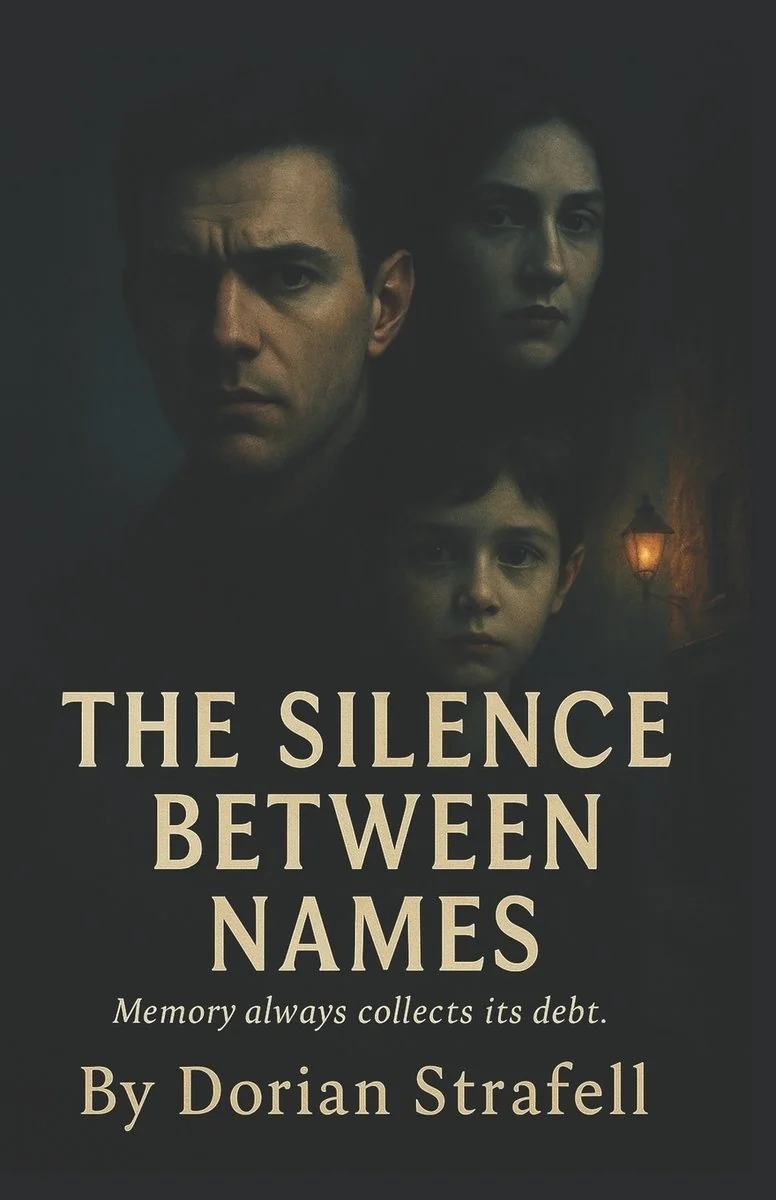
The Silence Between Names: Memory always collects its debt
A psychological horror novel about memory as a debt collector.
Strafell’s narrative focuses on the psychological toll of remembering. Memory acts as a creditor, collecting debts that disrupt the protagonist's sense of self. The story explores how recollection can distort reality, creating a vision-based horror that feels personal and intimate. This approach appeals to readers who enjoy slow-burn tension and philosophical questions about identity. The book is organized to maintain a consistent tone of unease without relying on external threats. It offers a stark exploration of how the past demands payment from the present.
Published in 2025 by Independently Published, this paperback joins contemporary discussions on psychological horror. It draws on visionary fiction traditions to explore existential dread. The work targets American readers interested in introspective terror and the instability of identity.


📝 Description: The Silence Between Names: Memory always collects its debt
💎 Our verdict on The Silence Between Names: Memory always collects its debt
📖 Why choose it
Why this book is worth reading
This book is for readers who find conventional horror tropes hollow and seek dread rooted in the mind rather than external monsters. It appeals to those willing to engage with complex ideas about selfhood and the stability of identity through philosophical inquiry. The narrative offers a stark exploration of how the past demands payment from the present, creating a vision-based horror that feels personal and intimate. Those interested in the intersection of psychology and metaphysics will find value in its slow-burn tension and consistent tone of unease. It is not for those seeking fast-paced action or jump scares, but rather for readers who enjoy introspective terror and the unsettling premise that memory acts as a creditor collecting debts.
⭐ Reader reviews
Reader rating
Strafell delivers a cohesive atmospheric experience where memory becomes an entity demanding repayment, blurring reality and vision. The text avoids generic thrills, favoring slow-burning unease typical of visionary fiction. It successfully challenges the stability of identity through an unsettling premise that lingers in quiet spaces between thoughts. The consistent tone offers philosophical inquiry alongside psychological tension, making it suitable for readers who prefer introspective terror. While it may not appeal to those seeking fast-paced action or conventional horror tropes, it stands as a strong example of psychological horror that examines metaphysical themes through recollection. The paperback format invites a focused reading experience for those interested in the unseen costs associated with memory.
📖 Read on the blog
🏛 Books from this publisher Independently Published








You might also like
See more →
Have a question about this item?
Ask about the edition, condition, delivery or anything else — we reply by email or phone, usually within a day.
