The Warden
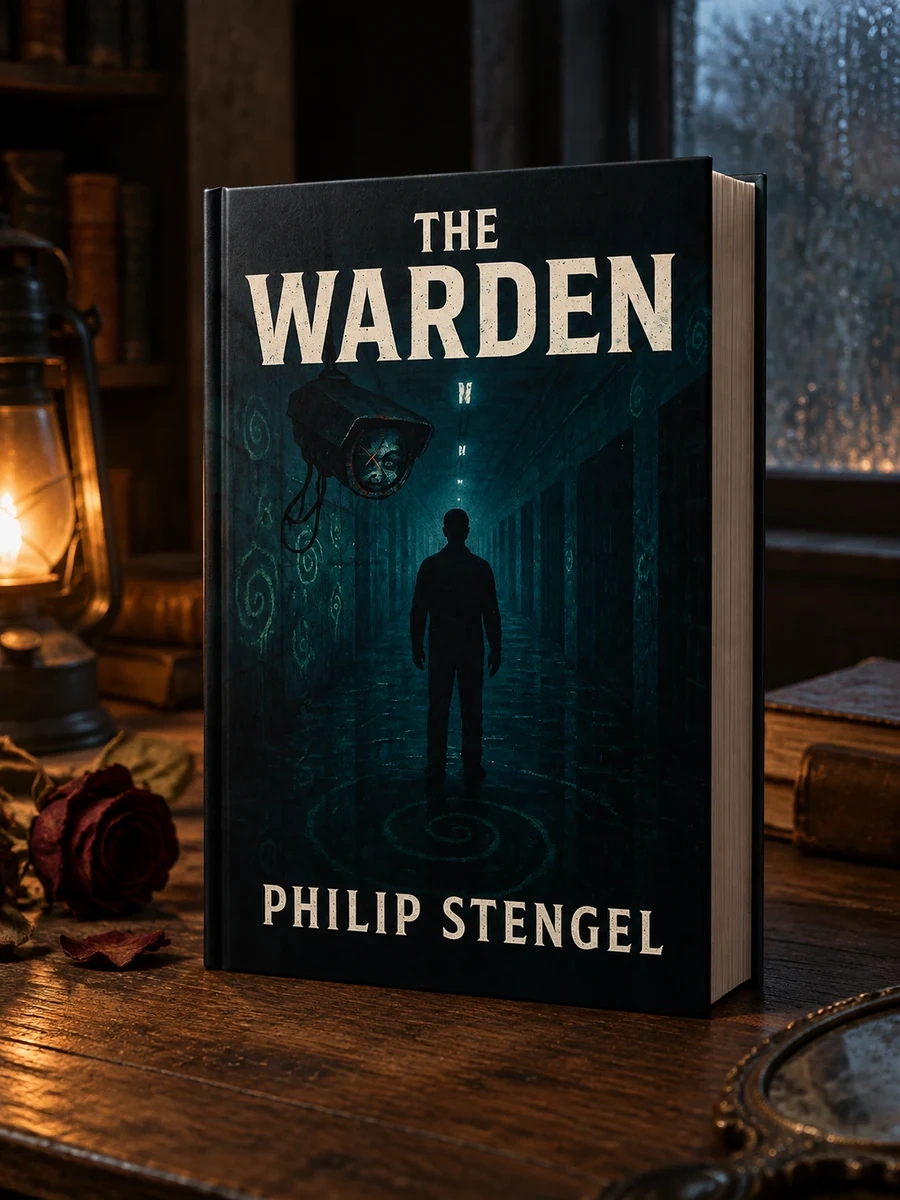
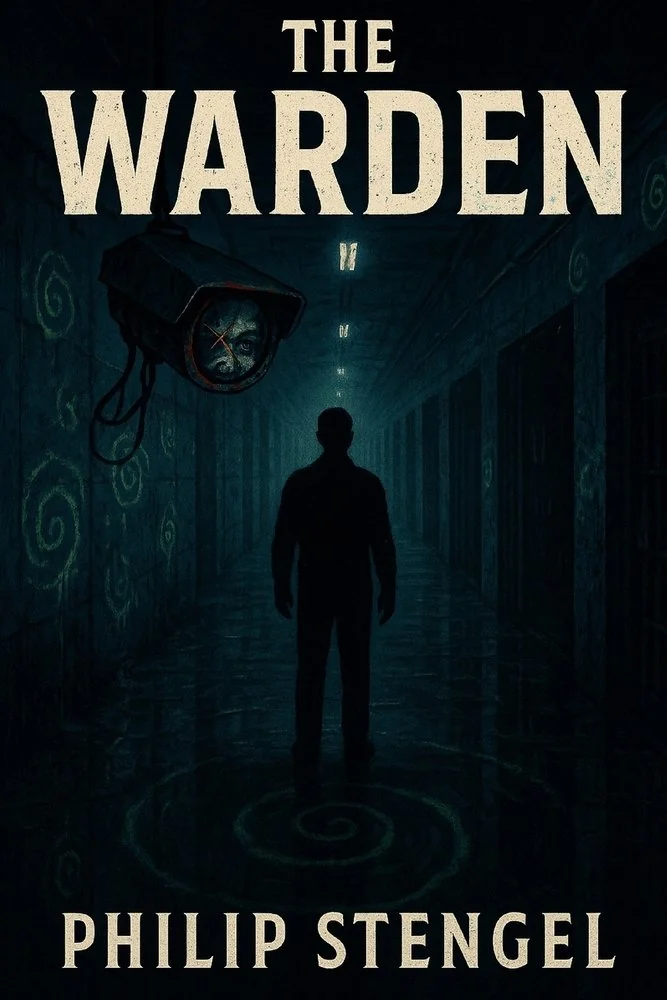
A prison guard discovers the facility is alive and watching him back.
Alex Carver’s routine nights at Ironclad Penitentiary unravel after a new program implants neurological devices in inmates to stop violence. Time distorts and memories clash with video evidence, forcing Alex to confront a conspiracy linked to their past and an entity called the Hive. The prison walls shift and whispers intensify, creating a sense of being watched by the institution itself. This descent into madness challenges the boundary between mental breakdown and supernatural influence.
The Warden fits within the tradition of psychological horror where settings become active antagonists. It draws on themes found in House of Leaves, Session 9, and Control, focusing on surveillance and paranoia rather than traditional gothic tropes or historical periods.


📝 Description: The Warden
💎 Our verdict on The Warden
📖 Why choose it
Why this book is worth reading
Readers who crave mind-bending psychological horror where the environment actively watches back will find this novel deeply satisfying. It appeals to those interested in identity fracture, supernatural control, and the blurring of mental breakdown with external threats. Fans of tight explorations of paranoia within a single, shifting location will appreciate the focus on institutional madness over straightforward jump scares.
⭐ Reader reviews
Reader rating
Stengel delivers a claustrophobic descent into institutional madness that effectively challenges the boundary between mental collapse and supernatural influence. The narrative excels in creating a sense of being watched by the institution itself, with time distortion and memory clashes serving as potent tools for building dread. While it may disappoint those seeking traditional ghost stories or easy thrills, it rewards readers willing to engage with complex themes of surveillance and control. The depiction of the prison as a waking entity is both terrifying and intellectually stimulating.