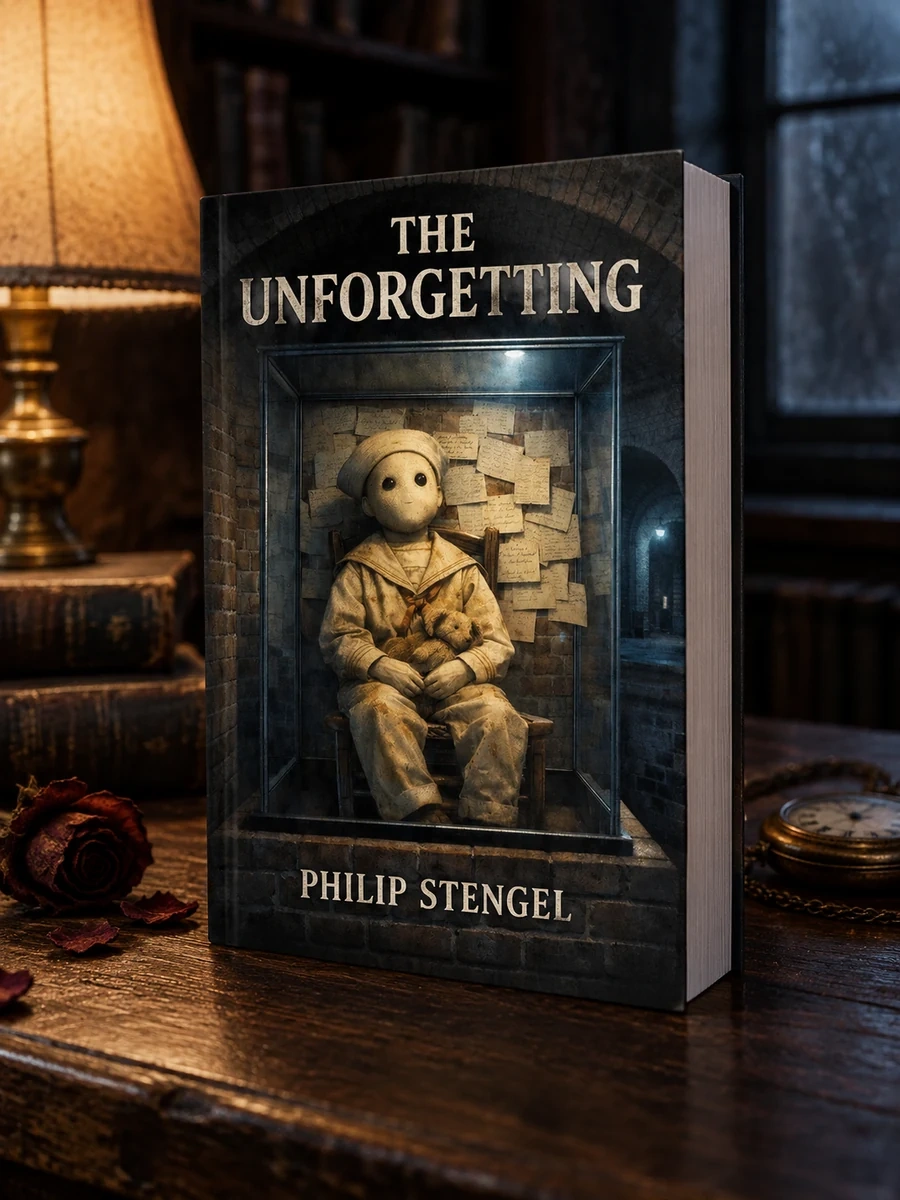
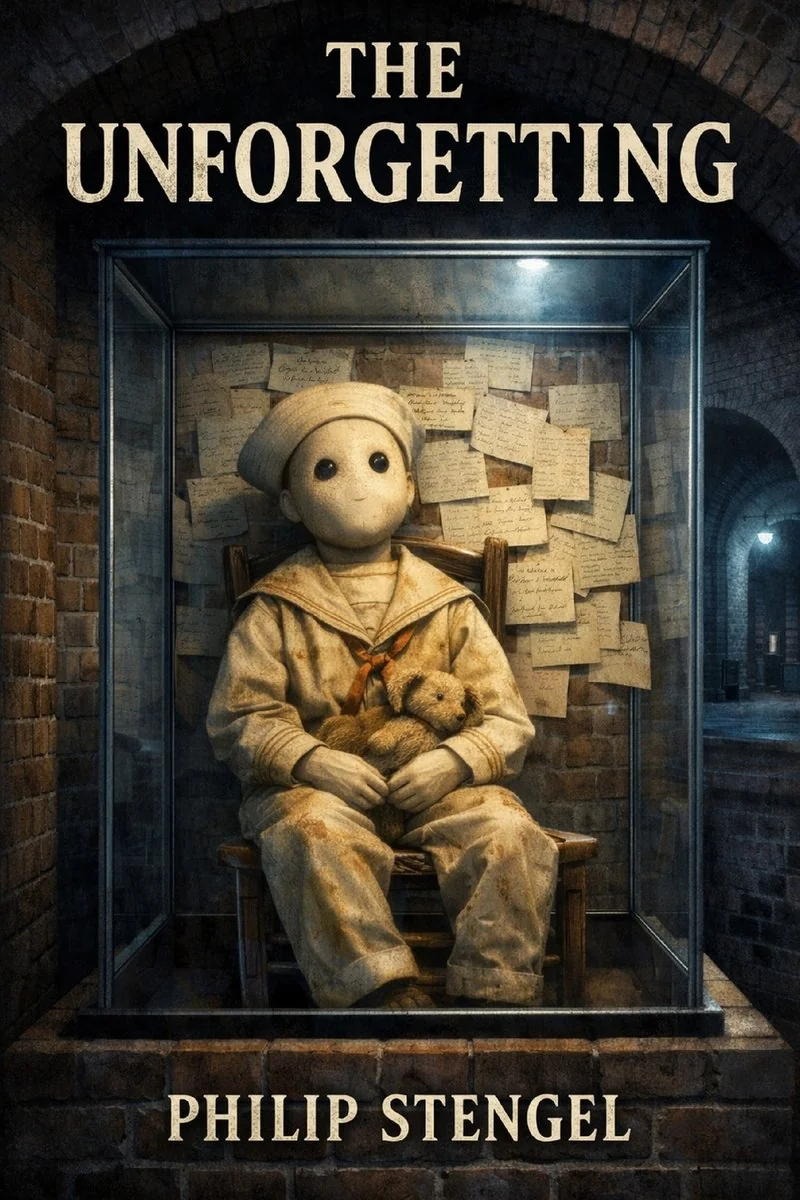
The Unforgetting
A novel about memory as property and the cost of digital attention.
Stengel examines how the past claims ownership over those who seek it. Eliza’s attempt to monetize mystery leads to her erasure, while Adrian manages the fallout of a system that feeds on recognition. The narrative highlights the fragility of identity when faced with an archive that demands payment in memory rather than money.
The story is rooted in Key West’s East Martello Museum, blending local folklore with contemporary fears about digital surveillance and the commodification of personal history in the modern era.


📝 Description: The Unforgetting
💎 Our verdict on The Unforgetting
📖 Why choose it
Why this book is worth reading
Readers who find themselves unsettled by the erosion of privacy and the commodification of personal memory will find this narrative deeply resonant. It offers a chilling exploration of how digital attention functions as a currency with tangible, often devastating costs. Those interested in stories where past actions intrude upon the present through corrupted files and unexplained phenomena will appreciate the slow-burn tension. The book is ideal for those who prefer psychological horror over jump scares, valuing emotional weight and atmospheric dread. It appeals to individuals concerned with the fragility of identity in an archive-driven world, providing a thoughtful look at how the past claims ownership over those who seek it through screens rather than traditional means.
⭐ Reader reviews
Reader rating
Stengel crafts a compelling blend of gothic horror and modern technological anxiety, grounding supernatural elements in the specific setting of the East Martello Museum. The narrative effectively illustrates the concept of memory as property, showing how Eliza’s pursuit of viral fame triggers cascading digital anomalies. Adrian’s role adds depth by depicting the institutional management of such intangible threats. The book excels in building a lingering sense of dread through corrupted files and blurred realities rather than relying on cheap shocks. It is best suited for readers who enjoy psychological horror that examines contemporary fears about digital folklore and privacy. While not for those seeking fast-paced action, it rewards patience with a thoughtful, atmospheric investigation into the cost of recognition.