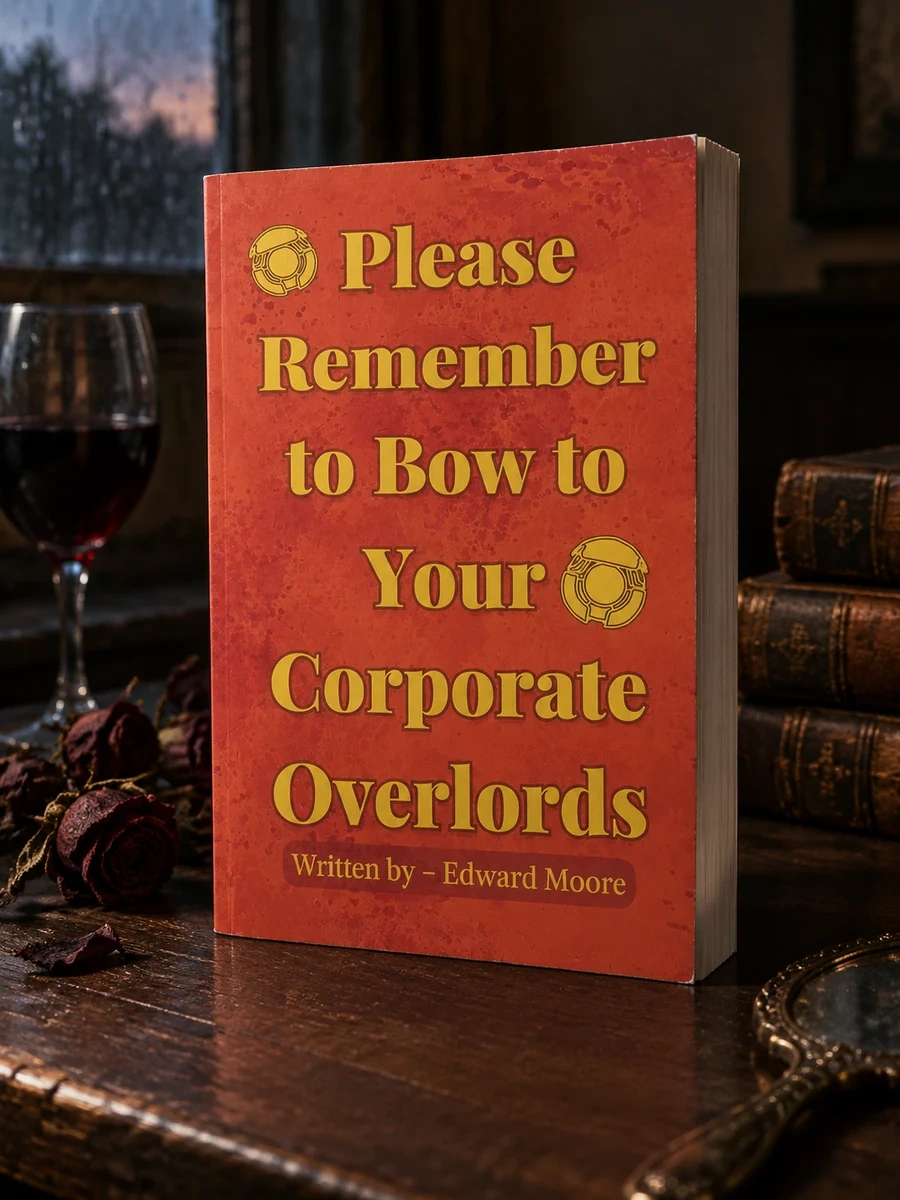
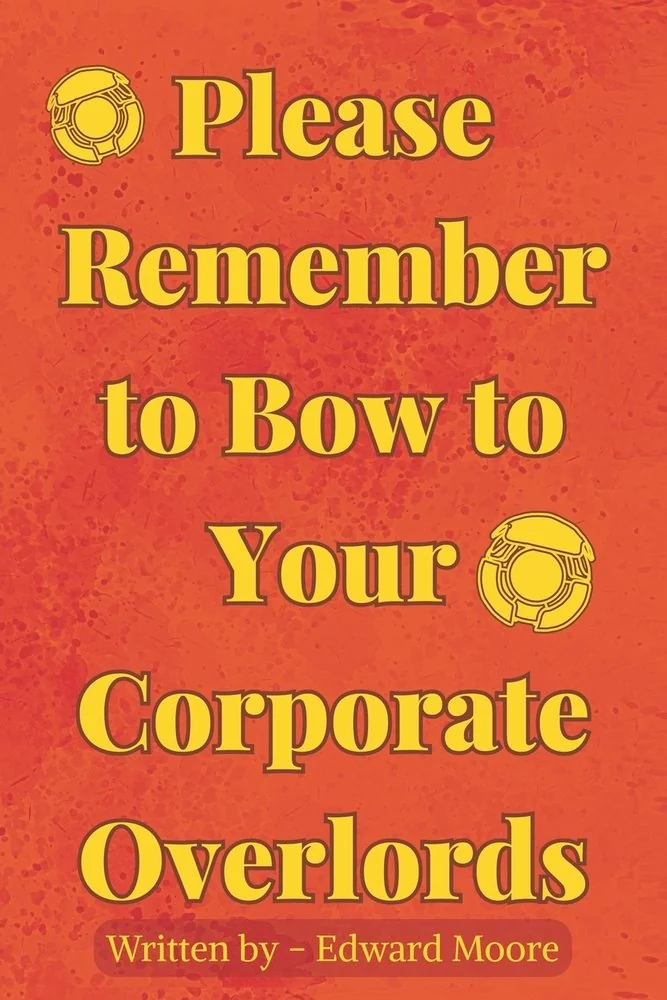
Please Remember To Bow To Your Corporate Overlords
A surreal horror novel about retail burnout and corporate erasure.
Jerry works at MegaMart, a place where shifts never end and reality is fragile. His frustration triggers cracks in the store's structure, revealing a nightmarish truth about his existence. The narrative focuses on the loss of identity through obedience and exhaustion. Moore uses the setting of a retail environment to critique the dehumanizing nature of corporate culture. The story does not offer escape but rather immersion into the dread of eternal service. Readers will encounter a protagonist who is barely hanging on, reflecting the struggles of many in the service industry. The tone is heavy with psychological tension and supernatural dread.
This 2025 release by Independently Published addresses contemporary anxieties about job security and identity in the gig economy. It sits within the tradition of American horror fiction that critiques social structures through supernatural metaphor, appealing to readers familiar with modern workplace stressors.


📝 Description: Please Remember To Bow To Your Corporate Overlords
💎 Our verdict on Please Remember To Bow To Your Corporate Overlords
📖 Why choose it
Why this book is worth reading
Readers experiencing burnout or feeling undervalued in service industries will find profound resonance in this narrative. It offers a visceral exploration of the loss of self under corporate pressure, transforming mundane exhaustion into supernatural dread. Those who appreciate surrealism over traditional monster stories will engage with its unique atmosphere. The book validates the struggle of endless shifts and the fear of total disappearance through obedience. It is ideal for those seeking a heavy, tense experience that critiques modern employment without offering easy escape or uplifting resolution.
⭐ Reader reviews
Reader rating
Moore effectively utilizes the retail setting to manifest corporate oppression as literal horror, creating a dense atmosphere of psychological tension. The narrative successfully fractures reality to reveal the nightmare of eternal service, grounding abstract alienation in specific labor experiences. This approach avoids broad generalizations, focusing instead on the visceral details of exhaustion and erasure. It suits readers comfortable with unsettling, non-traditional horror that prioritizes mood and thematic critique over plot resolution. The tone remains consistently heavy, ensuring an immersive experience for those prepared to confront the dread of dehumanization.