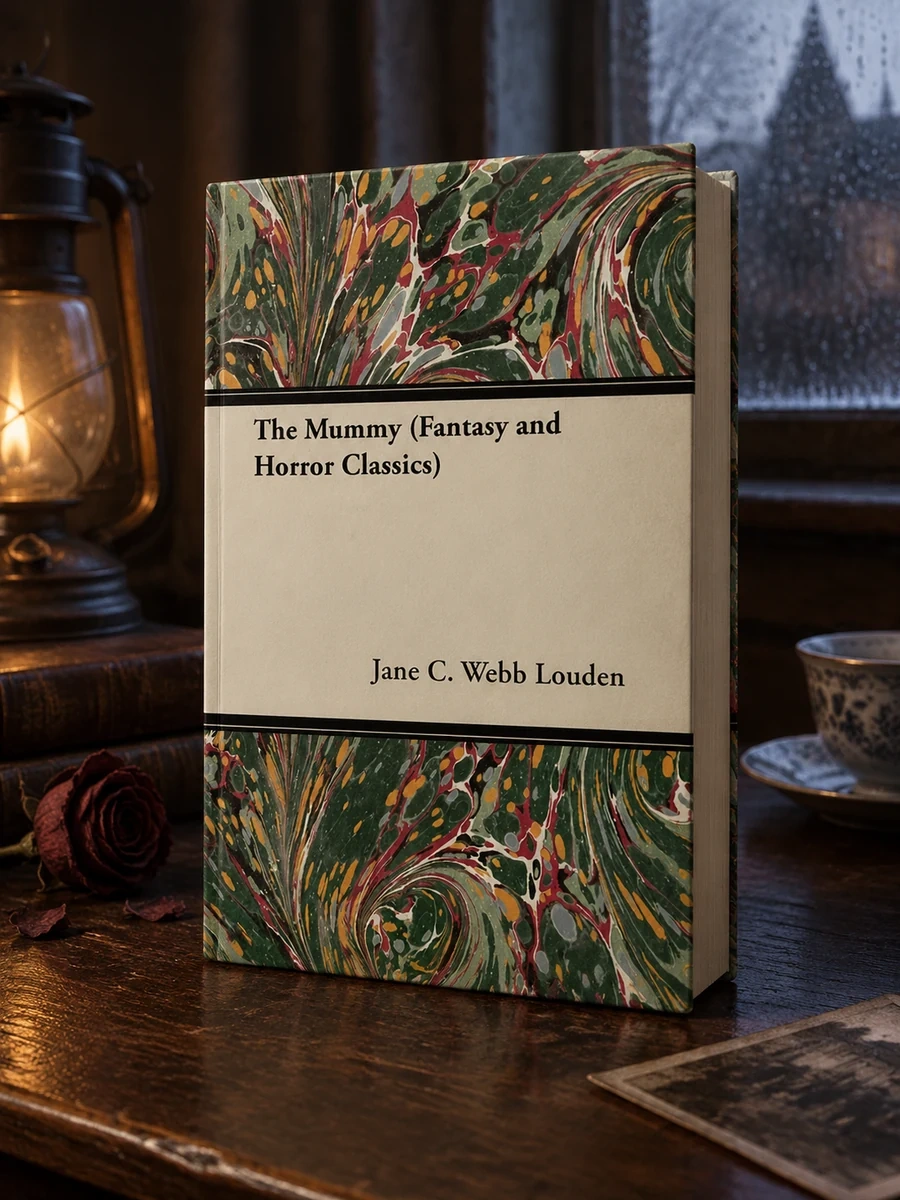
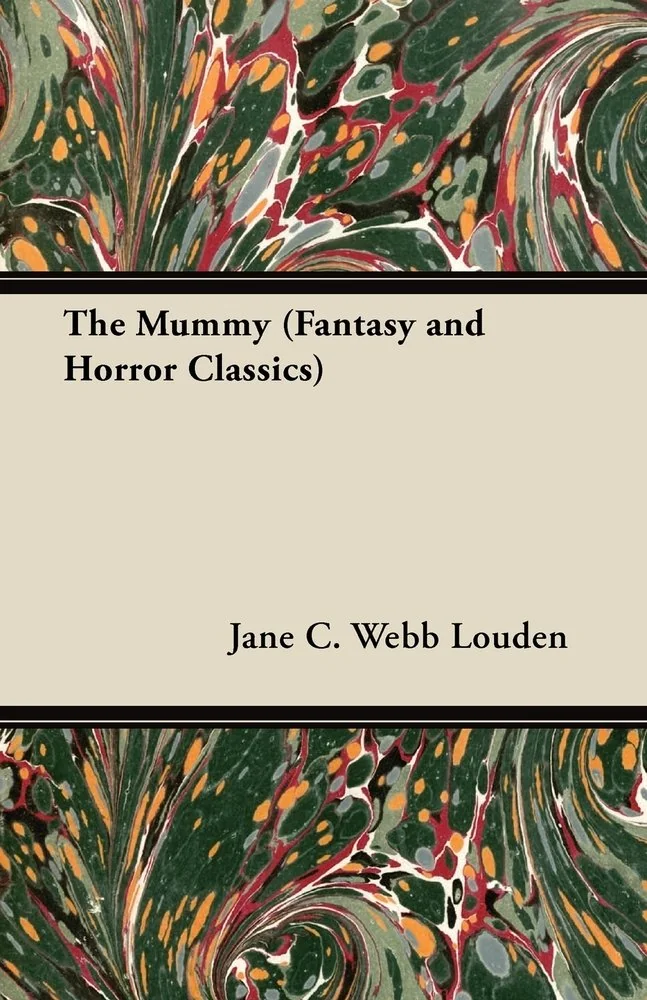
The Mummy
A resurrected pharaoh judges a futuristic Britain in this 1827 sci-fi satire.
Louden’s text presents a unique fusion of genres by placing an ancient ruler into a highly advanced future. The narrative structure allows Cheops to interact with a society that has mastered technologies like weather manipulation and flight. This setup enables the author to critique contemporary social norms through the perspective of an outsider from antiquity. The work stands as a precursor to later science fiction trends, anticipating ideas about reanimation and societal evolution long before they became mainstream. It offers a distinct view of how early nineteenth-century writers conceptualized progress and power.
Published in 1827, this novel sits at the intersection of gothic fiction and early science fiction. Louden wrote it decades before Mary Shelley’s imitators established their careers. The work reflects a period when authors began to blend supernatural elements with scientific speculation, creating a unique literary tradition that anticipated later genre developments.


📝 Description: The Mummy
💎 Our verdict on The Mummy
📖 Why choose it
Why this book is worth reading
This book is ideal for readers interested in the roots of speculative fiction and those who enjoy analyzing how early nineteenth-century writers conceptualized progress, power, and societal evolution. It appeals to enthusiasts of historical satire who appreciate the unique fusion of genres, offering a distinct perspective on contemporary social norms through the eyes of an ancient outsider. While it may not suit those seeking modern horror tropes or fast-paced action due to its deliberate pacing, it rewards readers looking for a strange and inventive literary piece that anticipates later trends in reanimation and technological forecasting.
⭐ Reader reviews
Reader rating
Louden’s narrative presents a fascinating fusion of Gothic marvels and political satire by placing an ancient ruler into a highly advanced future society. The text operates as a visionary forecast of the twenty-second century, detailing technologies like weather control and aerial travel long before they became common in the genre. While readers seeking modern horror tropes or fast-paced action may find the pacing deliberate, the work excels in its critique of social norms through an outsider’s perspective. It is a strange, inventive piece that bridges gothic tradition and scientific prediction, appealing most to those interested in the historical roots of speculative fiction.
📖 Read on the blog
🏛 Books from this publisher Vintage Sci-Fi Classics


You might also like
See more →





Have a question about this item?
Ask about the edition, condition, delivery or anything else — we reply by email or phone, usually within a day.
