
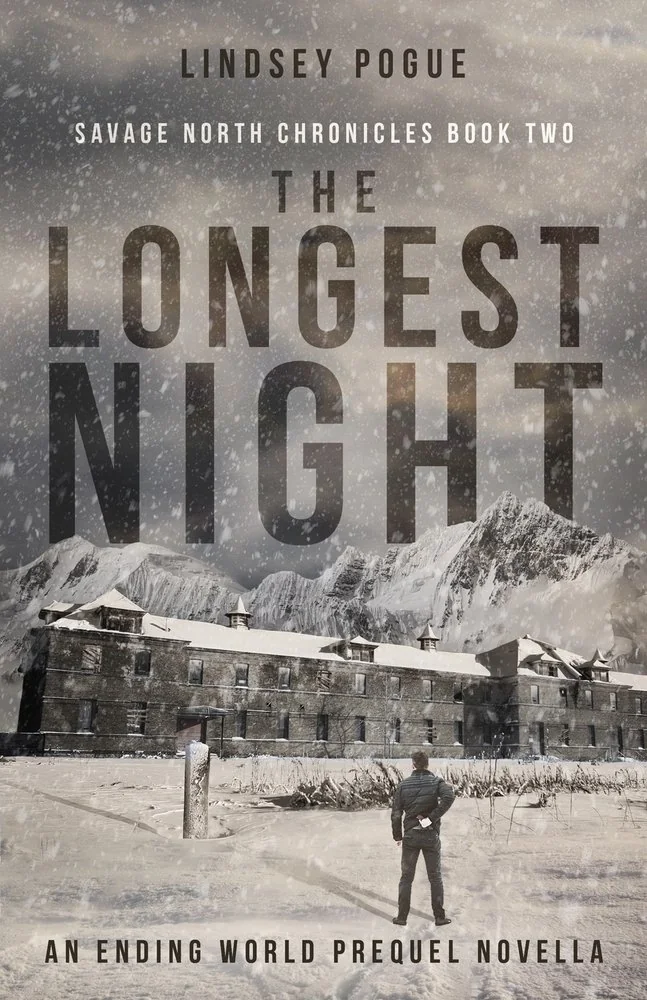
The Longest Night
A bleak post-apocalyptic novel about genetic engineering and societal collapse.
Pogue’s novel merges genetic science with apocalypse to show survival in a ruined world. It warns against meddling with nature, resulting in terrifying outcomes. The book builds a slow-burning fear that stays with the reader. This version pairs biological terror with social breakdown for a heavy experience. It fits those who prefer scientific ambition gone wrong over happy endings. The atmosphere is harsh, highlighting bodily change and rot instead of combat. Readers feel the setting’s pressure through tension rather than events.
The Longest Night explores the chilling intersection of science fiction and horror. It sits at the crossroads where genetic engineering meets apocalyptic disaster, offering a bleak vision of survival in a broken world.


📝 Description: The Longest Night
💎 Our verdict on The Longest Night
📖 Why choose it
Why this book is worth reading
This book is recommended for readers who seek a heavy, atmospheric experience rather than fast-paced action or hopeful resolutions. It appeals to those fascinated by the intersection of genetic science and horror, offering a slow-burning fear rooted in biological terror and social breakdown. Fans of grim, bleak survival scenarios will appreciate the focus on dread over combat. The narrative prioritizes mood and decay, creating a lingering sense of unease that lingers long after reading. It is ideal for audiences who enjoy scientific ambition gone wrong and wish to explore the terrifying outcomes of societal collapse through a lens of harsh realism and bodily change.
⭐ Reader reviews
Reader rating
Pogue delivers a relentless exploration of hubris and ruin, effectively merging genetic science with apocalyptic horror. The novel excels in building a slow-burning fear that emphasizes physical transformation and rot over traditional plot mechanics. By focusing on the pressure of a ruined world, the text creates a harsh atmosphere that suits readers who prefer scientific cautionary tales descending into nightmare. While it lacks speed or hope, its strength lies in its ability to highlight societal collapse through biological terror. It is a difficult but rewarding read for those who appreciate dread-driven narratives and the terrifying consequences of interfering with nature.
You might also like
See more →




Have a question about this item?
Ask about the edition, condition, delivery or anything else — we reply by email or phone, usually within a day.
