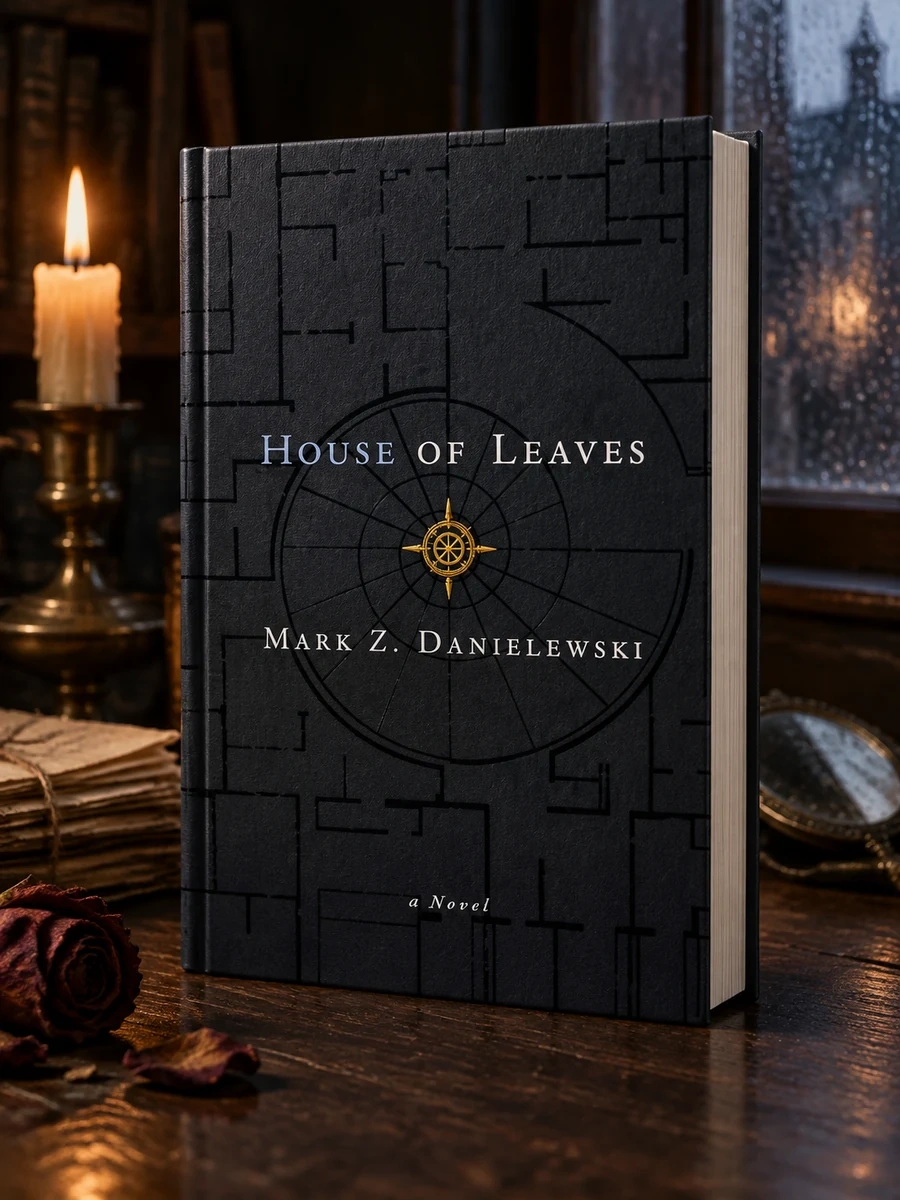
There is nothing else quite like House of Leaves. Mark Z. Danielewski's novel is a story about a family who discover that their house is a fraction of an inch larger on the inside than on the outside, then that a dark hallway has appeared where no hallway should be. That story reaches us as an academic study of a documentary film, written by a blind old man, annotated by a tattoo-shop apprentice who is slowly coming apart, and surrounded by letters from his mother in an institution. Pages turn sideways, text runs in spirals, and footnotes have footnotes.
So no single book is "like" it. But readers who love House of Leaves usually love one or more of its pleasures in particular: the impossible space, the story assembled from documents, the cursed film or tape, the narrator you cannot trust, or the feeling that the book itself is a trap. The thirteen books below are grouped by which of those pleasures they deliver, so you can follow the thread that hooked you.
If you have not read it yet, start with House of Leaves itself, and read it in print rather than as an e-book, because the layout is part of the story.
Impossible places
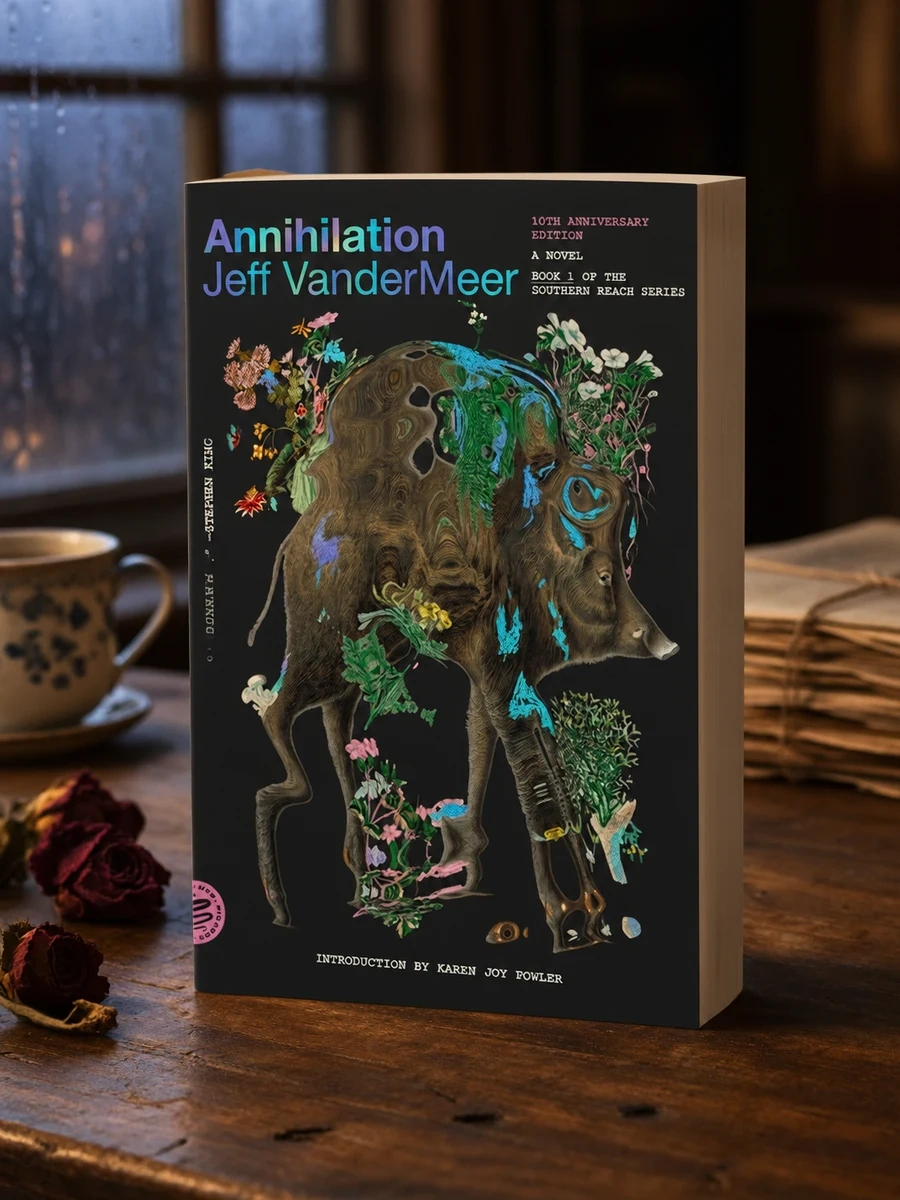
1. Annihilation — Jeff VanderMeer
The closest match in feeling. Four women enter Area X, a coastline that has been sealed off for decades, and find a structure the biologist insists on calling a tower although it goes down into the earth, with living words written on its walls. Like the Navidson house, the place refuses to be measured, and the more the narrator records, the less she trusts her own record. Annihilation is short, eerie and the best first stop on this list.
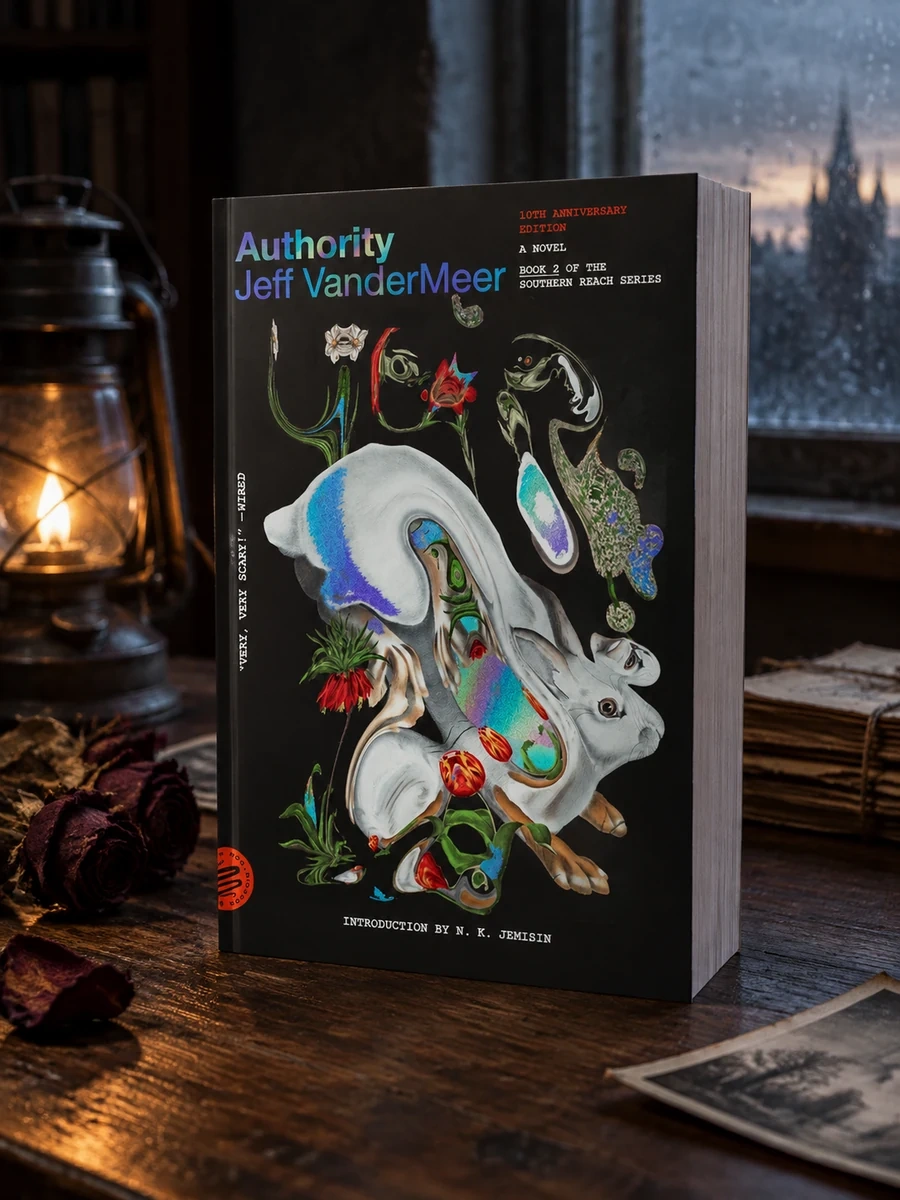
2. Authority — Jeff VanderMeer
The second Southern Reach novel moves from the wilderness to the bureaucracy that studies it. A new director arrives at the agency that oversees Area X and finds files, recordings and staff that do not quite add up. If you liked the archival, investigative layer of House of Leaves, Authority is that layer turned into a whole novel.
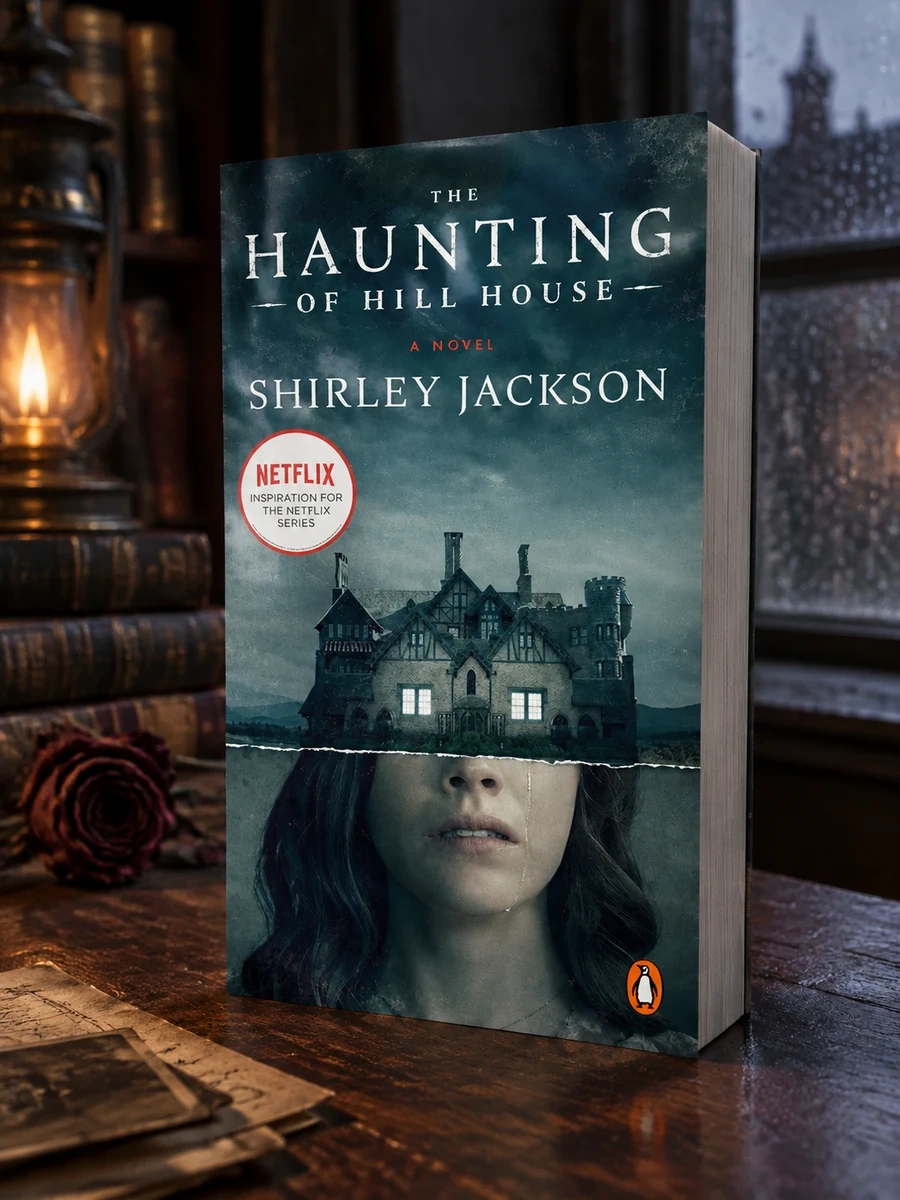
3. The Haunting of Hill House — Shirley Jackson
Danielewski's house has an ancestor. Shirley Jackson's 1959 novel is about a house whose angles are all slightly wrong, so doors swing shut on their own and rooms are impossible to find twice. It is restrained where House of Leaves is maximal, but the idea that architecture itself can be hostile starts here. The Penguin edition is inexpensive and reliable.
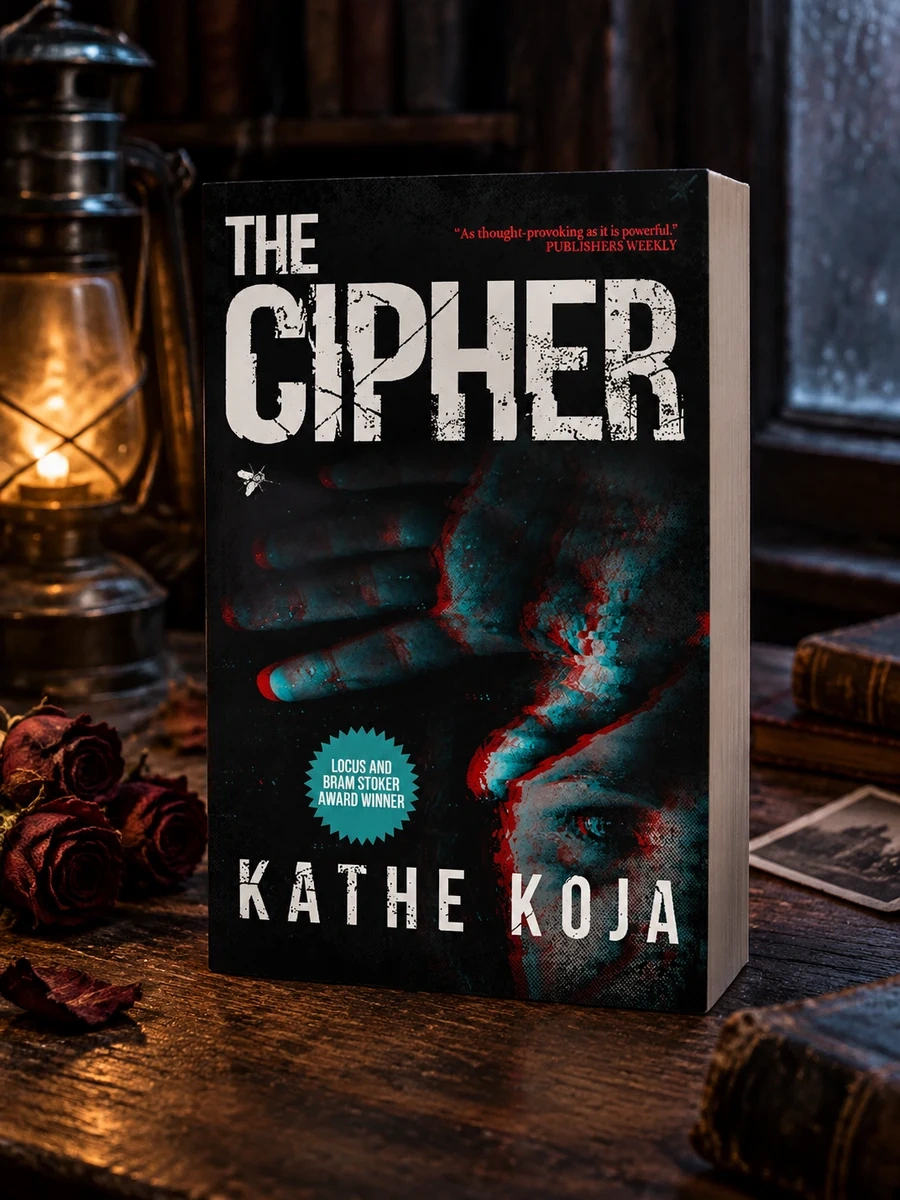
4. The Cipher — Kathe Koja
A couple find a hole in the floor of a storage room: a patch of black that seems alive and that they nickname the Funhole. They lower things into it, they film it, and the hole begins to change whoever spends time near it. The Cipher is the most direct descendant of the Navidson hallway: a void you cannot explain and cannot stop going back to.
Stories told through documents
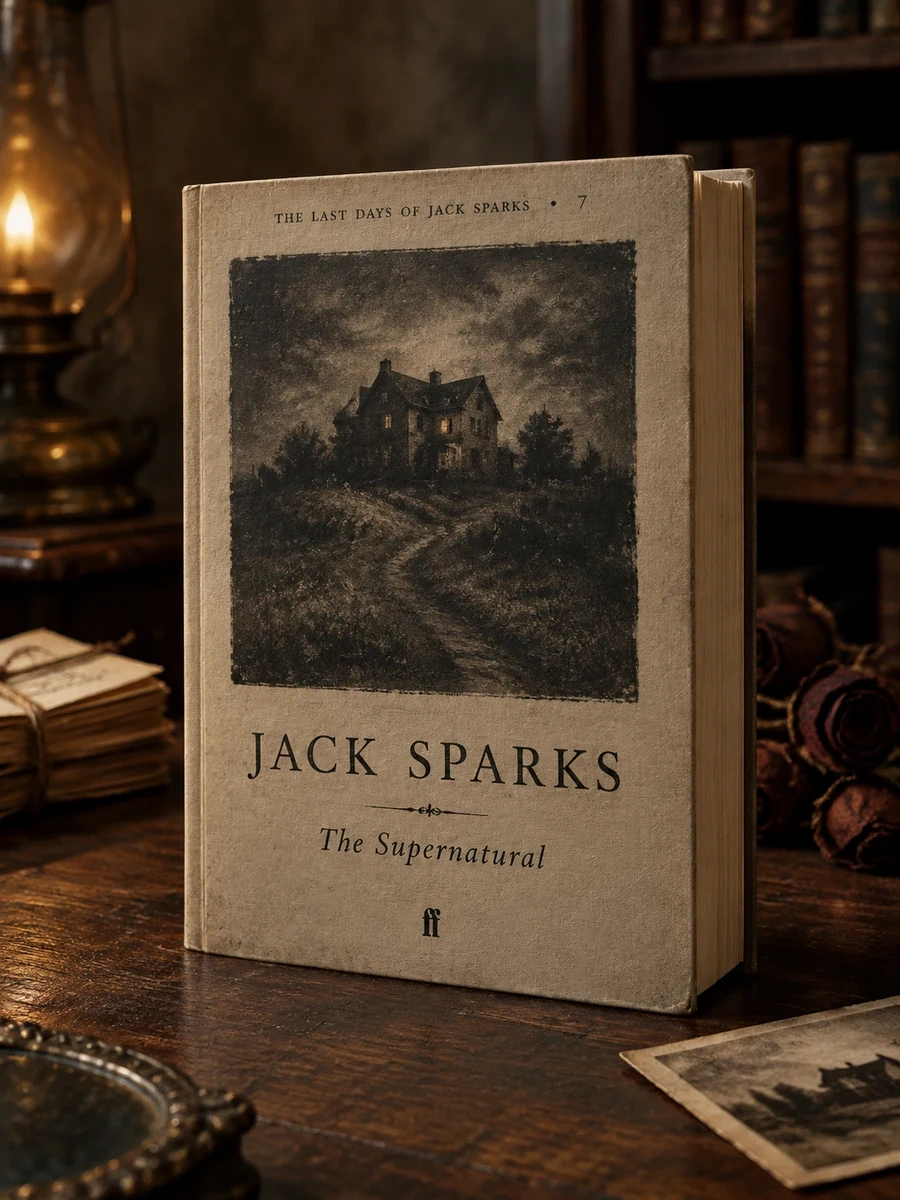
5. The Last Days of Jack Sparks — Jason Arnopp
A notorious pop-culture journalist set out to debunk the supernatural and died in mysterious circumstances. The book is his final manuscript, assembled after his death from his notes and files, with comments from his brother. Like Johnny Truant's footnotes, the framing tells you from the start that something went terribly wrong. The Last Days of Jack Sparks is also very funny, until it isn't.
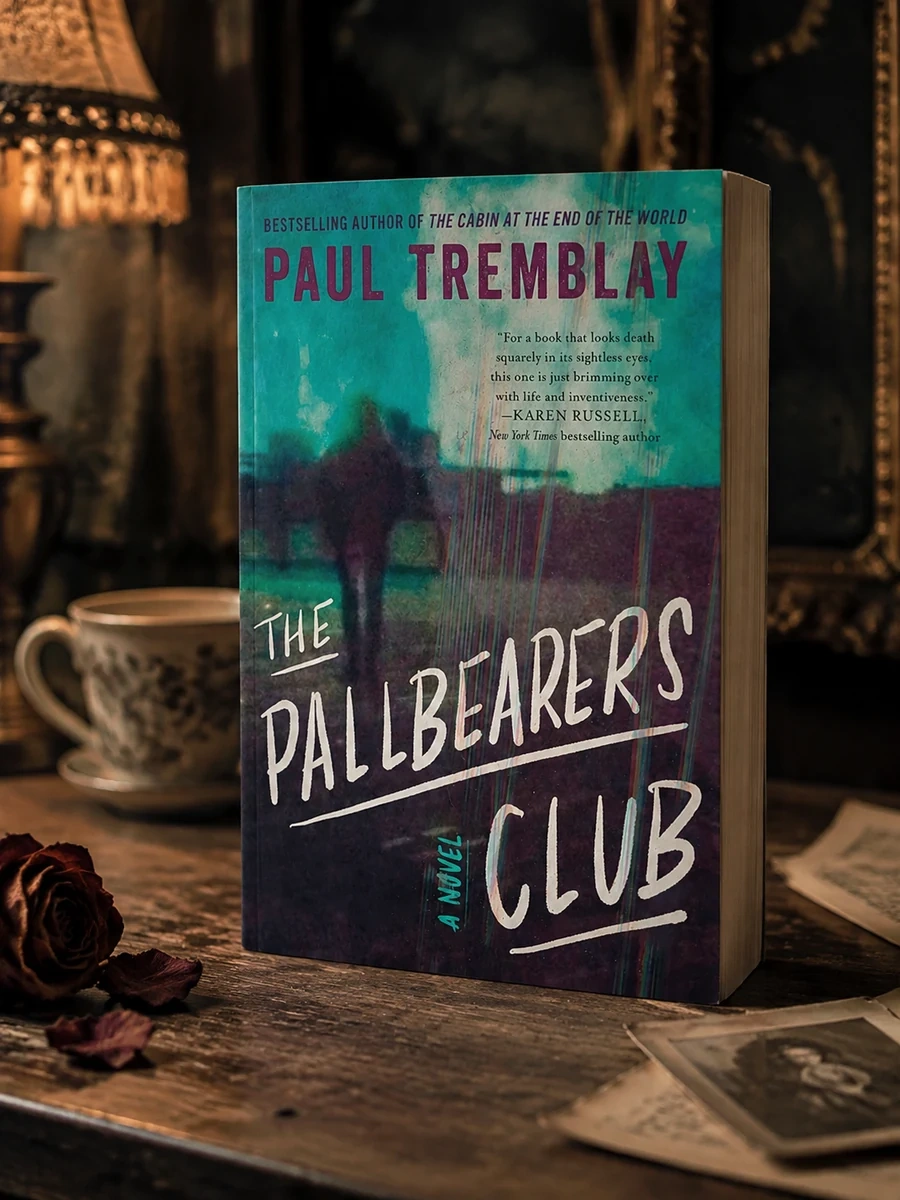
6. The Pallbearers Club — Paul Tremblay
The memoir of a lonely teenager who founds a club of volunteer pallbearers in the 1980s, with sharp handwritten notes in the margins from his friend Mercy, who disputes nearly everything he claims. If the war between Zampanò's text and Johnny's notes was your favorite part of House of Leaves, The Pallbearers Club builds a whole novel out of it.
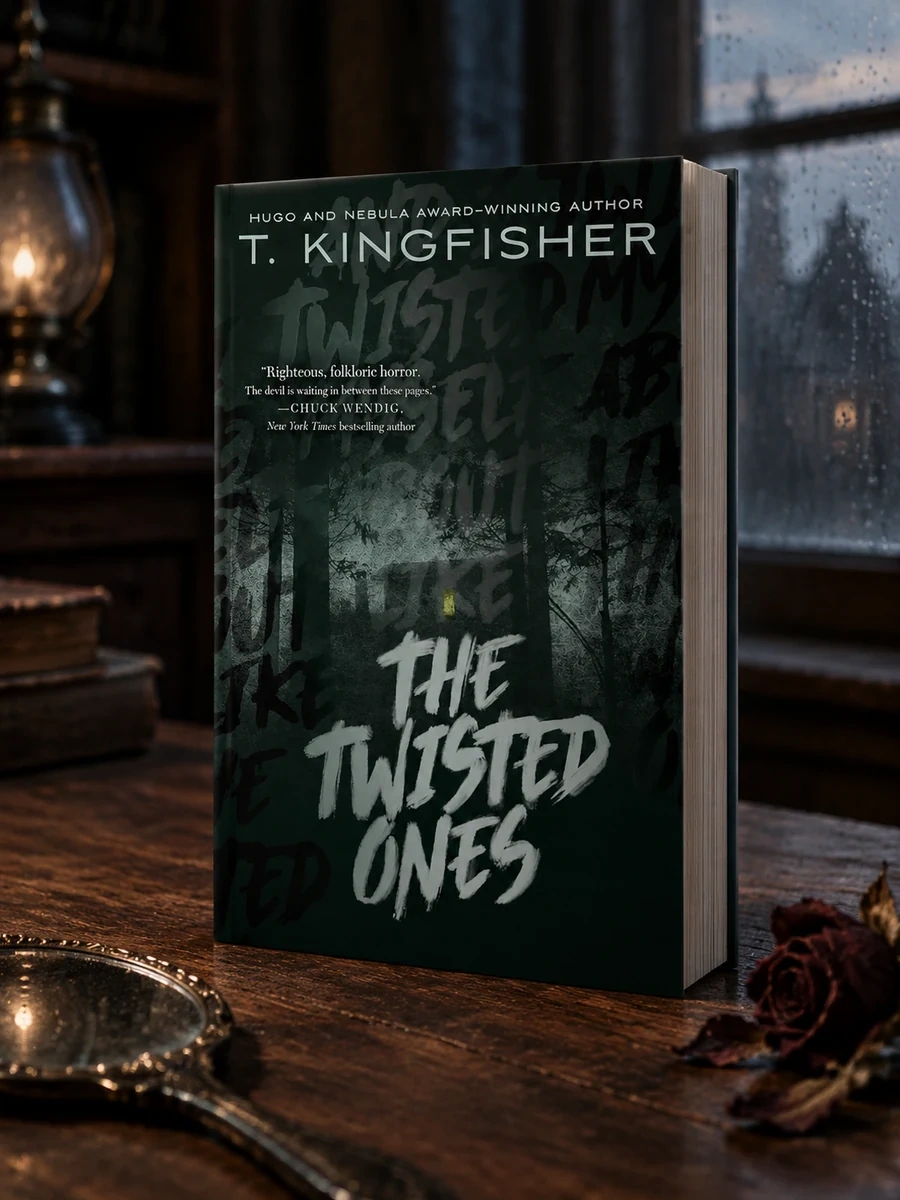
7. The Twisted Ones — T. Kingfisher
A woman clears out her late grandmother's hoarded house and finds her step-grandfather's journal, which reads like the ravings of a disturbed man until the woods behind the house start to match what he wrote. The journal-within-the-novel structure, and its debt to Arthur Machen's "The White People", make The Twisted Ones a satisfying pick for readers who like a found text with teeth.
Cursed films and tapes
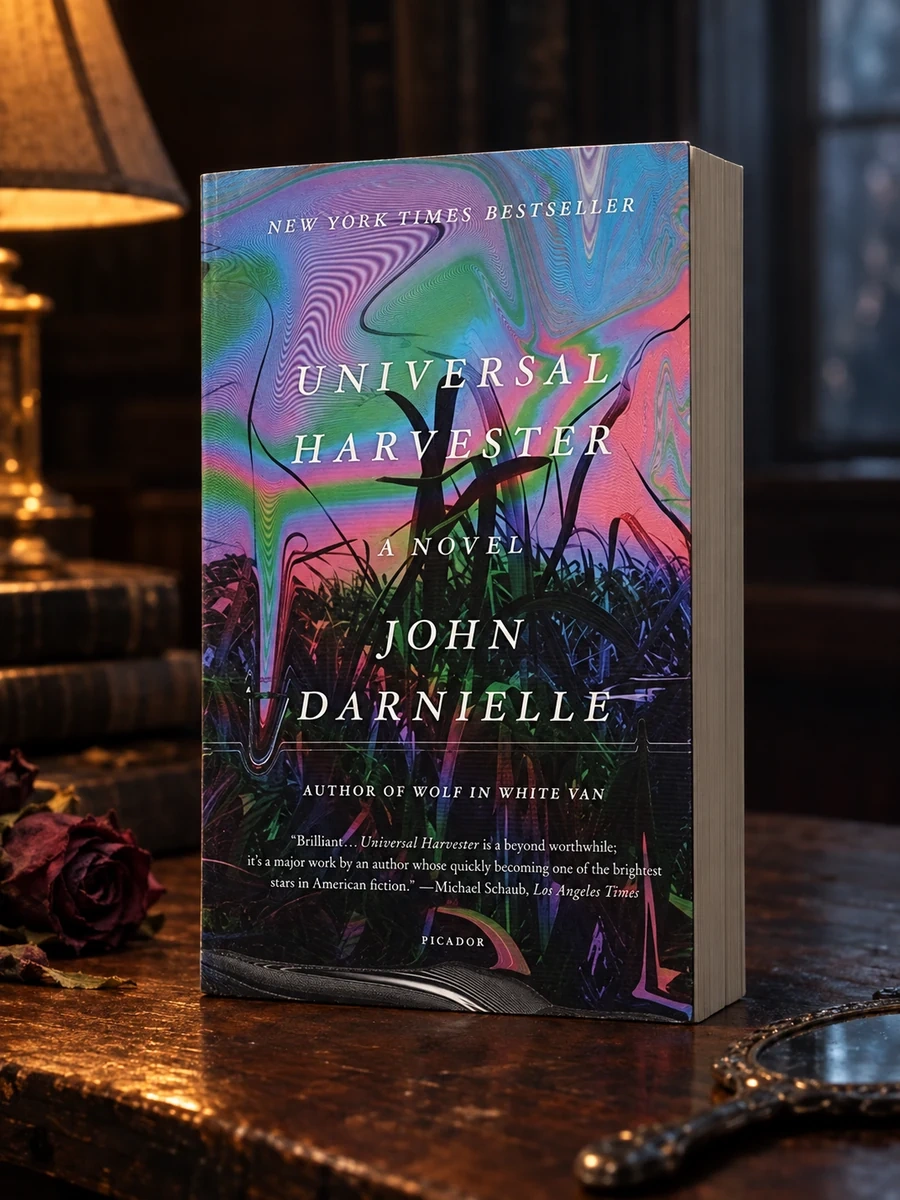
8. Universal Harvester — John Darnielle
In a small Iowa town in the late 1990s, customers start returning VHS tapes from the local video store with complaints: something has been spliced into the movies, short scenes of a dark barn and people who should not be there. The clerk starts watching. Universal Harvester is quiet, melancholy and deeply unsettling, and the closest thing on this list to the "Navidson Record" itself.
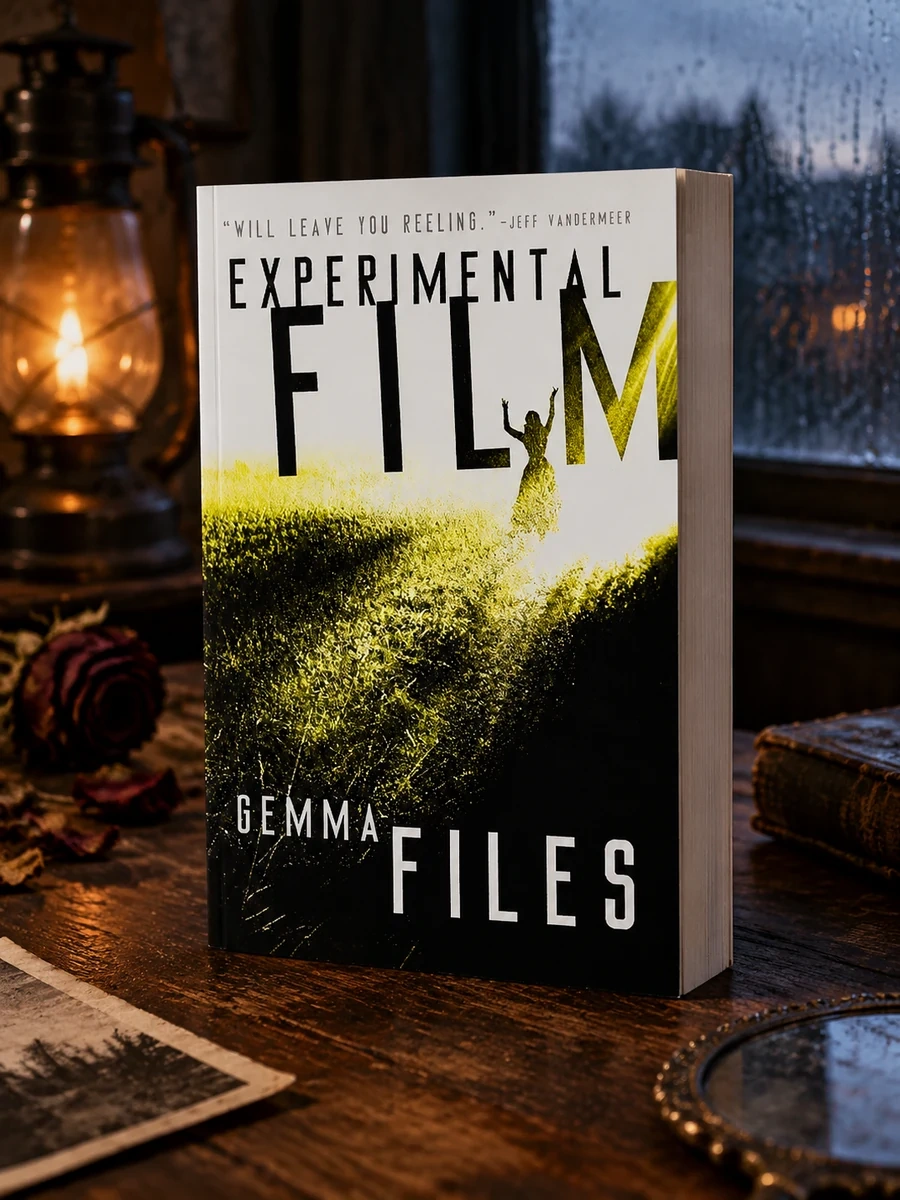
9. Experimental Film — Gemma Files
A struggling film critic discovers fragments of silent film footage made by a woman who vanished from a train in 1918, and the deeper she digs, the more the films begin to leak into her life. Experimental Film combines film history, folklore and the obsession of an investigator who cannot let go, which is to say, Will Navidson's problem.
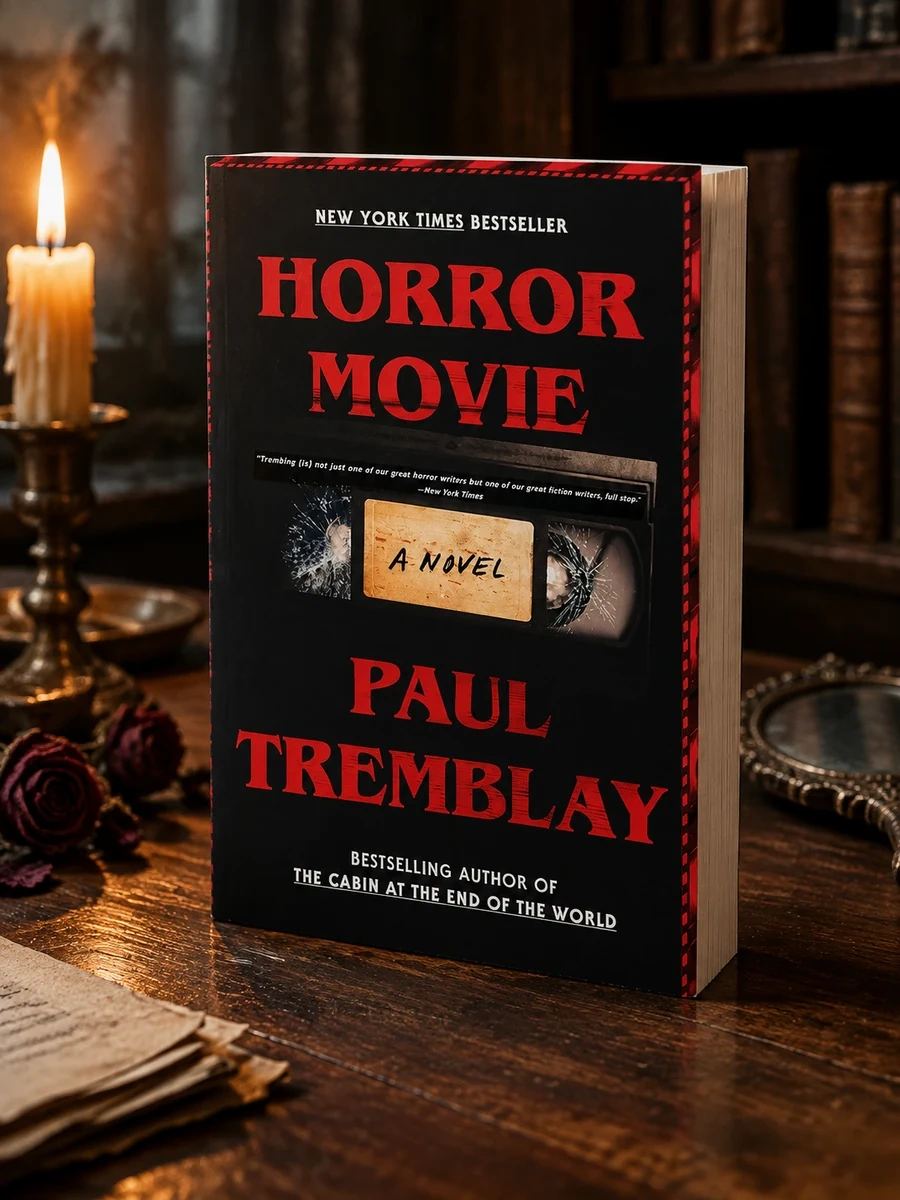
10. Horror Movie — Paul Tremblay
In 1993 a group of young filmmakers made a low-budget horror film that was never released and became infamous. Thirty years later, the only surviving cast member is asked to help with a remake. Horror Movie mixes screenplay pages with memory, and asks the same question as House of Leaves: what does making the film do to the people in it?
Obsession and the unknown
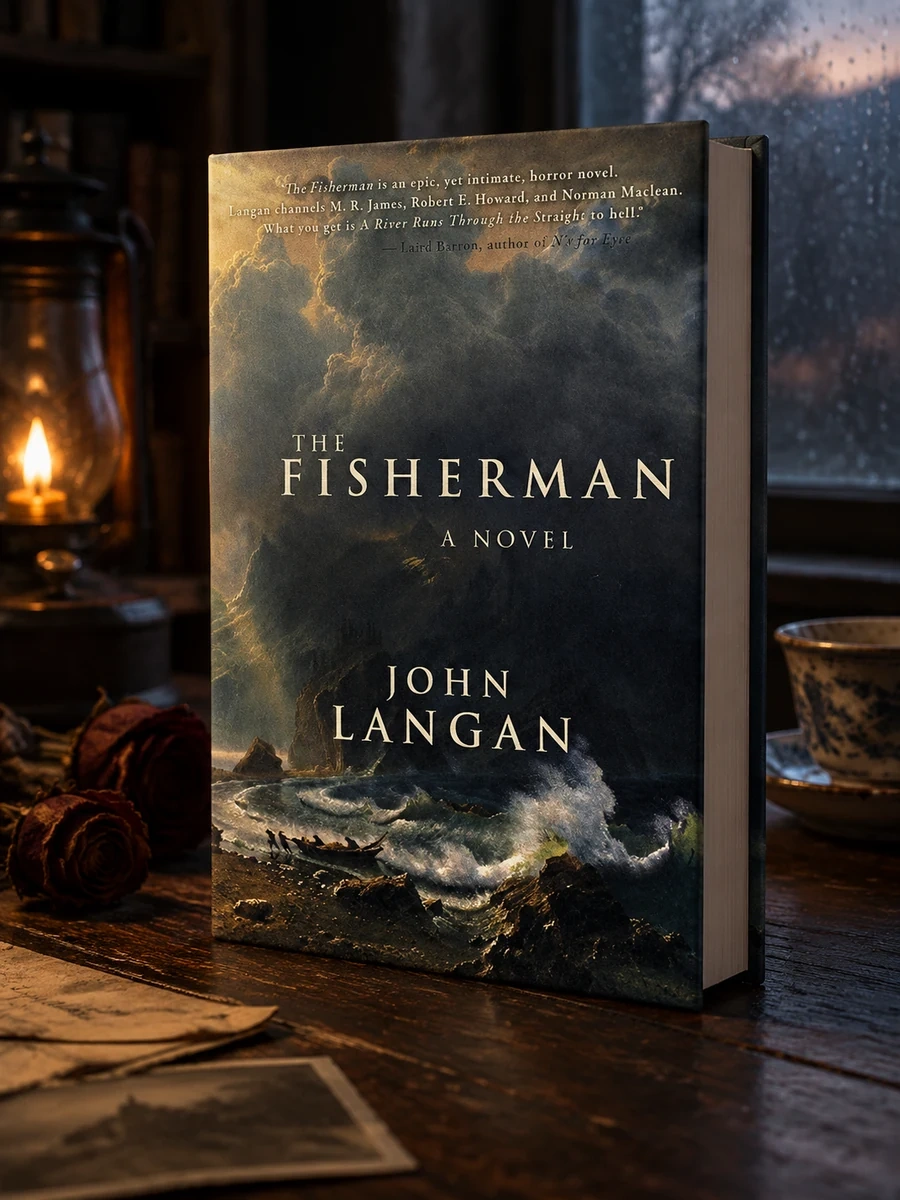
11. The Fisherman — John Langan
Two widowers in upstate New York take up fishing together and hear of a stream where grief can be undone. The novel then opens into a long story-within-a-story about the building of a reservoir and a figure called Der Fisher. Its nested structure and its slow slide from grief into cosmic horror will feel familiar to anyone who followed Johnny Truant down the stairs. The Fisherman rewards patience.
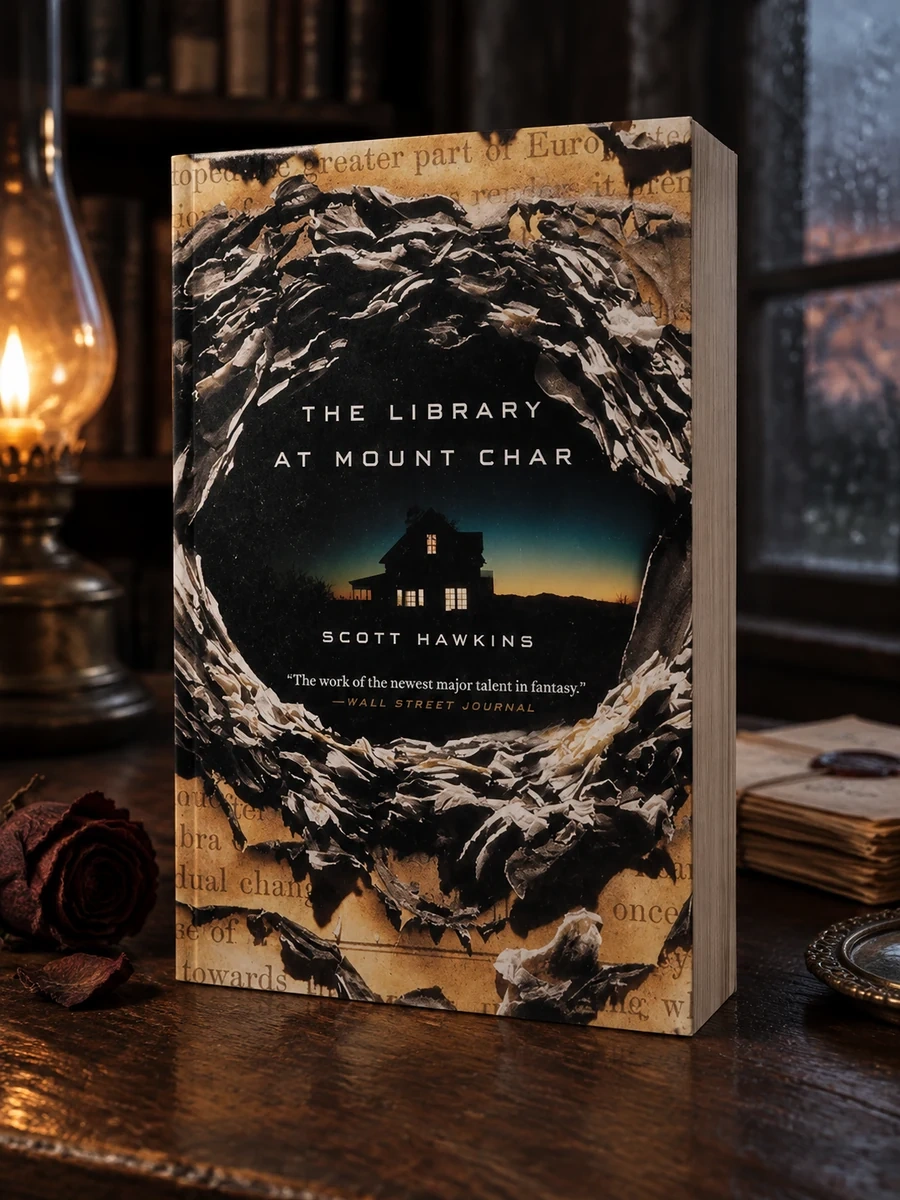
12. The Library at Mount Char — Scott Hawkins
A group of adopted siblings were raised by a godlike figure they call Father, each trained in one impossible discipline from his library. When Father disappears, they begin to fight over what comes next. Violent, funny and strange, The Library at Mount Char is for readers who enjoyed being thoroughly disoriented and trusting the book to explain itself eventually.
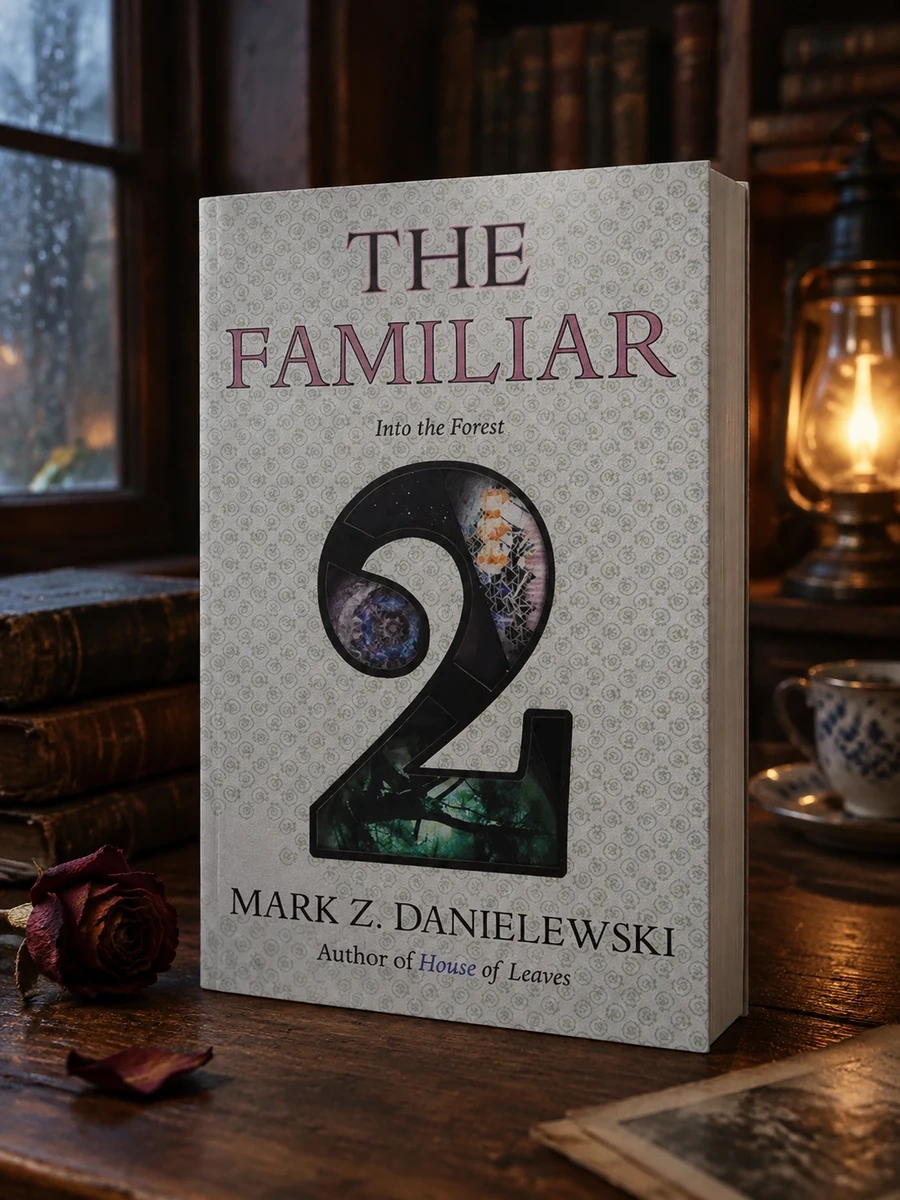
13. The Familiar, Volume 2: Into the Forest — Mark Z. Danielewski
If you want more Danielewski, his later serial The Familiar uses the same playful typography across a much larger cast. Five volumes were published before the project paused, so start with the first if you can. We stock Volume 2, and it shows how far he pushed the visual ideas of House of Leaves.
How to choose
If the house itself was what haunted you, read Annihilation and The Cipher. If you loved the footnotes and the arguing narrators, read The Pallbearers Club and The Last Days of Jack Sparks. If the Navidson Record, the film within the book, is what stayed with you, go straight to Universal Harvester and Experimental Film.
Most of these are standard paperbacks under $20, and none requires the stamina of House of Leaves. That is the good news. The bad news is that, like the hallway, some of them will stay with you longer than you expect.