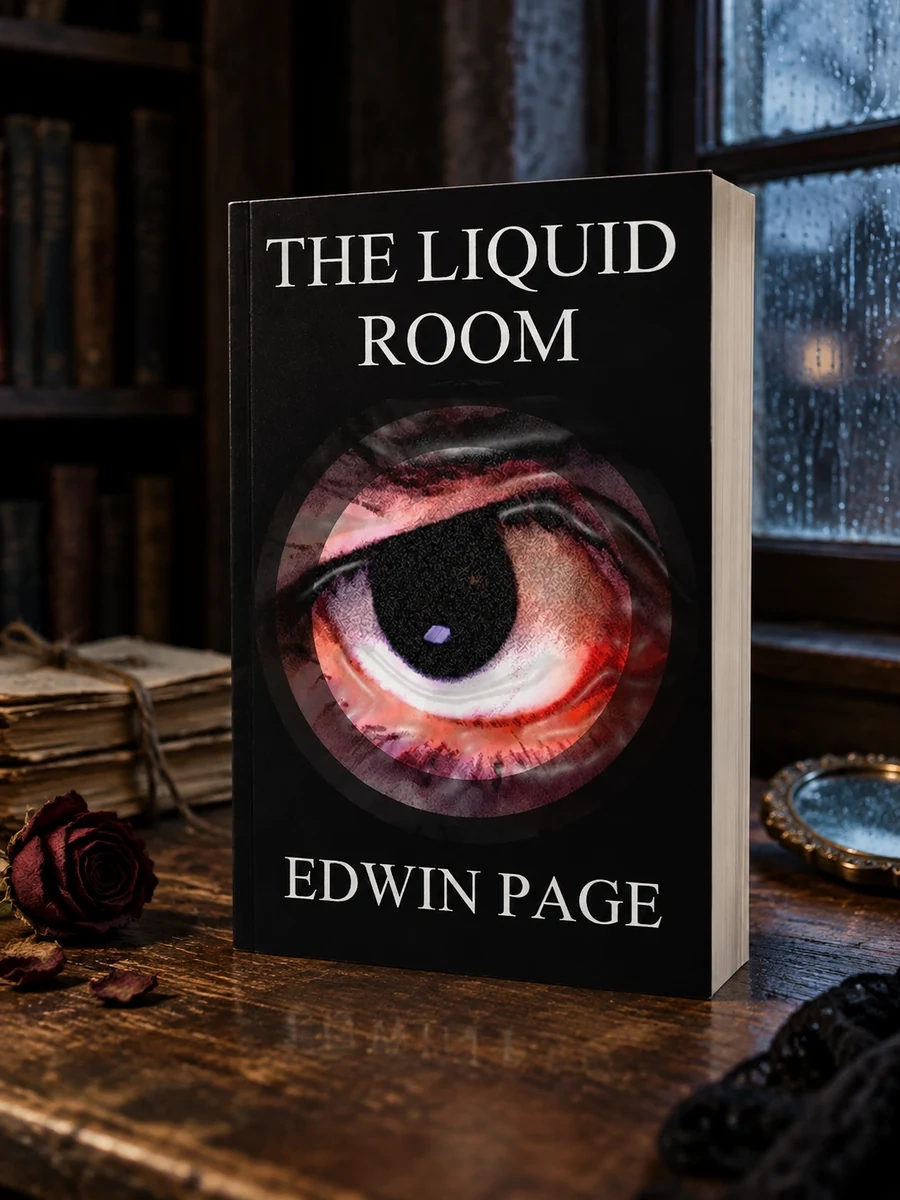
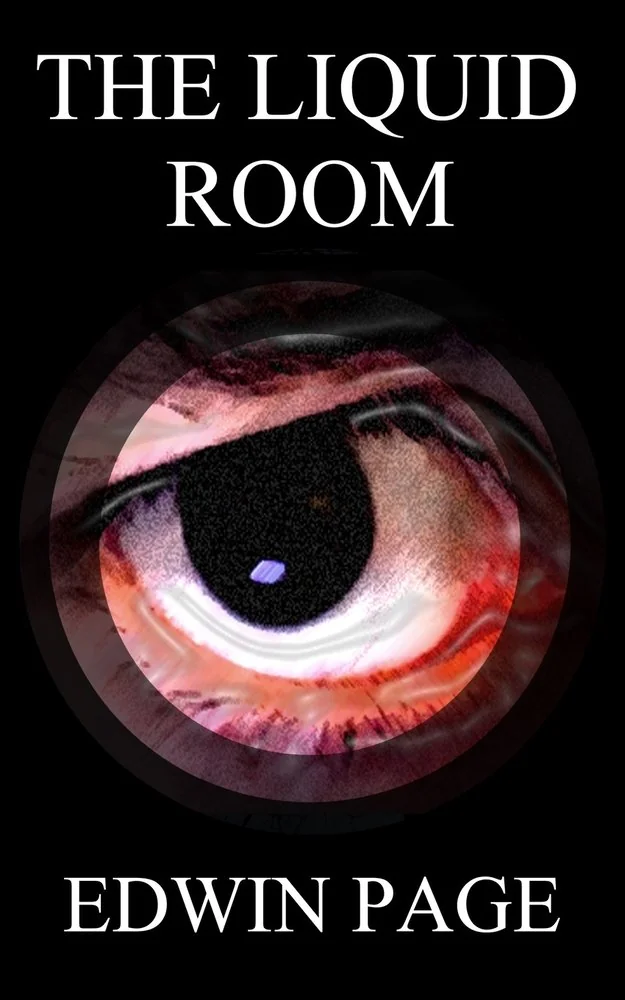
The Liquid Room
A short horror novel about grief and revenge set to music.
Steve loses his wife Cathy to an affair and turns to rum. Her subsequent death points to her new partner. Page uses The Cure's Disintegration album to frame this tale of despair. The book is part of a series where each installment connects to a specific musical work. This third volume focuses on the destructive power of unrequited love. Readers encounter a protagonist unable to process his pain. The story avoids traditional horror tropes in favor of emotional weight. It examines how memory and alcohol can distort perception. The narrative structure supports its theme of inescapable sorrow. Page does not provide closure for Steve or the reader.
The Liquid Room connects to the gothic horror tradition through its focus on emotional decay and supernatural undertones. It draws directly from The Cure's 1989 album Disintegration for its atmospheric tone. This places it within a niche of music-inspired fiction that prioritizes mood over plot. The work fits into the broader context of independent publishing where authors experiment with cross-media influences.


📝 Description: The Liquid Room
💎 Our verdict on The Liquid Room
📖 Why choose it
Why this book is worth reading
Readers seeking a profound exploration of grief, revenge, and the distortion of memory will find this short novel compelling. It offers a unique narrative structure framed by The Cure’s Disintegration album, providing a sonic backdrop to emotional despair. Those interested in how alcohol and trauma warp perception will appreciate the focus on psychological weight over traditional horror tropes. It is ideal for audiences who prefer character-driven stories that examine the desperation of love without offering easy redemption or closure.
⭐ Reader reviews
Reader rating
Edwin Page delivers a disturbing examination of betrayal and sorrow, avoiding conventional scares to focus on emotional decay. The narrative effectively captures consuming melancholy, making it resonate with fans of psychological horror and gothic traditions. By linking the story to a specific musical work, Page enhances the tone of despair. While the steady descent into misery may not suit those seeking lighthearted entertainment or complex twists, it rewards readers willing to sit with uncomfortable feelings about loss. The lack of closure is intentional, emphasizing the inescapable nature of Steve’s trauma.