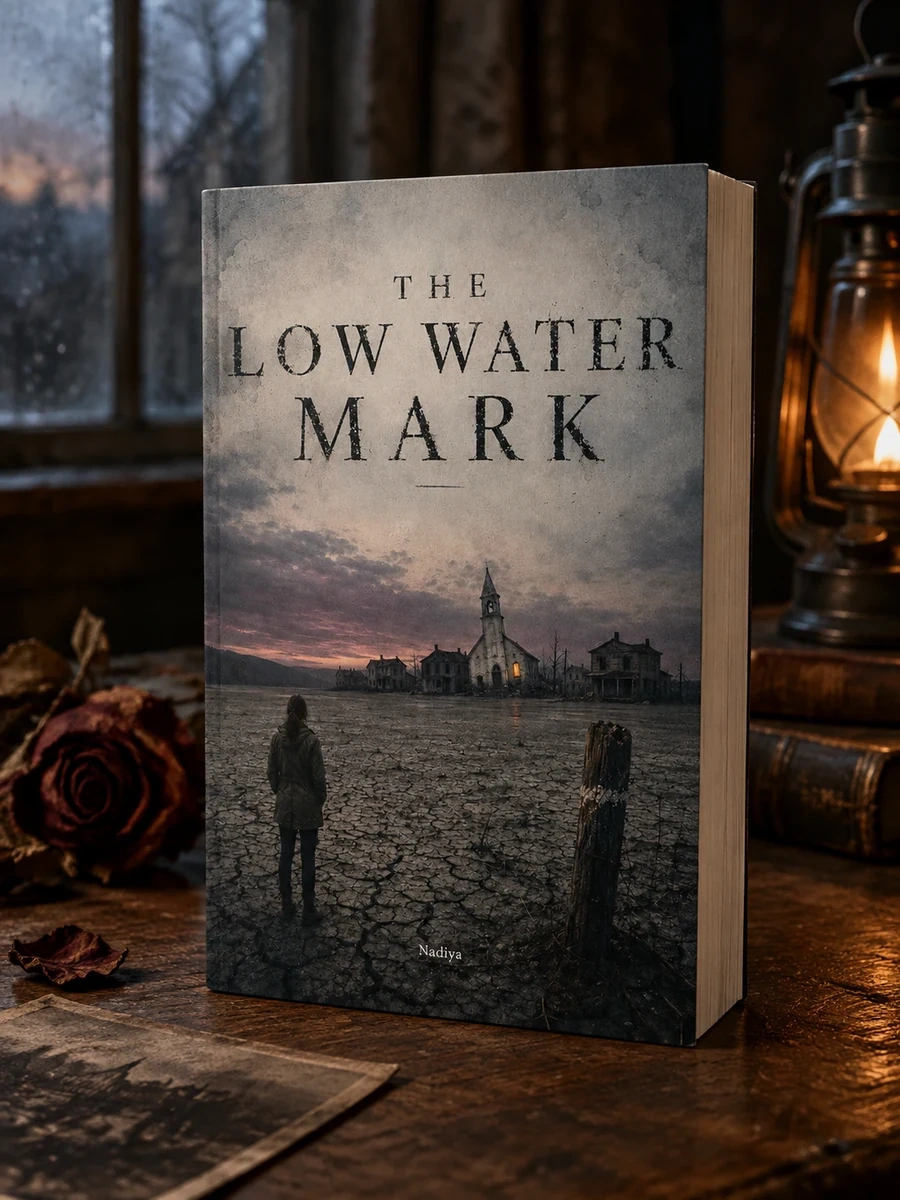
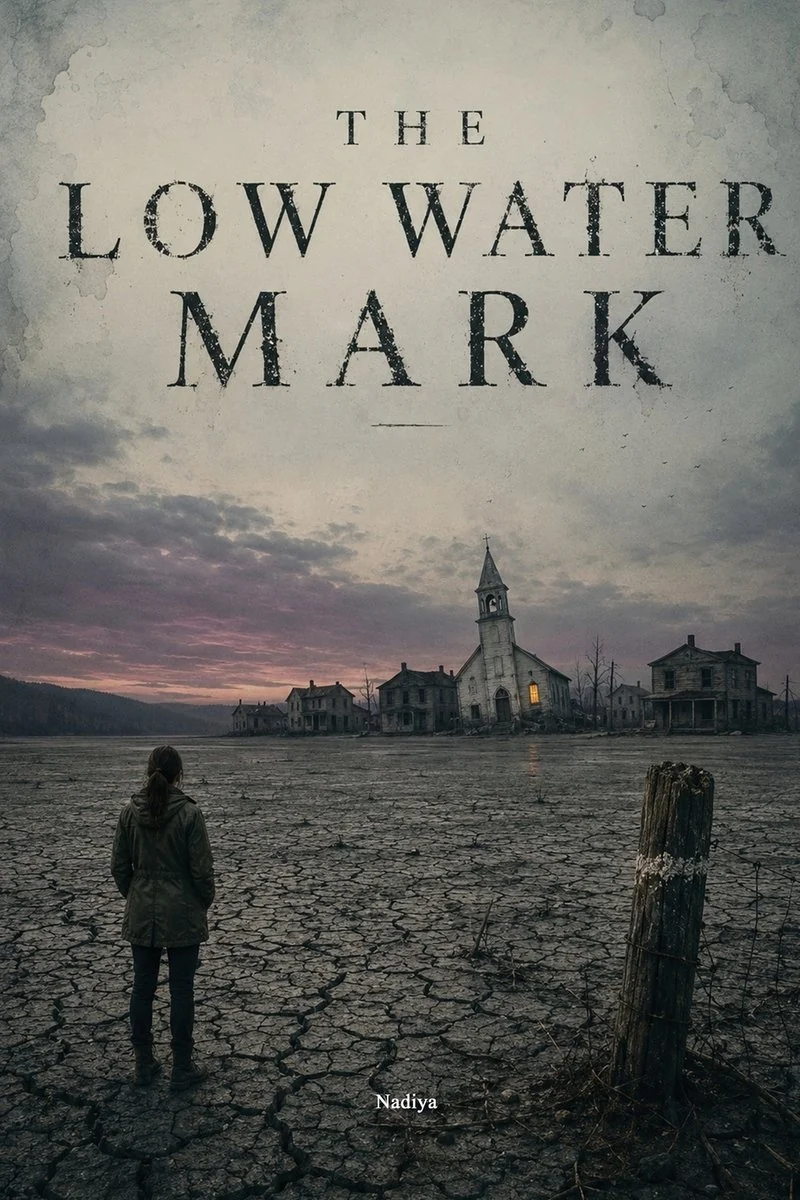
The Low Water Mark: A Novella
A hydrologist faces the dead town of Elder's Hollow exposed by drought.
Lena Okonkwo measures the damage of a drained lake only to find the submerged town of Elder's Hollow intact. The 847 residents remain, offering her kindness that mimics her lost life. She must choose between staying with them forever or leaving her mother behind again. The water returns, forcing a decision that blurs the line between survival and surrender. This novella examines the cost of grief and the allure of forgetting one's identity to find peace in death.
The story is set in the United States, specifically at Lake Harlow and Elder's Hollow. It references the year 1953 as the time of submersion and 2026 for publication. The narrative engages with American gothic traditions of haunted rural spaces and the cultural anxiety surrounding water scarcity and ecological collapse.


📝 Description: The Low Water Mark: A Novella
💎 Our verdict on The Low Water Mark: A Novella
📖 Why choose it
Why this book is worth reading
Readers seeking atmospheric horror that prioritizes emotional resonance over visceral shock will find this novella compelling. It appeals to those who appreciate slow-burn narratives where terror stems from longing rather than violence. The story offers a poignant examination of grief, isolation, and the temptation of eternal companionship. By focusing on the quiet desperation of the protagonist’s choice between life and death, it provides a unique perspective on mourning. Fans of psychological horror and ghost stories that avoid sensationalism will gain from its nuanced portrayal of how memory manifests physically. It is ideal for audiences who enjoy thematic depth regarding identity, loss, and the allure of forgetting one's self to find peace.
⭐ Reader reviews
Reader rating
Nadiya crafts a haunting narrative where environmental decay mirrors internal grief, creating a tense atmosphere without relying on jump scares. The novella excels in portraying the eerie hospitality of the dead, offering comfort that feels both genuine and predatory. By grounding cosmic horror in the specific pain of losing a mother, the text achieves profound emotional resonance. It suits readers who prefer intellectual and emotional engagement over action or traditional monster hunts. The focus on American Gothic traditions provides a rich backdrop for exploring the cost of forgetting one's identity. This work is a thoughtful meditation on survival versus surrender, making it a standout for those interested in dark fantasy and psychological horror that values quiet desperation above all else.