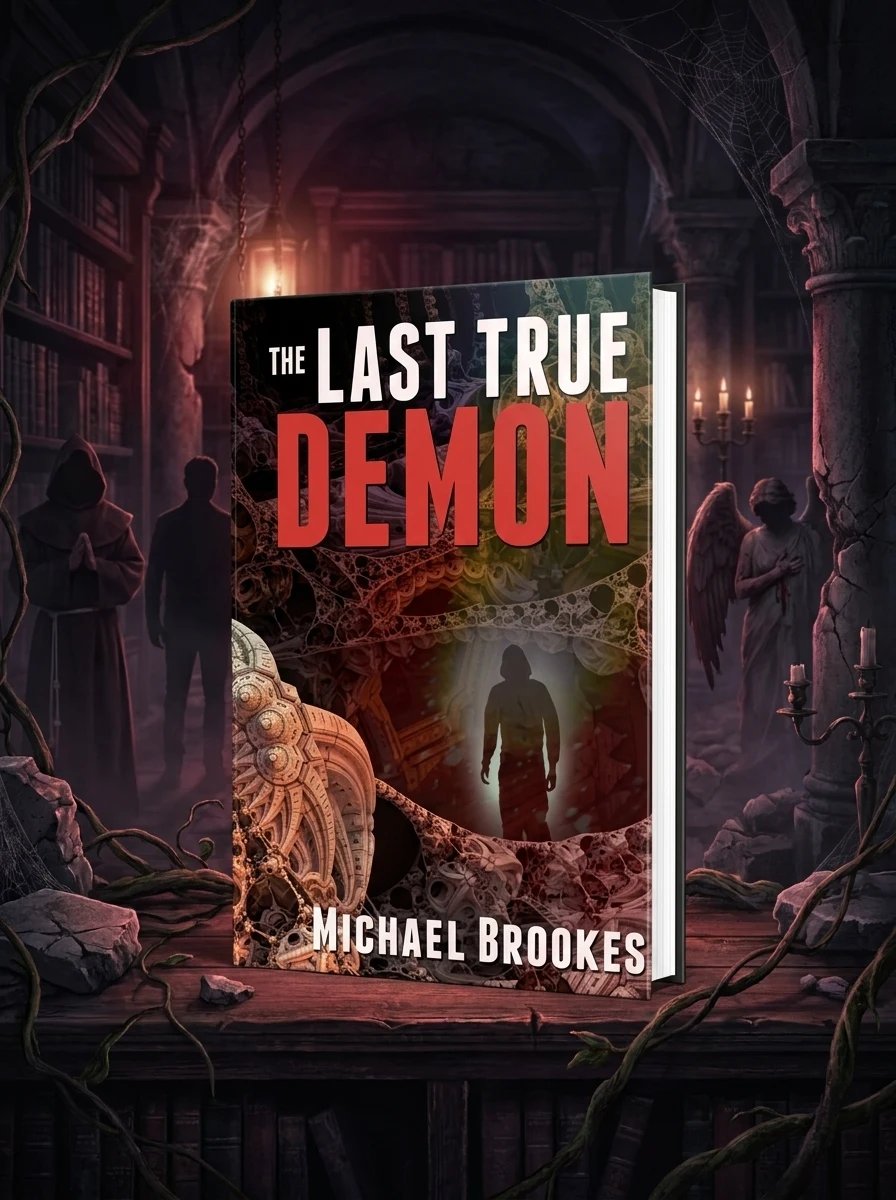
The Last True Demon
A man with stolen immortality seeks God in Eden to save humanity.
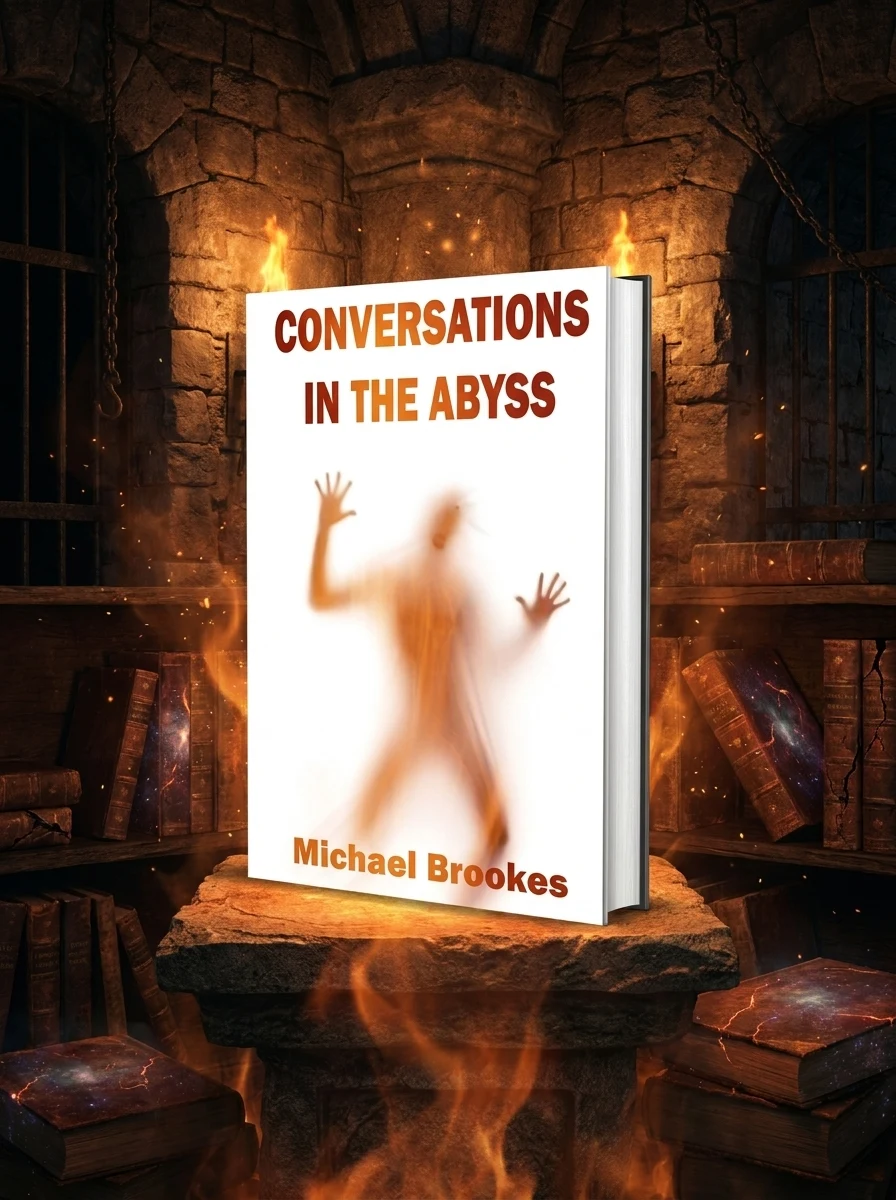
The protagonist possesses a stolen miracle of immortality but lacks protection from death. He witnesses an Antichrist remove this power, leading to his transition into a state beyond life. In the Garden of Eden, he joins the Friar, Hammond, and Venet. Their goal is to convince God to save humanity. The obstacle is divine disbelief in their existence. Brookes uses these elements to explore themes of faith and consequence.
The book sits within the genre of supernatural fiction and gothic horror. It references biblical figures like Lazarus and religious concepts such as the Antichrist and God. The setting includes the ruins of the Garden of Eden, blending ancient myth with modern narrative structures typical of independent publishing in the mid-2010s.


📝 Description: The Last True Demon
💎 Our verdict on The Last True Demon
📖 Why choose it
Why this book is worth reading
Readers interested in apocalyptic scenarios and complex theological puzzles will find value in this narrative. The protagonist’s journey from stolen immortality to a state beyond life offers a unique perspective on the consequences of defying natural order. Those who appreciate stories where religious figures are present yet disconnected from reality may enjoy the philosophical underpinnings that drive the plot. This book is ideal for audiences seeking depth over straightforward action, specifically those who enjoy exploring themes of faith, divine disbelief, and the desperate pursuit of salvation in a seemingly abandoned world. It provides a thoughtful examination of what it means to seek help from a deity that does not believe in your existence.
⭐ Reader reviews
Reader rating
Brookes constructs a compelling supernatural framework by drawing heavily on established Christian traditions regarding Lazarus and the Garden of Eden. The narrative excels in its exploration of divine absence, creating a palpable tension between human desperation and theological silence. While it lacks traditional horror monsters or straightforward action sequences, it compensates with rich philosophical inquiry into faith and consequence. This work suits readers who enjoy apocalyptic settings and intricate theological puzzles. It may not appeal to those seeking quick thrills, but for fans of psychological and cosmic horror that prioritize intellectual engagement, this title offers a profound meditation on the nature of salvation and the burden of immortality.