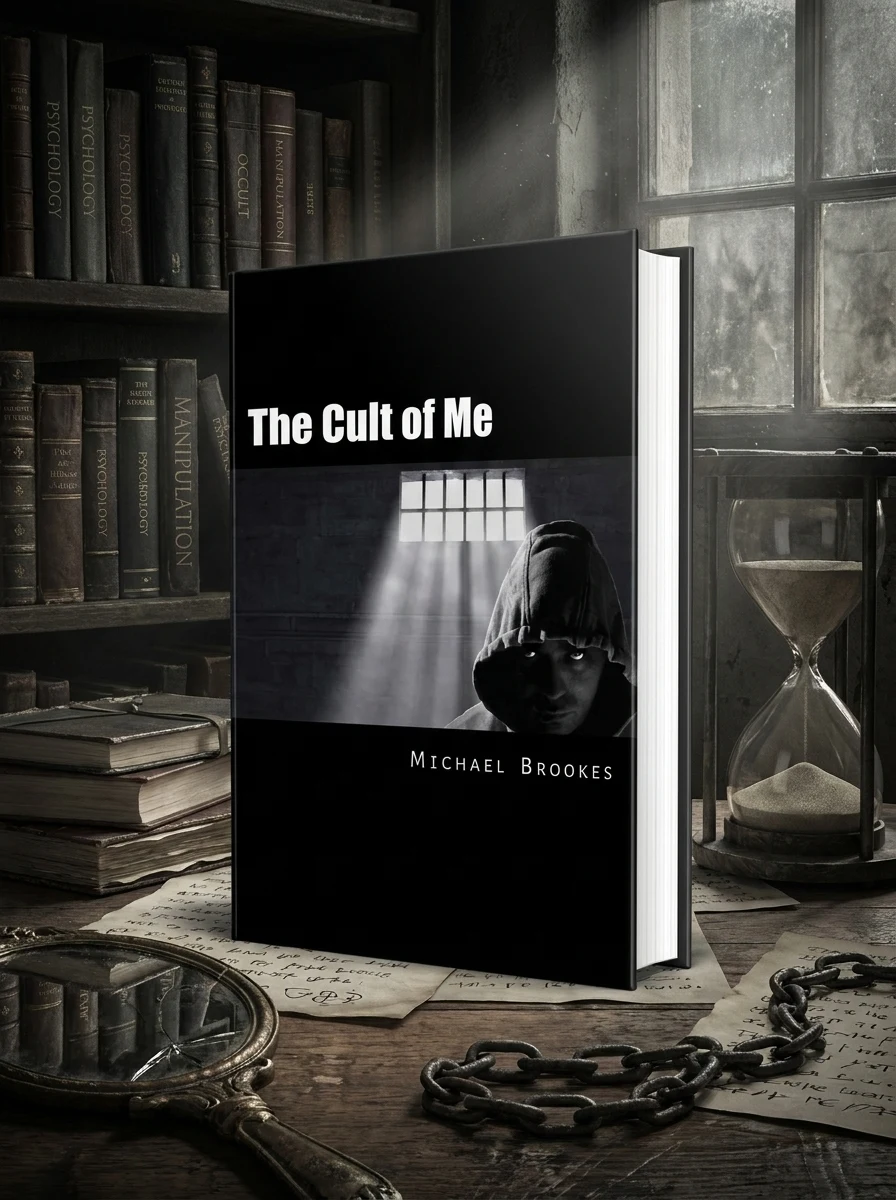
The Cult of Me
A psychological horror about a telepathic man who judges humanity.
The narrative follows a man who discovers he can read minds and force his will on others. Initially, he uses this gift for personal gain until a tragedy shifts his perspective. He begins to view himself as a judge of the human race, deriving purpose from tormenting those around him. His life lacks meaning until he decides on a final, terrifying act to ensure his legacy. The story is a study in narcissism and power, showing how isolation leads to cruelty. It does not feature external threats but focuses entirely on the internal logic of a madman. The protagonist’s journey is linear, moving from discovery to abuse of power to a final declaration of intent. There are no allies or mentors mentioned, only his solitary struggle with his own abilities.
Published in 2012 by Createspace Independent Publishing Platform, this book sits within the modern independent horror genre. It reflects a period where authors could self-publish psychological thrillers without traditional gatekeepers. The work aligns with contemporary trends in supernatural fiction that focus on internal corruption rather than external folklore.


📝 Description: The Cult of Me
💎 Our verdict on The Cult of Me
📖 Why choose it
Why this book is worth reading
Readers interested in the psychological descent of a narcissistic protagonist will find this text compelling. It offers a deep dive into the isolation of absolute control and the corruption of power without relying on traditional monster hunts. Those who enjoy gothic themes centered on internal psychological struggle over external threats will appreciate the focus on the internal logic of a madman. The book suits individuals seeking a slow, introspective approach to horror that examines the consequences of unchecked psychic ability. It is ideal for fans of supernatural fiction that prioritizes character study and thematic depth over plot-driven action or redemption arcs.
⭐ Reader reviews
Reader rating
Brookes delivers a stark examination of narcissism through a first-person narrative that traces a protagonist's shift from personal gain to global judgment. The text excels in portraying the internal logic of madness, offering a chilling look at how isolation breeds cruelty. By focusing entirely on the mind-reading premise rather than mythological traditions, it creates a unique atmosphere of dread. This work is best suited for readers who appreciate dark fantasy and psychological horror that challenges moral boundaries. It avoids redemption or happy endings, providing instead a continuous monologue that forces engagement with the protagonist's terrifying perspective and his ultimate declaration of intent.