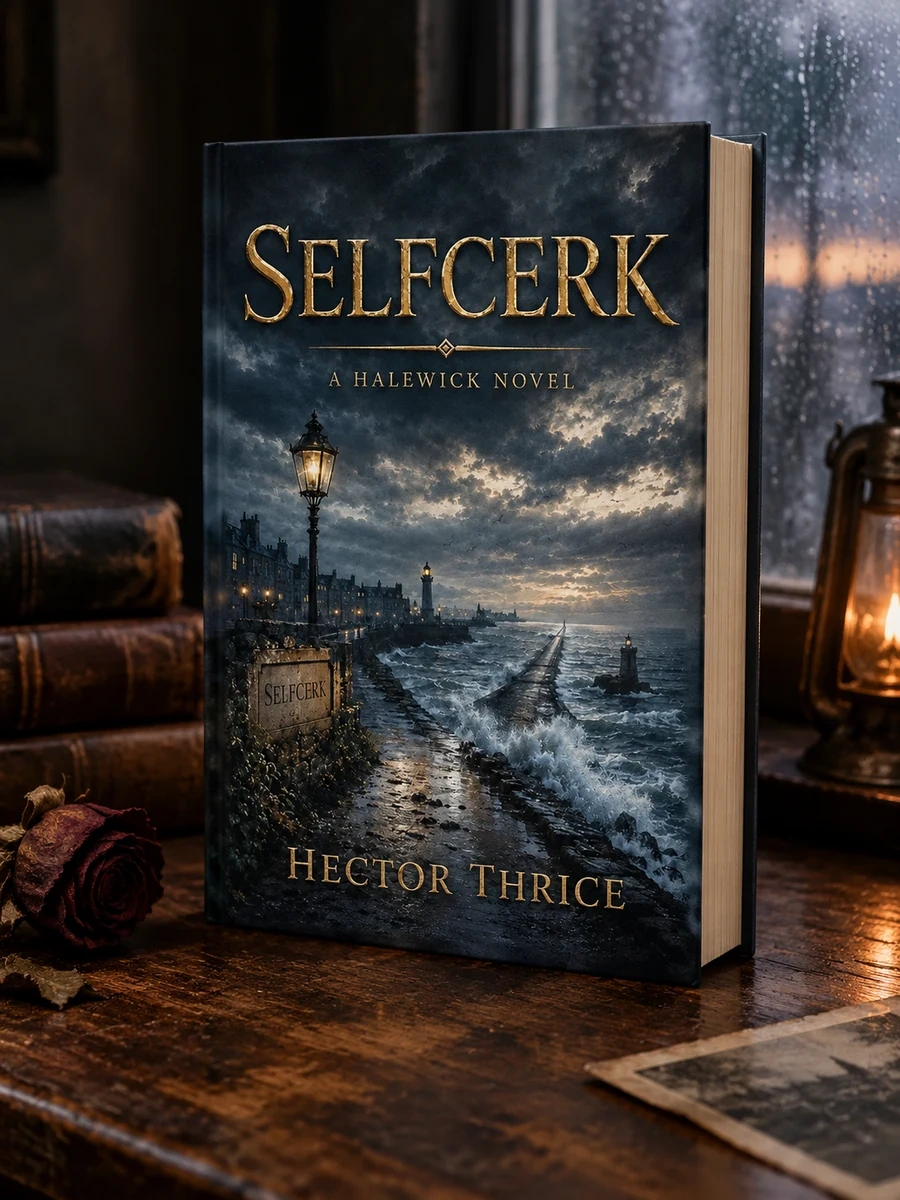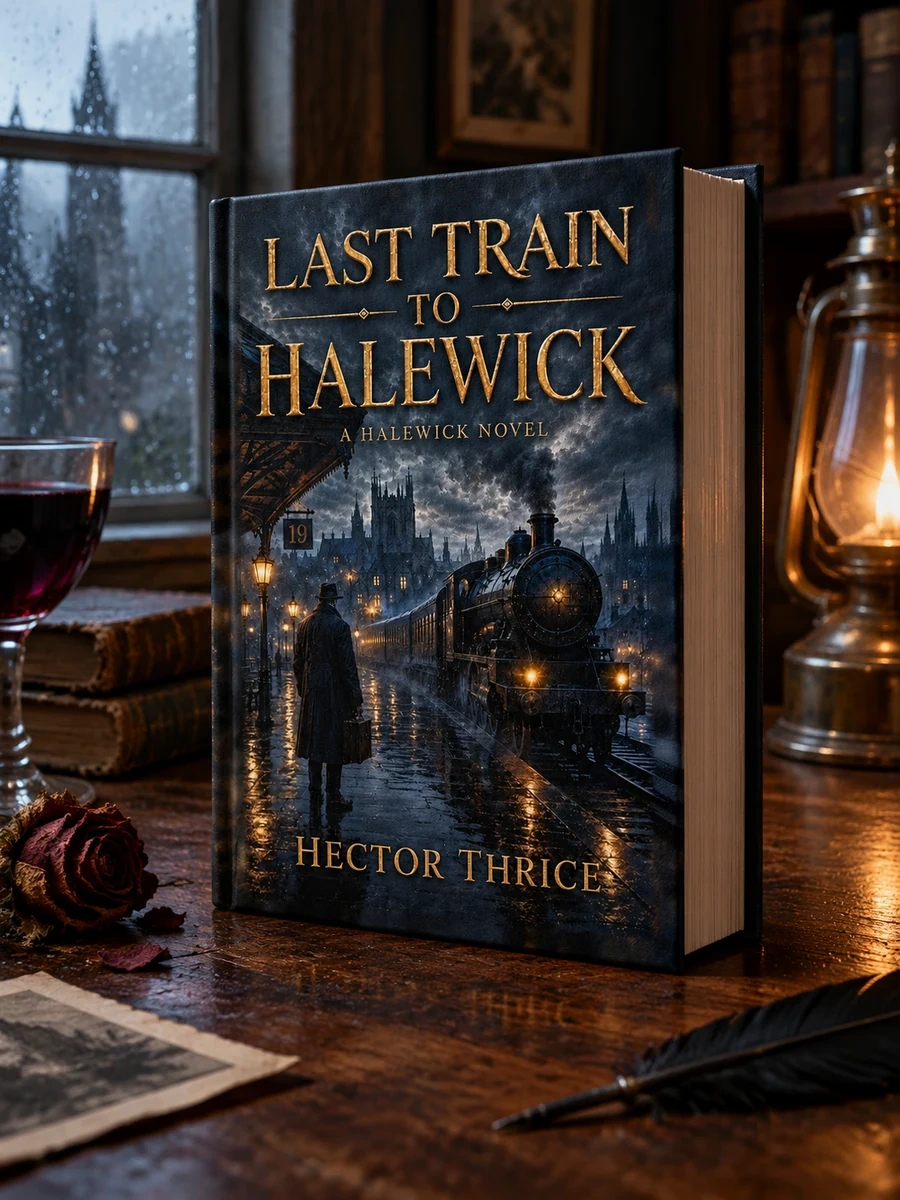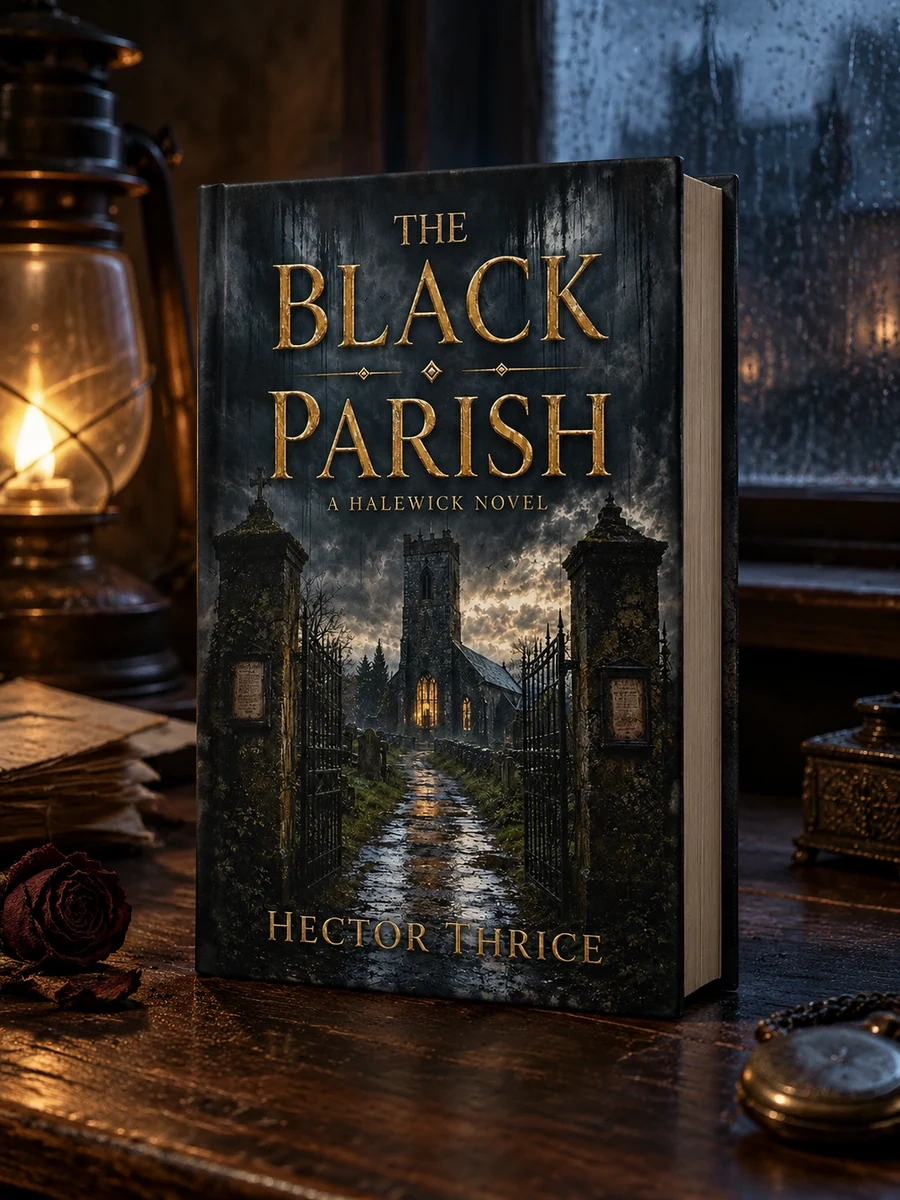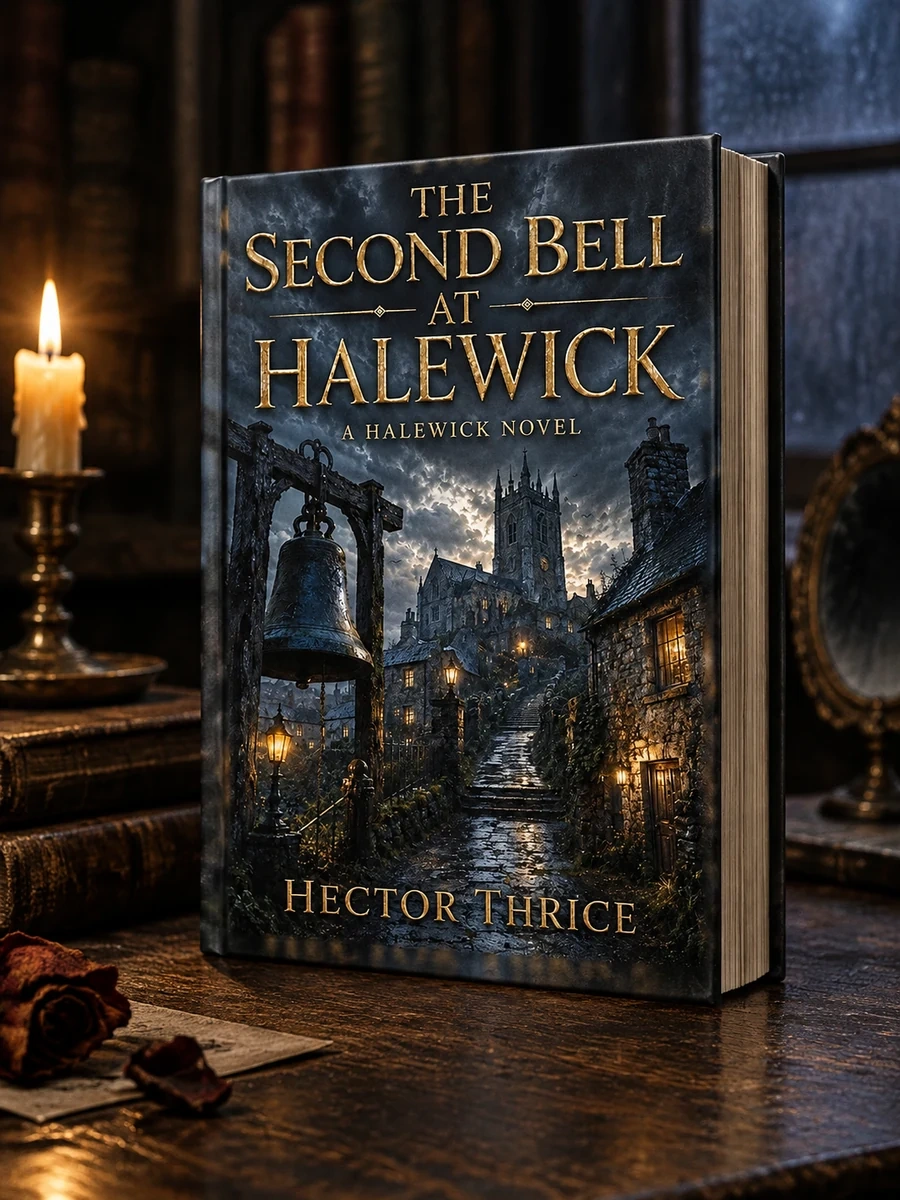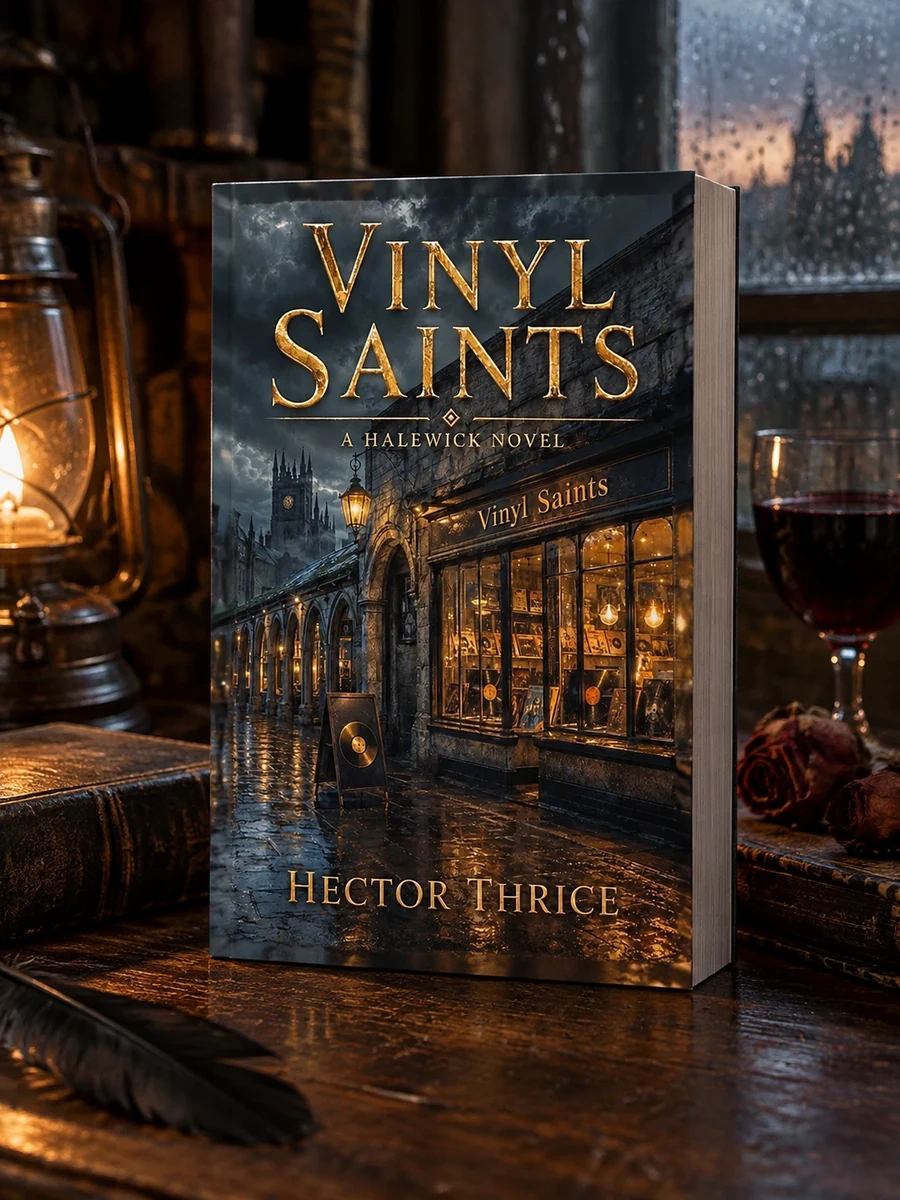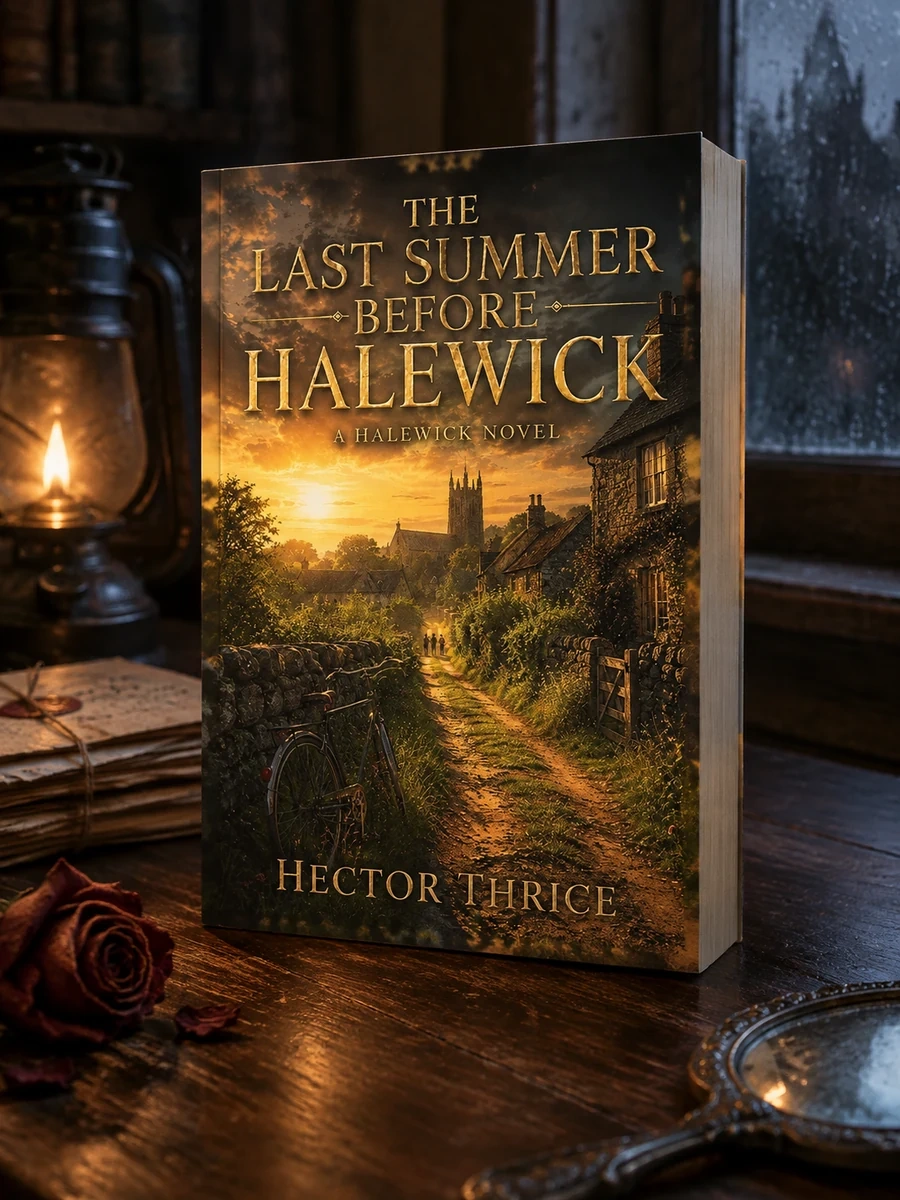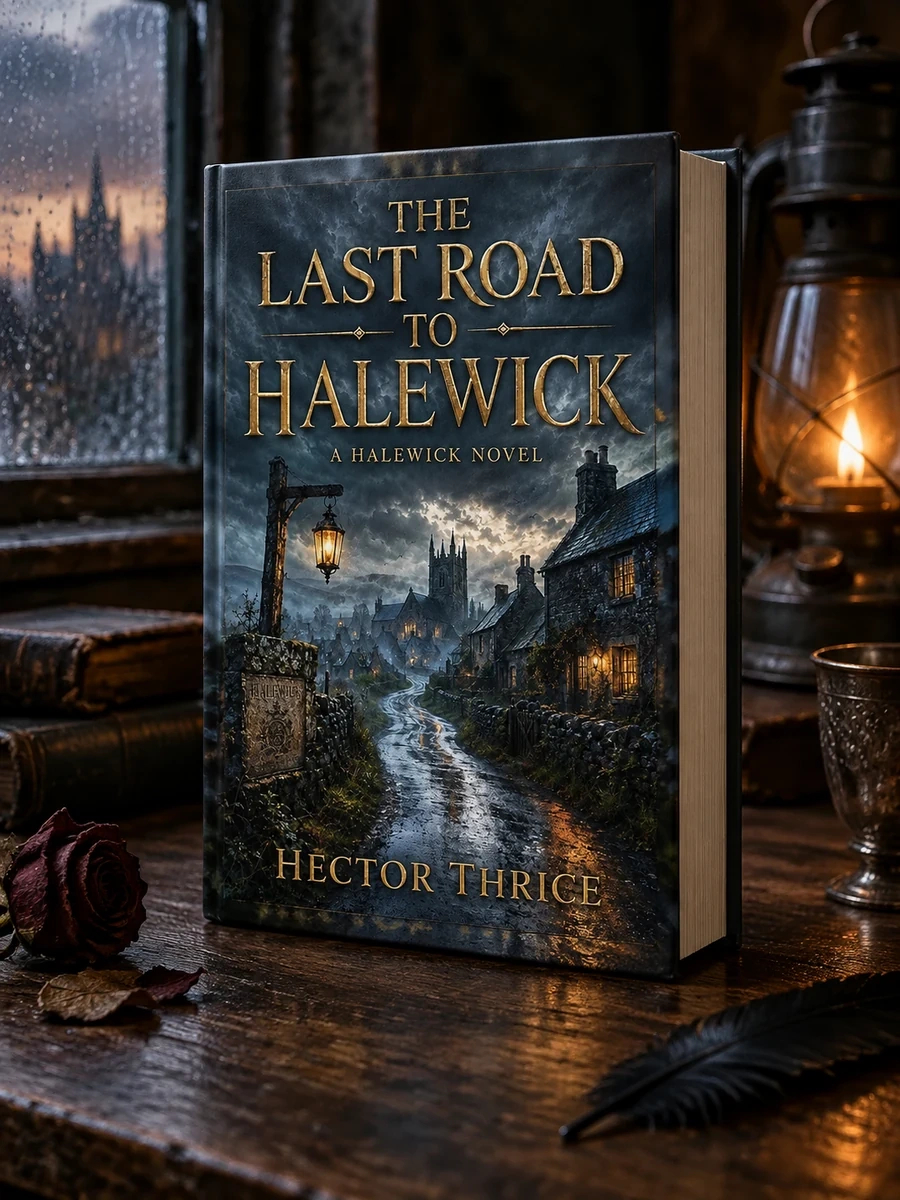
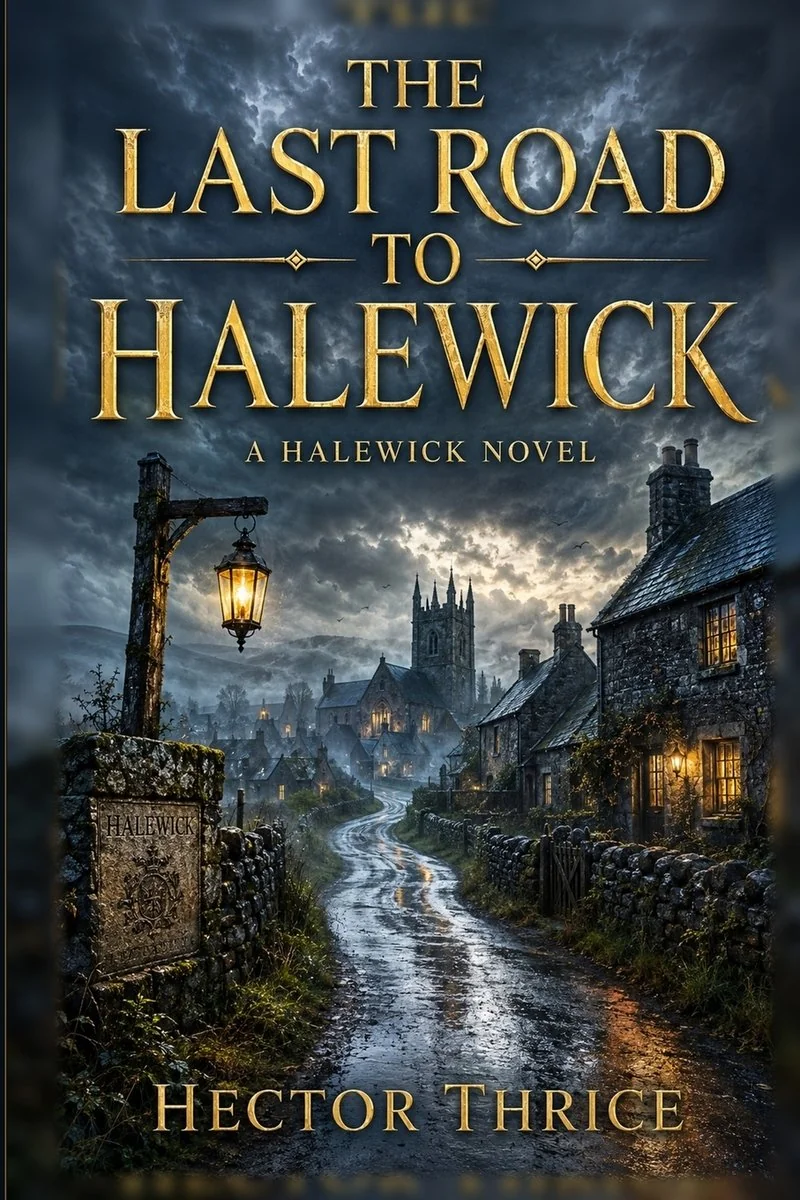
The Last Road to Halewick: A Halewick Novel
A British supernatural mystery about a road that maps deny exists.
The Last Road to Halewick follows Noah as he investigates discrepancies in official records regarding a village in North-West England. He encounters altered photographs and warnings delivered by bells while searching for evidence of missing families. Thrice uses these elements to construct a narrative where memory itself becomes unreliable. The story explores how people are erased from history and the consequences of that erasure. It combines folk horror with gothic atmosphere to create a sense of lingering dread. The novel serves as an introduction to a series centered on hidden histories. Readers interested in the mechanics of forgetting will find the plot engaging. Those preferring action-driven plots may find the focus on investigation too slow. The book examines the tension between personal truth and official records. Thrice presents a world where geography and memory are contested territories. The narrative does not offer easy answers about why Halewick was forgotten. Instead, it focuses on Noah’s stubborn certainty that someone is missing.
The novel draws on British folk horror traditions and gothic atmosphere to explore hidden history in North-West England. It examines how official records can erase families and communities, reflecting a cultural anxiety about memory loss and the reliability of historical narratives.


📝 Description: The Last Road to Halewick: A Halewick Novel
💎 Our verdict on The Last Road to Halewick: A Halewick Novel
📖 Why choose it
Why this book is worth reading
Readers interested in the mechanics of forgetting and the tension between personal truth and official narratives will find this book engaging. It appeals to those who appreciate atmospheric tension over action-driven plots, offering a slow-burn investigation into how individuals are erased from history. The focus on geography as a contested territory provides a unique perspective for fans of psychological horror. Those seeking straightforward adventure may find the pacing frustrating, but enthusiasts of British supernatural mysteries will value the careful construction of dread and the exploration of memory loss.
⭐ Reader reviews
Reader rating
Hector Thrice crafts a compelling study of memory and erasure through Noah’s investigation into a forgotten village. The blend of folk horror with gothic atmosphere creates a lingering sense of unease without relying on cheap scares. By presenting evidence that contradicts accepted facts, the narrative effectively builds dread. While the slow burn may deter action-oriented readers, it suits those who enjoy questioning the reliability of history. The work stands as a thoughtful examination of how official narratives can suppress community existence, making it a strong entry for fans of atmospheric and psychological horror.