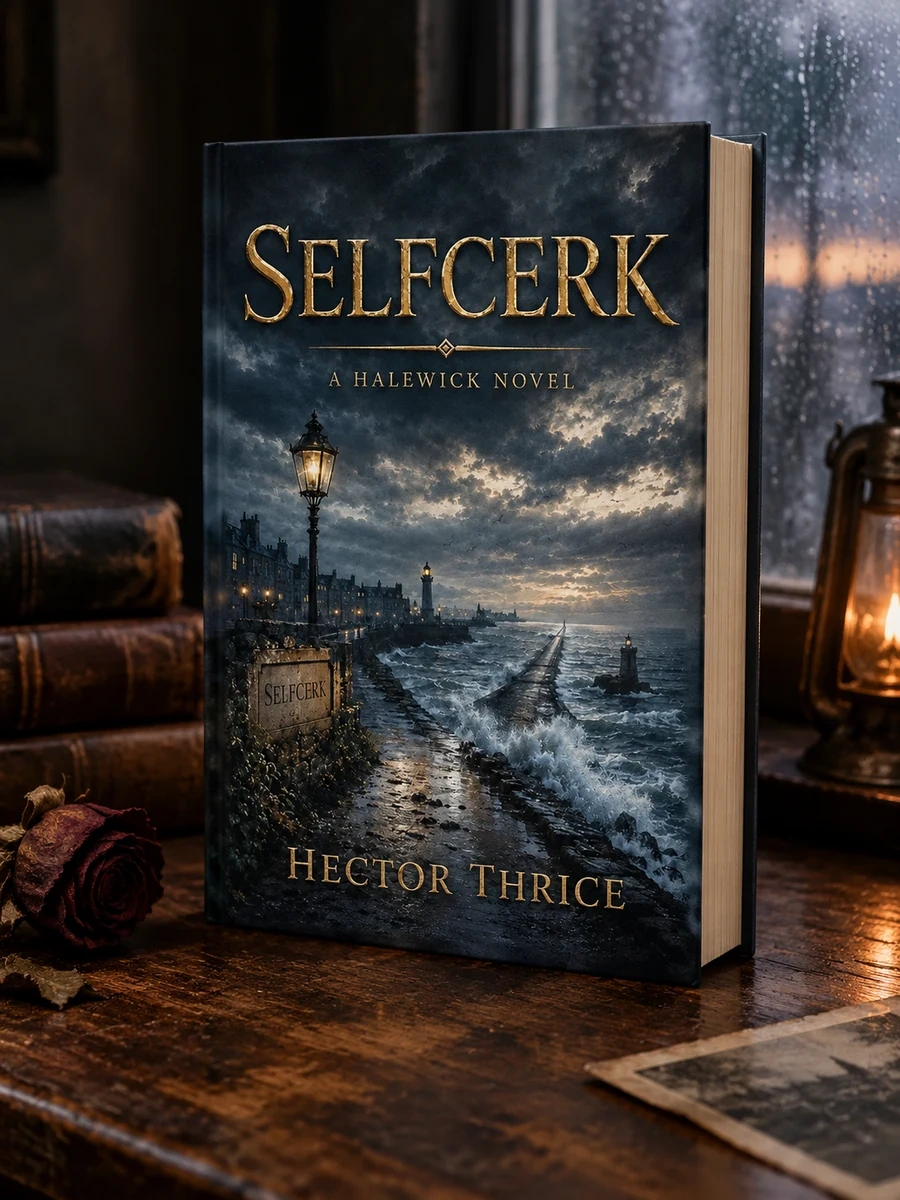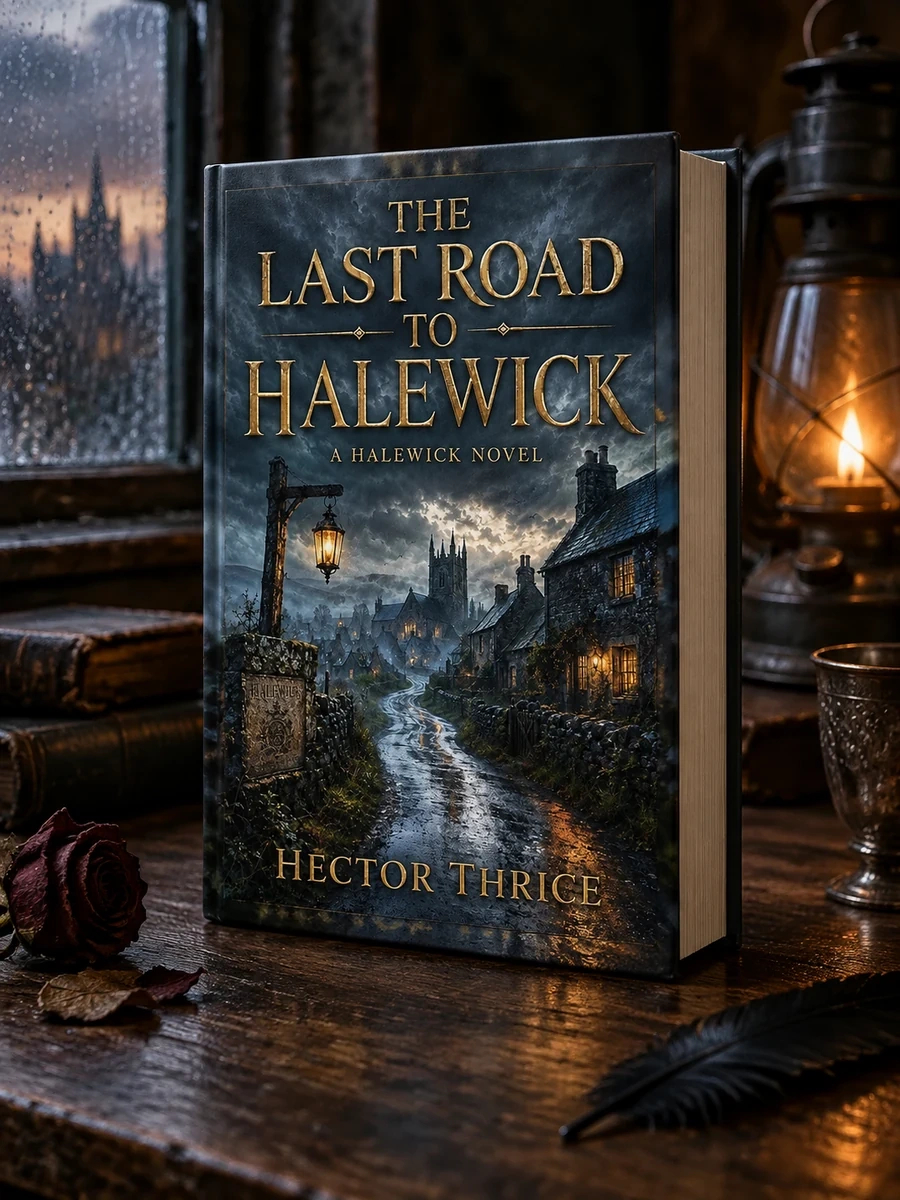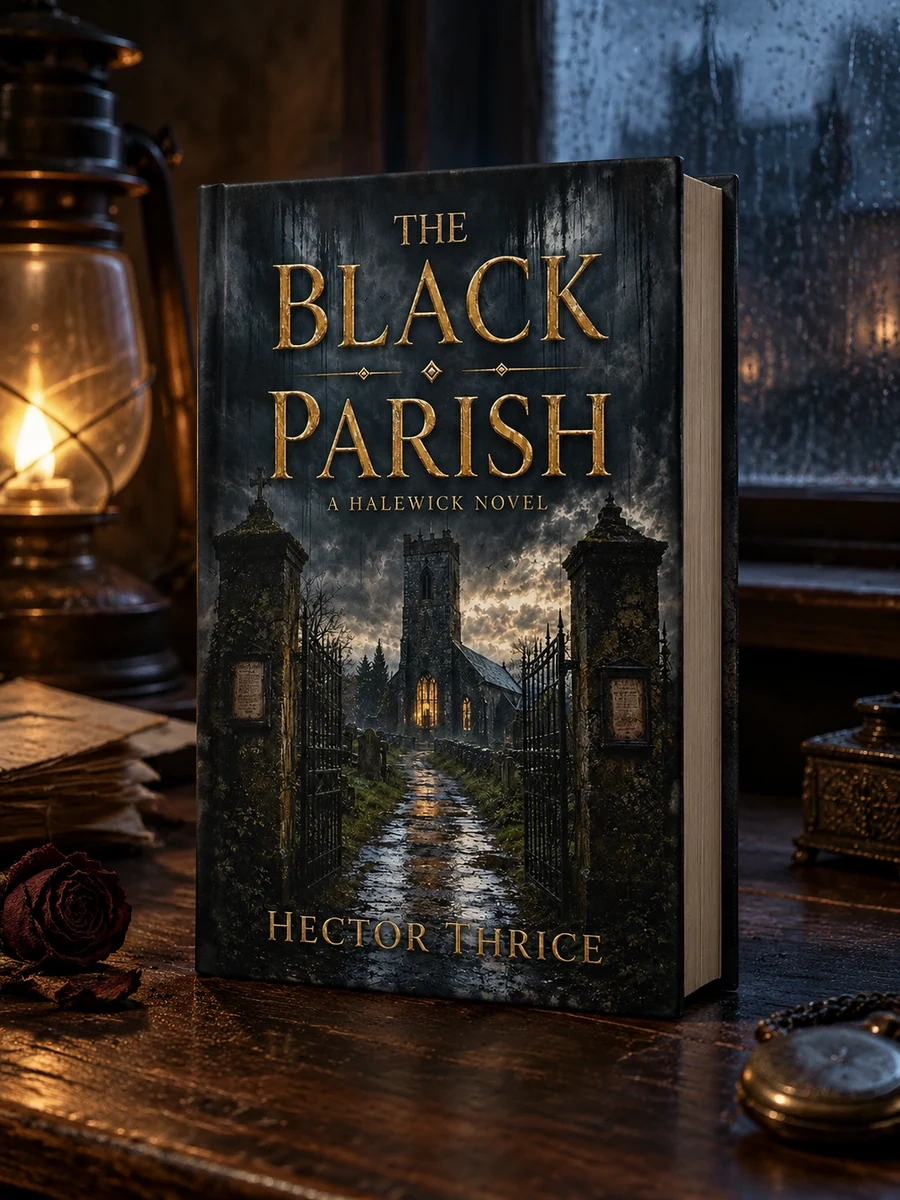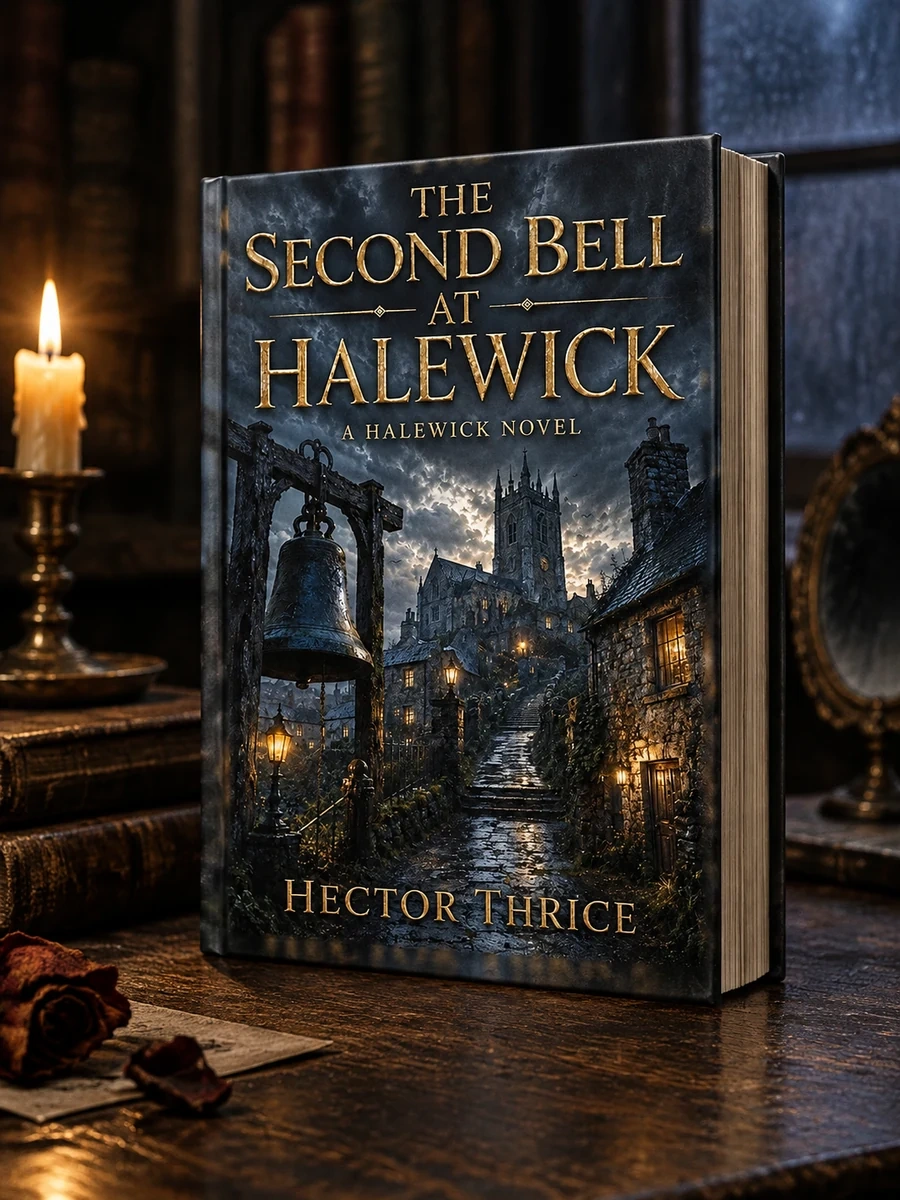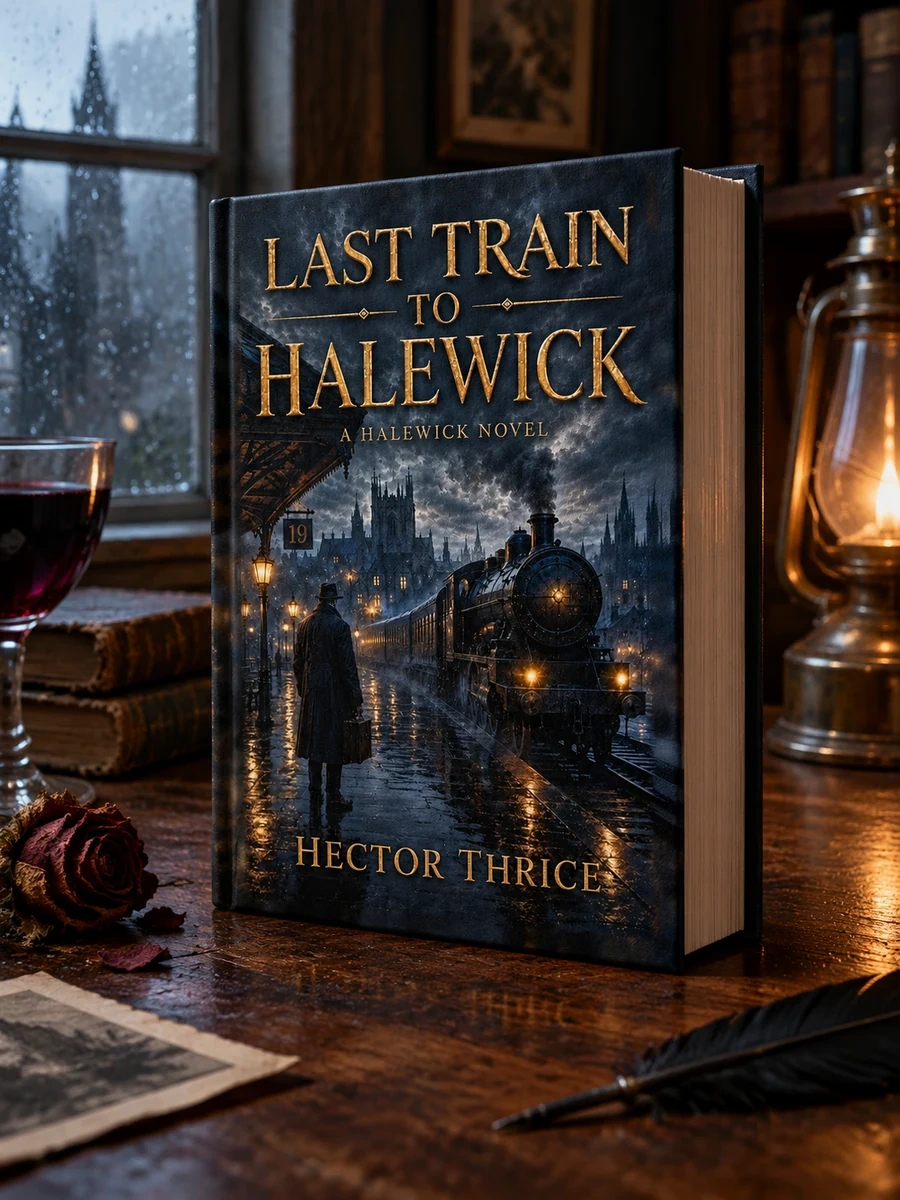
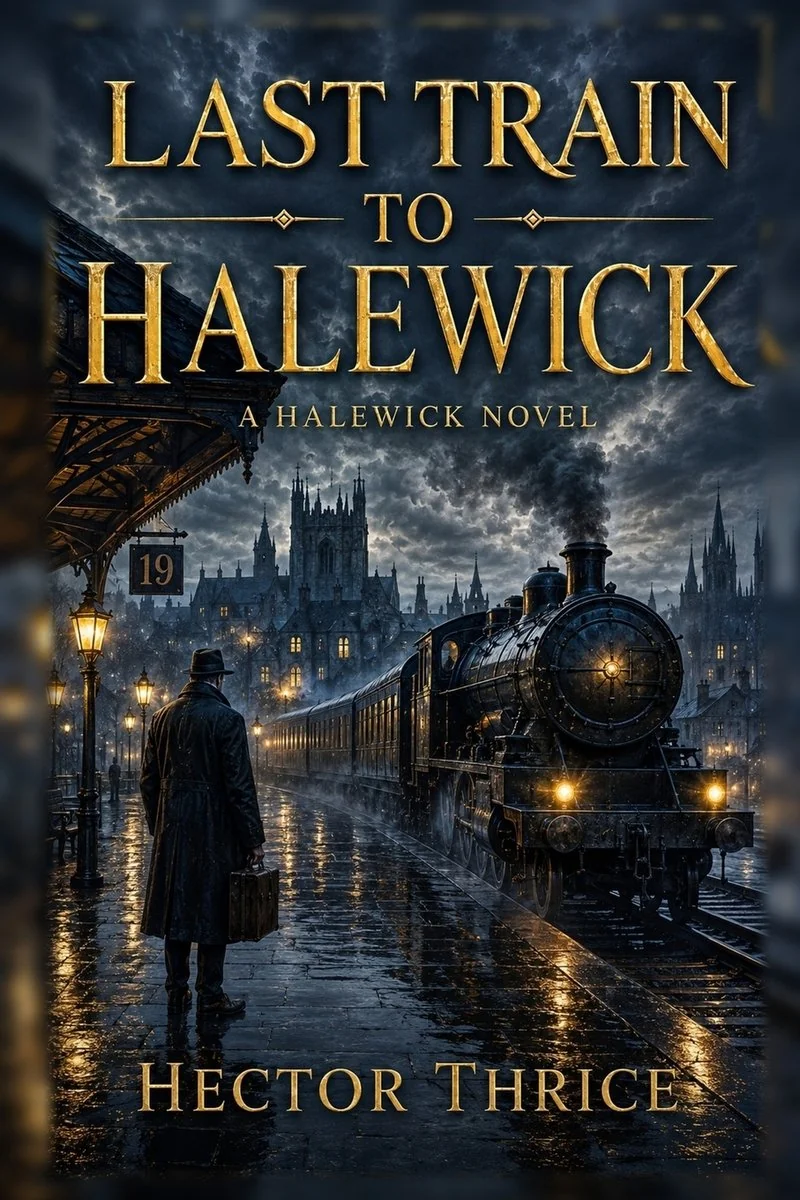
Last Train To Halewick: A Halewick Novel
A man receives a black ticket to a hidden platform in this British supernatural mystery.
Flynn Caryle uses humor and busyness to escape his history until a mysterious ticket forces him to confront it. At Low Road Station, he discovers a forbidden platform beneath the usual timetables. The narrative focuses on the psychological weight of unfinished business. Thrice uses the setting of Halewick to show how physical spaces retain memory. The story does not offer easy answers but rather emphasizes the inevitability of facing what was left behind. This approach creates a slow-burning tension typical of gothic fiction.
This work sits within the British supernatural mystery tradition, specifically drawing on gothic and horror genres. It utilizes the setting of Low Road Station to explore themes of memory and guilt common in UK literature.


📝 Description: Last Train To Halewick: A Halewick Novel
💎 Our verdict on Last Train To Halewick: A Halewick Novel
📖 Why choose it
Why this book is worth reading
Readers who appreciate slow-burning tension and atmospheric storytelling will find this novel deeply rewarding. It is ideal for those interested in the psychological weight of unfinished business and the concept that physical locations retain memory. The book offers a compelling examination of guilt, missed chances, and the dangerous comfort of ignoring history. It suits audiences who enjoy British gothic traditions and supernatural fiction that emphasizes inevitability over easy answers. Those seeking lighthearted escapism or fast-paced action will likely find little appeal here, but fans of tales where the past actively pursues the present will appreciate its nuanced approach to haunting and memory.
⭐ Reader reviews
Reader rating
Hector Thrice delivers a masterful exploration of guilt and memory through the lens of British gothic horror. The narrative effectively utilizes a rain-soaked, atmospheric setting to build tension, making the railway itself feel like a listening entity that records history. Thrice excels in depicting how physical spaces retain emotional weight, creating a slow-burning dread that lingers long after the pages turn. This approach resonates strongly with readers who favor psychological depth over plot-driven action. The story does not offer clear resolutions, instead emphasizing the inevitability of facing what was left behind. It is a refined entry in the supernatural mystery genre, appealing to those who enjoy literary horror that prioritizes mood and thematic resonance over conventional scares.