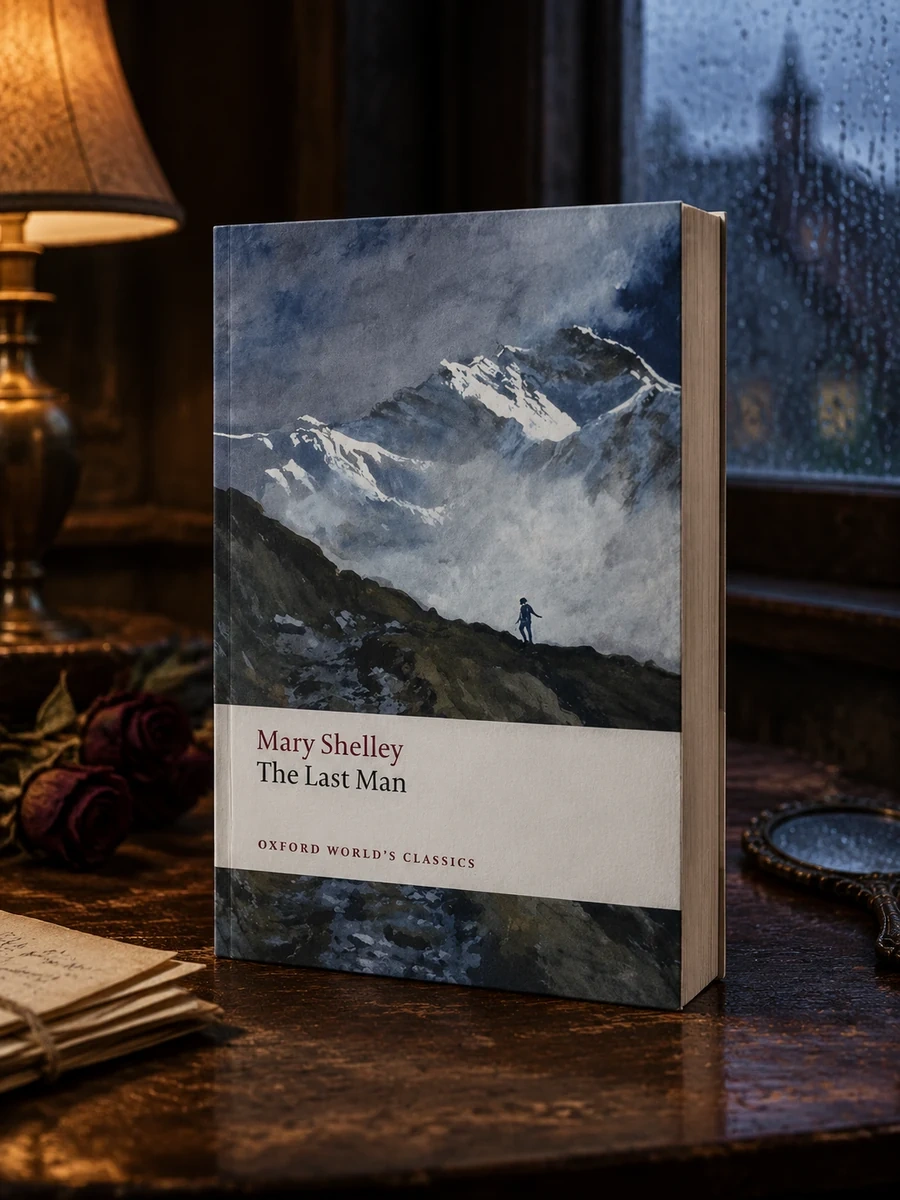
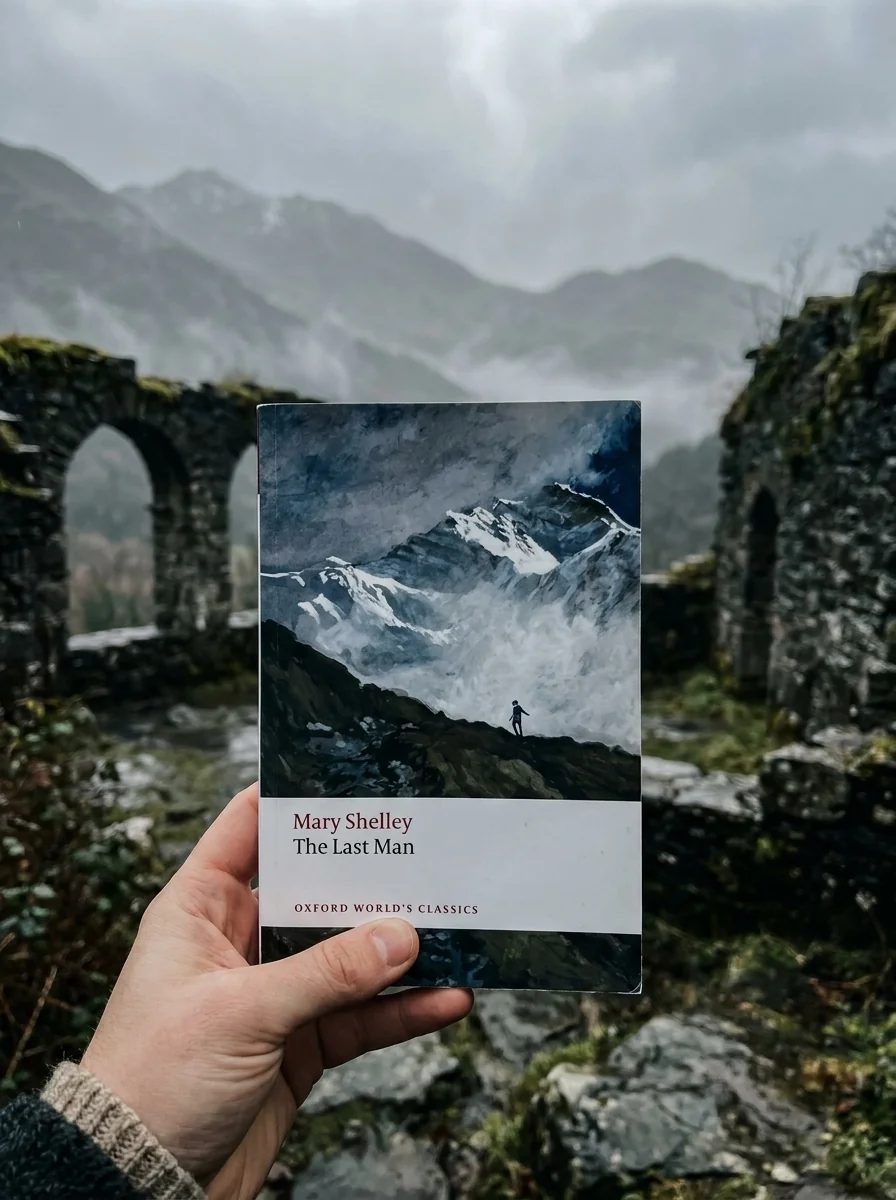

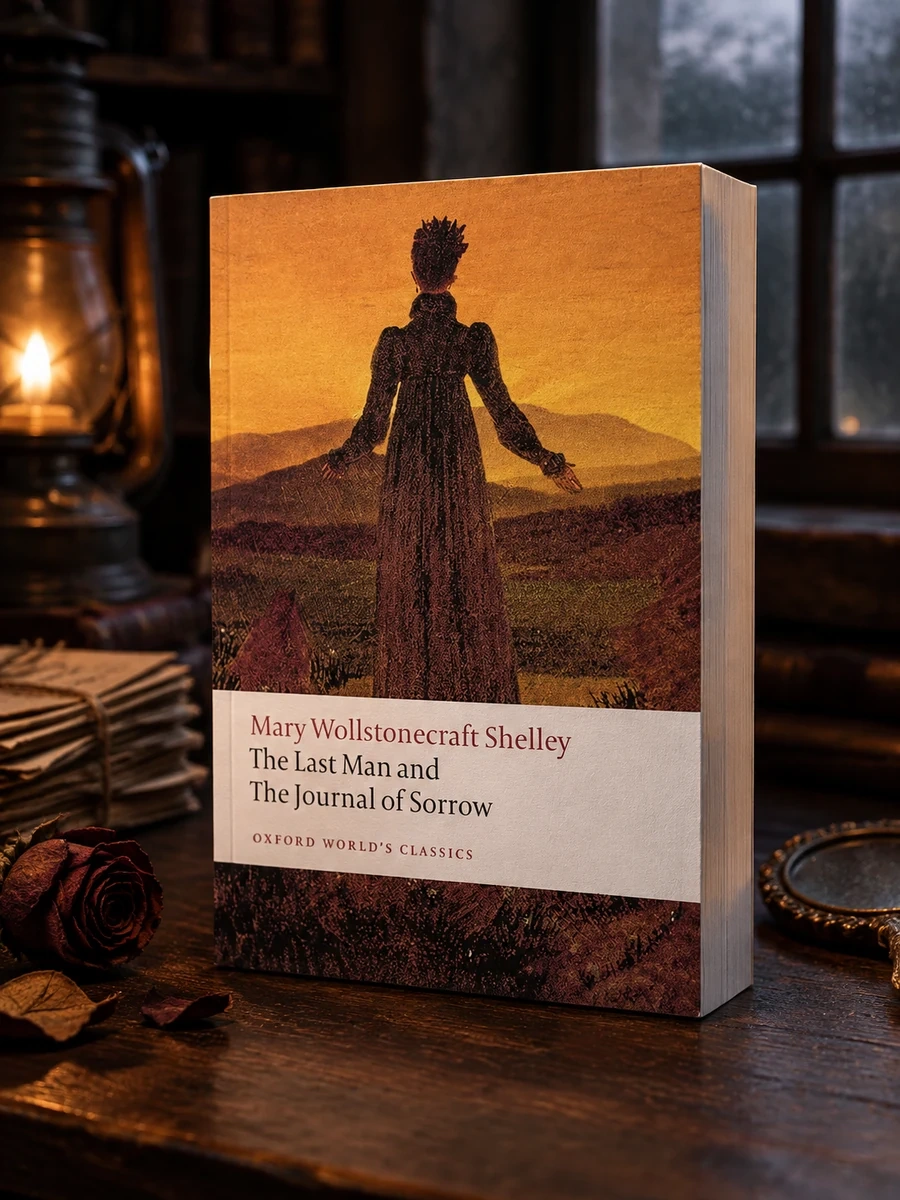
The Last Man
A futuristic novel about plague, tragic love, and the end of humanity.
Shelley explores the collapse of civilization through a lens that rejects Romantic ideals. The story tracks the failure of art to save characters facing extinction. Portraits of Byron and Shelley appear within this fictional framework. The Oxford edition enhances understanding with scholarly notes and introductions. Readers find a reaction against the era's dominant artistic movements. The text uses these historical figures to question the power of imagination. It offers a stark view of human fragility without offering hope.
The novel reacts against Romanticism by showing the failure of art and imagination. It includes portraits of Percy Bysshe Shelley and Lord Byron. This work represents a shift from earlier romantic ideals toward a darker, more realistic vision of human destiny.


📝 Description: The Last Man
💎 Our verdict on The Last Man
📖 Why choose it
Why this book is worth reading
This text offers a unique perspective for readers interested in the limits of imagination and art when faced with inevitable doom. It appeals to those who appreciate gothic fiction and historical literary reactions, providing a vision that grounds supernatural elements in a recognizable past through real figures like Byron. Readers seeking a stark view of human fragility without hope will find value in its rejection of Romantic ideals. The inclusion of scholarly apparatus supports accurate scholarship for students and enthusiasts of dark fantasy and true crime adjacent themes, making it essential for understanding the collapse of civilization through a lens that prioritizes tragic love over redemption.
⭐ Reader reviews
Reader rating
The Last Man presents a futuristic narrative centered on the gradual extermination of humanity by plague, marking Shelley’s most significant novel following Frankenstein. It effectively demonstrates how the failure of imagination leaves doomed characters without redemption, offering a reaction against the era's dominant artistic movements. The work suits readers interested in gothic fiction and historical literary context, though it may not appeal to those seeking fast-paced action or contemporary settings. Its strength lies in grounding supernatural elements through real figures like Byron, providing a recognizable past for its tragic love story. This edition enhances understanding with scholarly notes, making it ideal for academic study rather than casual reading.
📖 Read on the blog
📖 From the series “Oxford World's Classics”
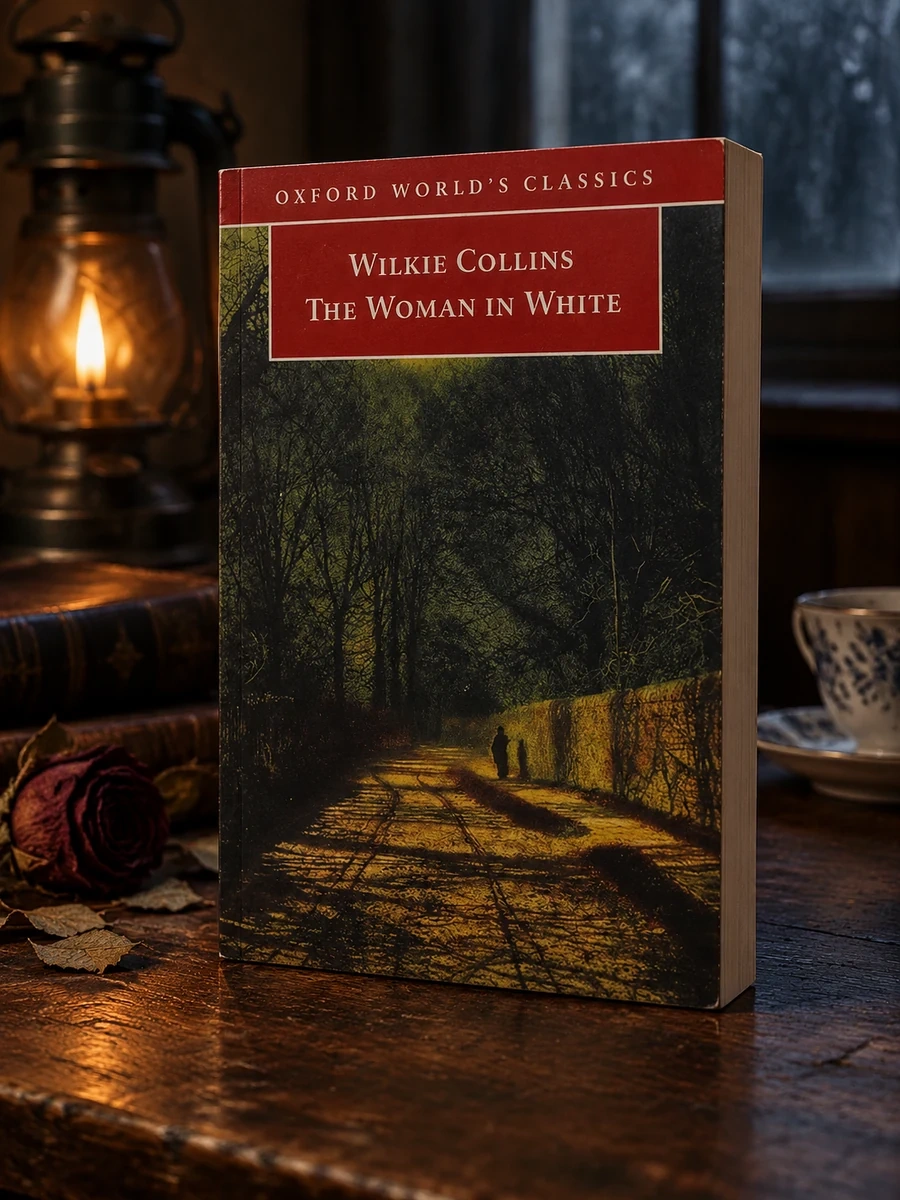


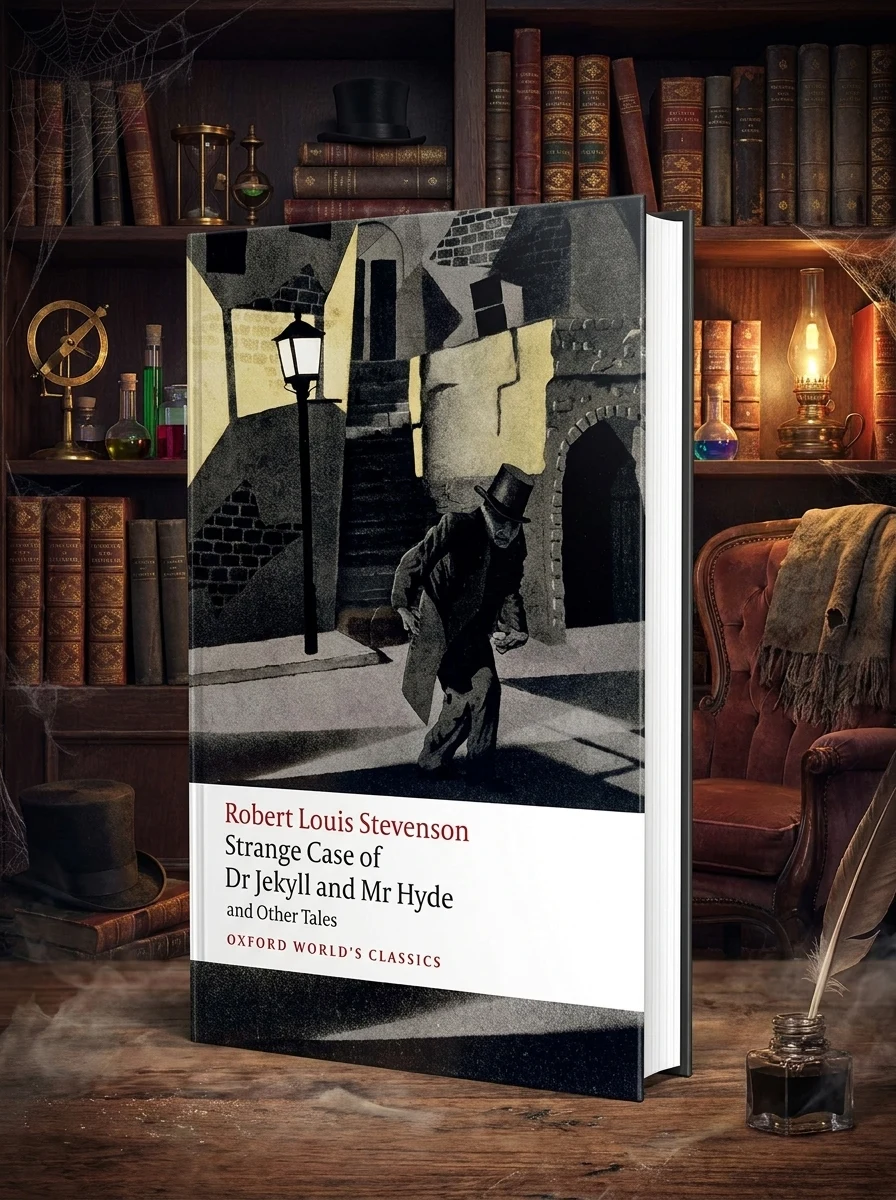
✍️ More books by this author Mary Shelley
🏛 Books from this publisher Oxford University Press

You might also like
See more →


Have a question about this item?
Ask about the edition, condition, delivery or anything else — we reply by email or phone, usually within a day.
