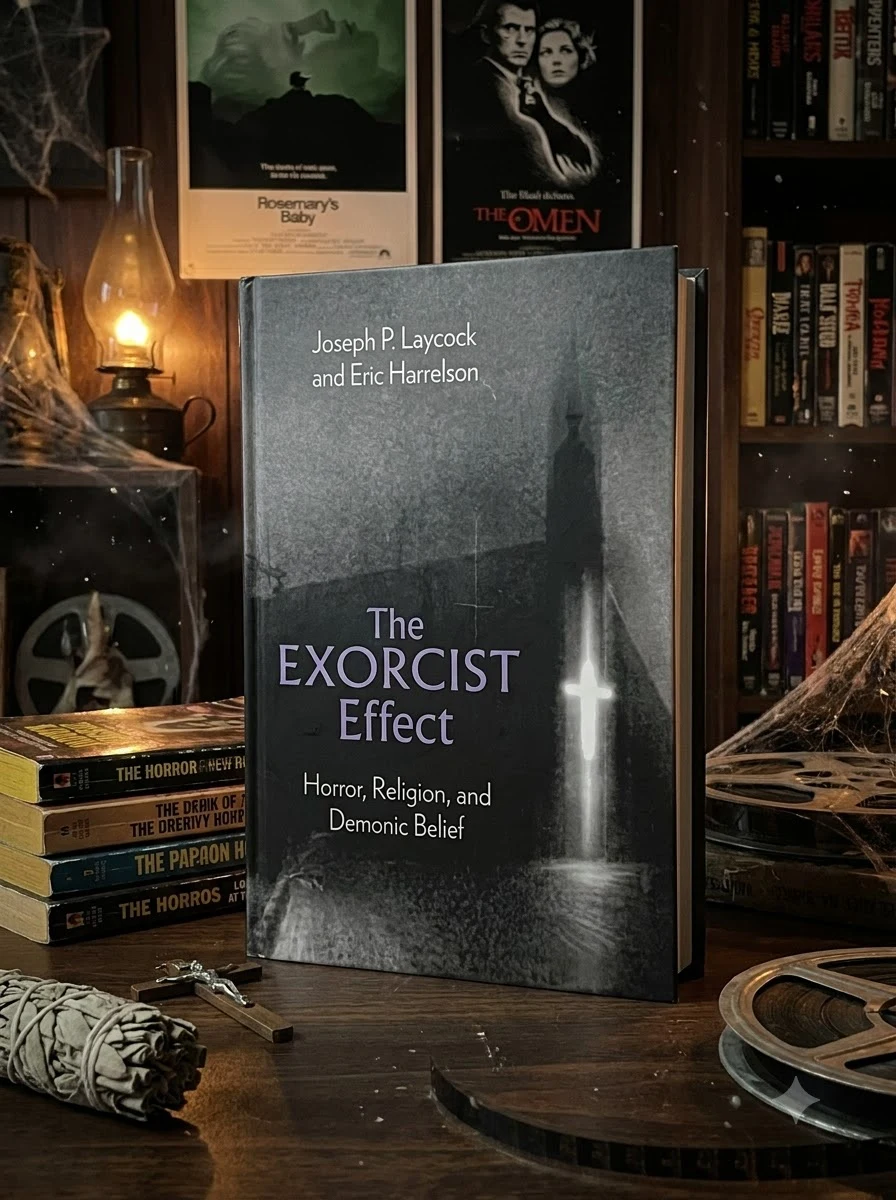
The Exorcist Effect: Horror, Religion, and Demonic Belief
A scholarly look at how horror films shaped religious belief since 1968.
Joseph P Laycock examines the reciprocal relationship between cinematic horror and religious culture from 1968 to the present. He analyzes how movies like Rosemary's Baby, The Exorcist, and The Omen claimed roots in actual events or Biblical texts. These narratives then influenced real-world beliefs and paranormal experiences, which subsequently inspired further film productions. This cycle of influence forms the core of his inquiry. The author utilizes archival research to investigate key figures who navigated this space, specifically Ed and Lorraine Warren and Malachi Martin. He also incorporates interviews with horror authors, film writers, and paranormal investigators to understand their roles in this ongoing exchange. The work focuses on how these individuals inserted themselves into the cycle of belief and entertainment. This book suits readers interested in media history, religious studies, and the cultural impact of genre fiction. It may not appeal to those seeking pure entertainment or technical film analysis without a sociological angle. Laycock provides a grounded look at how fiction and faith intersected during this specific era.
This text analyzes the period from 1968 to the present. It focuses on American horror cinema and its interaction with religious traditions. The work examines how fictional stories influenced real-world beliefs and paranormal investigations during this specific timeframe.


📝 Description: The Exorcist Effect: Horror, Religion, and Demonic Belief
💎 Our verdict on The Exorcist Effect: Horror, Religion, and Demonic Belief
📖 Why choose it
Why this book is worth reading
Readers with a vested interest in media history, religious studies, and the cultural impact of genre fiction will find significant value in this text. It appeals to those curious about the symbiotic relationship between entertainment and belief systems, particularly regarding the influence of iconic films on public perception of the demonic. However, it may not satisfy readers seeking pure escapism or technical film analysis devoid of sociological context. By focusing on how figures like Ed and Lorraine Warren inserted themselves into this cycle, the book offers a grounded look at the intersection of fiction and faith during a specific era.
⭐ Reader reviews
Reader rating
Laycock delivers a rigorous examination of how horror cinema has dictated religious culture for over five decades. The text effectively highlights the feedback loop between movies claiming biblical roots and the subsequent real-world paranormal experiences they inspired. By utilizing archival research and interviews, it provides a grounded perspective on key figures who navigated this complex space. This scholarly approach ensures accuracy but demands patience from casual readers. It is best suited for academic audiences or serious horror enthusiasts interested in the sociological mechanics of fear rather than those looking for straightforward entertainment.
🏛 Books from this publisher Oxford University Press




You might also like
See more →


Have a question about this item?
Ask about the edition, condition, delivery or anything else — we reply by email or phone, usually within a day.
