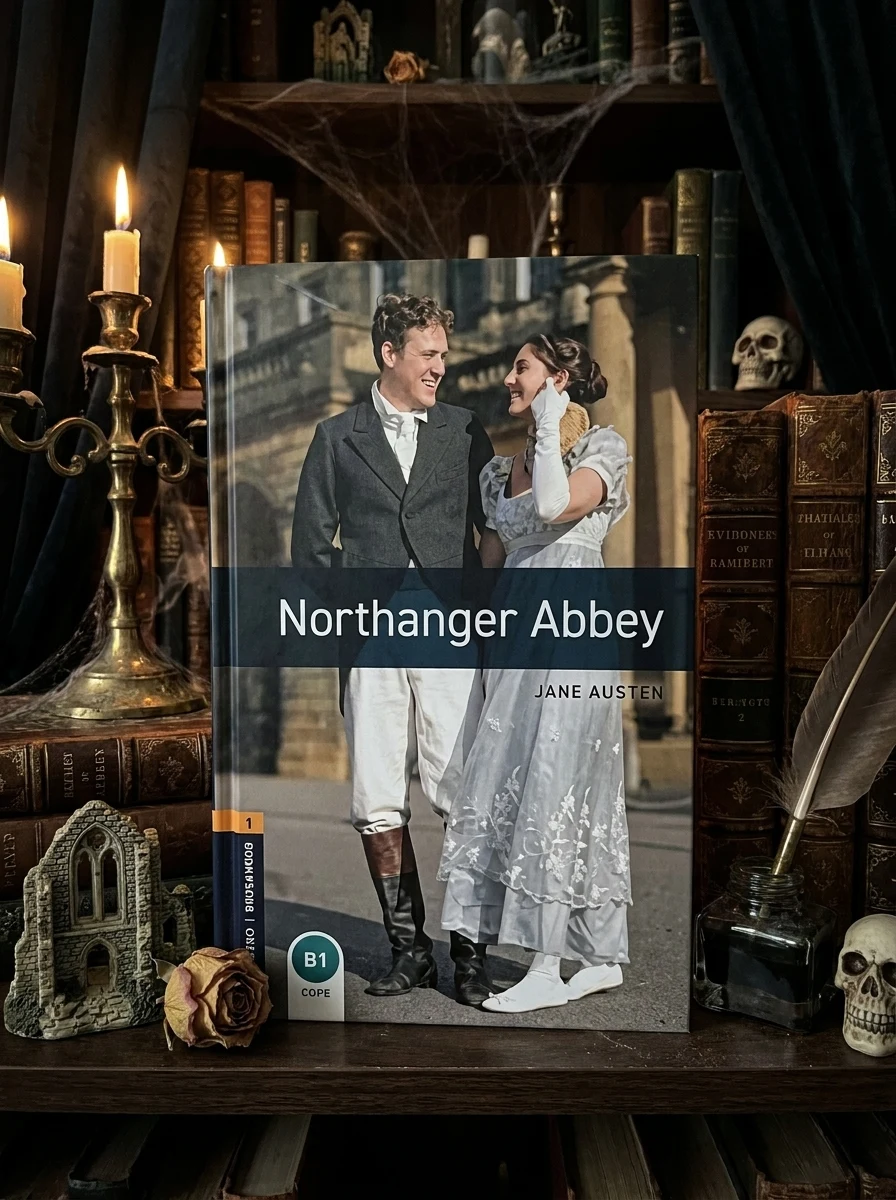
Oxford Bookworms 3e 2 Northanger Abbey
Jane Austen's satirical first novel about Catherine Morland's gothic misadventures.
This adaptation focuses on Catherine Morland’s growth from an innocent girl to a discerning woman. Her time at Bath and Northanger Abbey reveals how her love for sensational stories distorts her view of the world. Austen mocks the gothic genre while warning female readers against letting fiction dictate their judgments. The narrative structure moves through Catherine’s social encounters and internal conflicts, showing how she learns to distinguish between literary fantasy and real life. Her eventual triumph comes not from escaping danger, but from understanding the power of literature and human nature.
Published posthumously in 1818, this work stands as Austen’s first novel. It engages with the gothic tradition popular in the late eighteenth century. The text critiques these novels while emphasizing caution for young women. It reflects early nineteenth-century concerns about female education and social conduct.


📝 Description: Oxford Bookworms 3e 2 Northanger Abbey
💎 Our verdict on Oxford Bookworms 3e 2 Northanger Abbey
📖 Why choose it
Why this book is worth reading
Readers who appreciate literary satire and the evolution of the novel form will find this adaptation engaging. It offers a gentle introduction to Austen’s wit, focusing on how gothic fiction influences perception rather than providing fast-paced action. Those interested in early nineteenth-century social commentary and female discernment will value the narrative’s exploration of self-delusion. The text highlights the importance of distinguishing between literary fantasy and real life, making it ideal for those who enjoy psychological depth over complex modern profiles. It appeals to fans of classic literature seeking accessible language levels while exploring the dangers of letting fiction dictate judgment.
⭐ Reader reviews
Reader rating
This adaptation successfully captures Austen’s satirical critique of gothic tropes through an accessible lens. The narrative effectively tracks Catherine Morland’s growth, illustrating how her imagination distorts reality until she learns discernment. While it lacks the intensity of true horror, its psychological insight into romanticized fears provides a unique flavor for horror enthusiasts interested in literary history. The book suits readers who enjoy social commentary and character development over plot-driven thrills. It is an excellent choice for those wanting to understand the roots of gothic parody and the power of literature in shaping human nature without encountering dense, archaic prose.
📖 Read on the blog
✍️ More books by this author Jane Austen
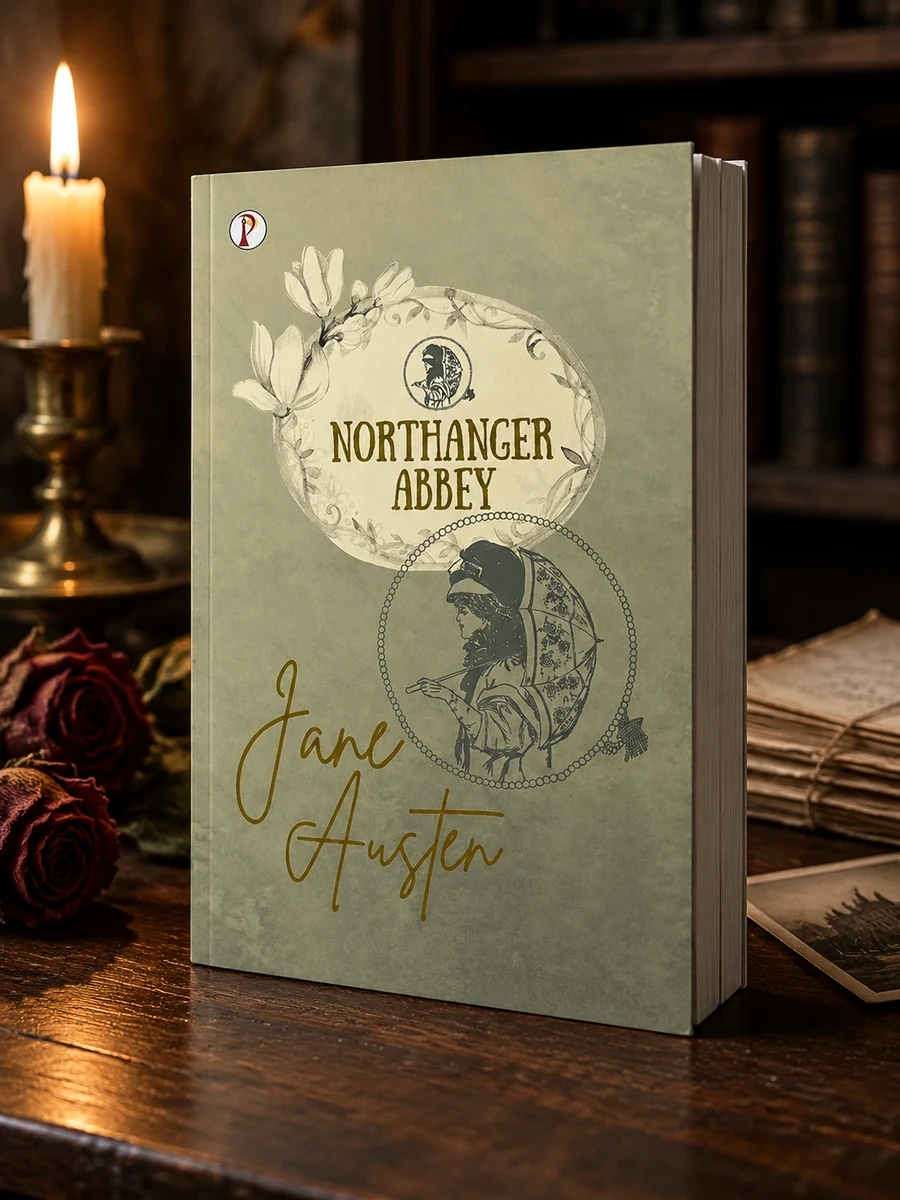


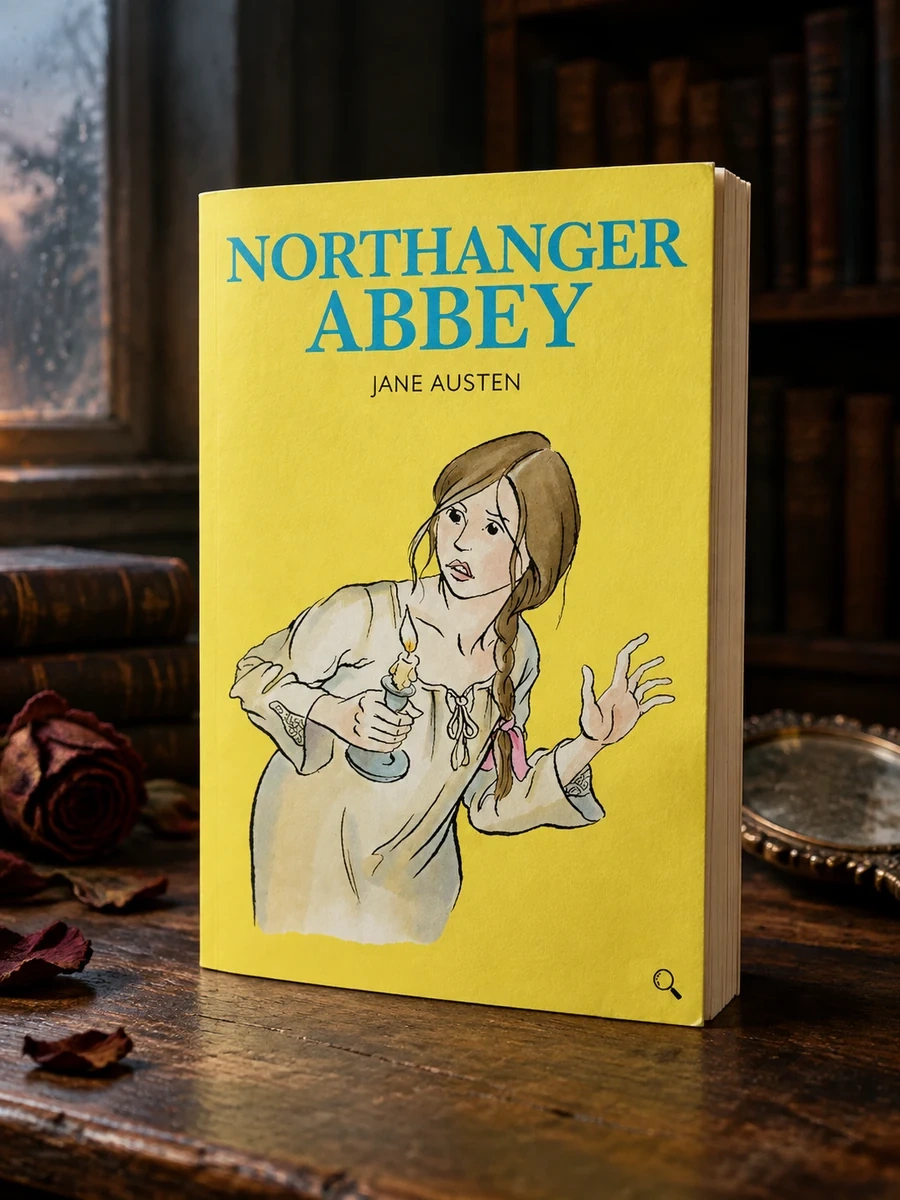
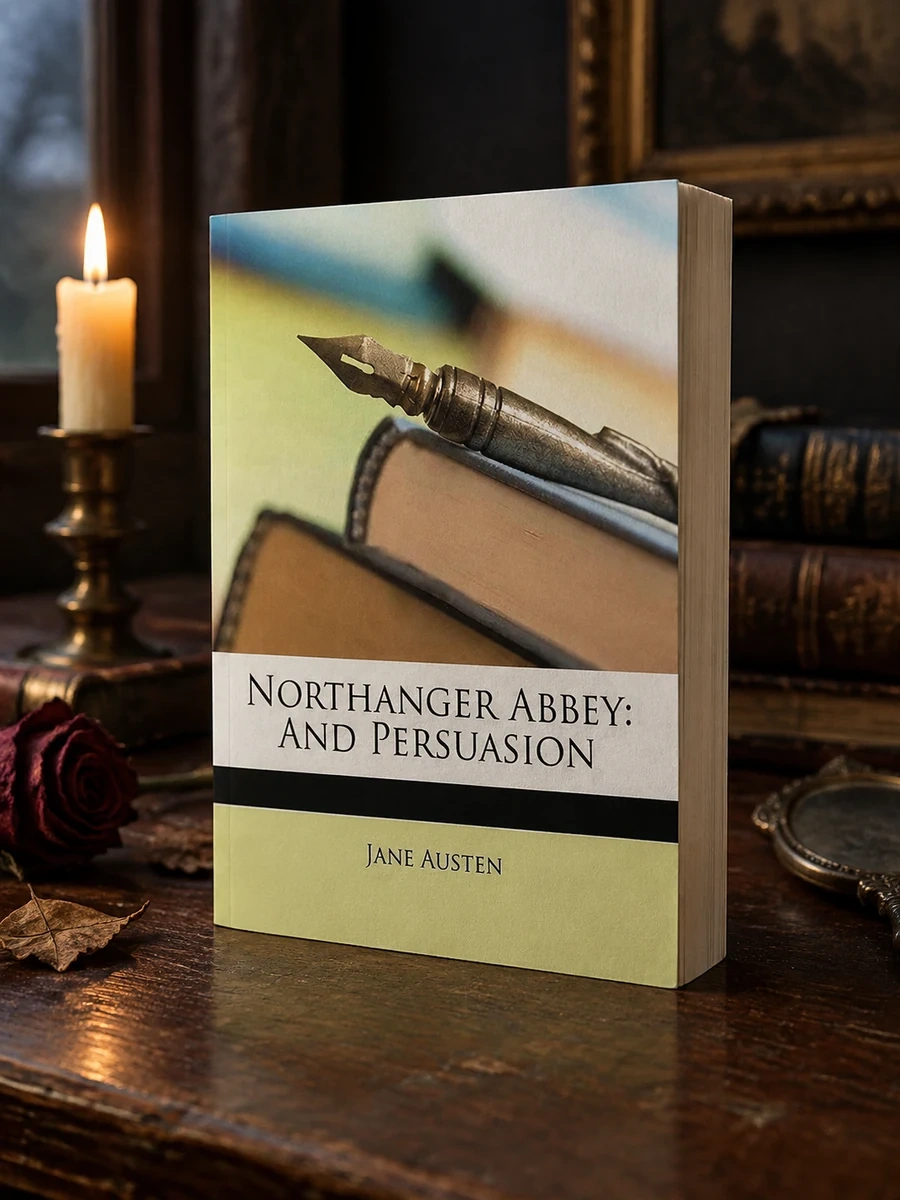
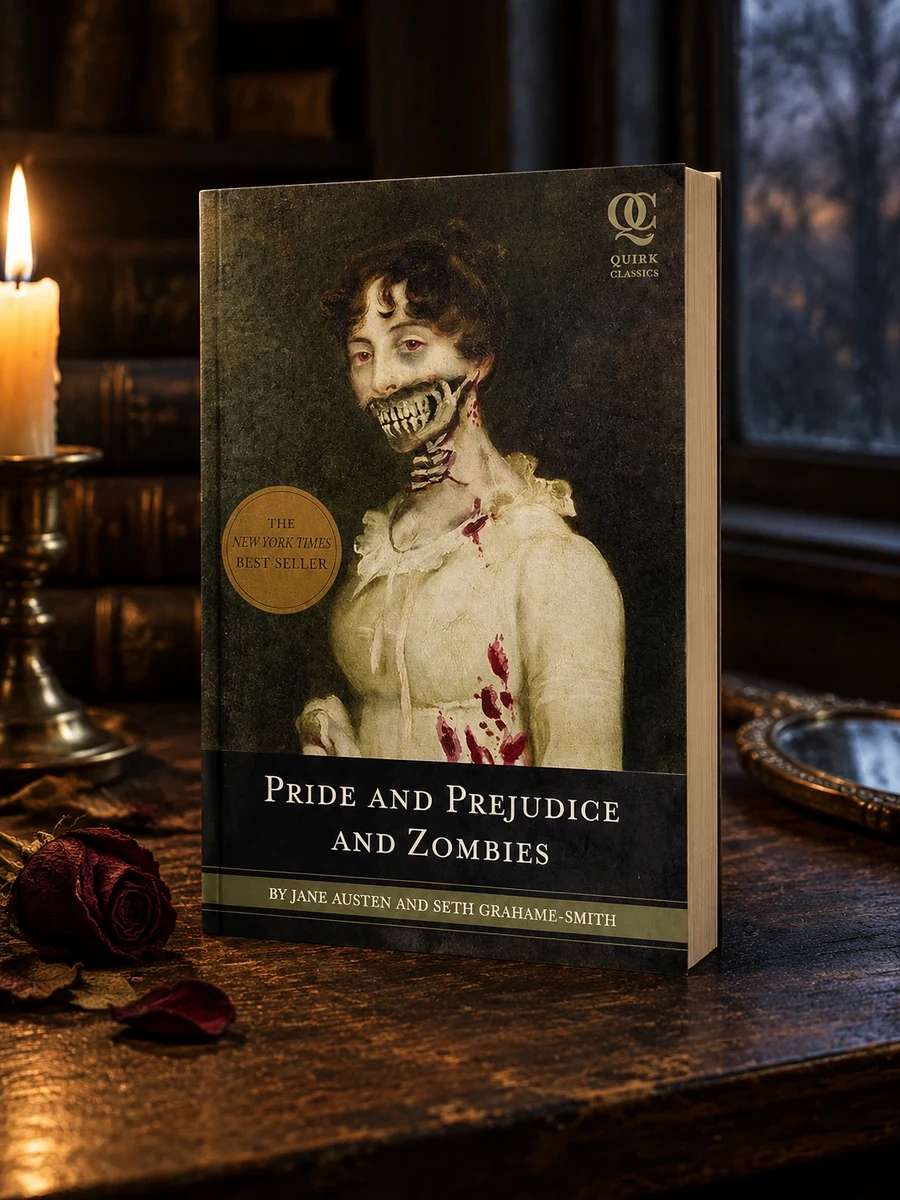
🏛 Books from this publisher Oxford University Press
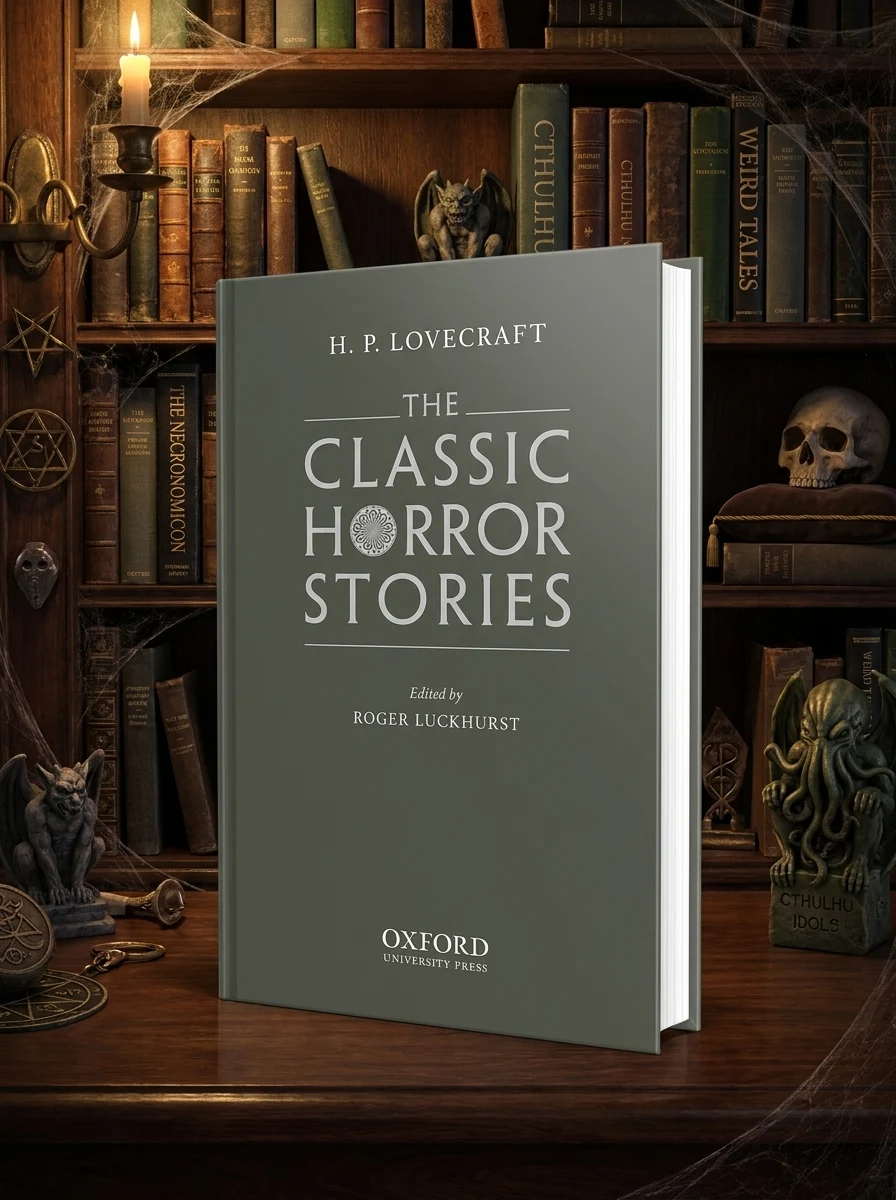
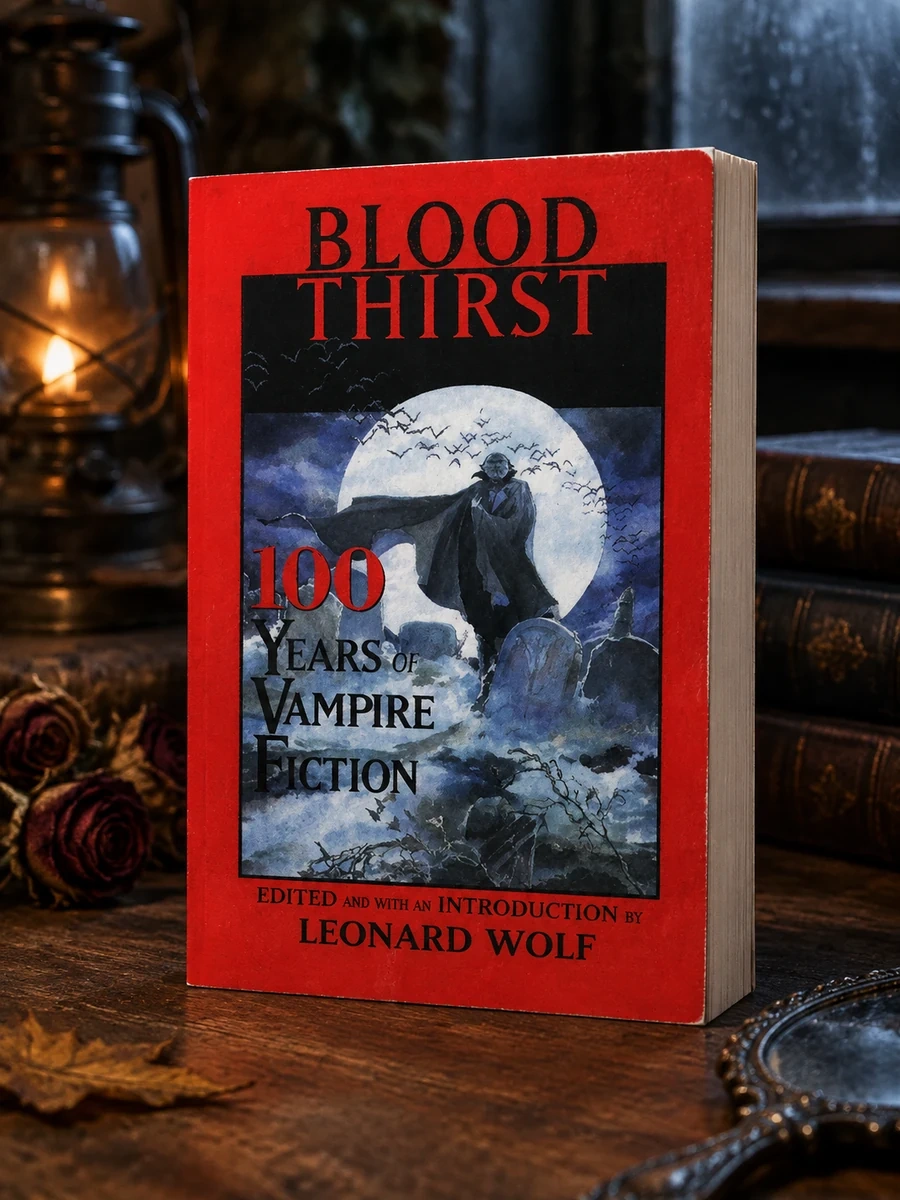
You might also like
See more →

Have a question about this item?
Ask about the edition, condition, delivery or anything else — we reply by email or phone, usually within a day.
