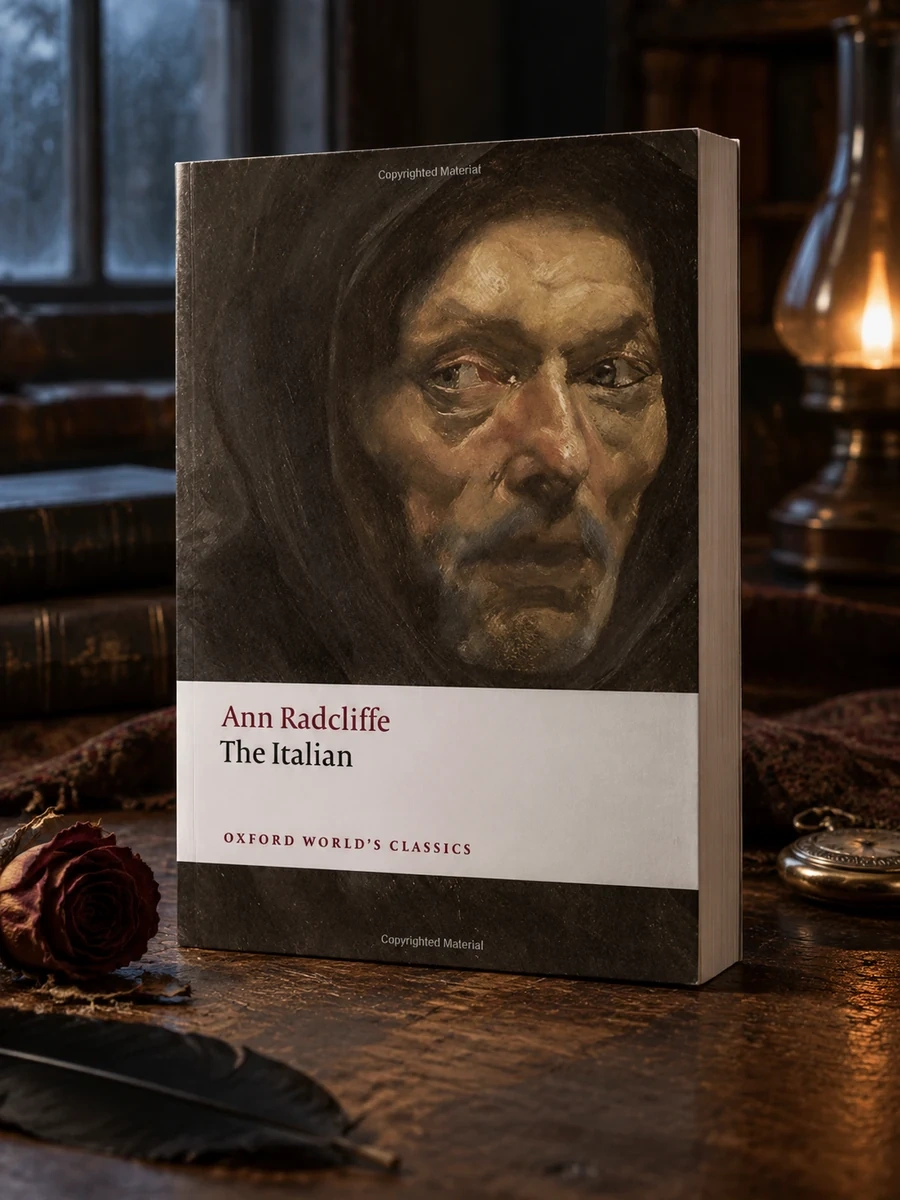
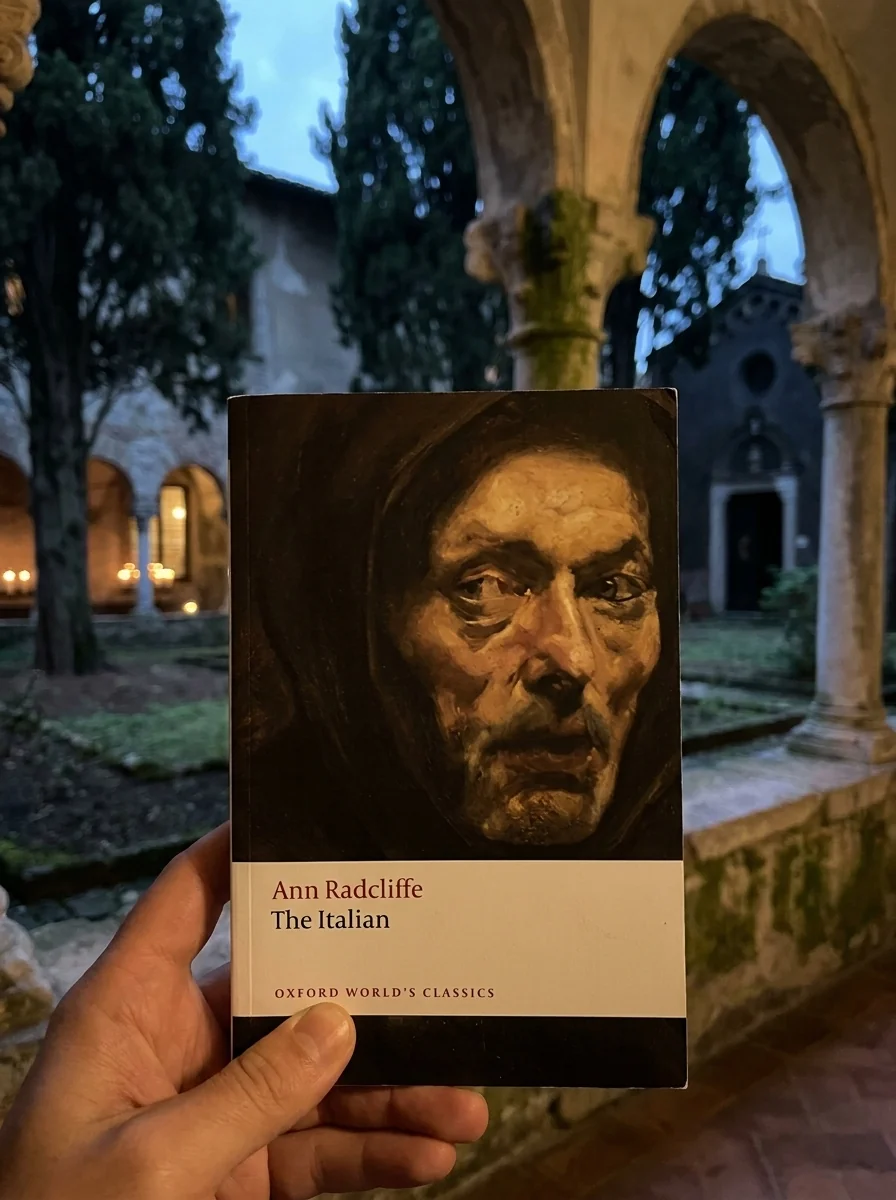

The Italian
A Gothic novel about abduction, religious power, and ambiguous terror.
Radcliffe explores the tension between institutional authority and personal freedom through the character of Father Schedoni. His actions against Ellena reveal a world where history haunts the present and power structures dictate fate. The inclusion of her critical essay provides insight into her literary theory regarding supernatural elements in poetry. This combination offers a view into late eighteenth-century literary debates about emotion versus reason. The narrative structure relies on suspense and dread rather than explicit horror, aligning with her definition of terror. It challenges readers to consider the psychological impact of oppression without offering easy answers.
Radcliffe wrote this work during a period when Enlightenment rationality was being questioned. She positions her Gothic novel against these certainties, focusing on the unsettling experience of individuals within powerful institutions. Her essay clarifies the distinction between terror and horror, influencing how readers perceive supernatural fiction in her era.


📝 Description: The Italian
💎 Our verdict on The Italian
📖 Why choose it
Why this book is worth reading
Readers interested in the psychological underpinnings of the Gothic novel will find this text deeply rewarding. It offers a compelling exploration of how institutional authority, specifically religious power, dictates personal fate and erodes individual freedom. The narrative provides a sophisticated look at the ambiguity of terror versus horror, challenging readers to engage with uncertainty rather than seeking clear moral resolutions. Those who appreciate complex character dynamics, particularly the menacing presence of Father Schedoni, will find the story engaging. It is ideal for audiences who enjoy historical religious settings and mysterious plots that prioritize suspense and dread over explicit violence. The inclusion of Radcliffe's theoretical insights further enriches the experience for those studying the evolution of horror literature.
⭐ Reader reviews
Reader rating
Radcliffe masterfully constructs a world where history haunts the present through the lens of abduction and incarceration. Her use of uncertainty creates a pervasive sense of dread that defines the terror genre, distinguishing it from mere horror. The novel excels in its psychological depth, examining the impact of oppression on personal identity without offering easy answers. It suits readers who value atmospheric tension and intellectual ambiguity over conventional plot resolutions. While those seeking rational certainties may find the lack of clear explanations unsettling, others will appreciate the nuanced critique of power structures. This book remains a vital study in how supernatural themes generate eerie effects while challenging Enlightenment ideals.
📖 Read on the blog
📖 From the series “Oxford World's Classics”
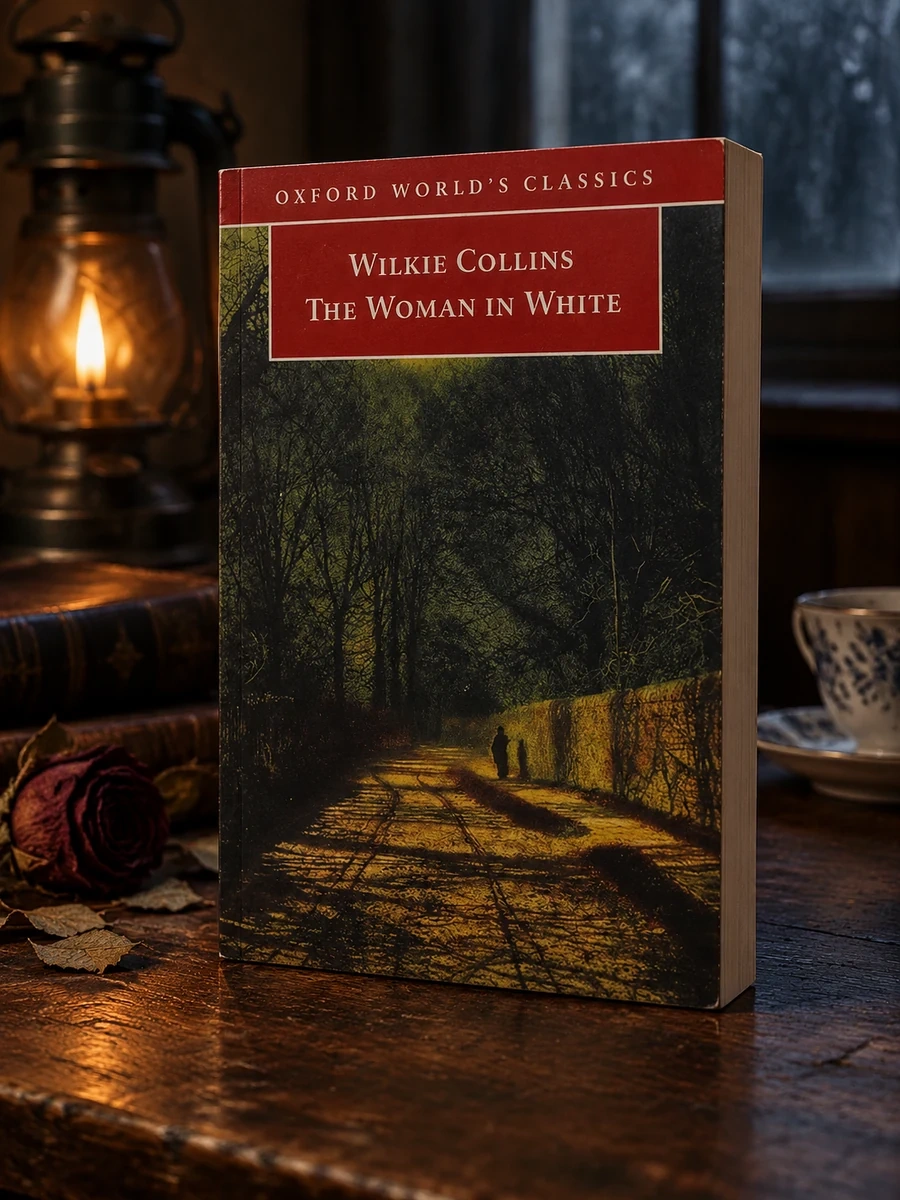


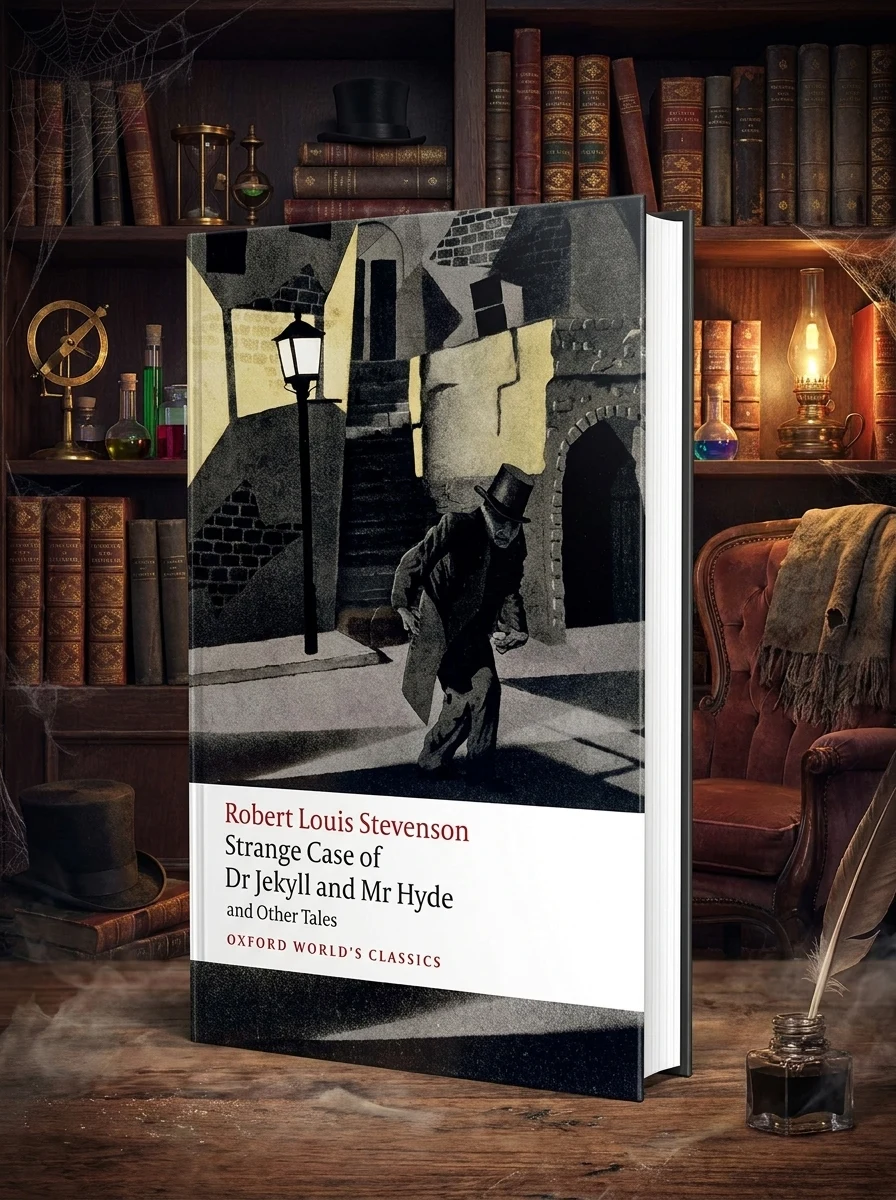
✍️ More books by this author Ann Radcliffe
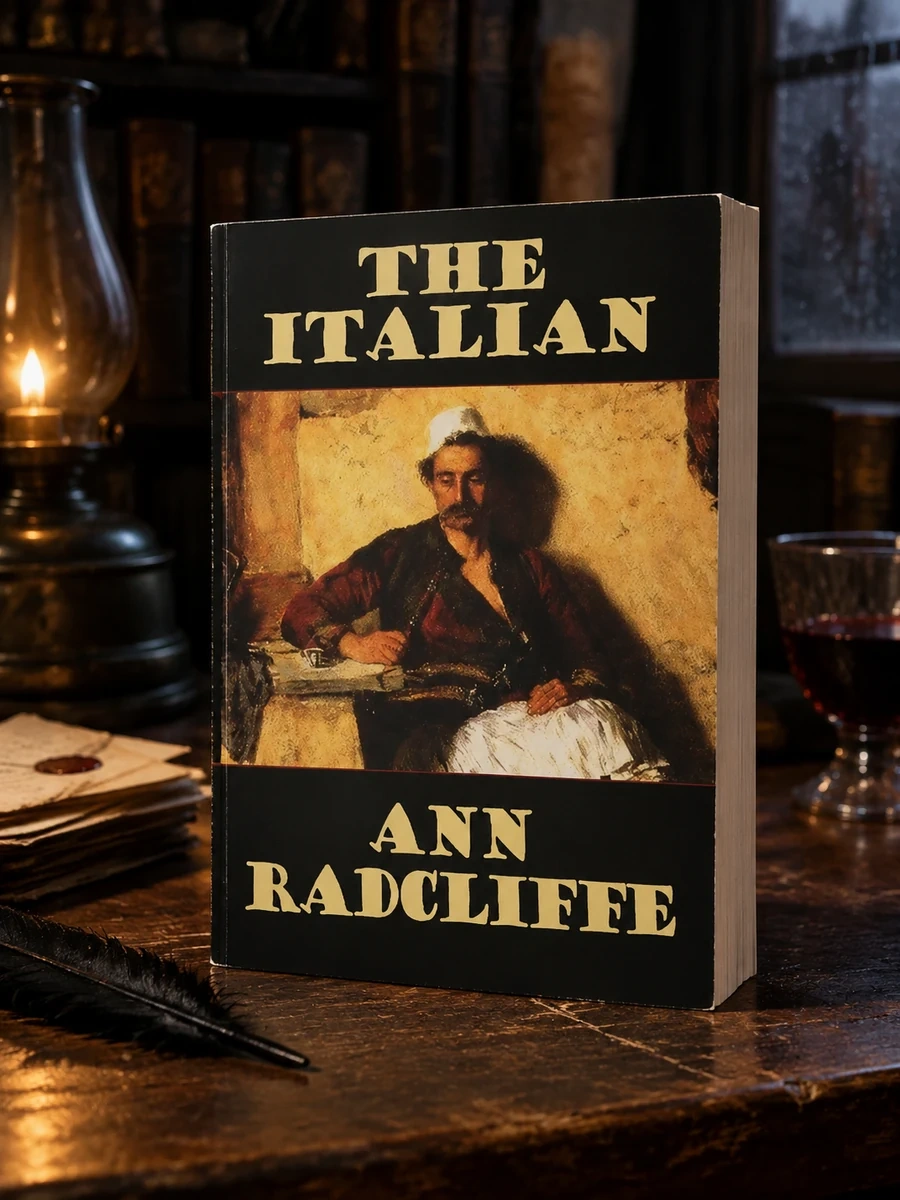
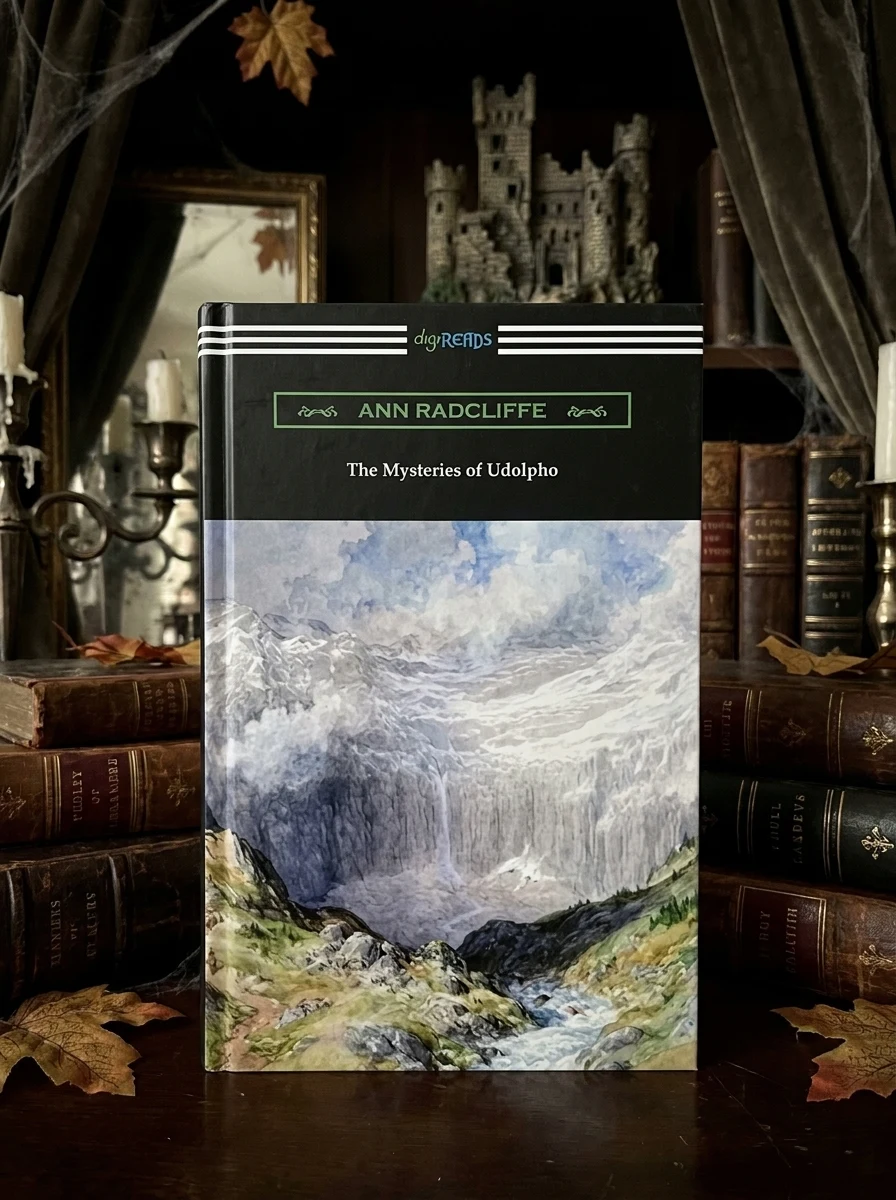
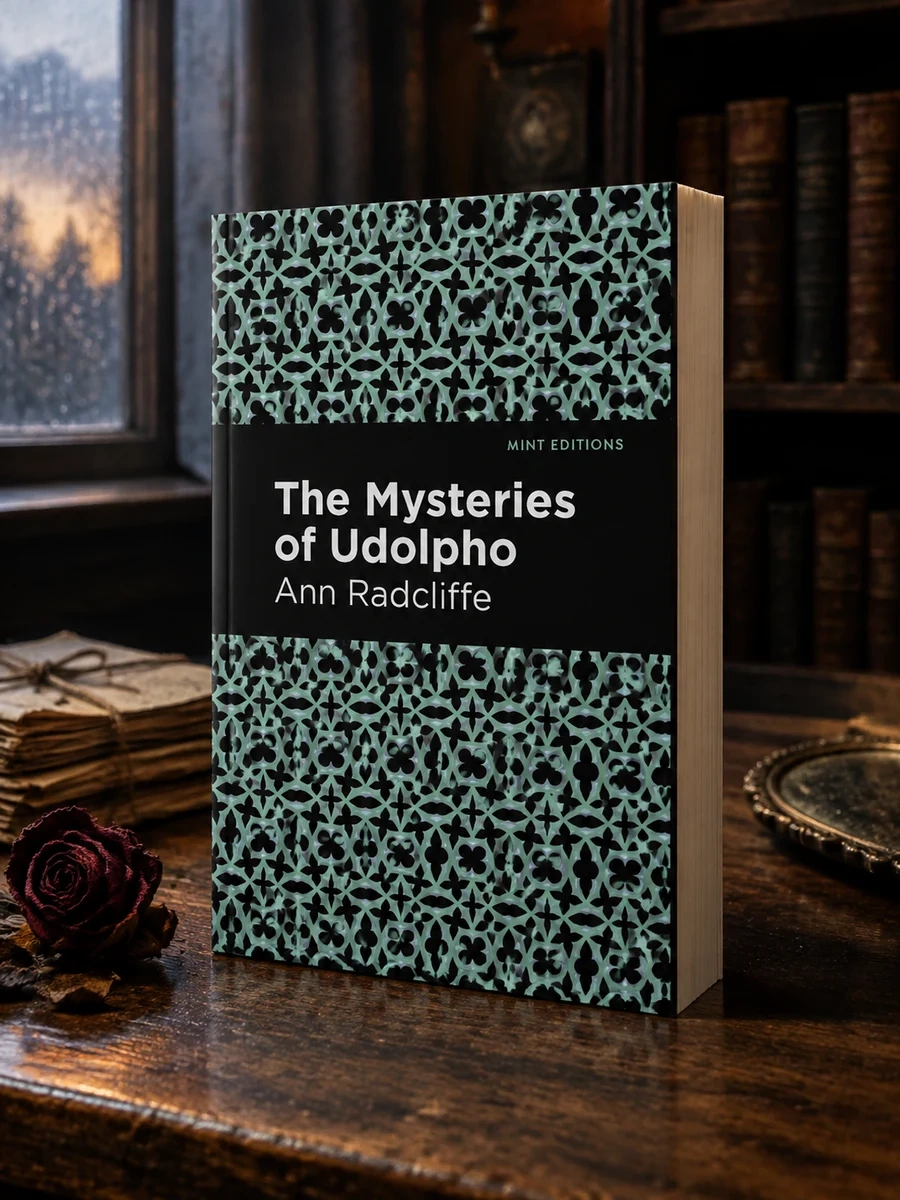
🏛 Books from this publisher Oxford University Press


You might also like
See more →



Have a question about this item?
Ask about the edition, condition, delivery or anything else — we reply by email or phone, usually within a day.
