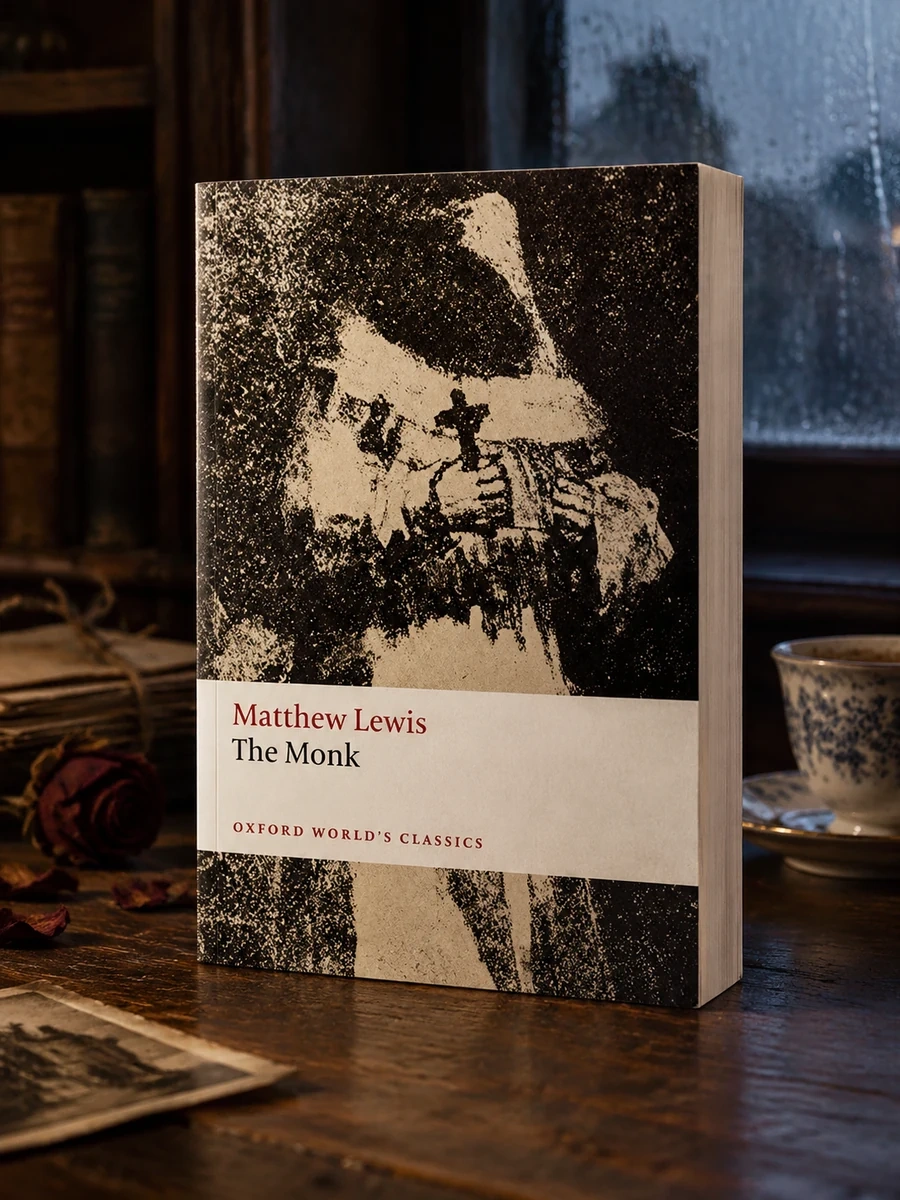

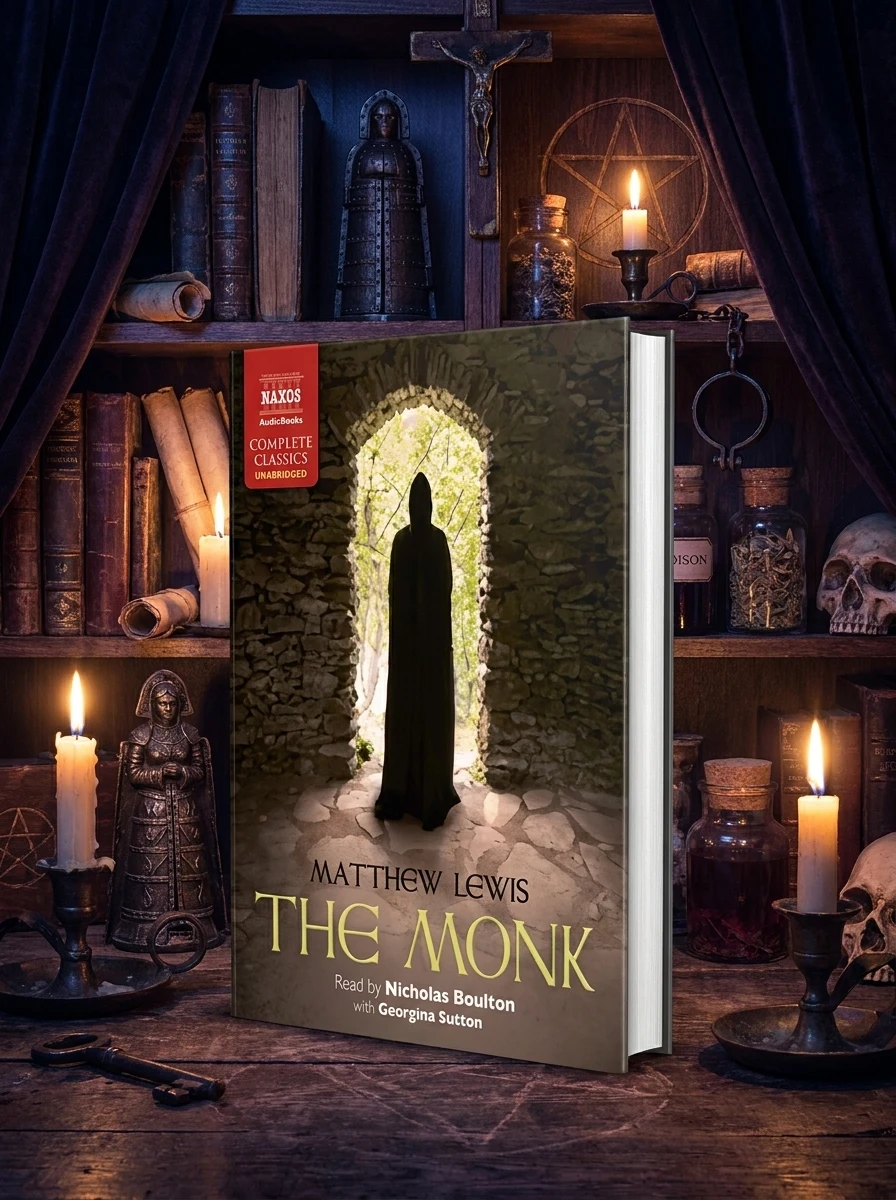
The Monk
Matthew Lewis's 1796 novel about a monk's descent into depravity and horror.
This text examines the life of Ambrosio, a religious figure whose piety collapses under intense passion. His actions include rape, blasphemy, black magic, incest, and murder. The narrative connects these personal sins to the broader terrors of the French Revolution. Lewis established this work as the first horror novel in English literature. It serves as a key example of Gothic fiction from 1796. The story does not shy away from its sensational elements or its dark themes. Readers interested in the roots of supernatural fiction will find this edition valuable for its historical context and literary significance.
Published in 1796, this work stands as the first horror novel in English literature. It reflects the terrors of the French Revolution while establishing key traditions in Gothic and supernatural fiction that influenced later American writers.


📝 Description: The Monk
💎 Our verdict on The Monk
📖 Why choose it
Why this book is worth reading
Readers seeking intense Gothic fiction will find this text aligns with that tradition, offering a raw depiction of moral decay and religious transgression. It is ideal for scholars of Gothic literature and those interested in the origins of American horror traditions. The narrative provides a direct look at how early English writers handled taboo subjects without softening their impact. This volume is valuable for understanding the genre's development during this specific historical period. It serves as a primary source for comprehending late eighteenth-century attitudes toward depravity and supernatural fiction.
⭐ Reader reviews
Reader rating
This text examines the life of Ambrosio, a religious figure whose piety collapses under intense passion. His actions include rape, blasphemy, black magic, incest, and murder. The narrative connects these personal sins to the broader terrors of the French Revolution. Lewis established this work as the first horror novel in English literature. It serves as a key example of Gothic fiction from 1796. The story does not shy away from its sensational elements or its dark themes. Readers interested in the roots of supernatural fiction will find this edition valuable for its historical context and literary significance.
📖 Read on the blog
📖 From the series “Oxford World's Classics”


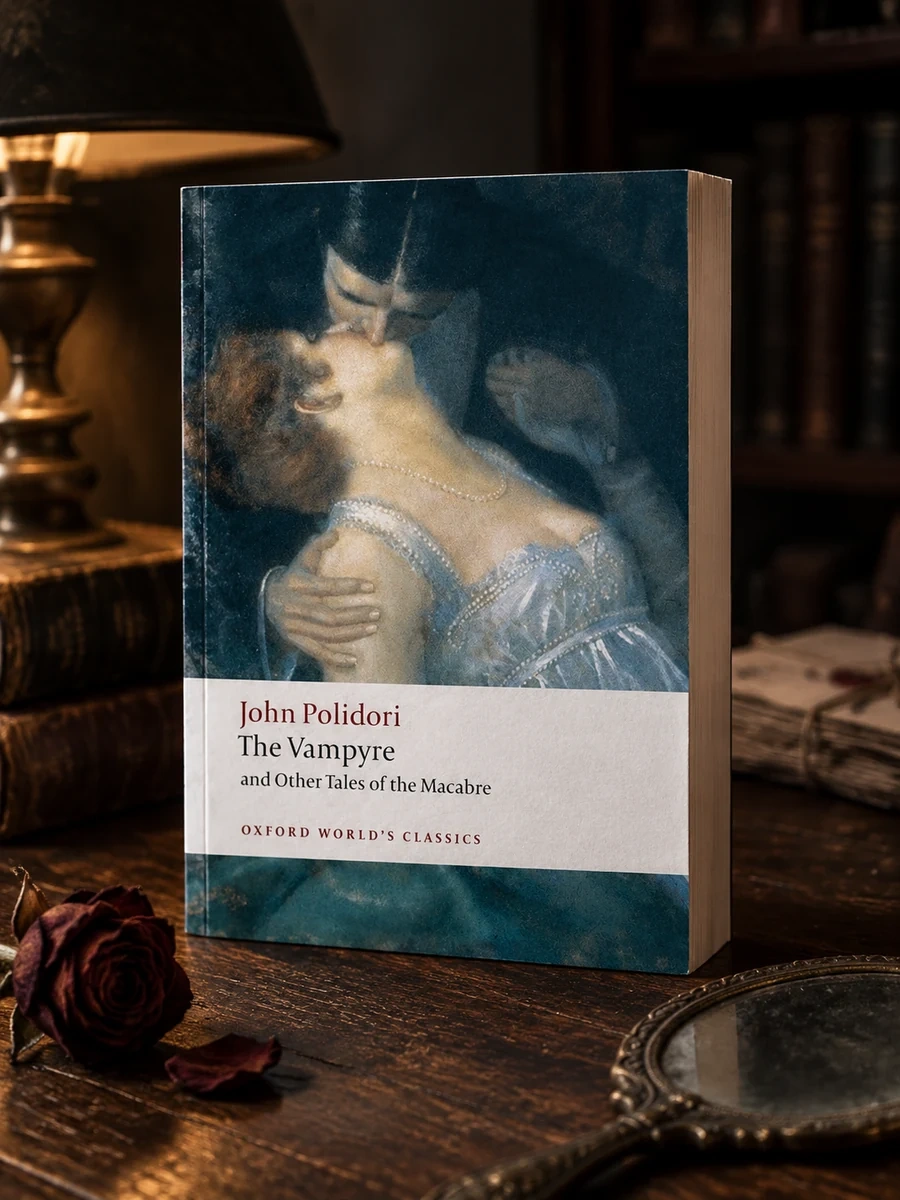
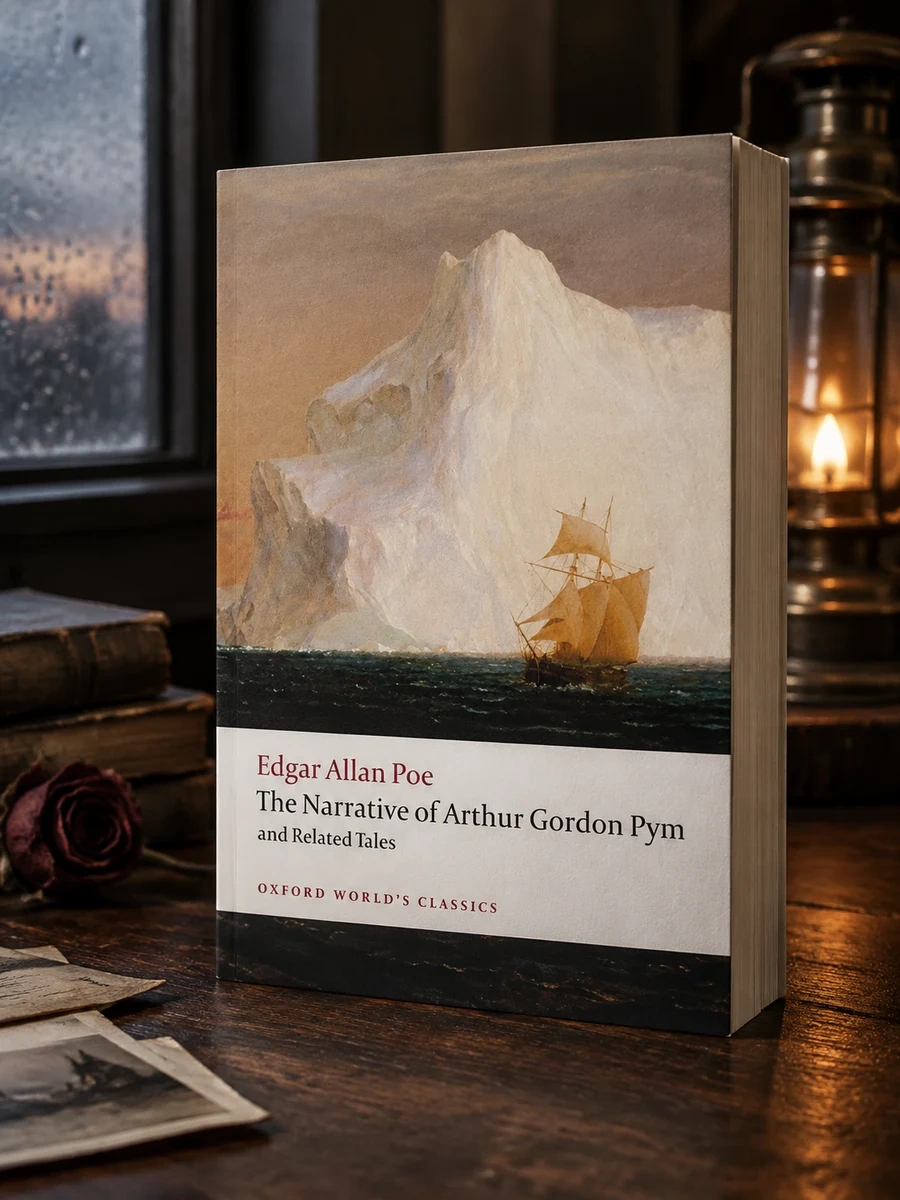
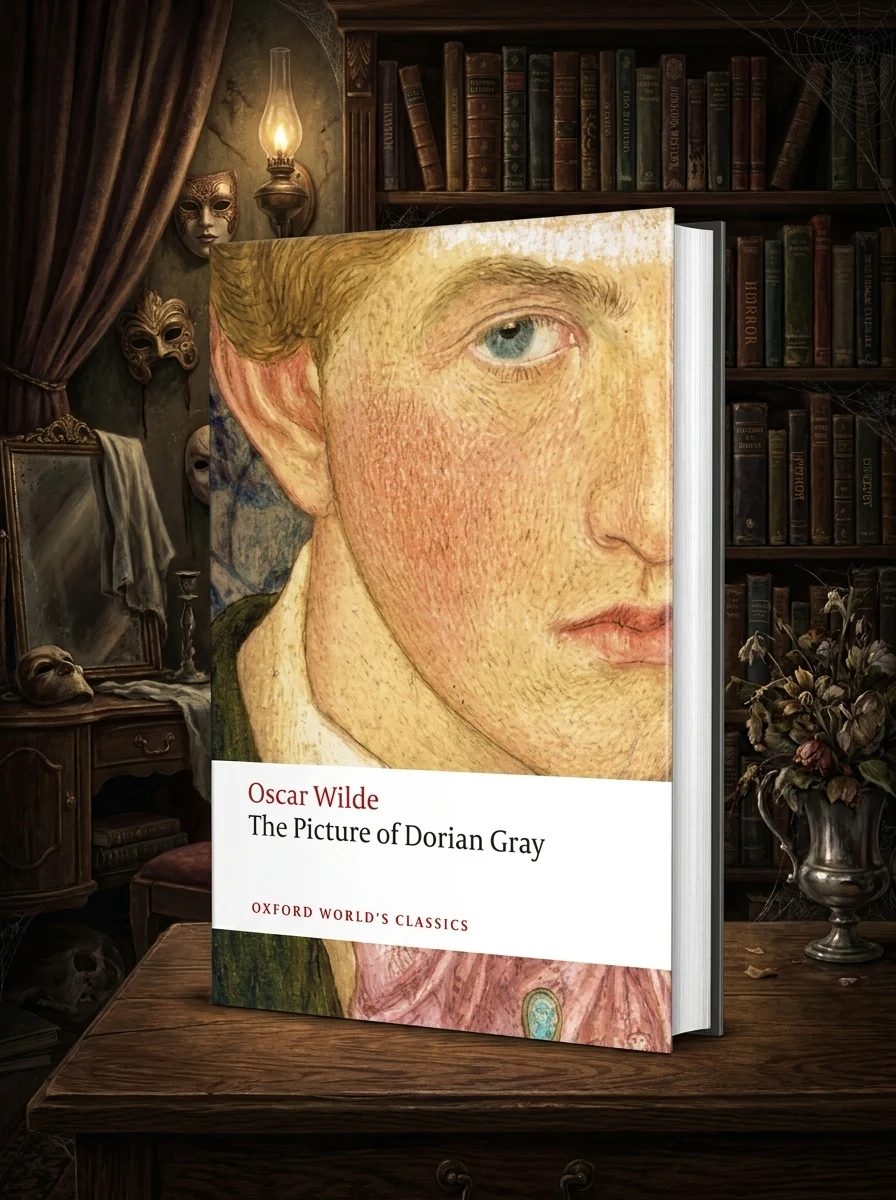
✍️ More books by this author Matthew Lewis
🏛 Books from this publisher Oxford University Press


You might also like
See more →


Have a question about this item?
Ask about the edition, condition, delivery or anything else — we reply by email or phone, usually within a day.
