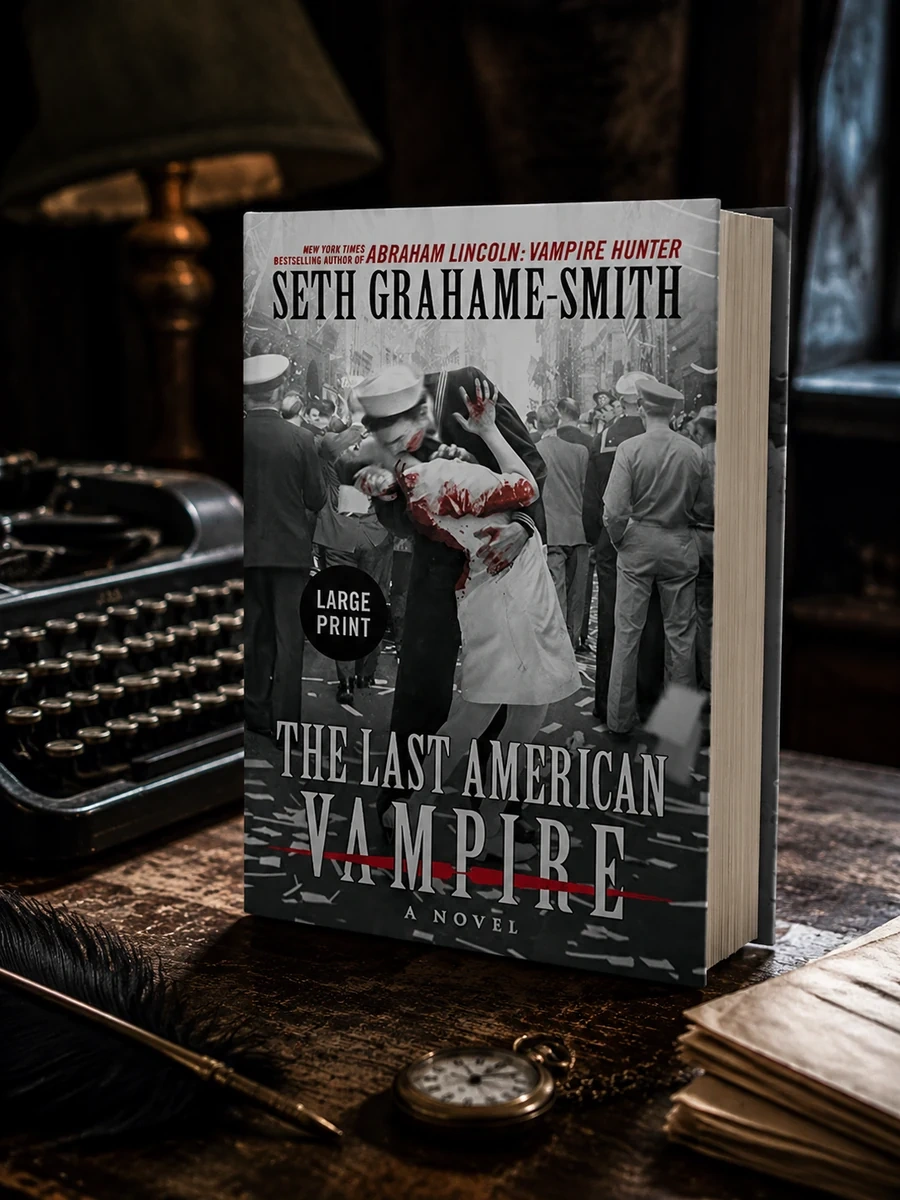

The Last American Vampire
Henry Sturges navigates twentieth-century history as a vampire in this alternate timeline sequel.
This sequel follows Henry Sturges after Lincoln’s death, shifting focus from the Civil War to global events of the 1900s. Grahame-Smith uses historical touchstones like the Hindenburg disaster and the JFK assassination as anchors for vampire mythology. The narrative style shifts to include road trip elements, mirroring Kerouac’s influence. This structure allows the author to cover diverse periods, from the electric era in New York to revolutionary Russia. The book relies on known historical figures and events to ground its supernatural plot.
The book sits within the tradition of alternate history fiction popularized by Grahame-Smith’s previous work. It reimagines twentieth-century American and global history through a supernatural lens, targeting fans of genre-bending narratives that mix real events with vampire lore.


📝 Description: The Last American Vampire
💎 Our verdict on The Last American Vampire
📖 Why choose it
Why this book is worth reading
Readers who enjoyed the premise of Lincoln’s hidden life will likely appreciate this sequel for its expansive scope. Fans of historical fiction mixed with horror elements will find the journey engaging as it covers diverse periods from Reconstruction-era America to revolutionary Russia. The narrative utilizes known historical figures and events to ground its supernatural plot, offering a unique perspective on major upheavals like the Hindenburg crash and World War II. This approach allows for a broad exploration of vampire lore woven into real-world history, appealing to those interested in how myth intersects with documented timelines.
⭐ Reader reviews
Reader rating
Grahame-Smith returns with Henry Sturges navigating a twentieth-century landscape defined by global events. The narrative shifts from the Civil War to include road trip elements influenced by Kerouac, connecting disparate eras such as New York’s electric dawn and Jack the Ripper encounters in England. While the scope is engaging for fans of historical horror, those seeking traditional gothic horror or realistic accounts may find the tone inconsistent. The book relies heavily on known touchstones to anchor its plot, creating a cohesive yet varied reading experience that bridges supernatural fiction with significant historical milestones effectively.
📖 Read on the blog
✍️ More books by this author Seth Grahame-Smith



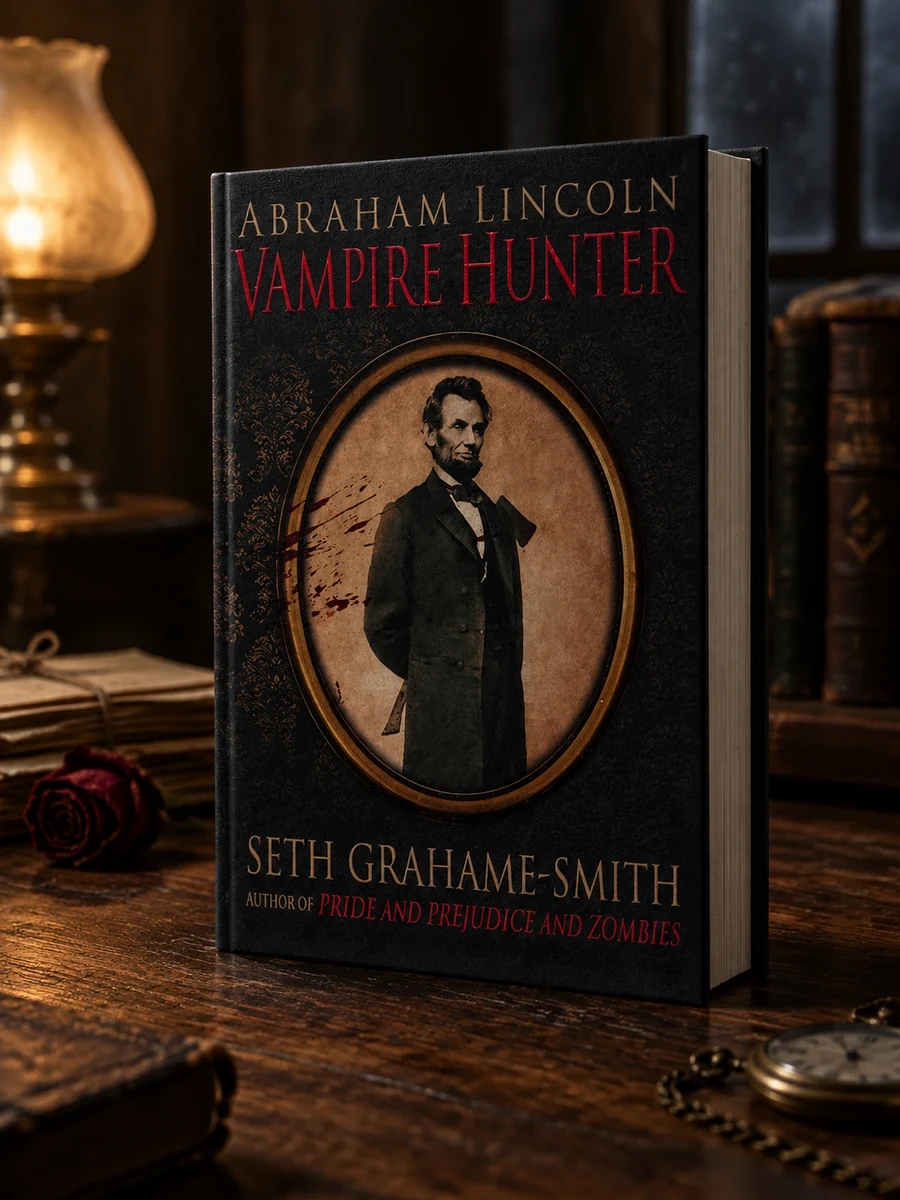
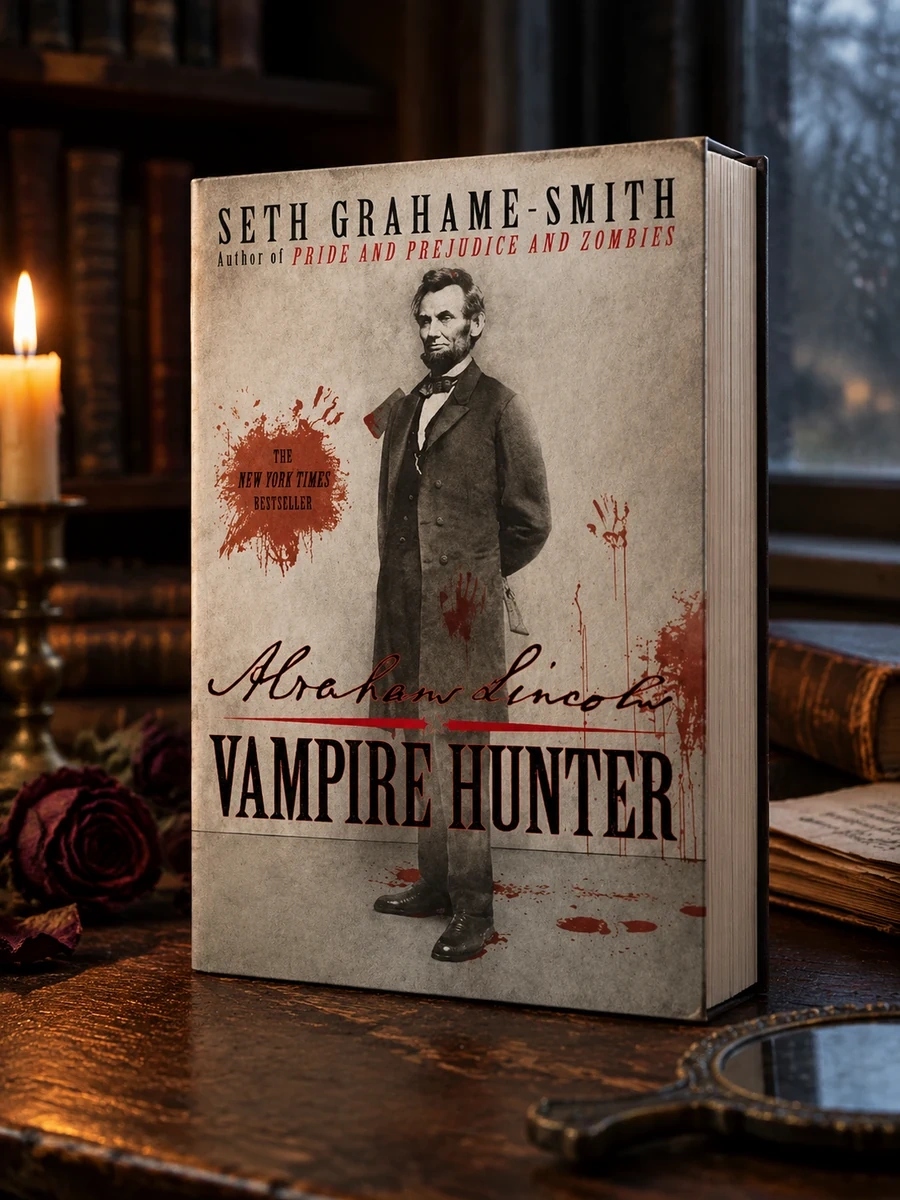
🏛 Books from this publisher Grand Central Publishing
You might also like
See more →


Have a question about this item?
Ask about the edition, condition, delivery or anything else — we reply by email or phone, usually within a day.
