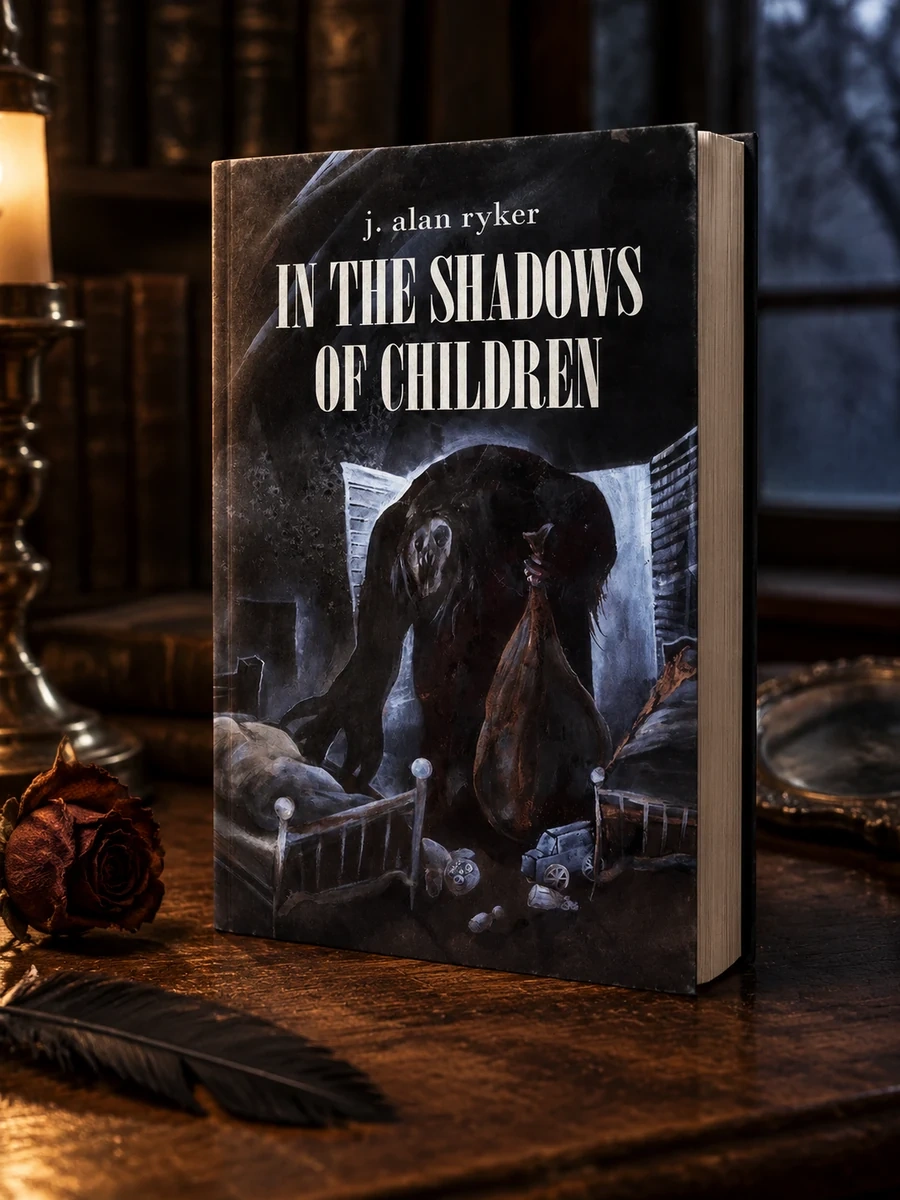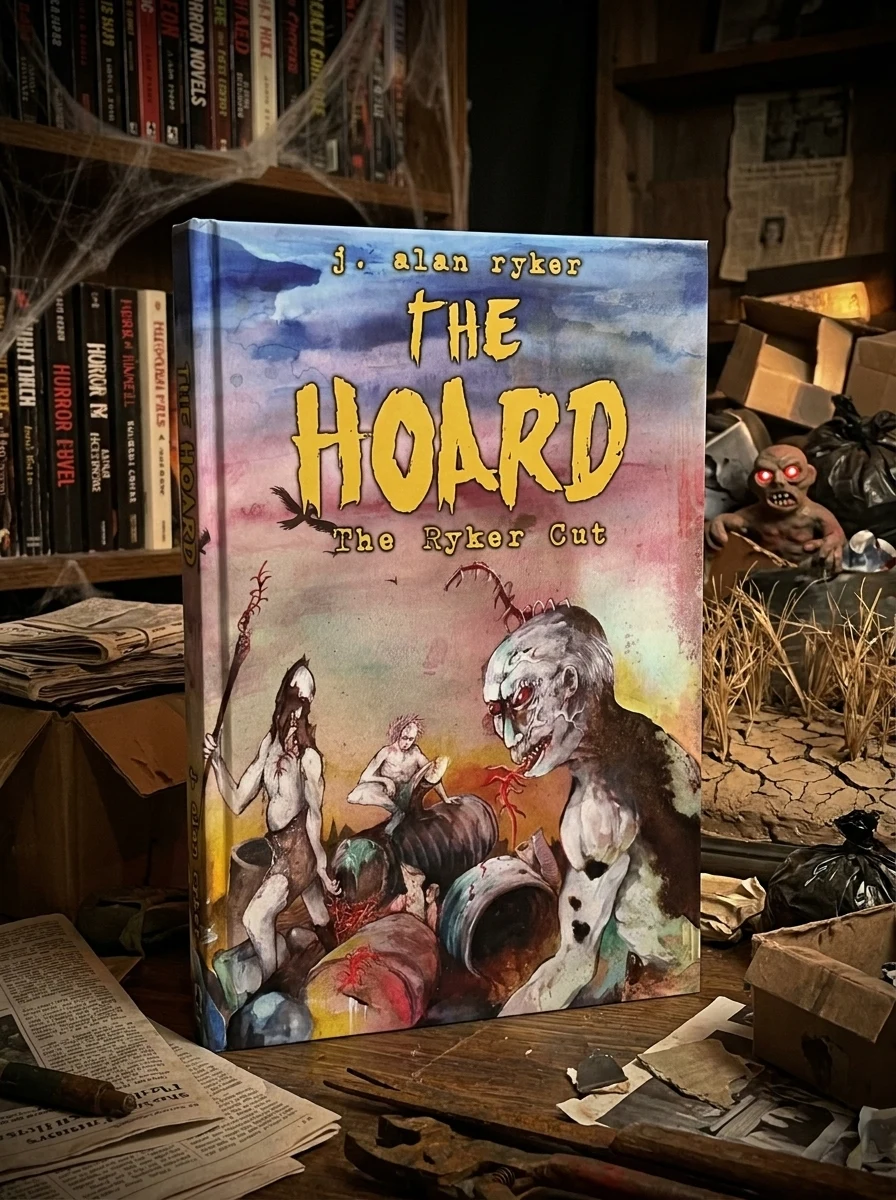
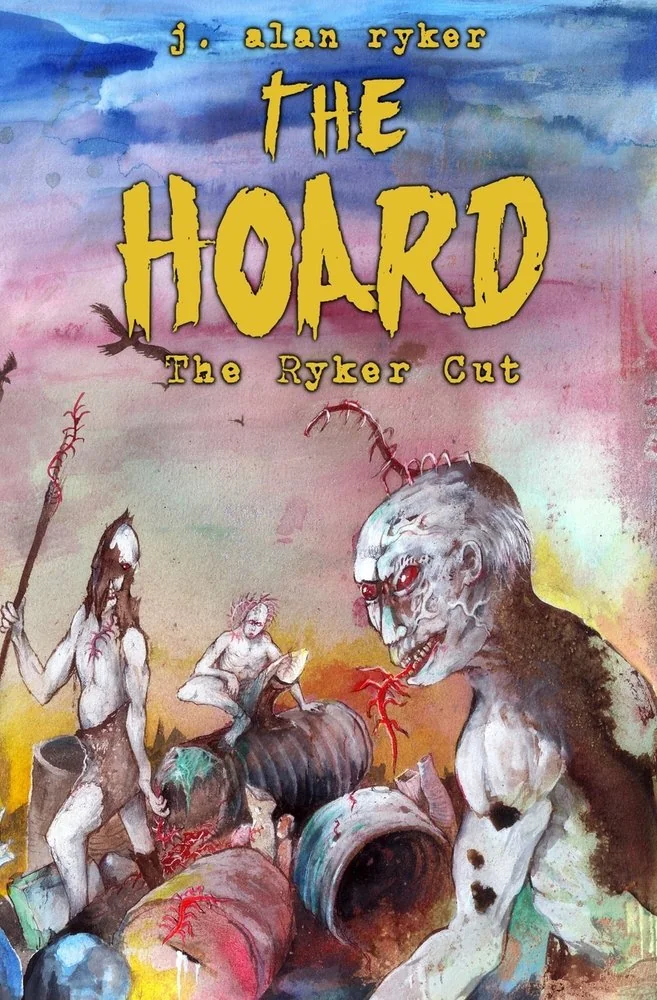
The Hoard: The Ryker Cut
A landfill-born monster infects an elderly hoarder in this horror novel.
The narrative tracks a mysterious creature escaping a Kansas landfill after a fire. It seeks refuge with Anna Grish, whose severe hoarding disorder provides perfect cover. The organism’s presence alters Anna’s behavior as she moves to her son’s home under pressure from Adult Protective Services. The story emphasizes the vastness of the surrounding plains and the inability to hide from the spreading evil. Ryker includes an original ending not found in previous printings, offering a complete view of his intended conclusion for this cult-favorite work.
Published independently in 2012, this novel sits within the tradition of American horror fiction. It draws on gothic elements by placing supernatural evil in a mundane, decaying setting. The story reflects themes of isolation and environmental decay specific to the Kansas prairie landscape.


📝 Description: The Hoard: The Ryker Cut
💎 Our verdict on The Hoard: The Ryker Cut
📖 Why choose it
Why this book is worth reading
Readers seeking visceral dread and tales of hidden monsters will find this work compelling. Those who enjoy gothic horror appreciate how the environment dictates fate, turning the vast Kansas plains into a place of inescapable corruption. The narrative offers a unique exploration of mental deterioration through the lens of hoarding disorder, blending physical squalor with supernatural influence. It suits those interested in stories where isolation breeds evil and where the landscape itself feels hostile. Fans of psychological horror will engage with the spread of sinister influence as it alters behavior under pressure. This book provides a complete view of its intended conclusion for cult-favorite status seekers.
⭐ Reader reviews
Reader rating
Alan Ryker crafts a compelling narrative where environment dictates fate, utilizing the vastness of the Kansas prairie to amplify feelings of isolation and dread. The concept of a landfill-born organism seeking refuge in an elderly hoarder’s squalor provides a fresh take on gothic horror traditions. The story effectively merges psychological deterioration with supernatural corruption, creating a sense of inescapable evil. It suits readers who appreciate visceral horror and tales where hidden monsters thrive in plain sight. Those who dislike descriptions of filth or mental decline may find the tone challenging. However, for fans of cosmic horror and dark fantasy, this work offers a complete and unsettling exploration of decay and the inability to hide from spreading darkness.