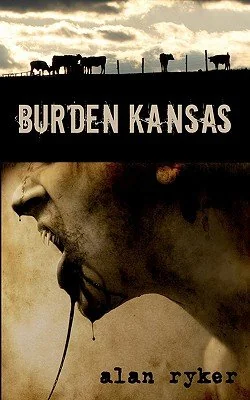
Burden Kansas
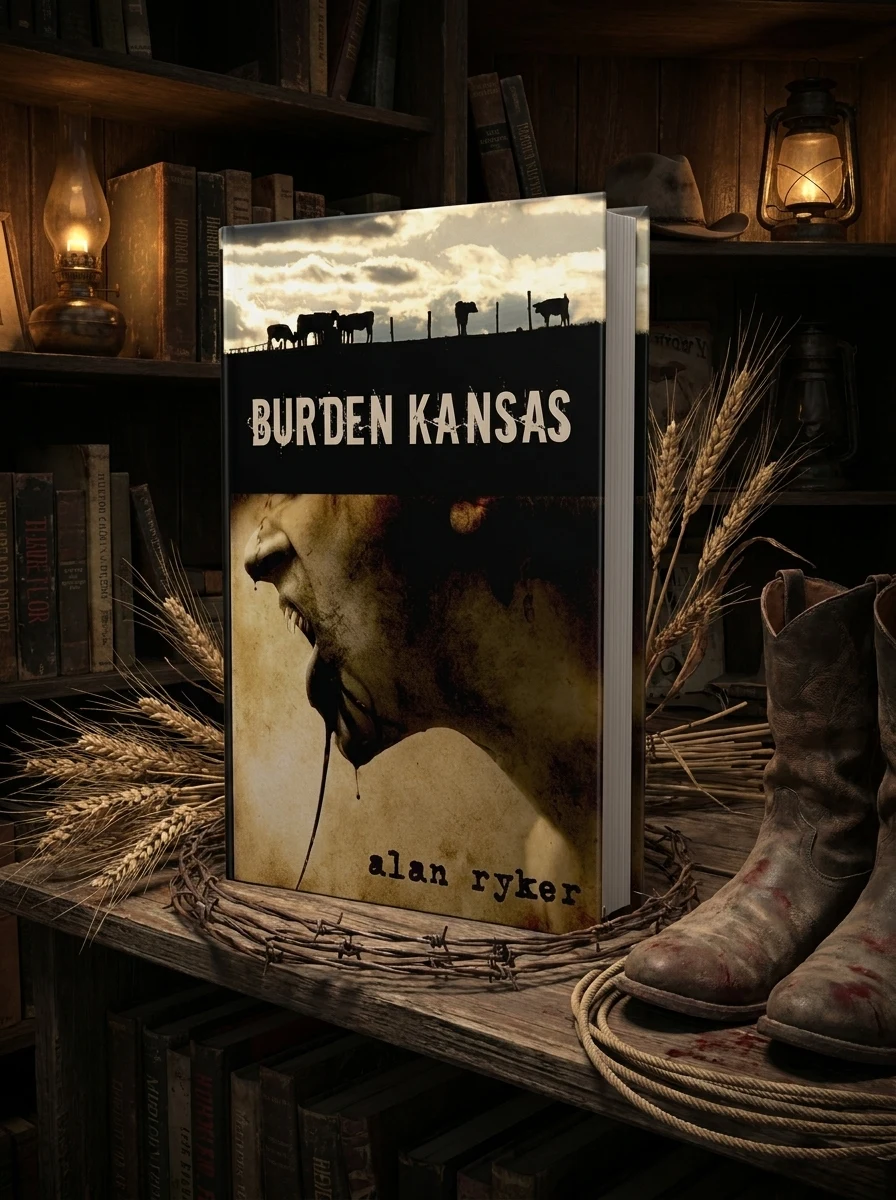
A grim western novella where a rancher battles non-romantic vampires on the Kansas plains.
This work focuses on the psychological erosion of Keith Harris as he faces supernatural threats. Unlike traditional tales, the vampires here are visceral predators rather than aristocratic figures. The story examines the cost of leadership and survival in a harsh environment. Ryker uses the western genre to frame questions about morality and identity. The narrative does not offer easy resolutions or heroic triumphs. Instead, it presents a stark look at human endurance against monstrous odds. The setting of Kansas serves as a character itself, emphasizing isolation and struggle.
Published in 2011 by Sucker Punch Press, this novella sits within the contemporary horror genre while drawing heavily on western literary traditions. It reimagines vampire mythology through the lens of American frontier fiction, offering a fresh perspective on classic supernatural themes.


📝 Description: Burden Kansas
💎 Our verdict on Burden Kansas
📖 Why choose it
Why this book is worth reading
Readers seeking a departure from traditional vampire lore will find this novella refreshing and stark. It appeals to those who appreciate the western genre’s minimal voice combined with psychological horror. The book offers a disturbing look at human endurance against monstrous odds, focusing on the cost of leadership rather than easy heroic triumphs. It is ideal for fans of gritty, atmospheric horror grounded in the American West. Those interested in how isolation shapes identity and morality will find the narrative thought-provoking. It suits individuals willing to engage with bleak survivalism and non-romantic supernatural threats. The story provides a unique perspective on the blur between man and monster, offering depth over fast-paced action for those who value thematic richness.
⭐ Reader reviews
Reader rating
Alan Ryker delivers a compelling subversion of vampire fiction by stripping away romanticized elements in favor of visceral horror. The narrative effectively uses the Kansas plains as a character, emphasizing isolation and the psychological erosion of its protagonist. By framing the story within the western tradition, Ryker explores complex questions about morality, identity, and the burden of leadership. The vampires are portrayed as hungry, bloody predators, creating a stark contrast to typical genre conventions. This approach results in a disturbing yet intellectually engaging experience that diverges from standard supernatural fiction. The book is best suited for readers who appreciate atmospheric depth and gritty realism over traditional heroic narratives or romantic tropes.