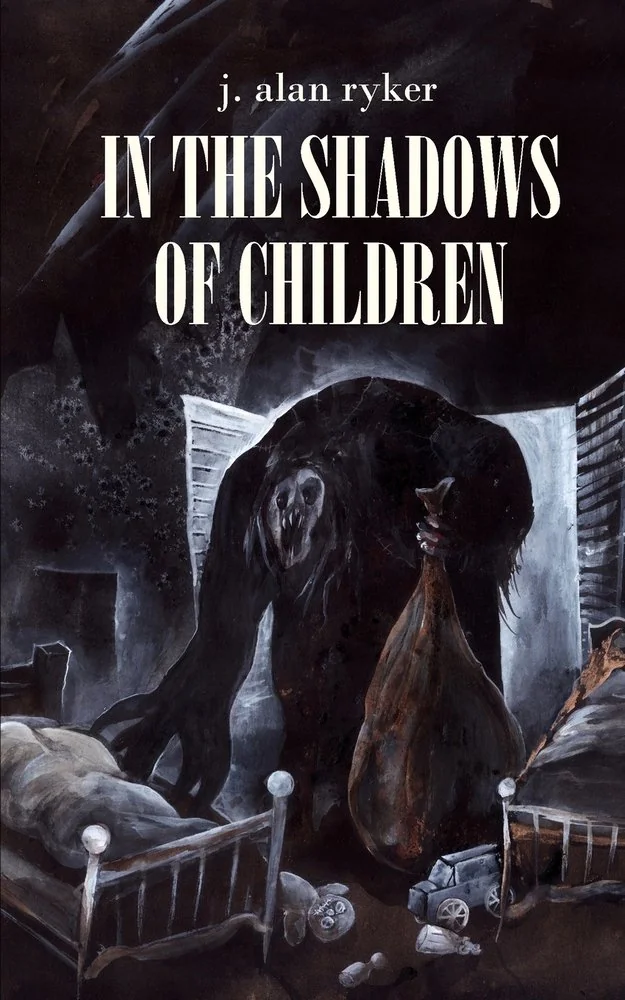
In the Shadows of Children
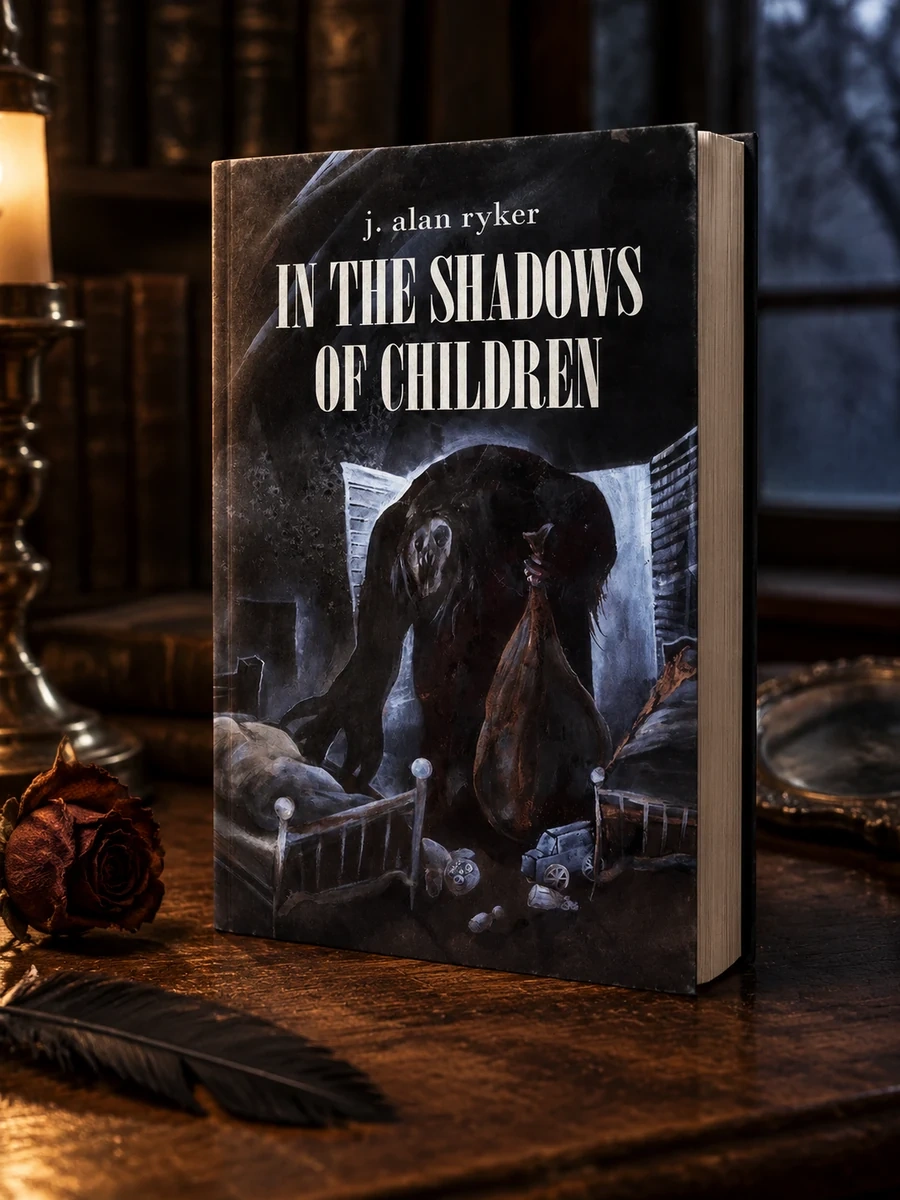
A brother returns home to face the ancient shadow that took his sibling.
Aaron’s journey is driven by grief and confusion rather than heroism. He uncovers evidence in his childhood bedroom that contradicts his long-held beliefs about his brother’s fate. The text connects this personal horror to universal folklore, suggesting a single entity behind global tales of missing children. Ryker builds tension through the protagonist’s deteriorating grip on reality. The story focuses on the immediate aftermath of the mother’s death and the subsequent investigation into the past. It avoids traditional ghost story tropes in favor of a more psychological approach to supernatural fear.
The novella draws on global folk traditions that feature a common menacing creature. It explores how disparate cultures share similar stories about disappearances and shadows. The setting is a childhood home in the United States, grounding the supernatural elements in a familiar domestic environment.


📝 Description: In the Shadows of Children
💎 Our verdict on In the Shadows of Children
📖 Why choose it
Why this book is worth reading
Readers who appreciate horror that prioritizes psychological deterioration over jump scares will find this novella compelling. It appeals to those interested in the intersection of family secrets and supernatural folklore, offering a unique perspective on how isolated tragedies connect to broader mythological patterns. The story is ideal for enthusiasts of cosmic and psychological horror who enjoy ambiguous tones and lingering dread rather than clear resolutions. Fans of gothic atmospheres rooted in real-world legends will appreciate Ryker’s exploration of ancient shadows and the universal nature of fear surrounding missing children.
⭐ Reader reviews
Reader rating
Ryker successfully constructs a tense atmosphere by focusing on Aaron’s deteriorating grip on reality rather than traditional ghost story tropes. The narrative effectively connects personal horror to universal folklore, suggesting a singular entity behind global tales of missing children. By avoiding comfort and clear answers, the work delivers a chilling examination of grief and confusion. It suits readers who enjoy psychological horror rooted in family secrets and supernatural folklore. Those seeking lighthearted adventure may find the tone unsettling, but fans of dark fantasy and cosmic dread will appreciate its commitment to ambiguity and lingering fear regarding unknown forces.