The Dubois and the Sunken Village
Two brothers hunt truffles in Piedmont and find a submerged village with active secrets.
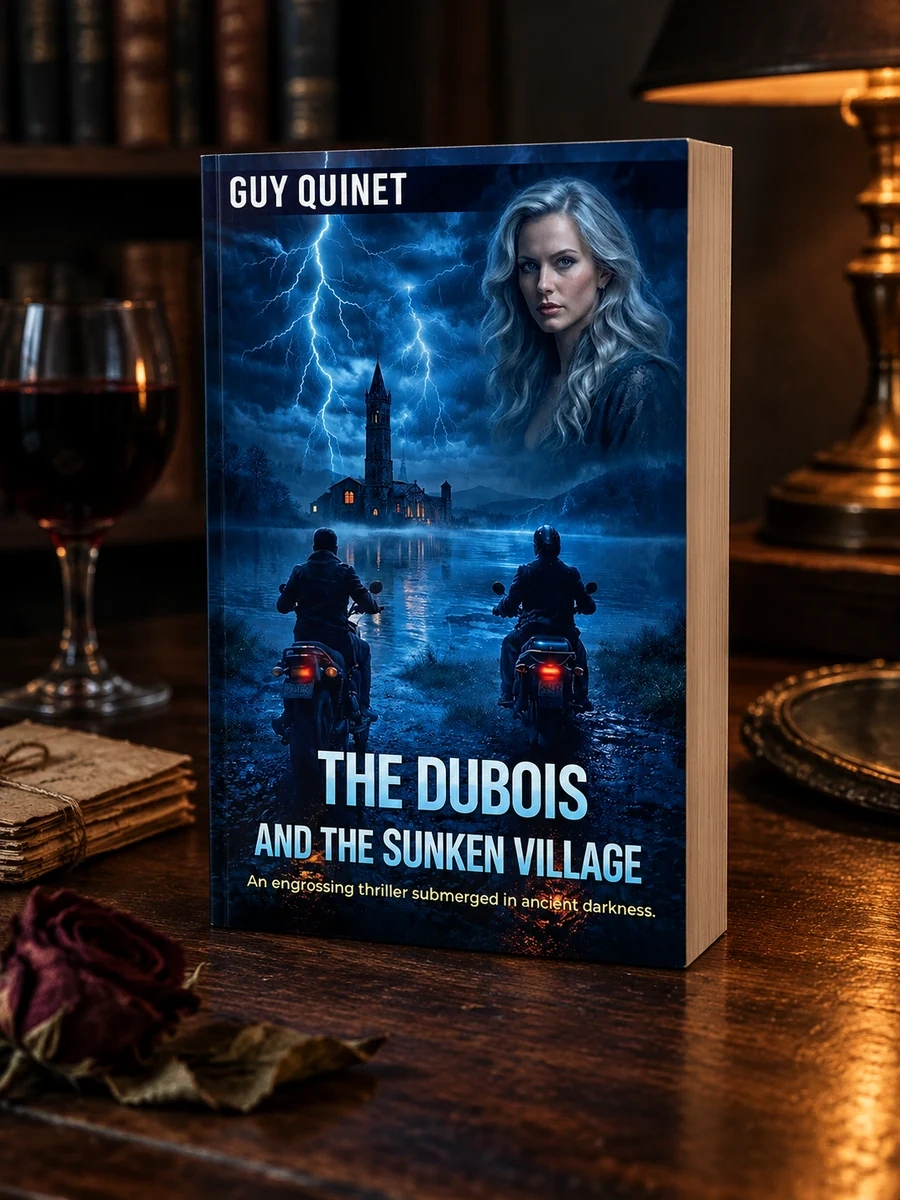
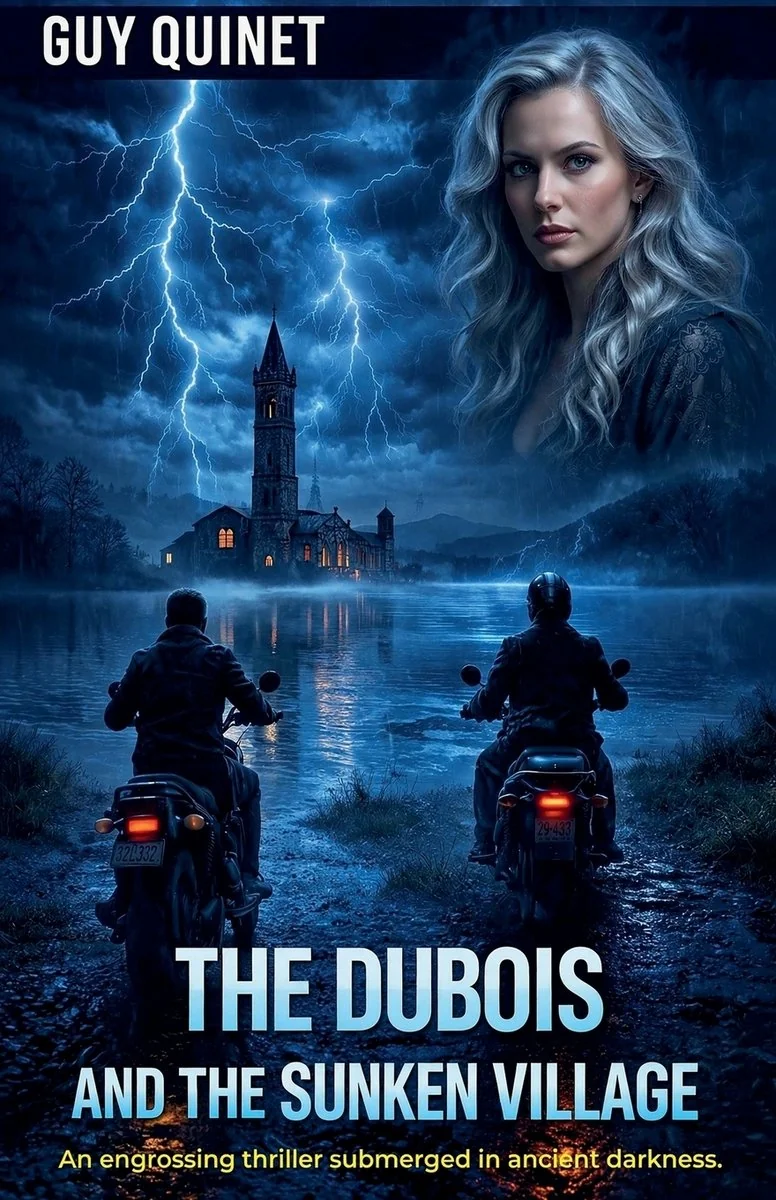
Marco and Guy Dubois arrive in the Piedmont hills for truffle hunting but stumble upon an impossible lake. They uncover a village drowned six decades prior, discovering that life persists at the bottom. Countess Eleonora Antinori waits for them, knowing what the water hides. She identifies the men as having the necessary instincts for the village's needs. The plot centers on a lord who refused to die and a spirit with a long wait. A stone-sealed secret drives the conflict. Quinet uses this premise to explore themes of persistence and hidden history. The story avoids modern tropes, focusing instead on the eerie stillness of the submerged past. It offers a concentrated look at how the past refuses to stay buried.
The narrative is rooted in the Italian Piedmont region, drawing on local folk horror traditions. The setting involves a village that was drowned sixty years ago, creating a specific historical layer of tragedy and mystery within the landscape.


📝 Description: The Dubois and the Sunken Village
💎 Our verdict on The Dubois and the Sunken Village
📖 Why choose it
Why this book is worth reading
Readers who appreciate atmospheric horror set in European landscapes will find this tale compelling. It offers a concentrated look at how the past refuses to stay buried, focusing on eerie stillness rather than modern tropes. Those seeking a slow-burn narrative that relies on the interaction between living characters and ancient forces beneath the surface will gain from its exploration of persistence and hidden history. The book avoids fast-paced action, catering instead to those who enjoy gothic traditions and local folklore woven into a concentrated supernatural fiction experience.
⭐ Reader reviews
Reader rating
Quinet crafts a folk horror thriller that effectively utilizes the Italian Piedmont setting to generate dread. By focusing on the submerged village and the Countess's anticipation, the narrative builds tension through atmosphere rather than explicit action. The story succeeds in its goal of exploring themes of persistence and hidden history without resorting to modern clichés. It suits readers who prefer slow-burn supernatural fiction over urban or fast-paced plots. The interaction between the brothers and the ancient forces creates a compelling dynamic, making it an ideal choice for enthusiasts of gothic literature and traditional ghost stories who value mood and implication.