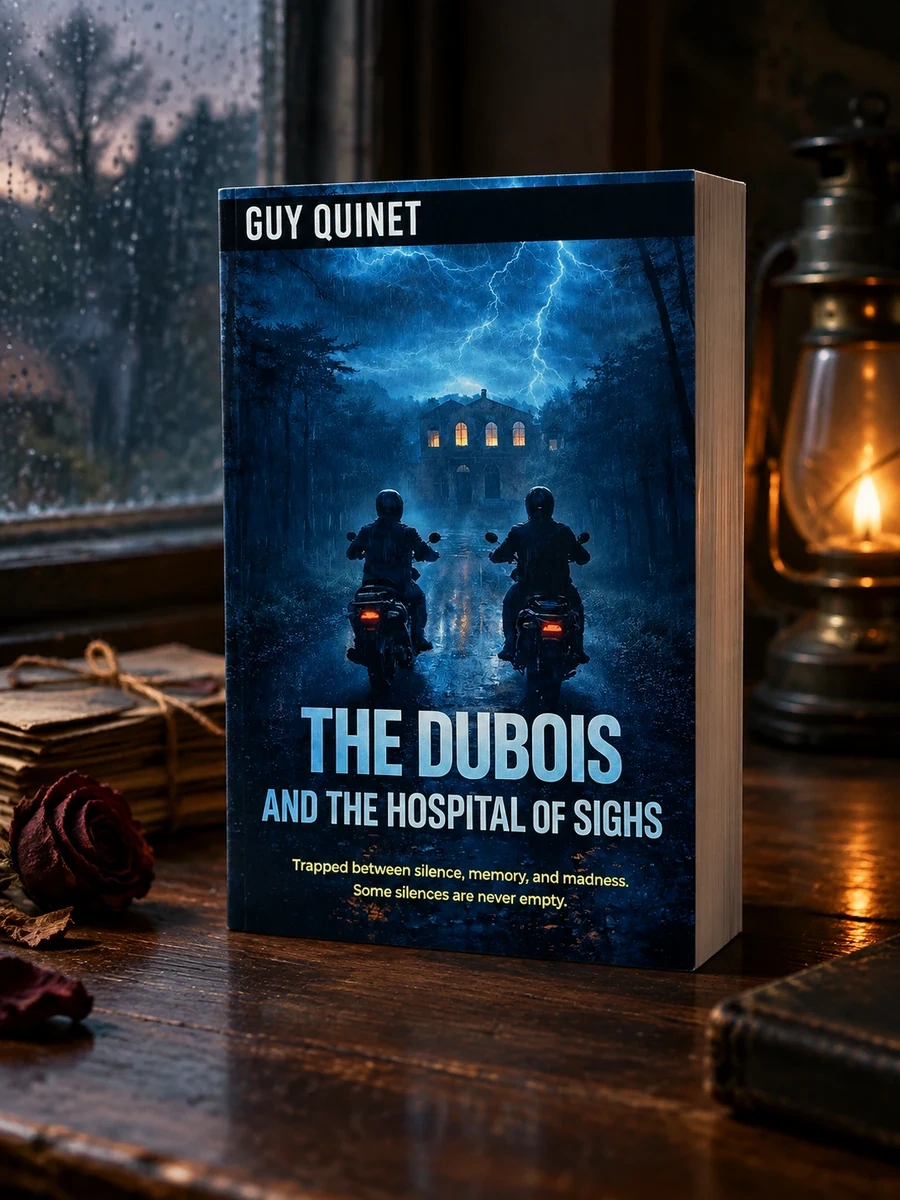
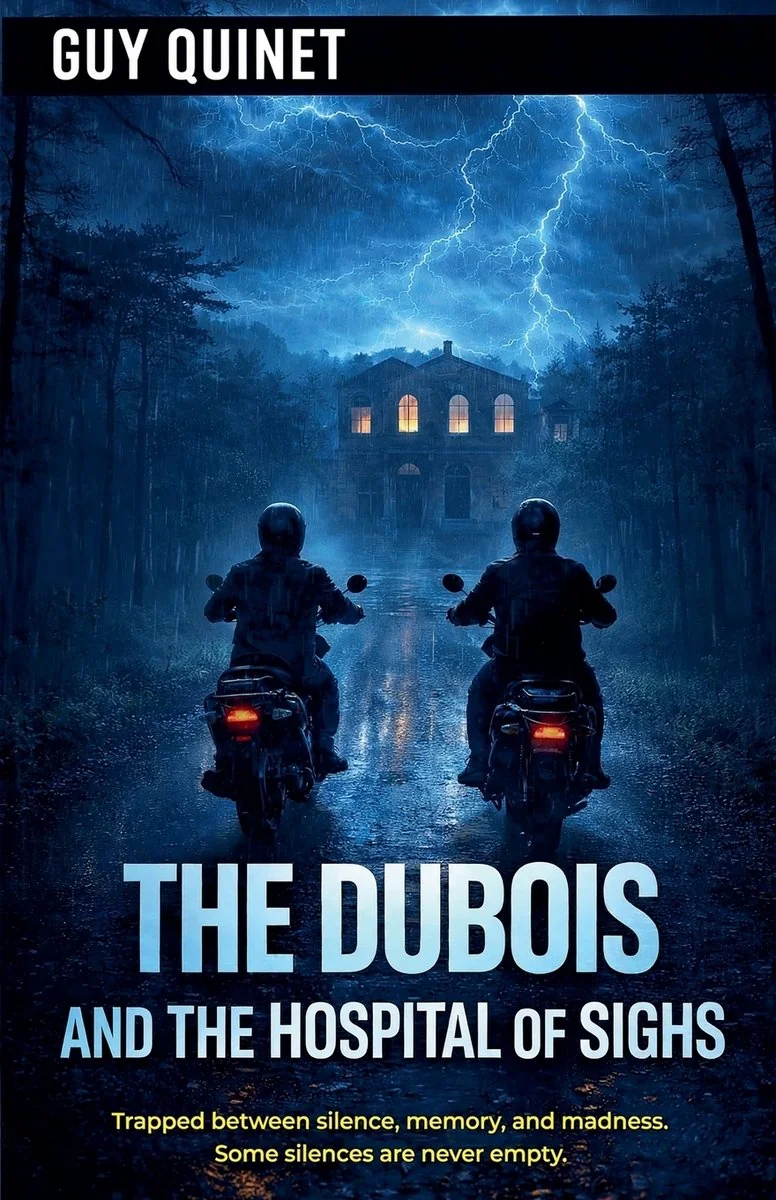
The Dubois and the Hospital of Sighs
A psychiatrist's pain-extracting machine hunts friends in an abandoned hospital.
Quinet examines the lingering effects of psychological trauma through a sci-fi horror lens. The protagonist duo faces a sentient entity born from medical experimentation. This entry emphasizes the weight of shared history and the danger of ignoring past suffering. The setting provides a claustrophobic backdrop for exploring how pain can become autonomous and predatory. Readers interested in the intersection of medical ethics and supernatural folklore will find this narrative compelling.
This novel sits within the contemporary horror genre, drawing on gothic traditions of haunted institutions. It references the specific setting above Nice and L'Escarene in France. The story engages with themes of medical ethics and the history of psychiatric treatment.


📝 Description: The Dubois and the Hospital of Sighs
💎 Our verdict on The Dubois and the Hospital of Sighs
📖 Why choose it
Why this book is worth reading
Readers interested in the intersection of medical ethics and supernatural folklore will find this narrative compelling. The book emphasizes the weight of shared history and the danger of ignoring past suffering. Those who enjoy atmospheric dread and character-driven horror will appreciate Quinet’s examination of how pain can become autonomous and predatory. The claustrophobic backdrop serves to explore lingering psychological trauma through a sci-fi lens. It is ideal for audiences seeking deep thematic exploration over fast-paced action or clear resolutions, offering a grounded yet terrifying look at scientific hubris.
⭐ Reader reviews
Reader rating
Quinet delivers a compelling study of psychological horror where pain becomes an autonomous, predatory force. The narrative effectively uses the abandoned military hospital to create a claustrophobic atmosphere that intensifies the dread surrounding the protagonist duo’s dilemma. By focusing on the sentient entity born from medical experimentation rather than traditional ghosts, the story offers a fresh take on gothic isolation and scientific hubris. The emphasis on shared history adds emotional weight to the supernatural threat. This work is best suited for readers who appreciate character-driven horror and thematic depth over action, providing a unique exploration of how trauma persists and feeds on those who encounter it.