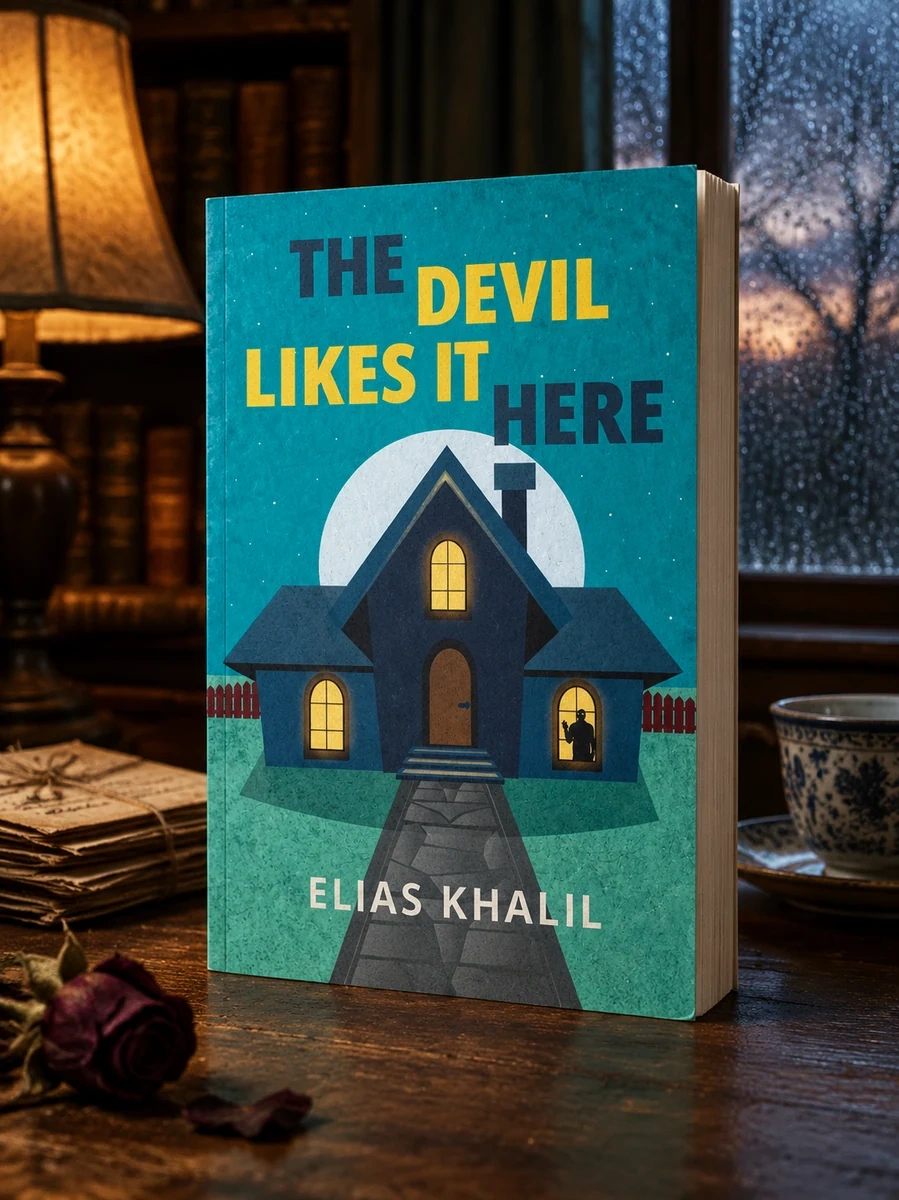
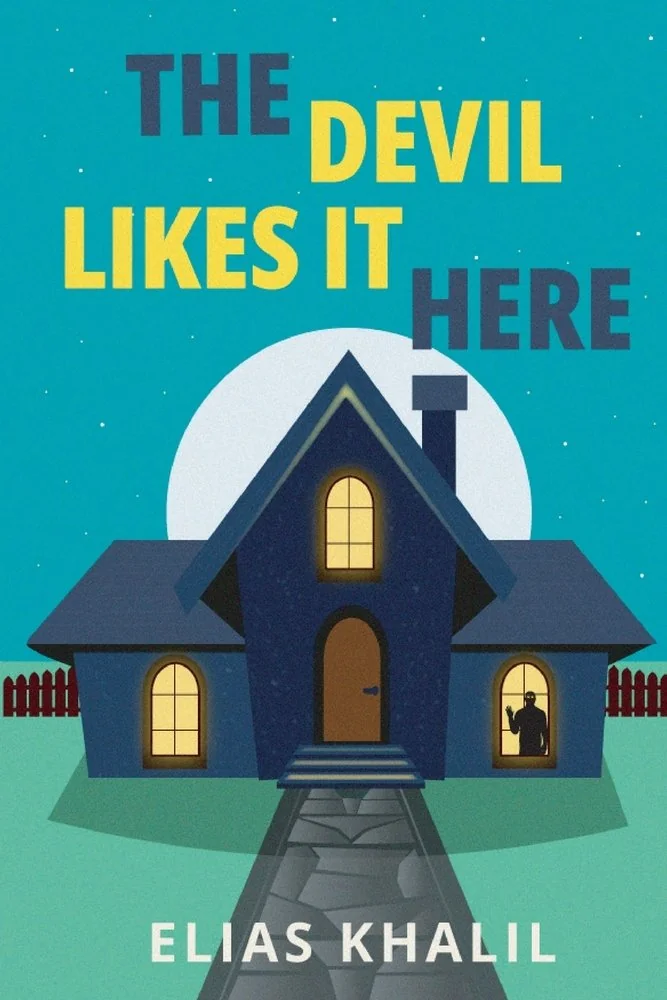
The Devil Likes It Here
A failed demon haunts a house while growing fond of his targets.
Khalil writes a character-driven horror comedy about Theo, a man who must haunt a home to pay off his soul debt. The plot centers on the psychological strain placed on Lily as she deals with unexplained phenomena that her partner Mateo ignores. The narrative structure follows Theo’s clumsy attempts at intimidation alongside Lily’s growing isolation. This dual perspective highlights the absurdity of supernatural obligations clashing with human emotions. The story avoids traditional jump scares in favor of domestic tension and bureaucratic hellishness.
The Devil Likes It Here sits within contemporary American supernatural fiction, blending gothic traditions of haunted houses with modern workplace dynamics. Khalil draws on the trope of the reluctant demon to critique modern relationships and the pressure of settling down in a quiet hometown.


📝 Description: The Devil Likes It Here
💎 Our verdict on The Devil Likes It Here
📖 Why choose it
Why this book is worth reading
Readers who appreciate horror that prioritizes psychological tension over jump scares will find Theo’s plight both humorous and poignant. The book offers a refreshing departure from standard ghost stories by focusing on the emotional strain of isolation within a relationship. Those interested in dark comedy and bureaucratic satire will enjoy the absurdity of a demon bound by corporate-style obligations. It suits readers who enjoy character-driven narratives where supernatural elements serve as metaphors for human connection and professional duty. The dual perspective allows for a nuanced exploration of grief, skepticism, and attachment, making it ideal for those seeking depth beneath the comedic surface.
⭐ Reader reviews
Reader rating
Khalil delivers a unique blend of domestic drama and supernatural horror, avoiding traditional tropes in favor of psychological strain. Theo’s clumsy attempts at intimidation create a compelling counterpoint to Lily’s growing isolation. The narrative effectively uses bureaucratic hellishness to highlight the absurdity of supernatural obligations clashing with genuine human emotion. While Mateo’s skepticism provides necessary conflict, the focus remains on Lily’s perceptual reality. This approach creates a tense yet humorous atmosphere that feels fresh in the genre. It is best suited for readers who enjoy dark comedy and character studies over visceral terror. The book succeeds by examining professional duty against personal attachment, offering a thoughtful critique of isolation within modern relationships.
You might also like
See more →


Have a question about this item?
Ask about the edition, condition, delivery or anything else — we reply by email or phone, usually within a day.
