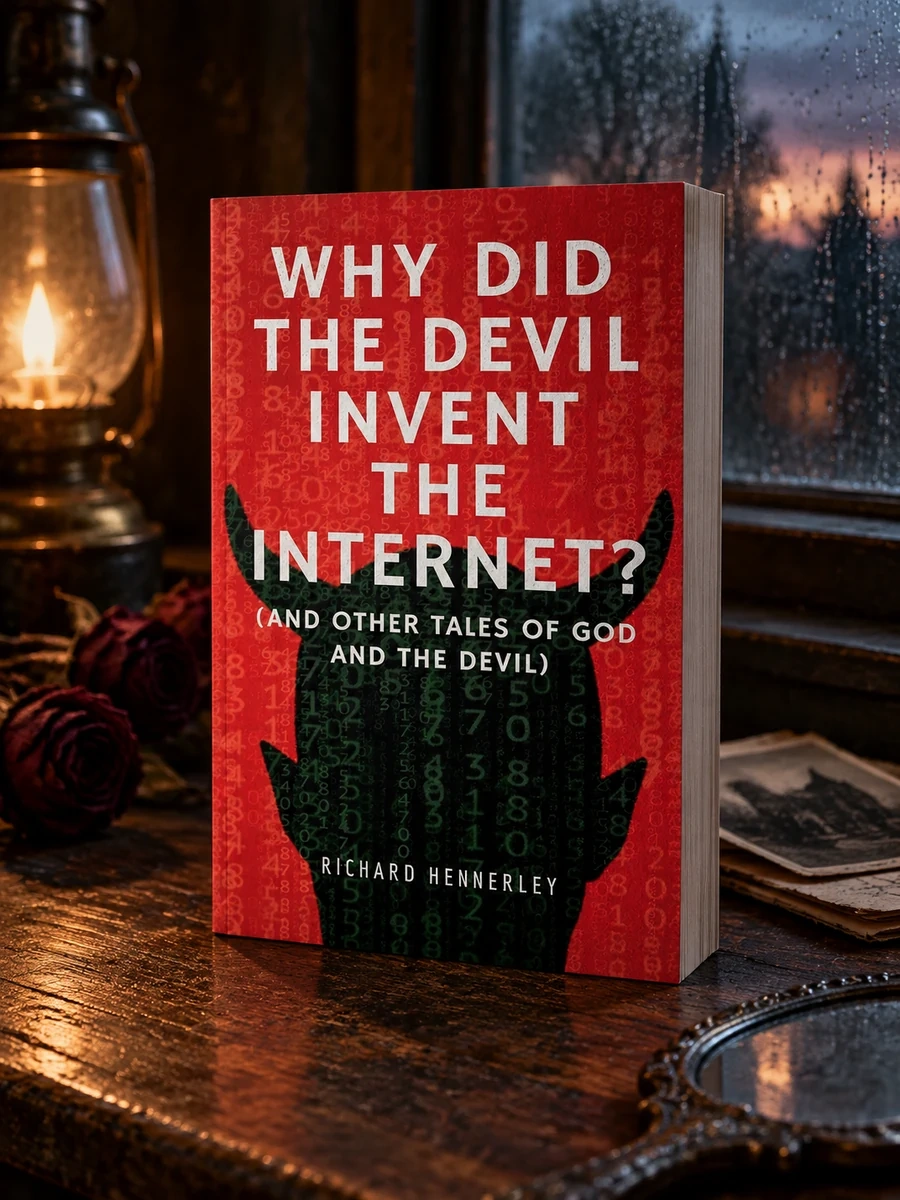
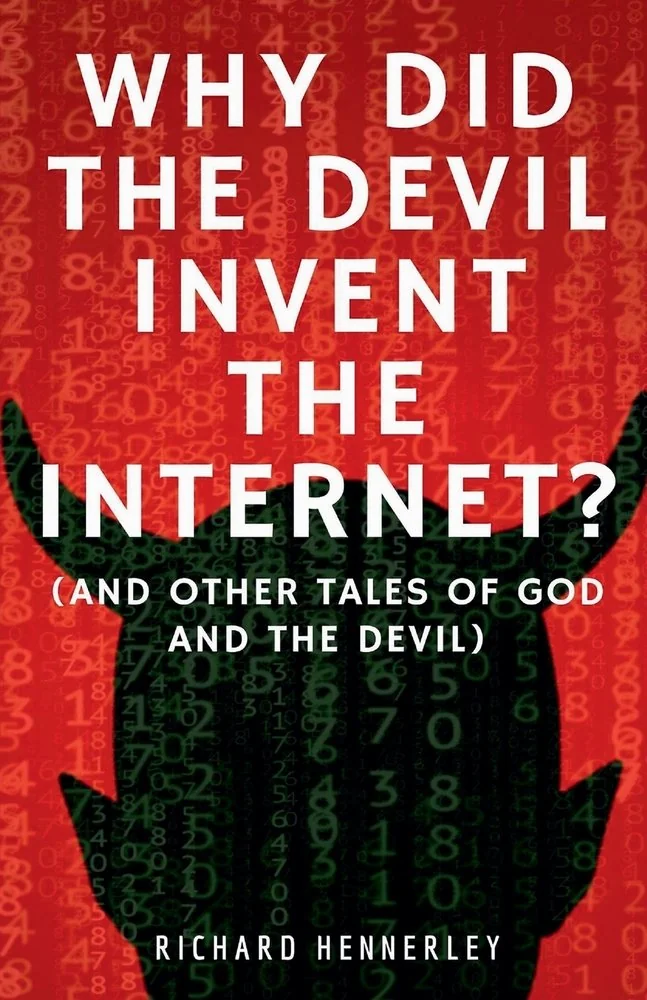
Why did The Devil Invent the Internet?
A blend of absurdist fiction and contemporary fantasy exploring modern dread through supernatural scenarios.
This book explores the intersection of speculative thought and gothic unease. It uses strange scenarios to ask big questions about modern anxieties. The narrative challenges conventional storytelling by twisting reality rather than frightening with shadows. Readers who enjoy intellectually stimulating horror will find this volume aligns with their tastes. The work offers a fresh perspective on how contemporary fears manifest in literature. It is not for those seeking traditional scares or simple plots.
Published in 2020, this paperback sits within the tradition of horror that twists reality. It addresses modern dread through a lens of contemporary fantasy. The work intersects speculative thought with gothic unease to examine how modern anxieties manifest in literary horror.


📝 Description: Why did The Devil Invent the Internet?
💎 Our verdict on Why did The Devil Invent the Internet?
📖 Why choose it
Why this book is worth reading
Readers who find traditional horror too predictable or reliant on simple jump scares will appreciate this distinctively intellectual approach. Hennerley offers a fresh perspective for those who enjoy speculative fiction that questions contemporary life through a supernatural lens. This volume is ideal for audiences seeking an experience defined by its genre-blending nature, merging the digital age with classic horror tropes. It appeals to individuals interested in exploring deep fears about connectivity and isolation via absurdity. Those craving intellectually stimulating horror will find this work aligns perfectly with their tastes, as it challenges conventional storytelling by twisting reality rather than relying on shadows for fear.
⭐ Reader reviews
Reader rating
Hennerley constructs a narrative that merges the digital age with classic horror tropes, examining the relationship between technology and evil. The book excels in creating a mood that is both intellectually stimulating and unsettling, using strange scenarios to ask big questions about modern anxieties. It suits readers who prefer horror that twists reality rather than relying on shadows for fear. While it may not suit those seeking straightforward narratives or traditional scares, it offers a unique lens for viewing modern dread. The work stands at the intersection of speculative thought and gothic unease, promising an experience defined by its genre-blending approach to literary horror.
You might also like
See more →


Have a question about this item?
Ask about the edition, condition, delivery or anything else — we reply by email or phone, usually within a day.
