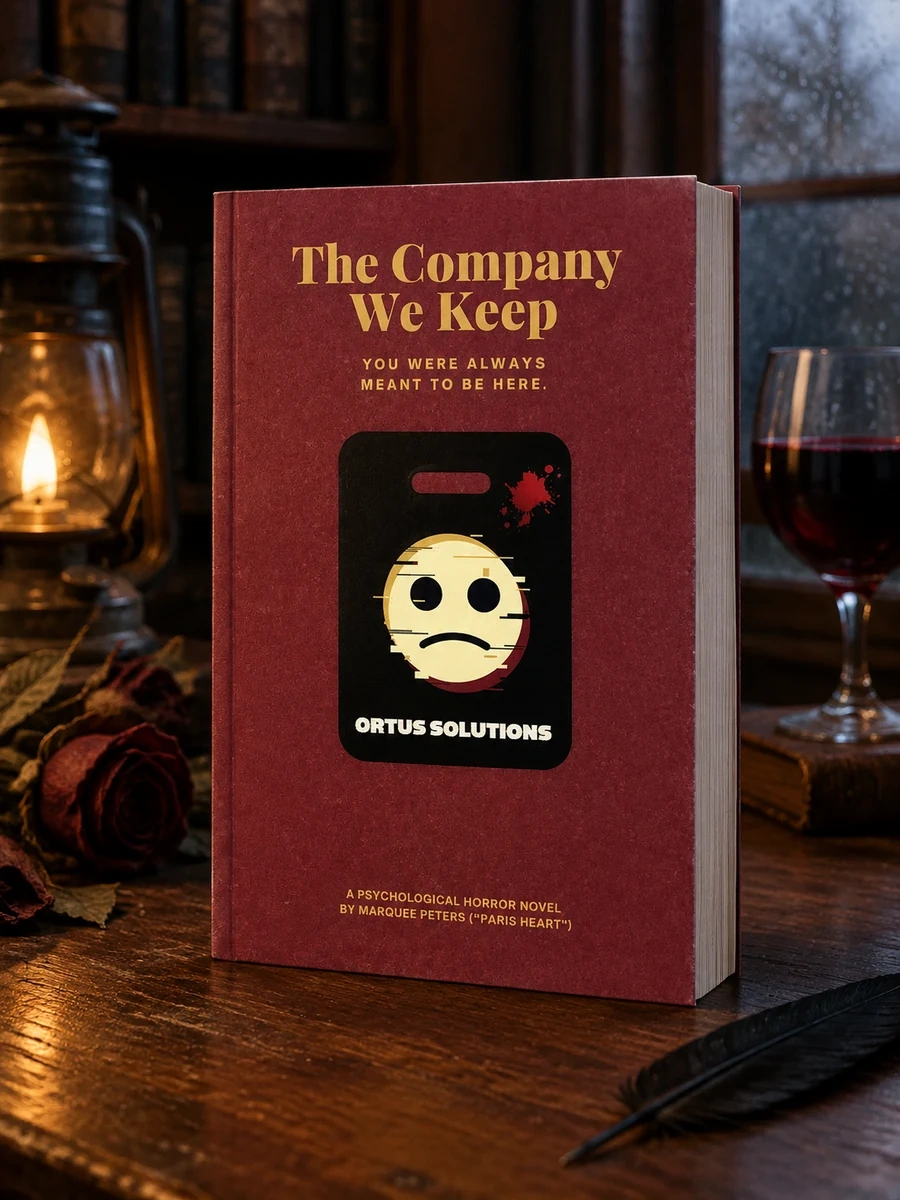
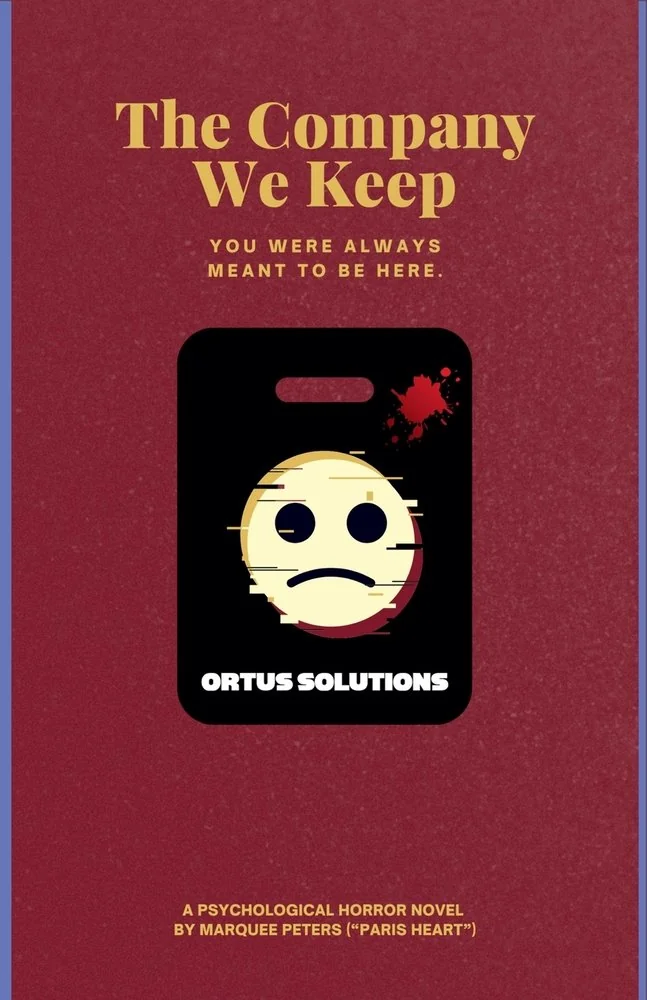
The Company We Keep: A Psychological Horror Novel
A surreal tale of corporate horror where identity fades away.
The narrative centers on Jake Warren, who joins a mysterious company that hired him without an application. As he settles in, the environment becomes increasingly hostile to his sanity. The office geometry defies logic, and digital devices communicate directly with him. His connection to his daughter weakens as her photographs fade from existence. This progression highlights the theme of identity loss. Peters uses these elements to critique the demands of modern employment. The story remains grounded in Jake's internal experience rather than external threats. It is a study in isolation and the subtle violence of conformity.
This 2025 release by Marquee Peters engages with contemporary anxieties about workplace culture and mental health. It reflects current discussions on professional burnout and the blurring lines between personal life and corporate demands in the modern American context.


📝 Description: The Company We Keep: A Psychological Horror Novel
💎 Our verdict on The Company We Keep: A Psychological Horror Novel
📖 Why choose it
Why this book is worth reading
Readers who appreciate atmospheric tension and explorations of corporate alienation will find value here. This book suits those interested in the quiet cost of belonging and the subtle violence of conformity rather than external threats. It offers a study in isolation, examining how ambition erodes identity within rigid professional structures. Those seeking fast-paced action may feel unsettled by its ambiguous nature, but fans of surrealism and psychological dread will engage with its creeping sense of unease and critique of modern employment demands.
⭐ Reader reviews
Reader rating
Peters crafts a compelling narrative of identity loss through Jake Warren’s descent into the surreal Ortus Solutions. The text excels in building creeping dread via defying geometry and fading memories, grounding cosmic horror in mundane office life. It avoids easy answers, favoring internal experience over external plot mechanics. While the ambiguous ending may frustrate those craving resolution, it perfectly serves the theme of erasure. This is a refined meditation on conformity, ideal for readers who enjoy slow-burn psychological horror that prioritizes mood and thematic depth over traditional narrative closure.
You might also like
See more →


Have a question about this item?
Ask about the edition, condition, delivery or anything else — we reply by email or phone, usually within a day.
