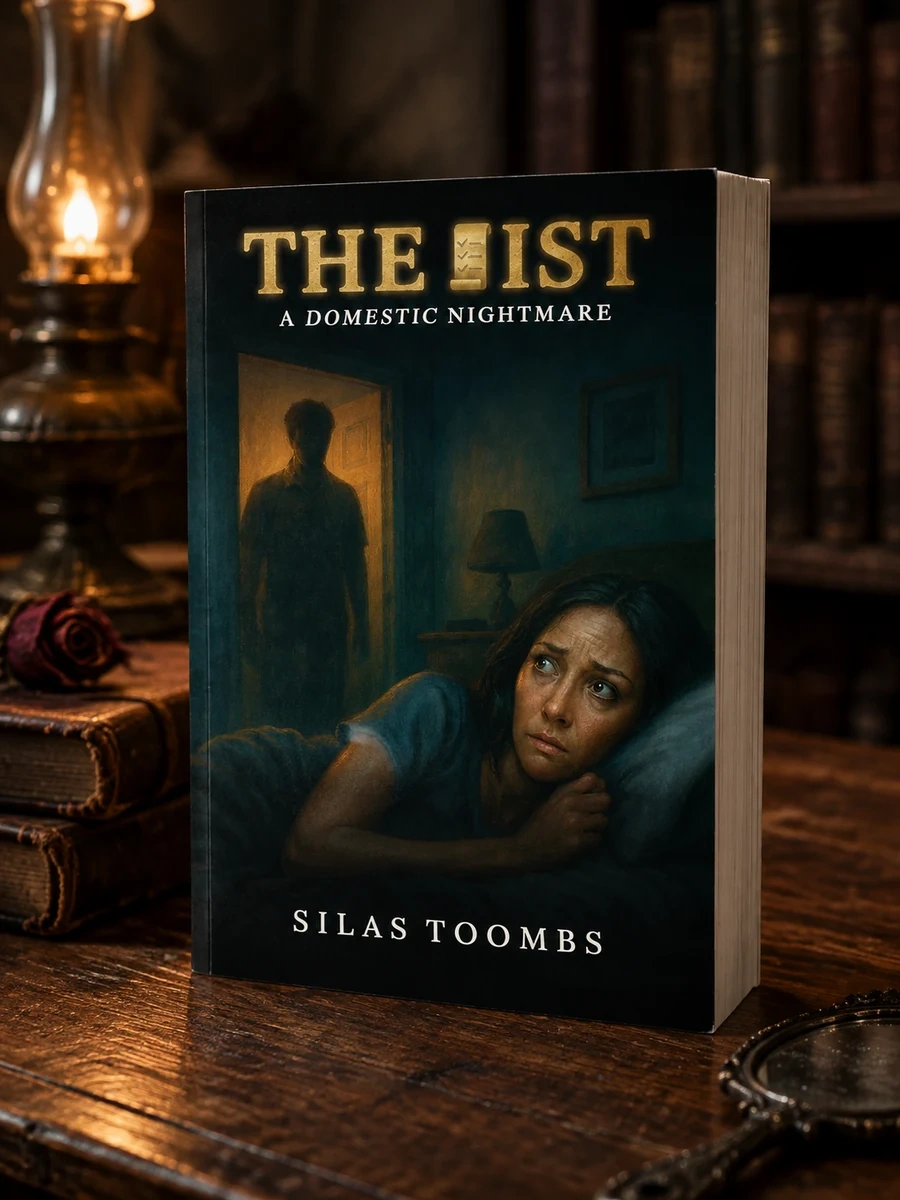
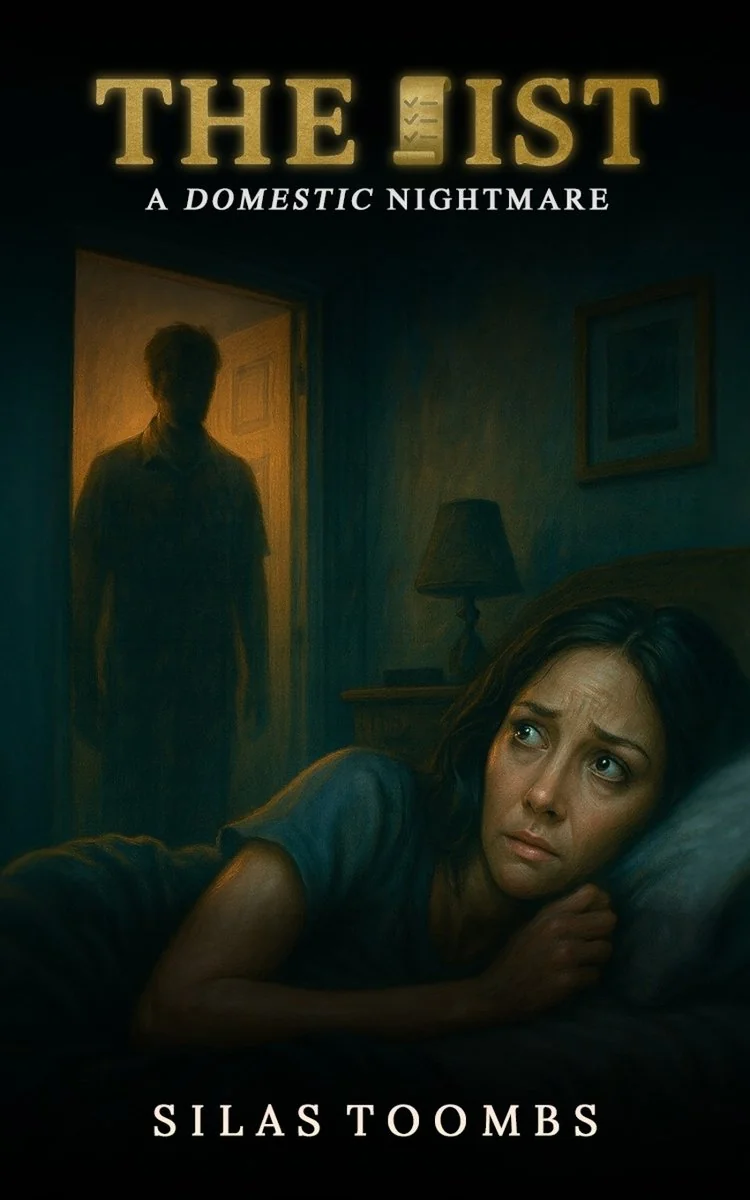
The List: A Domestic Nightmare
A husband's to-do list reveals a deadly intent in this domestic horror novella.
Dana Ellison’s life unravels after she finds her husband Dylan’s handwritten list containing the command Kill her. As tasks disappear from the page, his behavior becomes increasingly wrong, forcing Dana to maintain her own record of events. The narrative focuses on the erosion of trust within a marriage, using domestic settings like the kitchen and baby monitor to create unease. Toombs explores how memory can be rewritten by fear, making the familiar home feel like a trap. This story is for those who prefer psychological tension over gore.
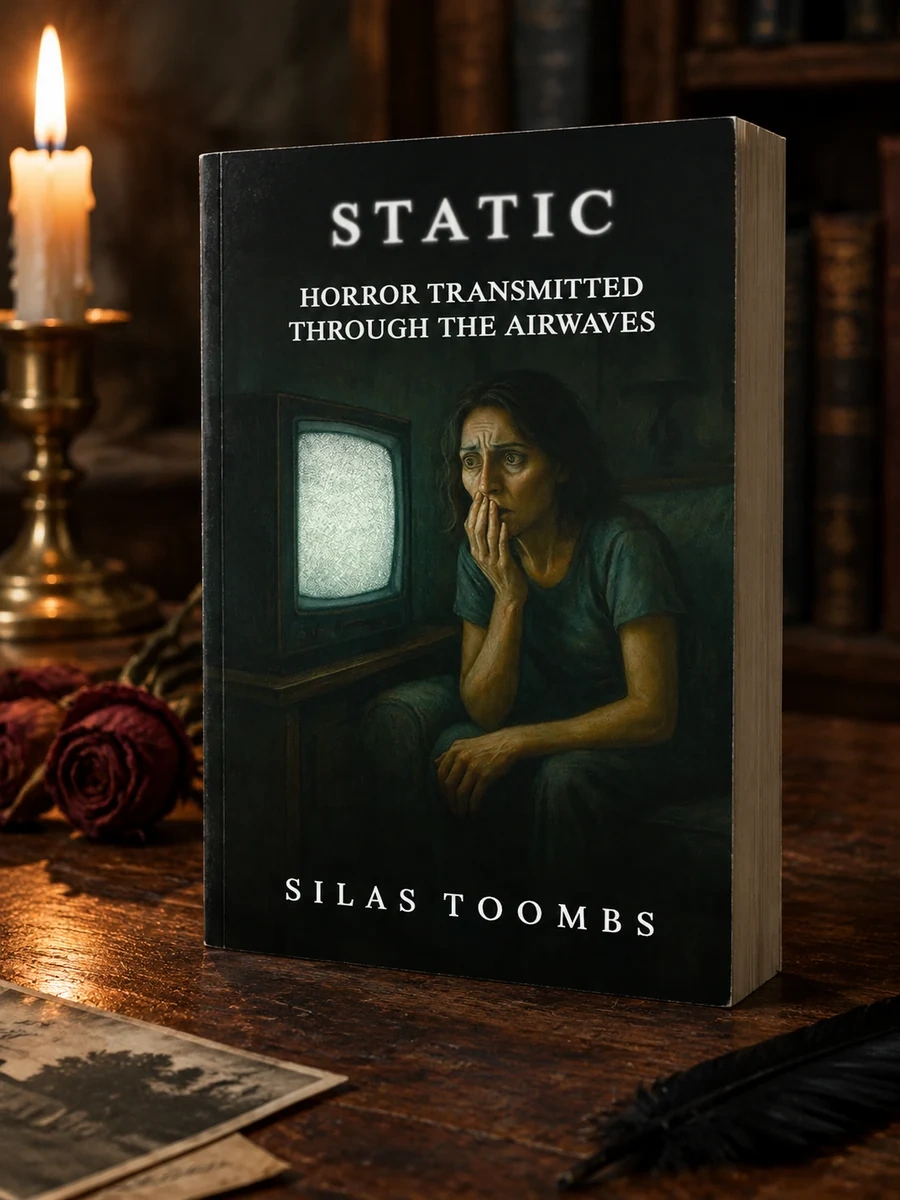
Published in 2025 by Silas Toombs, this novella sits within the contemporary horror tradition. It draws on gothic and supernatural fiction styles to critique suburban domesticity. The work aligns with modern psychological thrillers that focus on intimate relationships and mental instability rather than external threats.


📝 Description: The List: A Domestic Nightmare
💎 Our verdict on The List: A Domestic Nightmare
📖 Why choose it
Why this book is worth reading
Readers who prefer atmospheric tension over visceral gore will find this novella compelling. It offers a deep dive into the psychology of paranoia, exploring how fear can rewrite memory and distort reality within the confines of a marriage. The narrative structure, anchored by a sinister to-do list, provides a unique lens for examining the quiet violence of domestic life. Those who enjoy slow-burn storytelling and unreliable narrators will appreciate the subtle shifts in tone and setting that transform the familiar into a trap. It is ideal for fans of psychological horror who seek intellectual engagement with themes of control, surveillance, and the fragility of perceived safety.
⭐ Reader reviews
Reader rating
Toombs effectively utilizes the domestic sphere to generate unease, turning mundane objects like baby monitors and kitchen counters into sources of dread. The focus on Dana’s fractured perception creates a compelling unreliable narrator dynamic, blurring the line between genuine threat and paranoid imagination. While it lacks high-octane action or traditional supernatural rules, its strength lies in its psychological realism and atmospheric build-up. This work suits readers who appreciate the nuanced terror found in gothic traditions, offering a chilling examination of how trust unravels. It is a tight, intense experience that prioritizes mental tension over external monsters, making it a strong choice for those who enjoy subtle, creeping horror.