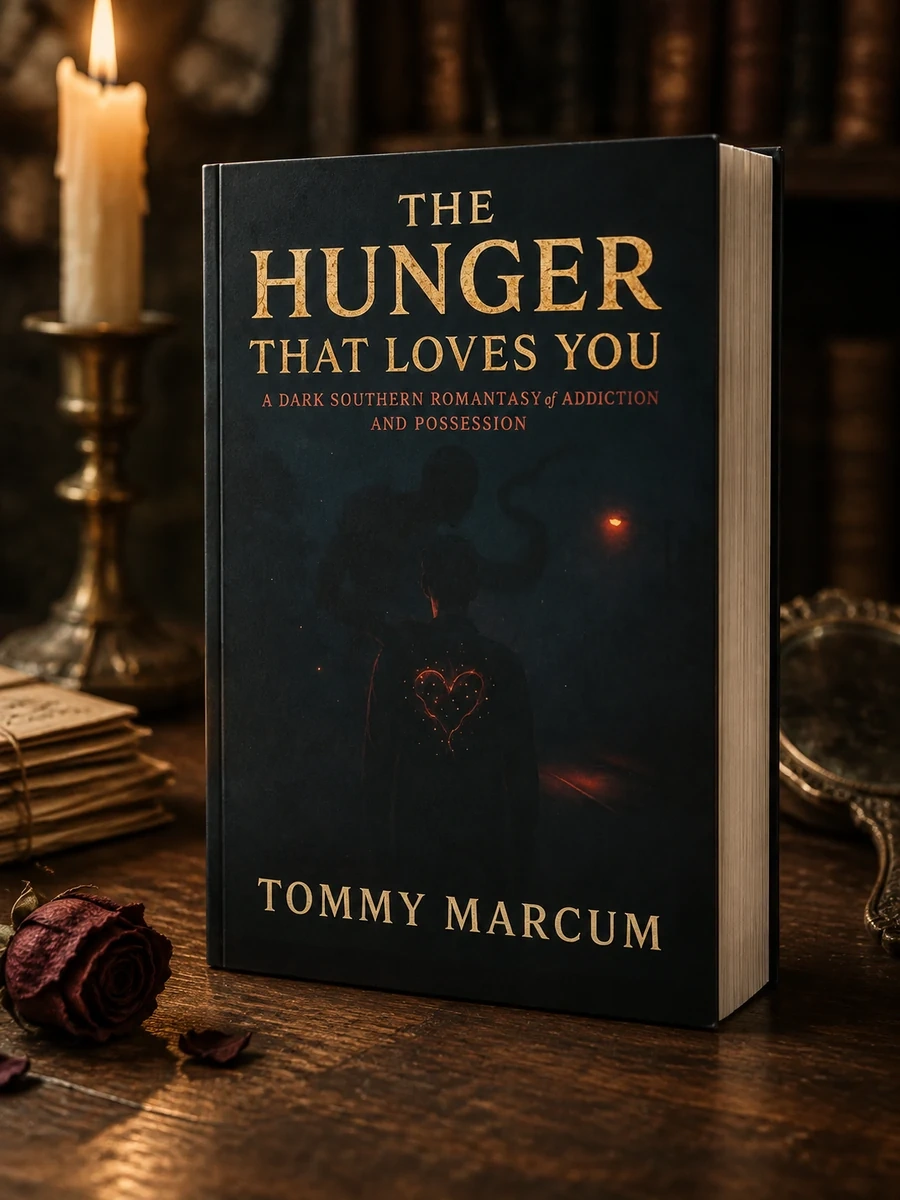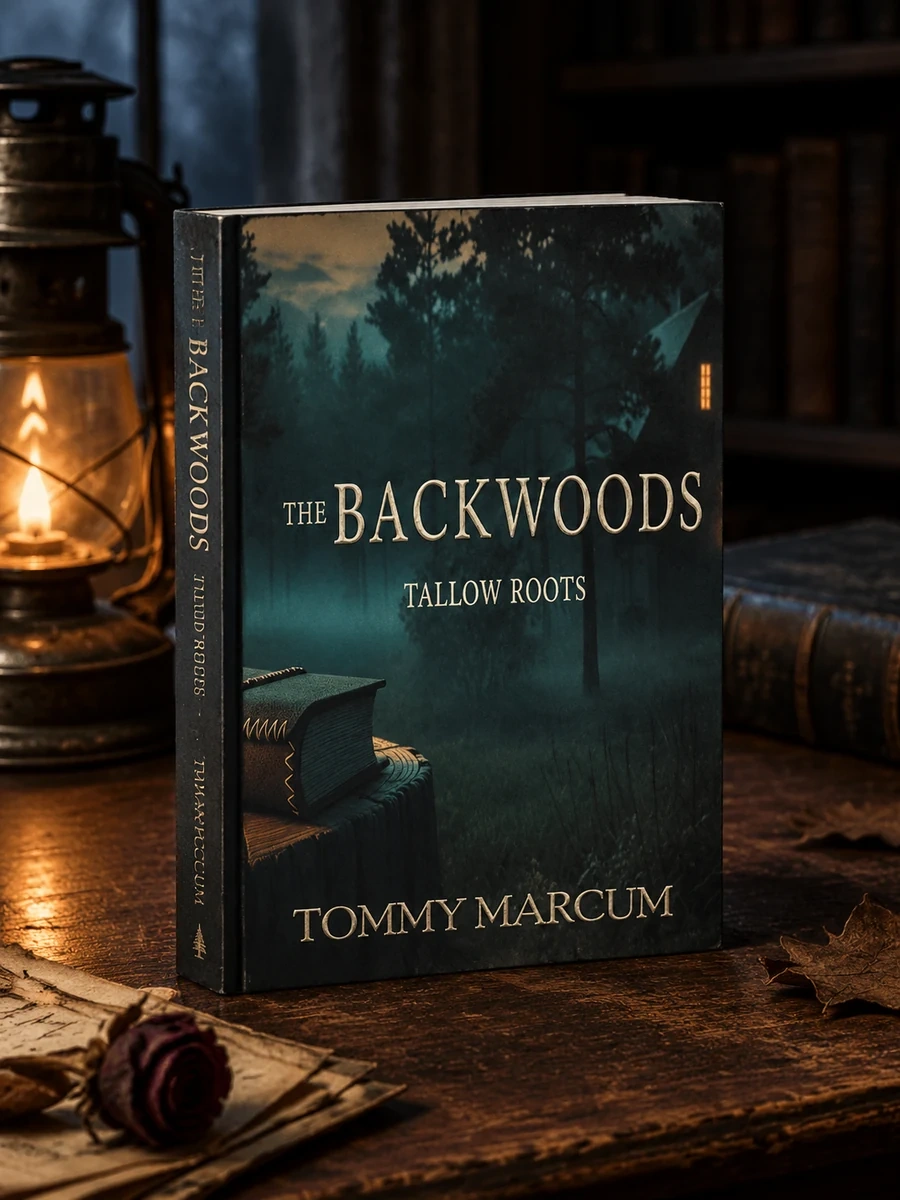
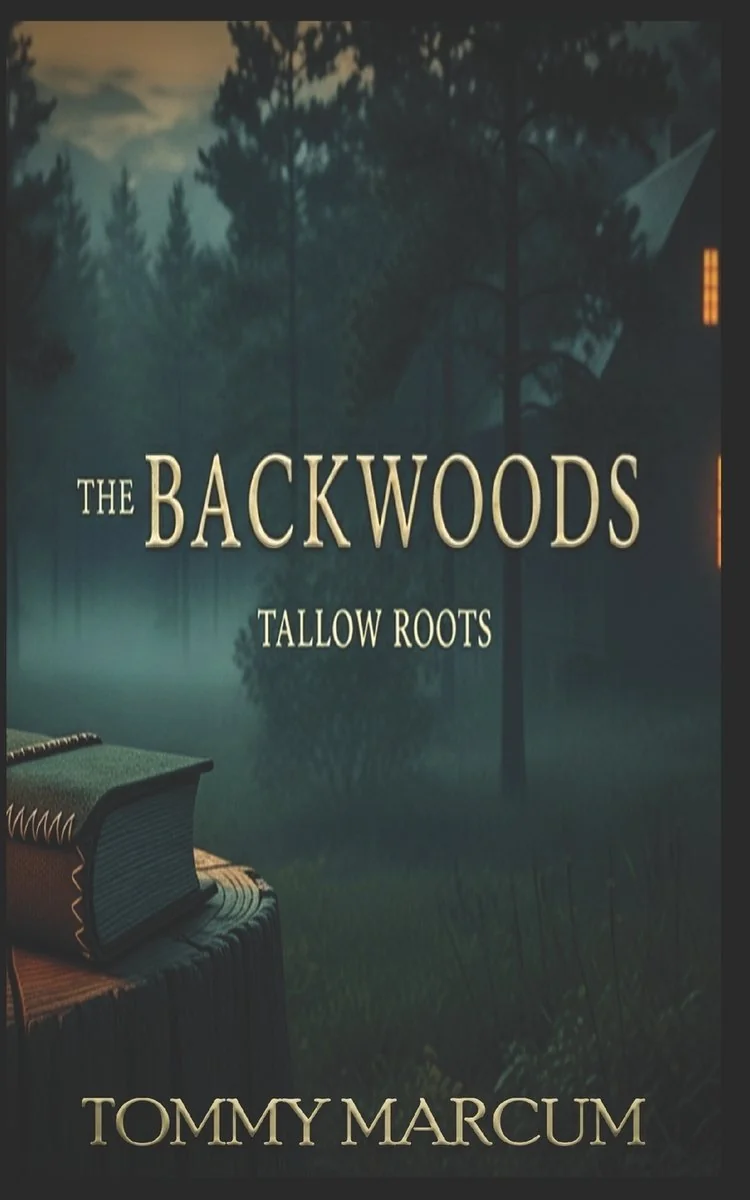
The Backwoods: Tallow Roots
A man returns home to find his inheritance is a house that steals memories.
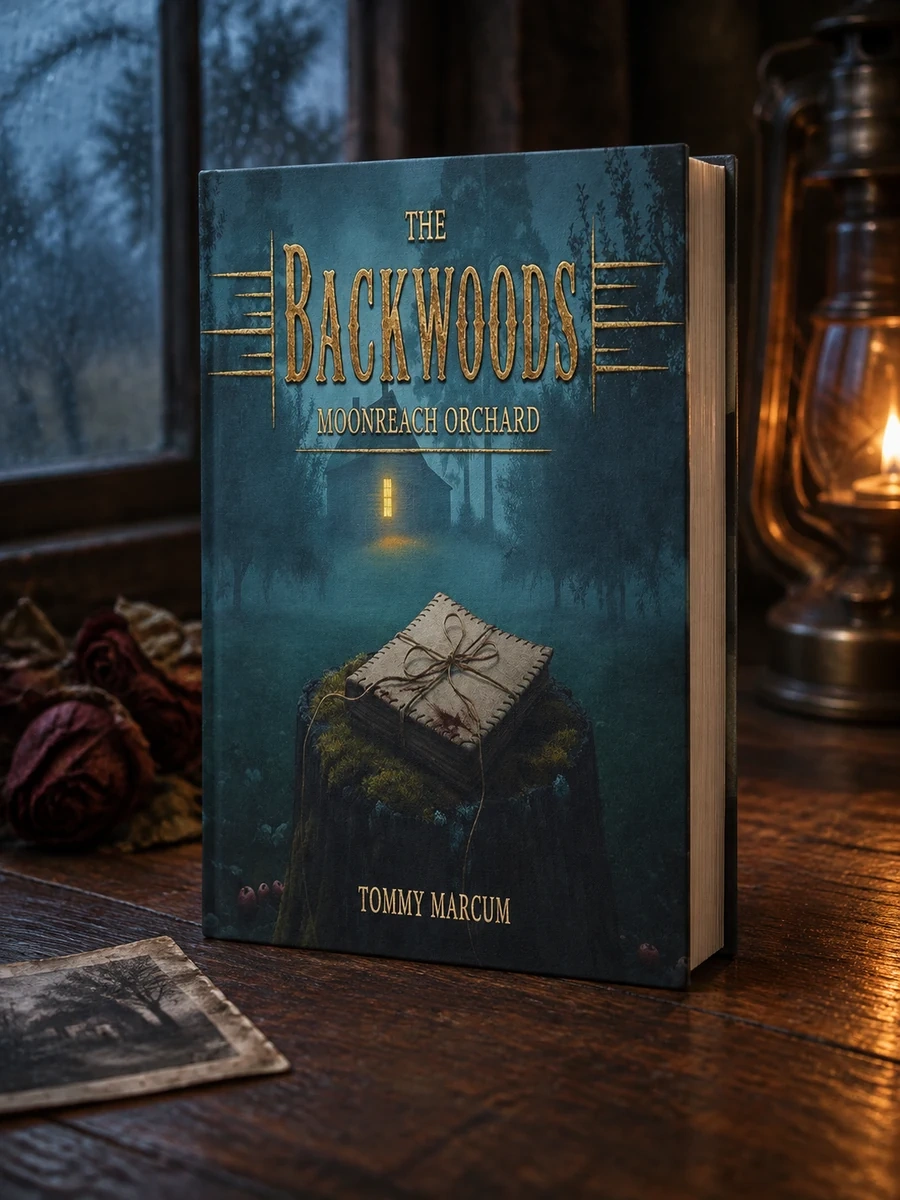
Hollis Varn travels to Fenwell Hollow for a quiet inheritance. He encounters Tallow House, which listens. A stitched ledger called the Roll appears alongside buried memories. An orchard catalogs names like fruit. Reality shifts as he crosses his childhood fence. Entries appear in the book without his hand. A root door from dreams becomes real. A creature in the roots echoes voices. Portraits fade while neighbors forget faces. Memory slips away quickly. Hollis must decide what to lose. He chooses between a laugh, a face, or his name. The story blends Southern Gothic horror with psychological dread. It examines memory, identity, and land claims. Fans of haunting secrets will appreciate the slow burn.
This work sits within the Southern Gothic tradition, drawing on rural uncanny settings and themes of inherited curses. It engages with psychological dread and the concept of memory loss in isolated communities. The narrative structure follows a slow burn approach typical of contemporary supernatural fiction focusing on family secrets.


📝 Description: The Backwoods: Tallow Roots
💎 Our verdict on The Backwoods: Tallow Roots
📖 Why choose it
Why this book is worth reading
Readers who appreciate slow-burning psychological horror and Southern Gothic atmospheres will find this book compelling. It offers a unique exploration of memory loss and identity erosion through the lens of a cursed inheritance. Those drawn to haunted house tales where the setting itself is an active, listening entity will enjoy the tension built through the loss of self rather than jump scares. The narrative’s focus on family secrets and the land’s claim over its inhabitants provides a lingering sense of dread suitable for fans of rural uncanny settings.
⭐ Reader reviews
Reader rating
Marcum crafts a tense atmosphere where reality shifts subtly as Hollis Varn navigates Fenwell Hollow. The stitched ledger and orchard cataloging names create a haunting imagery that underscores the theme of forgotten identities. The story excels in building psychological dread through the gradual slipping of memory, making it ideal for readers who prefer lingering ambiguity over clear resolutions. While it lacks fast-paced action, its steady plot and exploration of land claims offer a deep, unsettling experience for those seeking horror that examines the fragility of self.