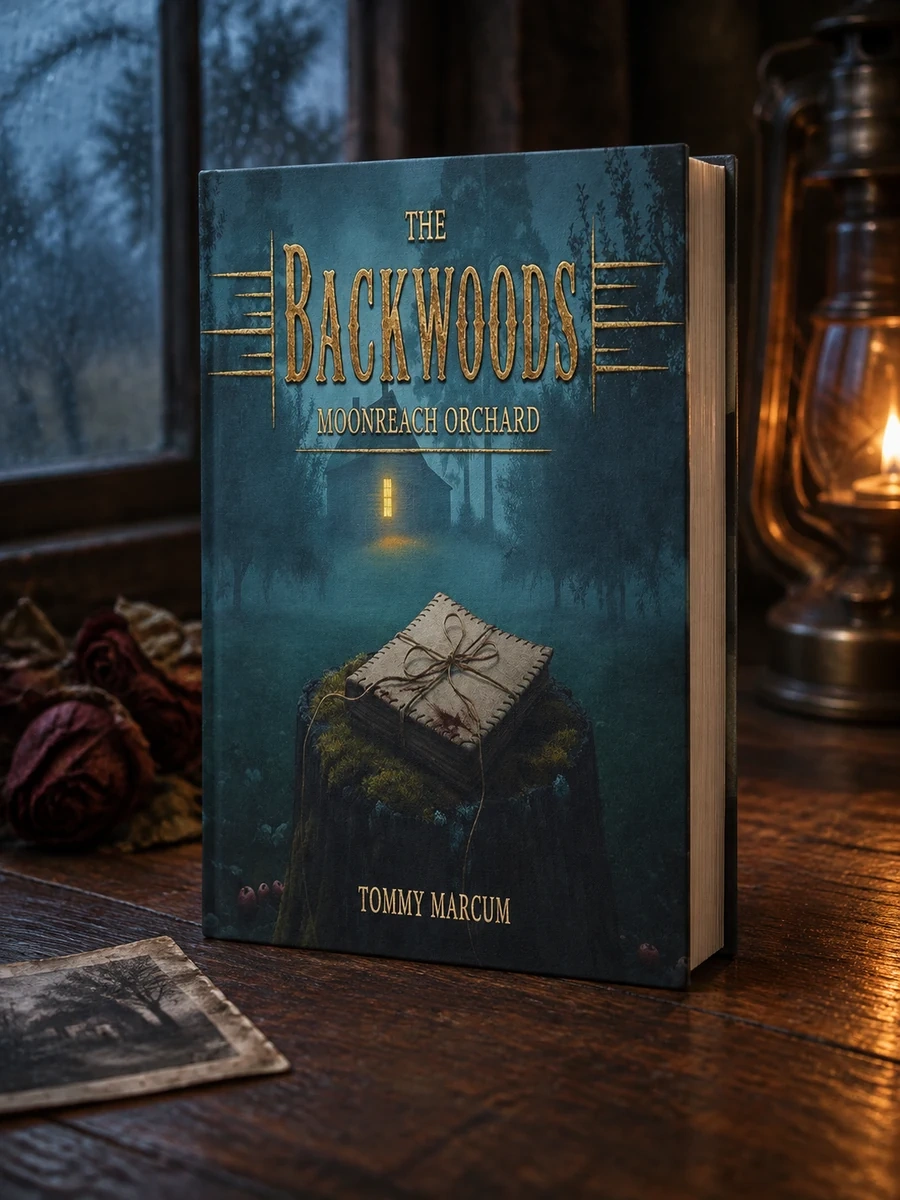
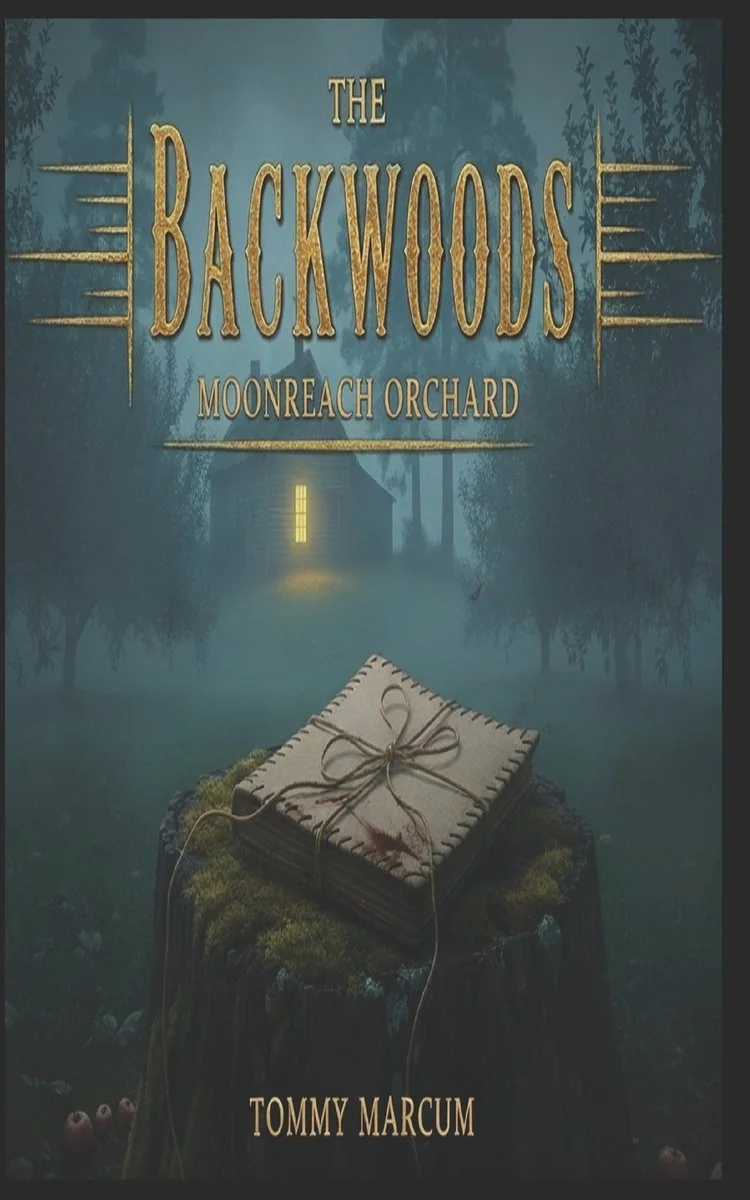
The Backwoods: Moonreach Orchard
A Southern Gothic tale of a mother defending her child from a debt-collecting orchard.
This volume continues the story of Maren and her family’s cursed land. After digging up a specific crate, she triggers supernatural events that threaten her newborn. The narrative focuses on the psychological weight of inherited secrets and the physical manifestations of old bargains. Marcum structures the plot around the consequences of these rituals, showing how silence and seed-based trades ripple outward. The prose remains dense and sensory, prioritizing mood over rapid plot twists. This approach allows for a deep exploration of grief and memory within a horror framework.
The book sits firmly within the Southern Gothic tradition, drawing on folklore and rural American settings. It explores the intersection of family history and supernatural elements, reflecting how regional myths can shape contemporary fears and behaviors in isolated communities.


📝 Description: The Backwoods: Moonreach Orchard
💎 Our verdict on The Backwoods: Moonreach Orchard
📖 Why choose it
Why this book is worth reading
Readers who appreciate atmospheric, slow-burn horror will find significant value in this narrative's deep exploration of grief and memory. It offers a compelling look at the psychological weight of inherited secrets and the physical manifestations of old bargains. Those interested in Southern Gothic traditions and supernatural suspense will engage with the dense, sensory prose that prioritizes mood over rapid action. The book is ideal for audiences seeking to understand how multigenerational secrecy and ritual affect family dynamics and community suspicion. It provides a heavy, immersive experience for fans who enjoy interrogating the cost of keeping the past alive within a horror framework.
⭐ Reader reviews
Reader rating
Marcum delivers a potent second installment that excels in building dread through sensory detail rather than immediate shock. The prose is dense and atmospheric, effectively grounding supernatural elements in the tangible reality of the orchard and its debts. By focusing on Maren’s protective instincts against a landscape that remembers, the narrative creates a palpable sense of entrapment. This approach suits readers who favor psychological depth and folk-horror aesthetics over fast-paced thrills. While the mood may feel too heavy for those seeking light entertainment, fans of supernatural suspense will find the exploration of family trauma and buried bargains both engaging and emotionally resonant.