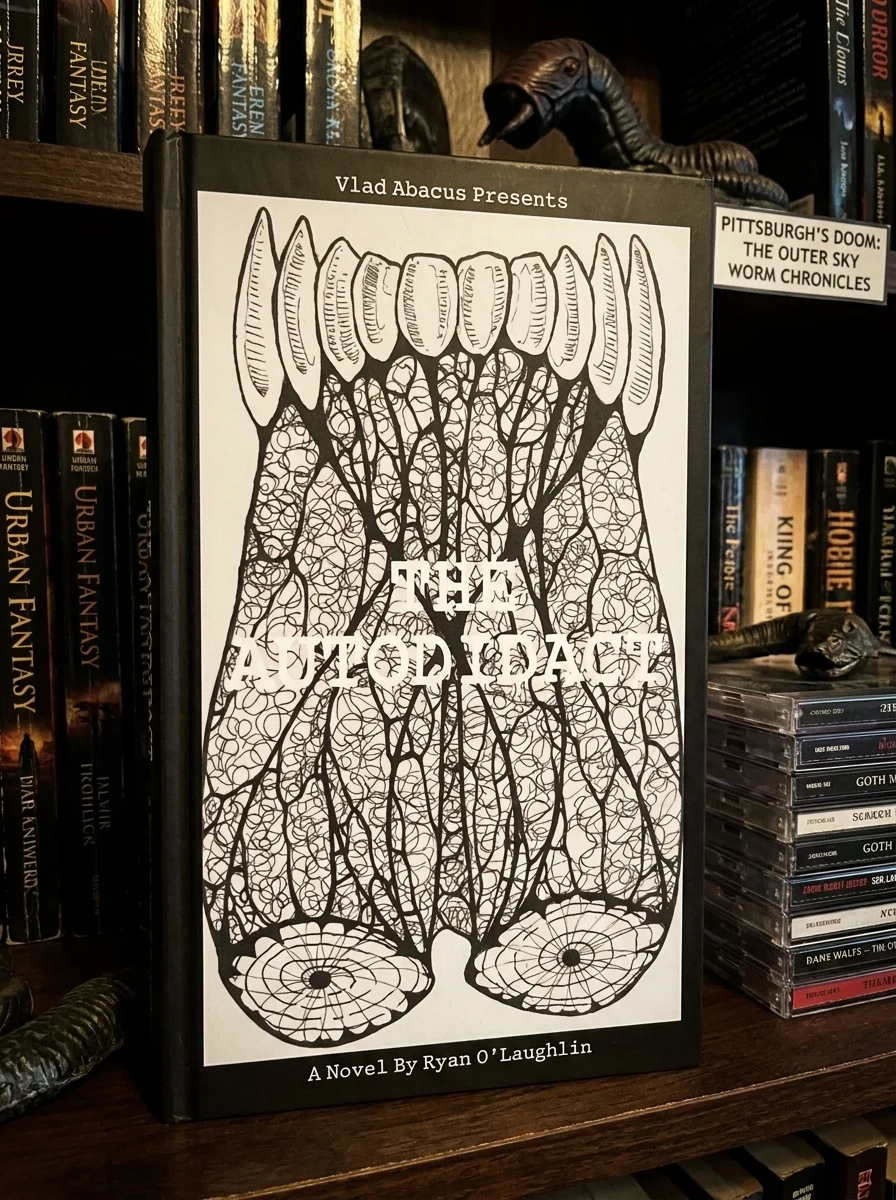
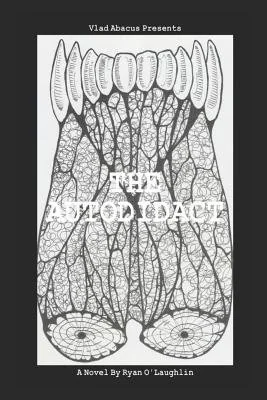
The Autodidact
A comedic chronicle of a shape-shifting entity devouring Pittsburgh.
The narrative centers on an amorphous being that gains consciousness in Pittsburgh. It rapidly acquires the ability to copy the physical structure of its prey. This process allows it to interact with human culture, specifically by collecting goth music and urban fantasy novels. The text serves as a record of the city's impending destruction, viewed through the lens of this predator. O'Laughlin writes with a comedic voice, contrasting the horror of being eaten with the mundane details of cultural consumption. The story avoids traditional heroic arcs, instead focusing on the inevitable doom brought by a gourmet entity. This perspective offers a fresh take on apocalyptic fiction by emphasizing the personal tastes of the destroyer rather than the reactions of the victims.
Published in 2018, this work sits within the independent publishing landscape. It engages with gothic and supernatural fiction traditions while subverting them through comedy. The setting of Pittsburgh provides a specific urban context for the horror elements, grounding the fantastical events in a recognizable American city.


📝 Description: The Autodidact
💎 Our verdict on The Autodidact
📖 Why choose it
Why this book is worth reading
Readers who appreciate dark humor and unconventional protagonists within the supernatural fiction genre will find this book rewarding. It offers a fresh take on apocalyptic fiction by emphasizing the personal tastes of the destroyer rather than the reactions of victims. Those seeking straightforward horror without irony may find the tone disorienting, but fans of ironic detachment will enjoy the contrast between the horror of being eaten and mundane cultural consumption. The narrative provides a focused reading experience that prioritizes character development and atmospheric dread over complex plotting, appealing to those who value unique perspectives on destruction.
⭐ Reader reviews
Reader rating
O'Laughlin structures this work as a document blending horror with comedy, creating a distinct tone divergent from traditional grim narratives. The book excels in its portrayal of an amorphous entity’s evolution through cultural consumption, specifically goth music and urban fantasy novels. By grounding the story in Pittsburgh, it creates an intimate backdrop for cosmic dread. The integration of mundane details with impending doom offers a refreshing alternative to standard hero arcs. This approach suits readers who enjoy subverting genre expectations through irony. While it lacks extensive world-building, its focus on immediate experiences delivers a potent atmospheric experience for those willing to embrace its comedic edge.